Farming is a rewarding but demanding way of life. Every day brings a combination of physical work, careful observation, planning, and unexpected challenges. While farm routines vary depending on the season, location, crops, livestock, and size of the operation, farmers often begin work early and finish only after completing essential tasks.
A typical day in the life of a farmer involves much more than planting and harvesting. Farmers manage crops, care for animals, maintain equipment, monitor weather, handle business responsibilities, and make decisions that affect the entire operation.
Starting the Day Early
Many farmers begin their day early in the morning.
Starting early provides time to complete essential tasks before temperatures rise or weather conditions change.
The first part of the morning may involve checking livestock, inspecting crops, reviewing irrigation systems, or preparing equipment for the day’s work.
Farmers often use this quiet part of the day to determine what needs immediate attention.
Because farming depends heavily on weather and biological processes, priorities can change quickly.
Caring for Livestock
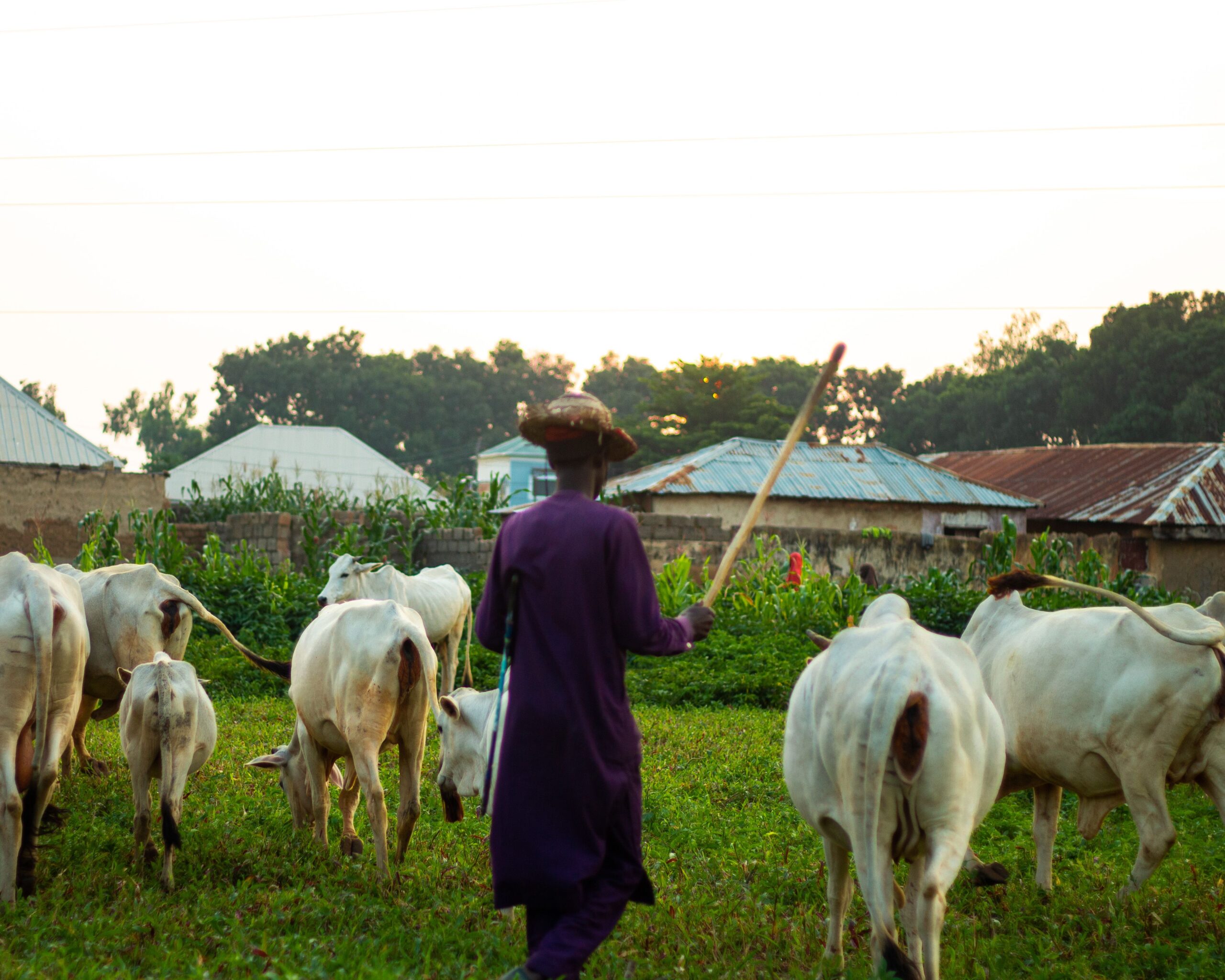
On livestock farms, animal care is often one of the first responsibilities of the day.
Farmers provide animals with appropriate feed and clean water while checking their general condition.
They may also clean housing areas, collect eggs, inspect fences, or move animals between suitable grazing areas.
Farmers watch carefully for signs of illness, injury, stress, or unusual behavior.
Early detection can help farmers seek appropriate veterinary care before a problem becomes more serious.
Checking Crops and Fields
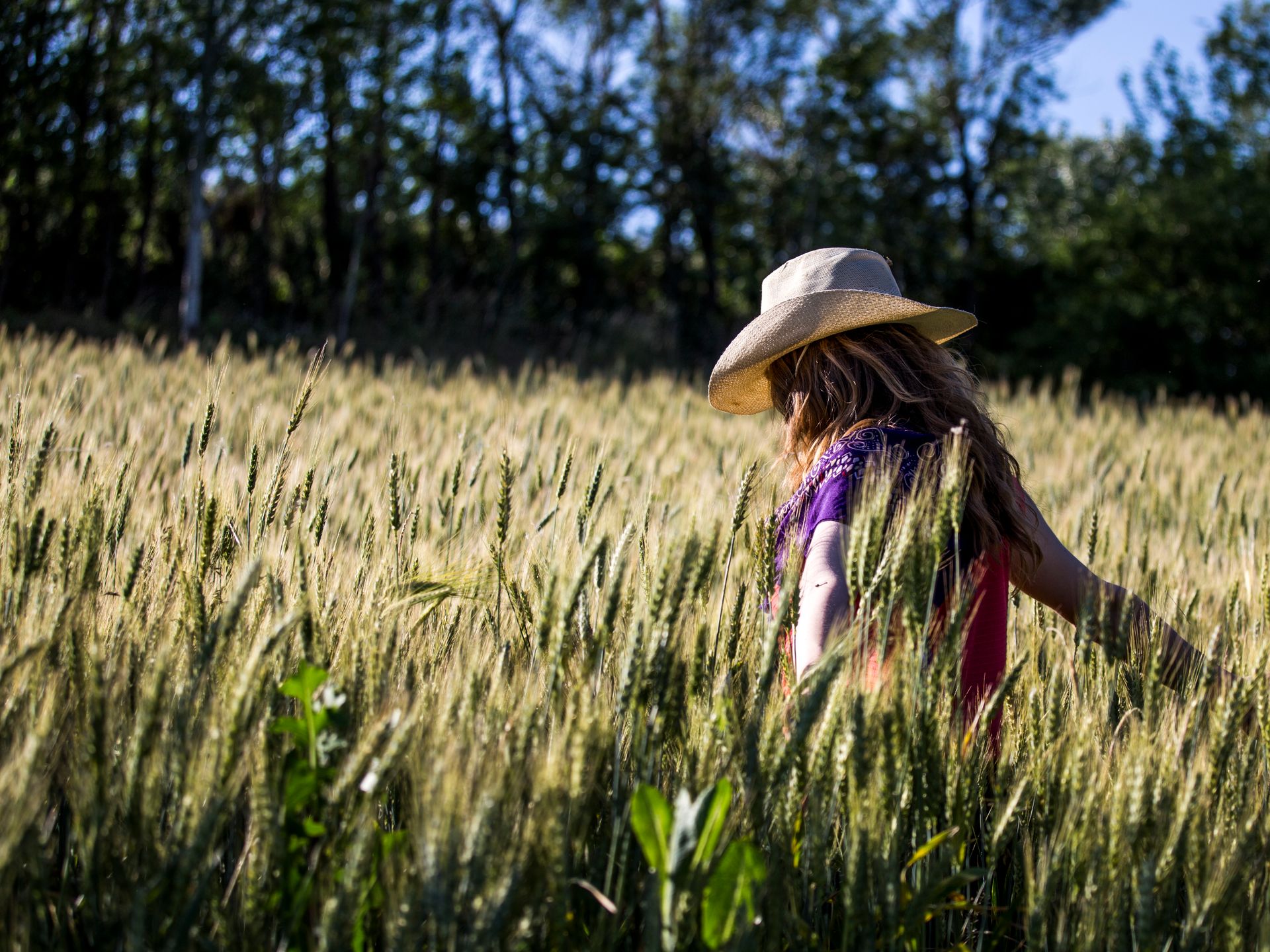
Crop farmers regularly walk through their fields to monitor plant health.
They look for signs of pests, disease, nutrient deficiencies, water stress, weeds, and weather damage.
Farmers may also inspect soil moisture and irrigation systems.
Regular field checks allow farmers to identify problems early.
For example, discovering a blocked irrigation line early can prevent a section of crops from experiencing unnecessary water stress.
Managing Irrigation
Water management becomes especially important during dry periods.
Farmers may inspect pumps, pipes, sprinklers, drip lines, tanks, and other irrigation equipment.
They consider recent rainfall, soil moisture, weather conditions, and crop requirements before deciding whether to irrigate.
Efficient irrigation helps farmers provide crops with adequate moisture while reducing unnecessary water use.

Managing Weeds and Pests
Farmers spend significant time protecting crops from competition and damage.
They may remove weeds manually, mechanically, or through other appropriate management methods.
At the same time, they monitor crops for insects and diseases.
Rather than automatically treating every insect, responsible farmers identify pests and assess the level of damage before choosing a control method.
Integrated pest management can combine crop rotation, resistant varieties, beneficial organisms, physical barriers, and targeted treatments when necessary.
Harvesting Crops
During harvest season, much of the working day may focus on collecting crops.
Farmers need to harvest produce at appropriate stages of maturity and handle it carefully to prevent unnecessary damage.
Depending on the crop and farm size, harvesting may involve hand tools, machinery, or a combination of methods.
Once crops leave the field, farmers must quickly move them into appropriate storage, processing, or transportation systems.
Good post-harvest handling can significantly affect the quality and value of farm products.
Maintaining Farm Equipment
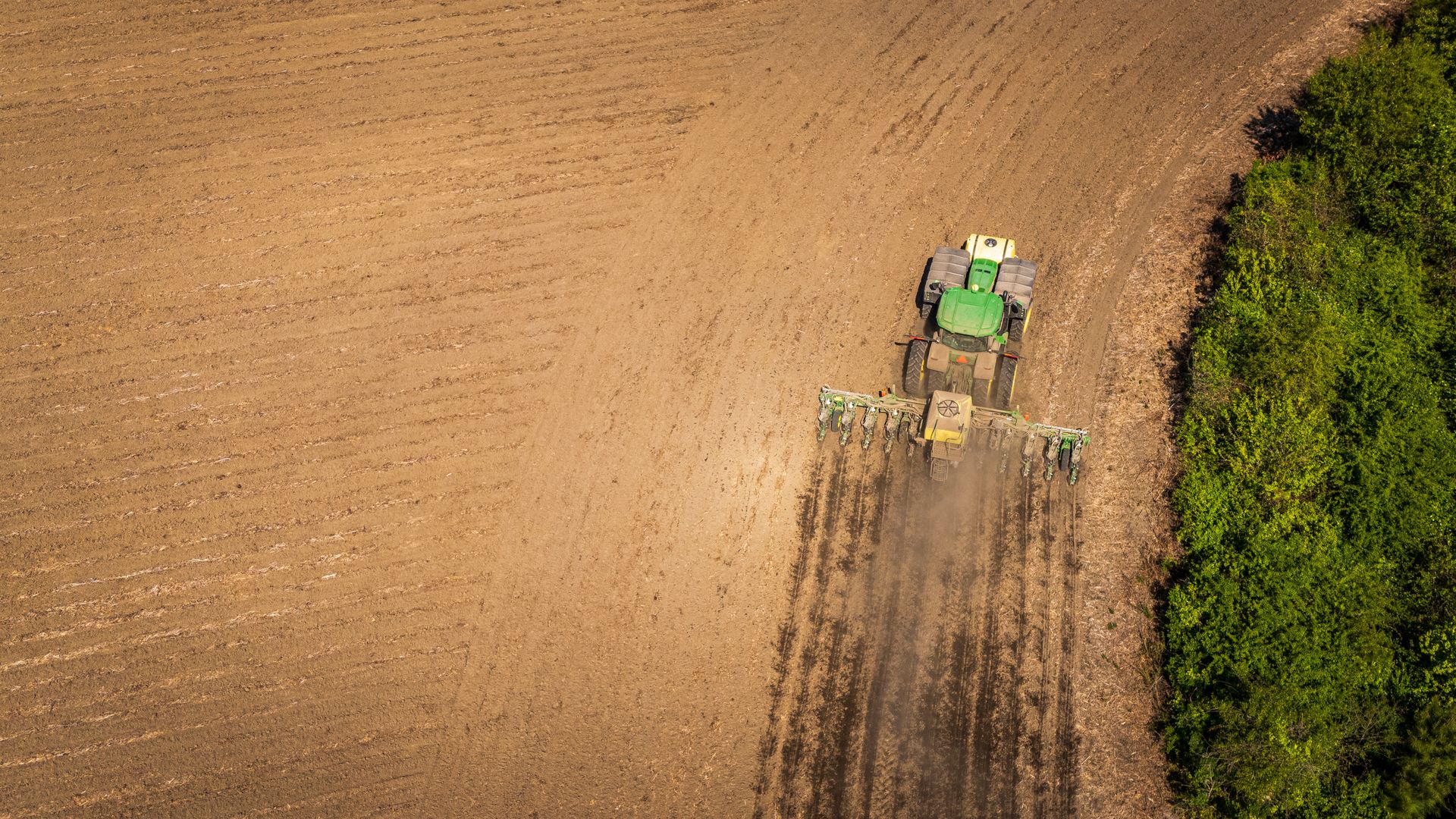
Farmers rely on tools and machinery to complete many jobs efficiently.
Throughout the day, they may clean equipment, inspect machinery, repair minor problems, or prepare tools for upcoming tasks.
Regular maintenance can prevent small mechanical issues from becoming expensive breakdowns.
Farmers may also sharpen tools, check tires, inspect irrigation components, and maintain storage areas.
Good equipment management helps keep farm operations running smoothly.
Managing Farm Records
Modern farming involves considerable administrative work.
Farmers may record crop yields, livestock numbers, feed use, fertilizer applications, irrigation, pest problems, expenses, sales, and other information.
These records help farmers understand how their operation performs.
For example, comparing input costs with crop yields can help identify which crops provide the strongest financial returns.
Good records also support better planning for future seasons.
Handling Farm Business Tasks
Farming is also a business.
Farmers may spend part of their day communicating with customers, suppliers, workers, transport providers, veterinarians, agricultural specialists, or other professionals.
They may order seeds, animal feed, fertilizer, equipment parts, packaging, or other supplies.
Commercial farmers may also negotiate sales and organize transportation for their products.
These responsibilities can take significant time, particularly during busy seasons.
Responding to Weather
Weather influences almost every aspect of farming.
A farmer may need to change the day’s plans because of heavy rain, extreme heat, strong winds, drought, or an approaching storm.
For example, rain may delay fieldwork while creating an opportunity to focus on equipment maintenance or administrative tasks.
Farmers regularly monitor weather forecasts and field conditions so they can make timely decisions.
Taking a Short Break
Although farm work can be demanding, farmers need time to rest and refuel.
A short meal or rest period can provide an opportunity to review the day’s progress and adjust priorities.
However, on busy harvest or livestock days, breaks may be brief.
Good time management helps farmers complete essential work without unnecessarily exhausting themselves.
Preparing for the Next Day
Before finishing for the day, farmers often check that animals have adequate care and that essential equipment and facilities are secure.
They may prepare tools, organize supplies, inspect storage areas, and make notes about tasks that need attention tomorrow.
Planning ahead can make the following morning more efficient.
Farmers also need to consider longer-term priorities, such as planting schedules, maintenance projects, market orders, and upcoming weather conditions.
Evening Farm Checks
Some farms require another round of checks in the evening.
Livestock may need additional feeding or inspection, irrigation systems may need monitoring, and certain crops may require attention during specific stages of production.
These final checks help farmers identify problems before the workday ends.
For livestock farmers in particular, regular observation can be essential to maintaining animal health and welfare.
The Seasonal Nature of Farming
A farmer’s daily routine changes throughout the year.
Planting season can involve intensive soil preparation and seeding.
Growing seasons often require weed control, irrigation, pest monitoring, and crop maintenance.
Harvest season can bring long working hours as farmers race to collect crops at the right time.
During quieter periods, farmers may focus more heavily on equipment maintenance, planning, soil improvement, repairs, and preparation for the next season.
The Rewards and Challenges
Farming can be physically demanding and unpredictable.
Farmers face challenges such as changing weather, pests, equipment failures, fluctuating market prices, and rising input costs.
Nevertheless, farming also offers meaningful rewards.
Farmers can work with the land, produce food, care for animals, build practical skills, and contribute to their communities.
Seeing a healthy crop develop from seed to harvest can provide a strong sense of accomplishment.
Final Thoughts
A day in the life of a farmer involves much more than working in a field. Farmers balance crop production, livestock care, equipment maintenance, resource management, business decisions, and long-term planning.
Every farm has its own routine, and each season brings different priorities.
Although farming can be challenging, careful planning, hard work, observation, and adaptability help farmers manage the demands of agricultural life.
From the first morning field check to the final evening livestock inspection, each day contributes to the larger goal of producing healthy food while caring for the land and resources that make farming possible.