


Creating a thriving garden starts with understanding the basics. This beginner home garden guide shares practical lessons inspired by farming methods used to support healthy plants, strong growth, and productive harvests.
You do not need years of experience or a large piece of land to grow successfully. With careful planning, good soil preparation, and consistent care, anyone can create a productive garden space.
At Stoney Creek Farm, successful growing begins with respecting natural processes. Farmers understand that healthy crops depend on the right conditions, thoughtful decisions, and regular attention.
The same principles can help home gardeners achieve better results. By applying simple farming techniques, beginners can develop stronger plants and enjoy the satisfaction of growing their own food.
Choosing the Right Location for Your Beginner Home Garden
The first step in creating a successful garden is selecting the right location. Plants need suitable conditions to grow, and location plays an important role in their development.
Professional farmers consider several factors before planting. Home gardeners should use the same approach when choosing their garden space.
Important location considerations include:
- Amount of sunlight available
- Access to water
- Protection from strong winds
- Soil conditions
- Available space
Most vegetables require several hours of sunlight each day. Therefore, a bright area with consistent light is often a good starting point.
However, sunlight is not the only factor. A convenient location makes regular maintenance easier because you are more likely to check plants and provide care.
Moreover, placing a garden near your home can encourage consistency. Frequent observation helps identify problems early.
This beginner home garden approach follows the same idea used on farms. Farmers monitor their fields regularly because small changes can affect future growth.
Preparing Healthy Soil Before Planting
Healthy soil is the foundation of every successful garden. Plants rely on soil for nutrients, support, and access to water.
At Stoney Creek Farm, soil health is treated as a long-term investment. The same principle applies to home gardens.
Before planting, beginners should focus on improving soil quality.
Useful soil preparation steps include:
- Removing weeds and debris
- Adding compost or organic matter
- Checking drainage
- Loosening compacted soil
- Creating suitable planting areas
Furthermore, good soil preparation creates better growing conditions. Plants can develop stronger roots and access essential nutrients more easily.
Compost is especially valuable because it returns organic material to the soil. It helps improve structure while supporting natural soil activity.
However, soil improvement takes time. A productive garden is built through ongoing care rather than one quick adjustment.
This beginner home garden guide follows an important farming lesson: healthy soil creates healthier plants.
Selecting Suitable Plants for Your Garden
Choosing the right plants can make the difference between frustration and success. Beginners often benefit from starting with crops that match their environment and experience level.
Farmers carefully select crops based on seasons, conditions, and available resources. Home gardeners should consider similar factors.
Before choosing plants, think about:
- Local climate conditions
- Growing seasons
- Available garden space
- Personal preferences
- Maintenance requirements
Easy-to-grow options often include herbs, leafy greens, tomatoes, and certain vegetables.
Additionally, selecting seasonal plants can improve results. Crops usually perform better when planted during suitable growing periods.
Moreover, growing food you enjoy encourages motivation. A garden becomes more rewarding when you can use the harvest in everyday meals.
The beginner home garden journey should focus on learning. Start with a manageable number of plants and expand as confidence grows.
Watering Strategies for Healthy Plant Growth
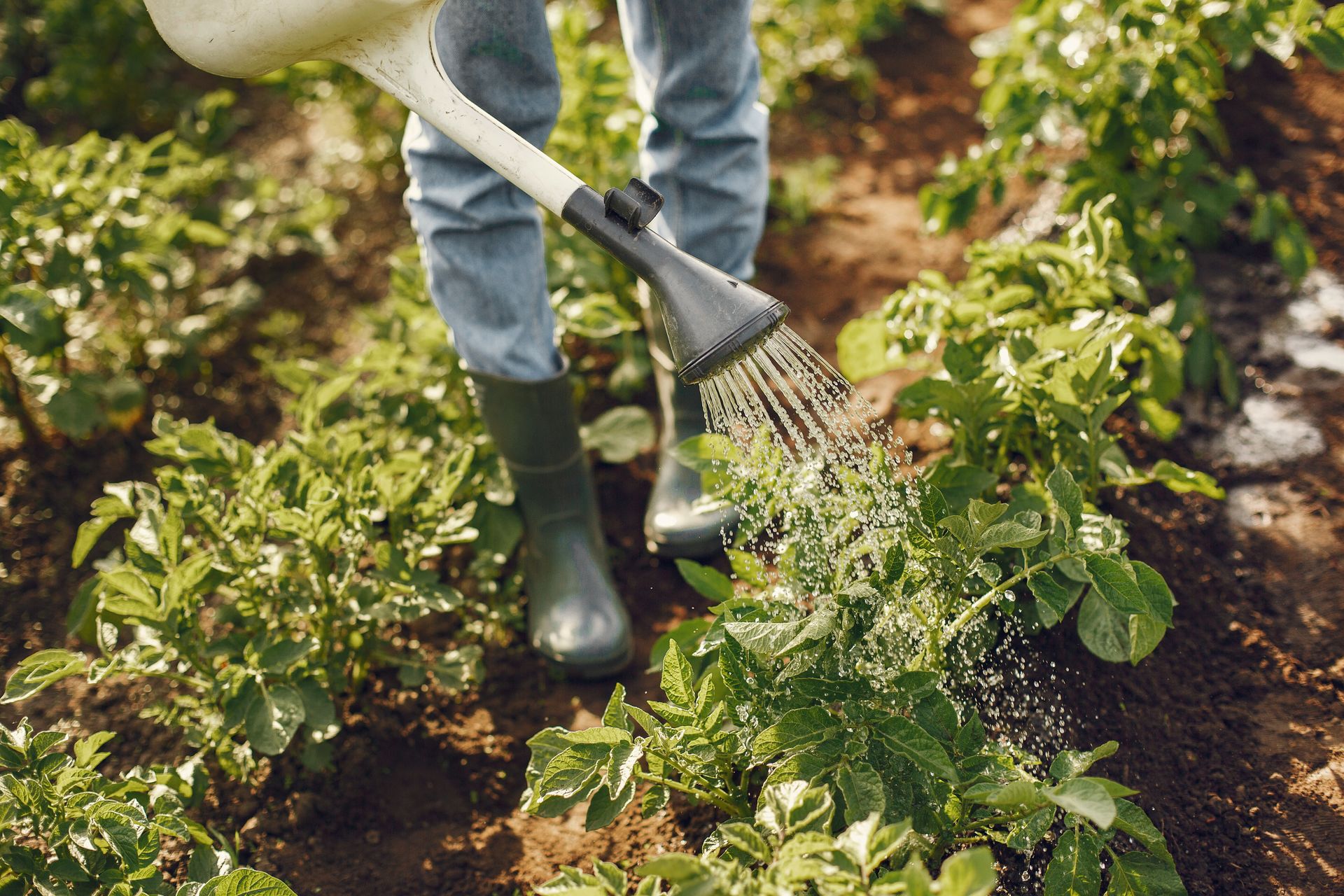
Water management is one of the most important parts of gardening. Too little water can stress plants, while too much can damage roots.
Farmers carefully monitor water needs, and home gardeners can apply the same careful approach.
Effective watering strategies include:
- Watering consistently
- Checking soil moisture
- Avoiding unnecessary watering
- Directing water toward plant roots
- Adjusting based on weather conditions
Moreover, watering in the early morning or later in the day can help reduce water loss.
However, every plant has different needs. Some crops prefer consistently moist soil, while others tolerate drier conditions.
Therefore, observation is essential. Healthy plants often provide clues through their leaves, growth patterns, and overall appearance.
A successful beginner home garden depends on understanding these signals.
Farm practices show that efficient water use supports both plant health and responsible resource management.
Managing Garden Pests Naturally
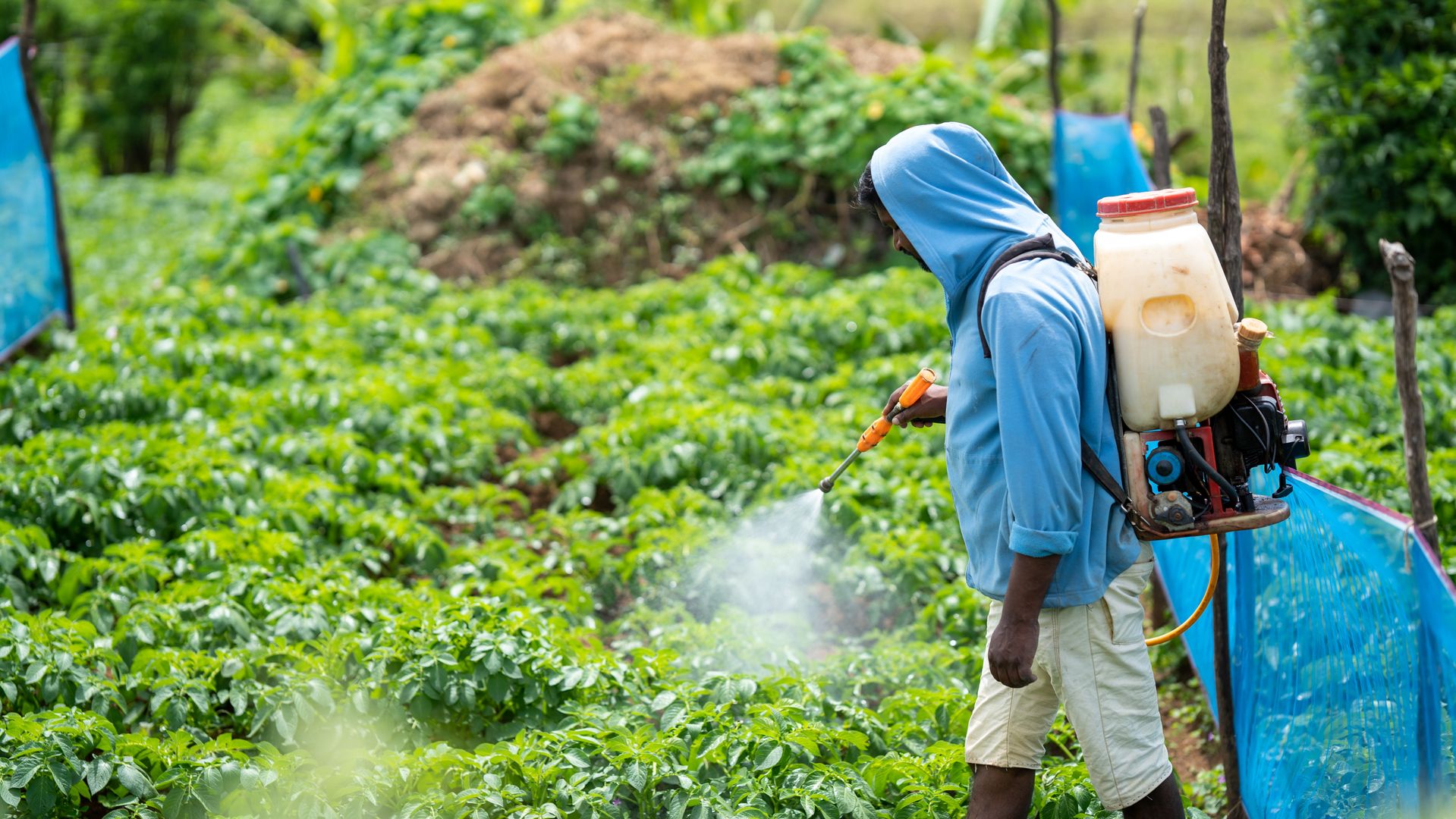
Pests are a common challenge for gardeners. However, natural approaches can help protect plants while maintaining a healthier growing environment.
Farmers often use observation and prevention as important tools. Home gardeners can follow the same approach.
Natural pest management methods include:
- Encouraging beneficial insects
- Removing damaged leaves
- Maintaining healthy plants
- Using protective barriers
- Rotating plant locations
For example, some insects help gardens by controlling unwanted pests. Creating a balanced environment can reduce problems naturally.
Additionally, strong plants are often better prepared to handle challenges. Healthy soil, proper watering, and suitable planting conditions all contribute to plant strength.
Therefore, prevention is usually better than reacting after problems appear.
This beginner home garden method focuses on working with nature rather than fighting against it.
Maintaining Healthy Growth Throughout the Season
Planting is only the beginning. Regular maintenance helps gardens remain productive throughout the growing season.
Farmers understand that successful crops require ongoing attention. Home gardeners can apply the same mindset.
Regular garden care may include:
- Removing weeds
- Monitoring plant health
- Supporting growing plants
- Adding nutrients when needed
- Harvesting at the right time
Furthermore, consistent care creates opportunities to learn. Each season teaches gardeners more about their plants and growing conditions.
Beginners should avoid expecting perfection. Every garden experiences challenges, and mistakes are part of the learning process.
The beginner home garden experience improves through patience and observation.
Over time, gardeners develop skills similar to farmers. They learn how plants respond to different conditions and how small changes can create better results.
Using Sustainable Gardening Practices at Home
Sustainability is an important part of modern agriculture. Many farming principles can be adapted for home gardens.
Sustainable gardening focuses on protecting resources and creating healthier growing systems.
Simple sustainable practices include:
- Composting kitchen scraps
- Collecting rainwater when possible
- Reusing garden materials
- Protecting soil quality
- Supporting biodiversity
Moreover, sustainable methods reduce waste and encourage responsible habits.
At Stoney Creek Farm, caring for the land supports long-term productivity. Home gardeners can create similar benefits on a smaller scale.
A sustainable beginner home garden does not require complicated equipment. Small changes can make a meaningful difference.
The goal is to create a garden that works with natural systems.
Learning From Farm Planning Techniques
Professional farmers succeed because they plan carefully. They consider seasons, resources, and future needs before making decisions.
Home gardeners can use similar planning methods.
Before each growing season, consider:
- What plants performed well previously
- Which areas need improvement
- How much space is available
- What resources are needed
- What goals you want to achieve
Additionally, keeping simple notes can improve future results. Record planting dates, harvest times, and challenges.
This information becomes valuable over time.
The beginner home garden journey becomes easier when decisions are based on experience.
Farmers build knowledge season after season. Home gardeners can do the same through careful observation.
Creating a Strong Connection With Nature
Gardening offers more than fresh produce. It creates a closer relationship with natural processes.
Watching seeds grow, observing seasonal changes, and caring for plants can provide meaningful experiences.
A garden encourages people to slow down and notice details.
Benefits of gardening include:
- Learning patience
- Spending time outdoors
- Understanding food production
- Creating sustainable habits
- Enjoying natural surroundings
Furthermore, gardening connects people with the effort behind food production.
At Stoney Creek Farm, agriculture represents a relationship between people, plants, and the environment.
A beginner home garden brings that same connection into everyday life.
Growing Confidence Through Every Season
Every successful gardener starts as a beginner. The most important step is simply starting.
A garden does not need to be large to be valuable. A few healthy plants can provide valuable lessons and rewarding experiences.
As skills improve, gardeners can experiment with new crops, techniques, and ideas.
The beginner home garden journey develops through practice. Each season creates new opportunities to learn and improve.
Small successes build confidence. A first harvest, a healthy plant, or a successful growing season can create lasting motivation.
Bringing Farm Lessons Into Your Home Garden
Growing a successful garden requires many of the same principles used on farms. Careful planning, healthy soil, proper watering, and regular attention all contribute to better results.
The beginner home garden experience becomes more rewarding when it follows these practical lessons.
Stoney Creek Farm demonstrates that successful growing starts with respect for the land and commitment to quality.
By applying farm-inspired techniques at home, anyone can create a healthier relationship with food and nature.
Whether you have a backyard garden or a few containers, every growing space has potential.
With patience, knowledge, and consistent care, your garden can become a place of growth, learning, and connection.