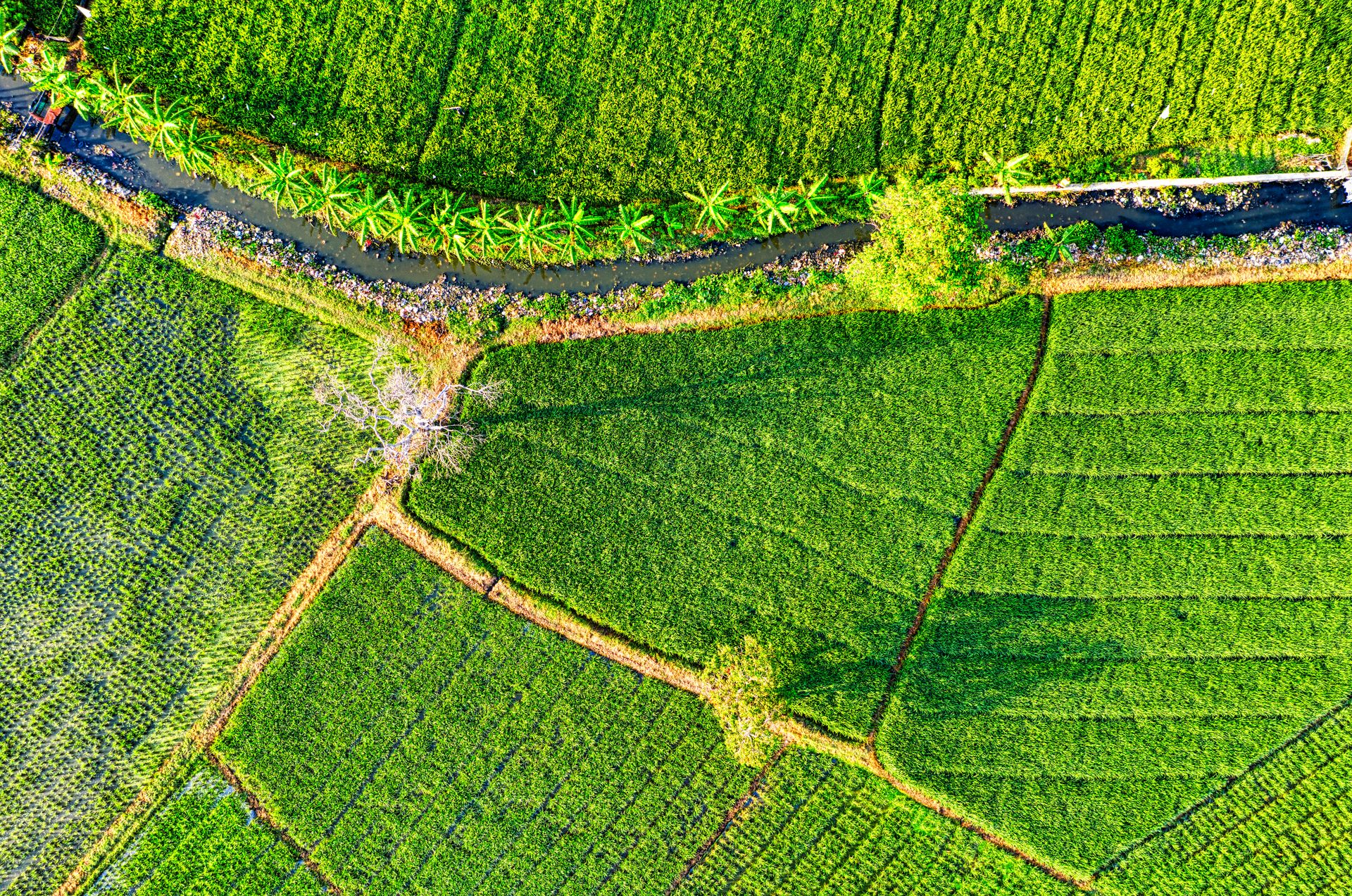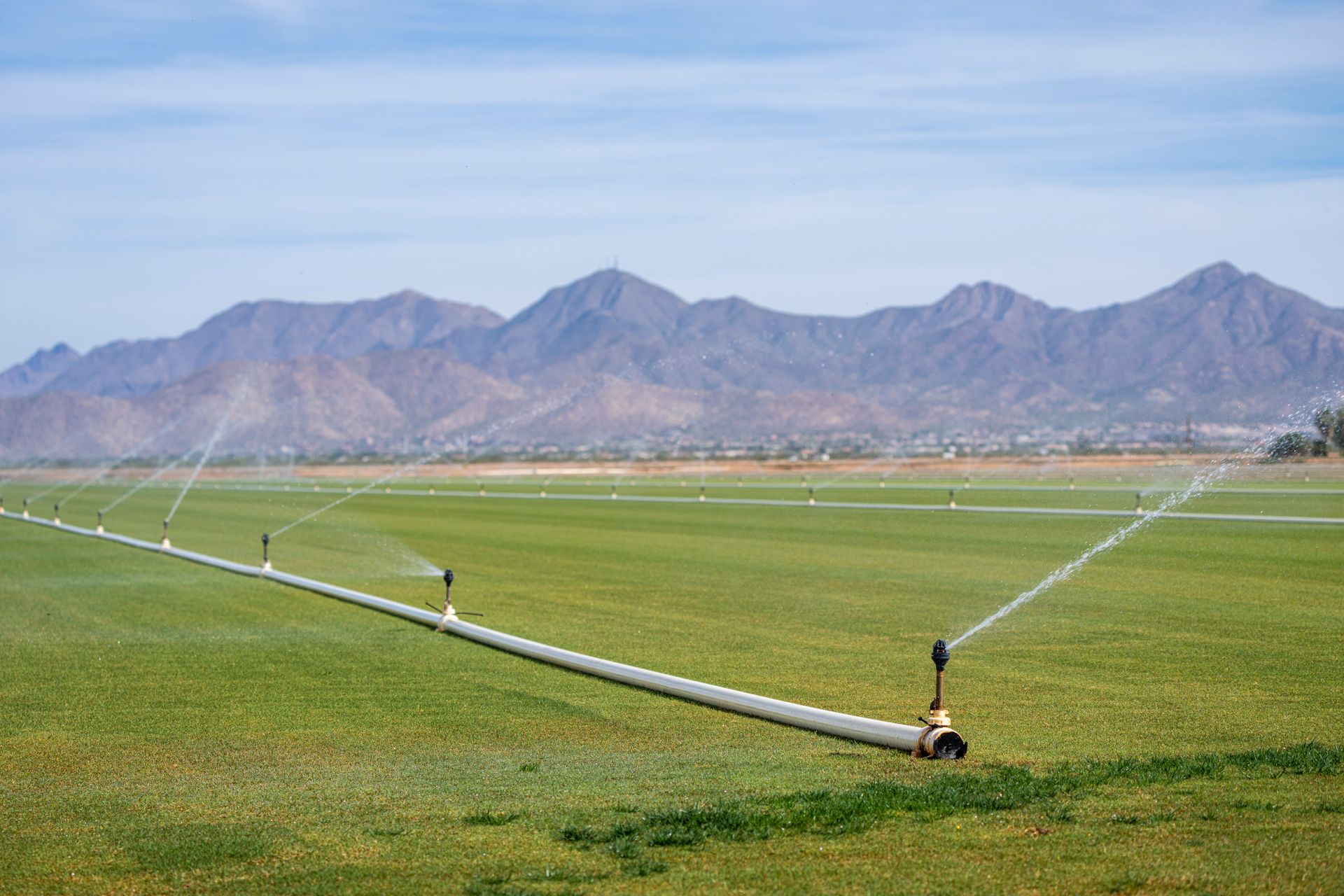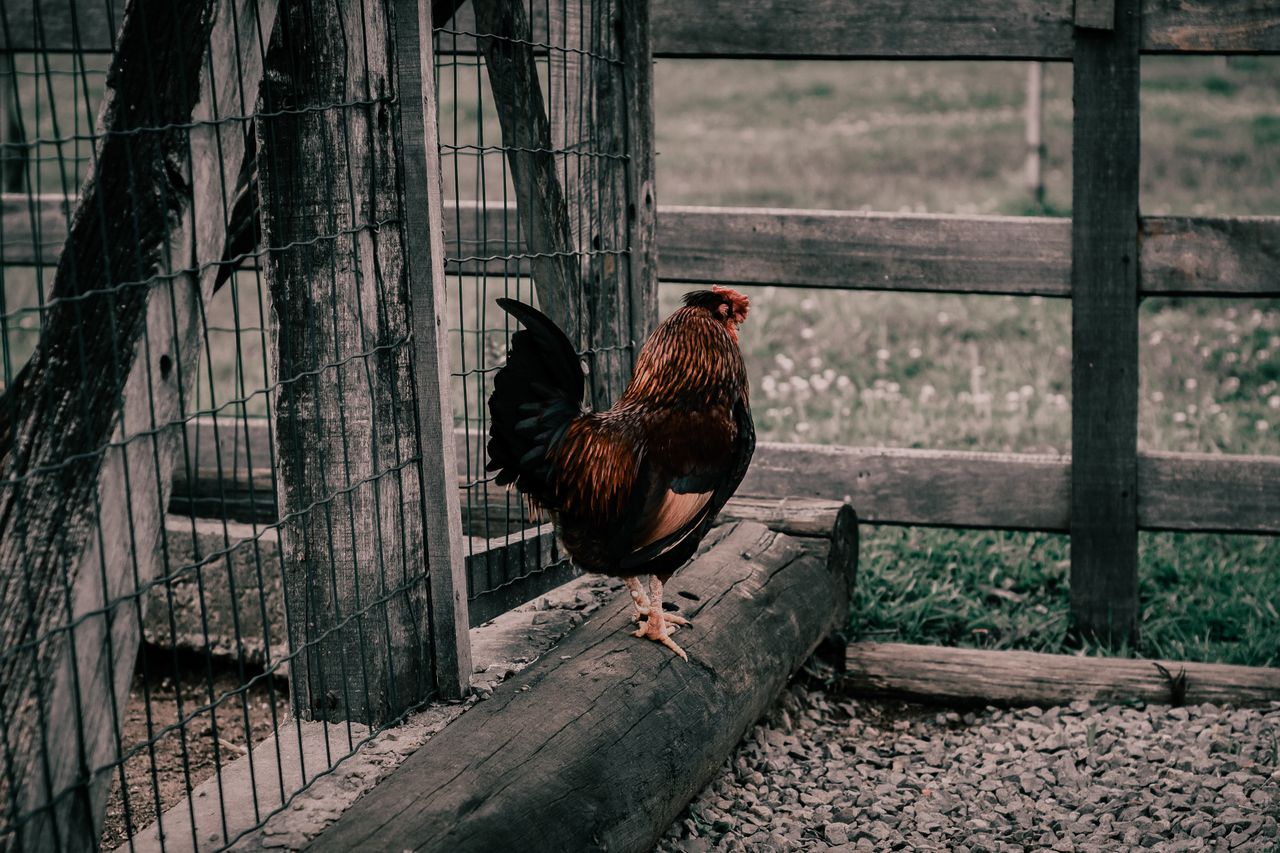
Homesteading has become an appealing lifestyle for people who want to grow their own food, develop practical skills, reduce waste, and become more self-reliant. However, starting a homestead does not mean you need a large farm, expensive equipment, or years of experience.
With careful planning and realistic goals, beginners can gradually build a productive homestead that suits their land, budget, time, and lifestyle.
This beginner’s guide to homesteading explains the basic steps to help you get started and develop useful skills over time.
Understand What Homesteading Means
Homesteading means producing more of what you need while developing greater independence from outside resources.
For some people, homesteading involves a large rural property with livestock and extensive gardens. For others, it may simply mean growing vegetables, keeping chickens, preserving food, and making useful household products.
Therefore, there is no single way to become a homesteader.
Start by deciding what self-sufficiency means to you. Your goals will determine how much land, equipment, money, and time you need.
Start With Clear Goals
Before buying tools or animals, make a simple plan.
Ask yourself what you want to produce. Perhaps you want fresh vegetables, eggs, herbs, fruit, honey, or preserved foods.
Next, consider how much time you can realistically spend maintaining your homestead.
If you work full-time, start with manageable projects. You can always expand later.
Setting clear priorities prevents you from taking on too many projects at once.
Evaluate Your Land
If you already have land, study it carefully before deciding what to grow.
Observe sunlight, soil type, drainage, slopes, water availability, wind exposure, and existing vegetation.
A garden that receives adequate sunlight may produce better results than one placed in a shaded area.
Likewise, livestock areas require appropriate space, fencing, shelter, water, and waste-management plans.
If you rent or live on a small property, focus on projects that fit your available space.
Start a Small Garden
A vegetable garden is one of the easiest ways for beginners to start homesteading.
Choose crops that suit your climate and growing season. Begin with a few reliable vegetables rather than planting dozens of varieties.
Leafy greens, beans, tomatoes, onions, herbs, and other locally suitable crops can provide useful starting points.
Prepare the soil, plant at appropriate times, provide adequate water, and monitor plants regularly.
As your experience grows, you can gradually expand the garden.
Learn About Soil Health
Healthy soil supports productive gardens.
Before planting extensively, learn about your soil’s texture, drainage, fertility, and pH.
Compost and other suitable organic materials can improve soil structure and provide nutrients.
Crop rotation, mulching, cover crops, and reduced soil disturbance can also contribute to long-term soil health.
Most importantly, avoid adding large amounts of fertilizer or soil amendments without understanding what your soil actually needs.
Consider Raising Chickens
Chickens can be a practical addition to some homesteads.
They can provide eggs and manure while also offering an opportunity to learn basic animal-care skills.
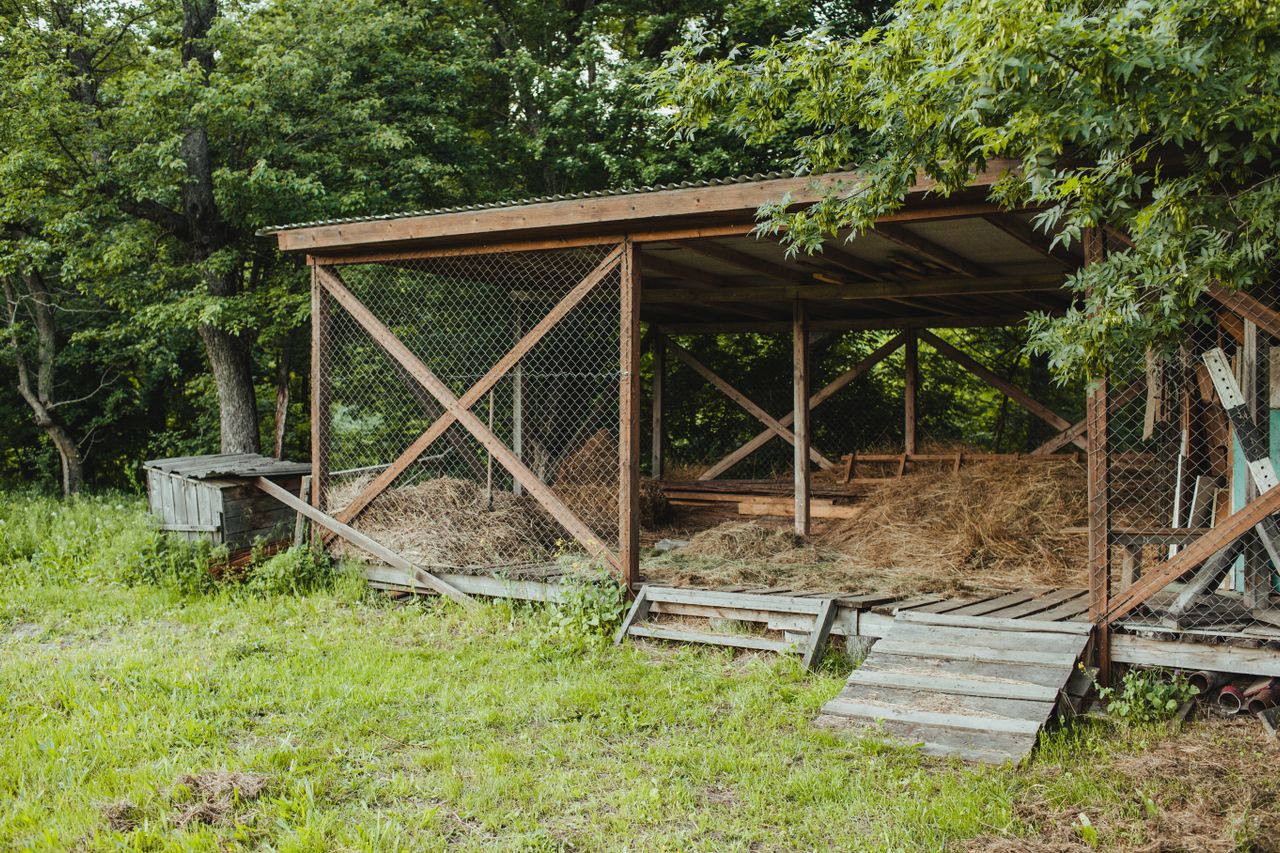
However, chickens require more than a simple coop. You need secure housing, clean water, appropriate feed, protection from predators, adequate ventilation, and regular cleaning.
Before buying birds, check local regulations and make sure you can provide proper care throughout the year.
Start with a manageable flock rather than purchasing more animals than you can comfortably maintain.
Learn Food Preservation
Growing food is only part of homesteading. Learning how to preserve surplus harvests can help you use more of what you produce.
Depending on the food and your local conditions, preservation methods can include drying, freezing, fermentation, pickling, and other appropriate techniques.
Always use reliable food-preservation methods and tested instructions, particularly for foods that require precise processing conditions.
Safe preservation protects both your food and your household.
Build a Compost System
Composting can turn suitable organic waste into a useful soil amendment.
Fruit and vegetable scraps, leaves, grass clippings, and other appropriate materials can contribute to a compost pile or bin.
Maintain a suitable balance of materials, moisture, and airflow.
Avoid adding materials that may attract pests or create health problems.
Finished compost can improve garden soil and reduce the amount of organic waste sent to landfills.
Learn Basic Repair Skills
Homesteading often involves maintaining tools, fences, structures, irrigation systems, and equipment.
Learning basic repair skills can save money and reduce dependence on outside services.
Start with simple tasks such as maintaining hand tools, repairing small fences, tightening fittings, or fixing basic irrigation components.
Do not attempt dangerous electrical, structural, or mechanical repairs without appropriate knowledge and professional help.
Manage Water Wisely
Reliable water is essential for both gardens and livestock.
Plan how you will collect, store, and distribute water before expanding your homestead.
Efficient irrigation methods can reduce water waste in gardens.
Rainwater collection may also be useful where legally permitted and appropriate, although collected water should be used according to local regulations and safety requirements.
During dry periods, prioritize water for essential crops and animals.
Keep Homesteading Records
Record what you plant, when you plant it, how much you harvest, and which methods work well.
For livestock, keep records of feeding, health, breeding, vaccinations where applicable, and other important information.
These records can help you identify successful practices and avoid repeating mistakes.
Over time, your notes become a valuable guide specifically tailored to your property.
Learn One Skill at a Time
Homesteading includes many skills, from gardening and animal care to cooking, preservation, carpentry, and basic maintenance.
Trying to learn everything at once can quickly become overwhelming.
Instead, choose one skill and practice it until you become comfortable.
For example, start with vegetable gardening. Once you understand planting and harvesting, learn food preservation. Then consider adding chickens or another suitable project.
Gradual learning makes homesteading more enjoyable and sustainable.
Control Your Costs
Homesteading can save money in some areas, but it can also become expensive if you purchase unnecessary equipment or take on too many projects.
Create a budget before making major investments.
Reuse suitable materials, repair equipment when practical, and buy tools that serve multiple purposes.
However, do not sacrifice safety or animal welfare simply to reduce costs.
Invest in essential equipment when it provides clear long-term value.
Build a Sustainable Routine
A successful homestead depends on consistent maintenance.
Create simple routines for watering plants, checking fences, feeding animals, collecting eggs, managing compost, and inspecting equipment.
Small tasks completed regularly are easier to manage than large problems left unattended.
Furthermore, leave room for rest. Homesteading should improve your lifestyle rather than become an unmanageable source of stress.
Final Thoughts
This beginner’s guide to homesteading shows that you do not need to become completely self-sufficient overnight. Start with realistic goals, understand your land, grow a small garden, learn basic preservation, and gradually develop additional skills.
As you gain experience, you can expand into livestock, larger gardens, food preservation, composting, repairs, and other projects.
The most successful homesteaders focus on steady progress rather than perfection. By starting small, learning from each season, managing resources carefully, and building practical skills over time, you can create a homestead that fits your needs and lifestyle.