Harvest season planning involves far more than collecting mature crops from the field. Long before farmers begin harvesting, they inspect equipment, organize workers, assess crop maturity, prepare storage facilities, and arrange transportation. Every decision matters because delays can quickly turn a promising harvest into a costly loss. Behind every successful harvest stands careful coordination, practical experience, and attention to detail.
Preparing Before the Harvest
Farmers begin preparing for harvest weeks or even months in advance. They monitor crop development and watch for signs that plants have reached the appropriate maturity. At the same time, they examine machinery and organize the people and supplies needed for the busiest period of the agricultural calendar.
Good harvest season planning starts with a realistic timeline. Farmers estimate when each field will become ready and determine which crops should receive priority. They also consider weather forecasts because rain, strong winds, or excessive heat can affect both harvesting conditions and crop quality.
Checking Farm Equipment
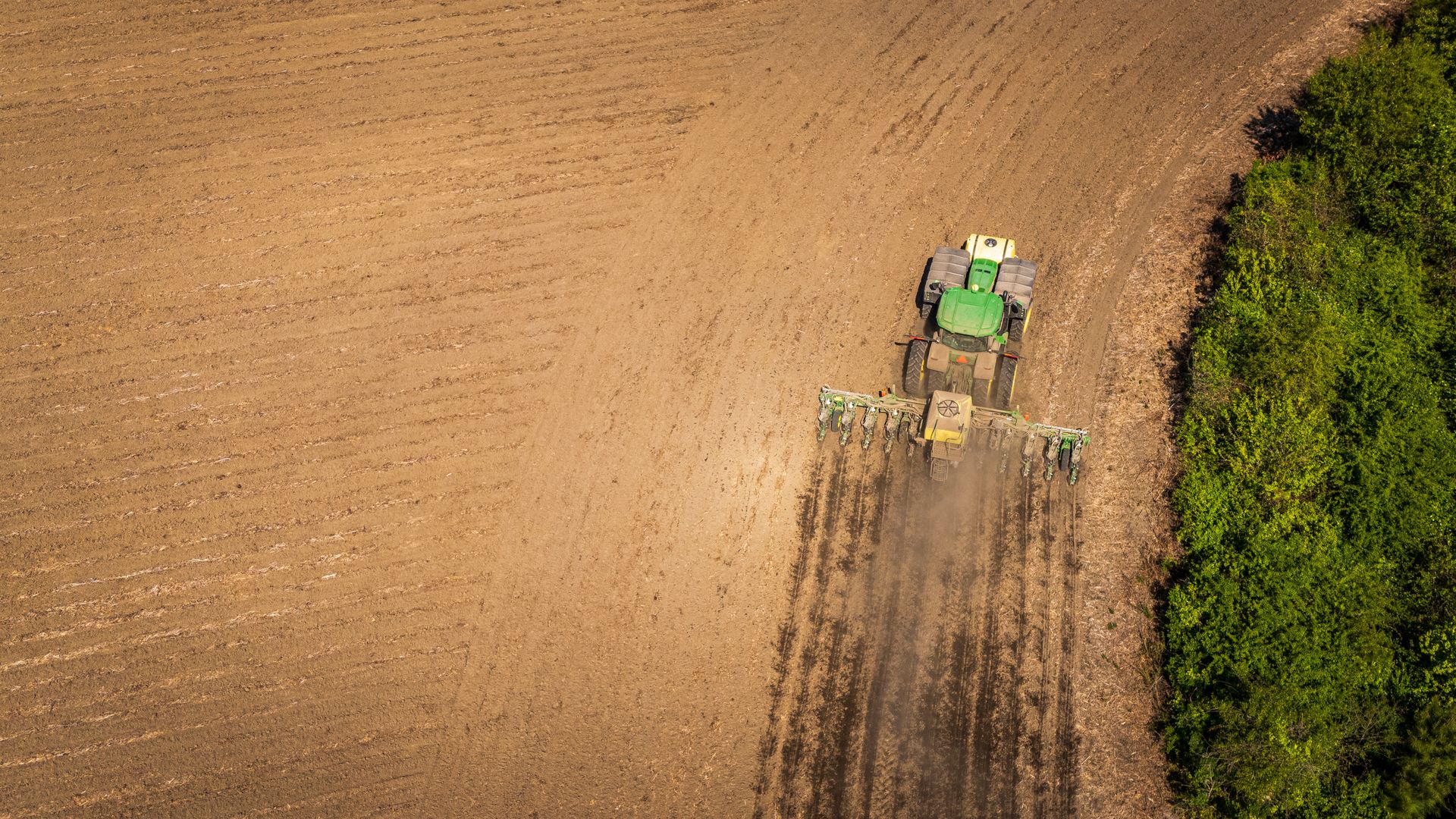
Harvest equipment must operate reliably when crops reach maturity. A mechanical problem during peak harvest can cause expensive delays, especially when unfavorable weather is approaching.
Before entering the field, farmers may:
-
Inspect harvesters, tractors, trailers, and other machinery.
-
Replace worn belts, blades, tires, or other components.
-
Check fuel supplies and lubricants.
-
Test safety systems.
-
Clean equipment to reduce contamination.
-
Arrange access to repair services and spare parts.
Preventive maintenance often costs less than dealing with a major breakdown during a narrow harvesting window.
Organizing the Workforce
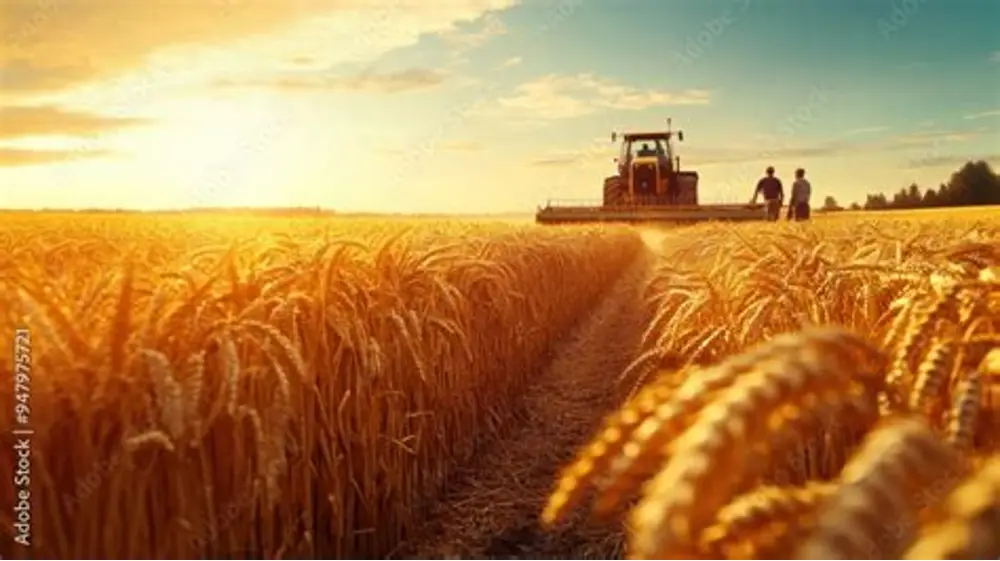
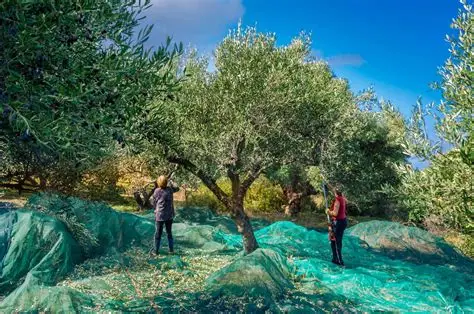
Harvesting requires coordinated labor. Depending on the farm and crop, workers may operate machinery, hand-pick produce, sort materials, load vehicles, manage storage, or perform quality checks.
Farm managers need to determine how many workers they require and when those workers should arrive. Clear responsibilities can prevent confusion once harvesting begins.
Furthermore, workers need appropriate training and safety instructions. Harvest machinery can create serious hazards, so everyone should understand operating procedures and remain aware of moving equipment.
Watching Crop Maturity
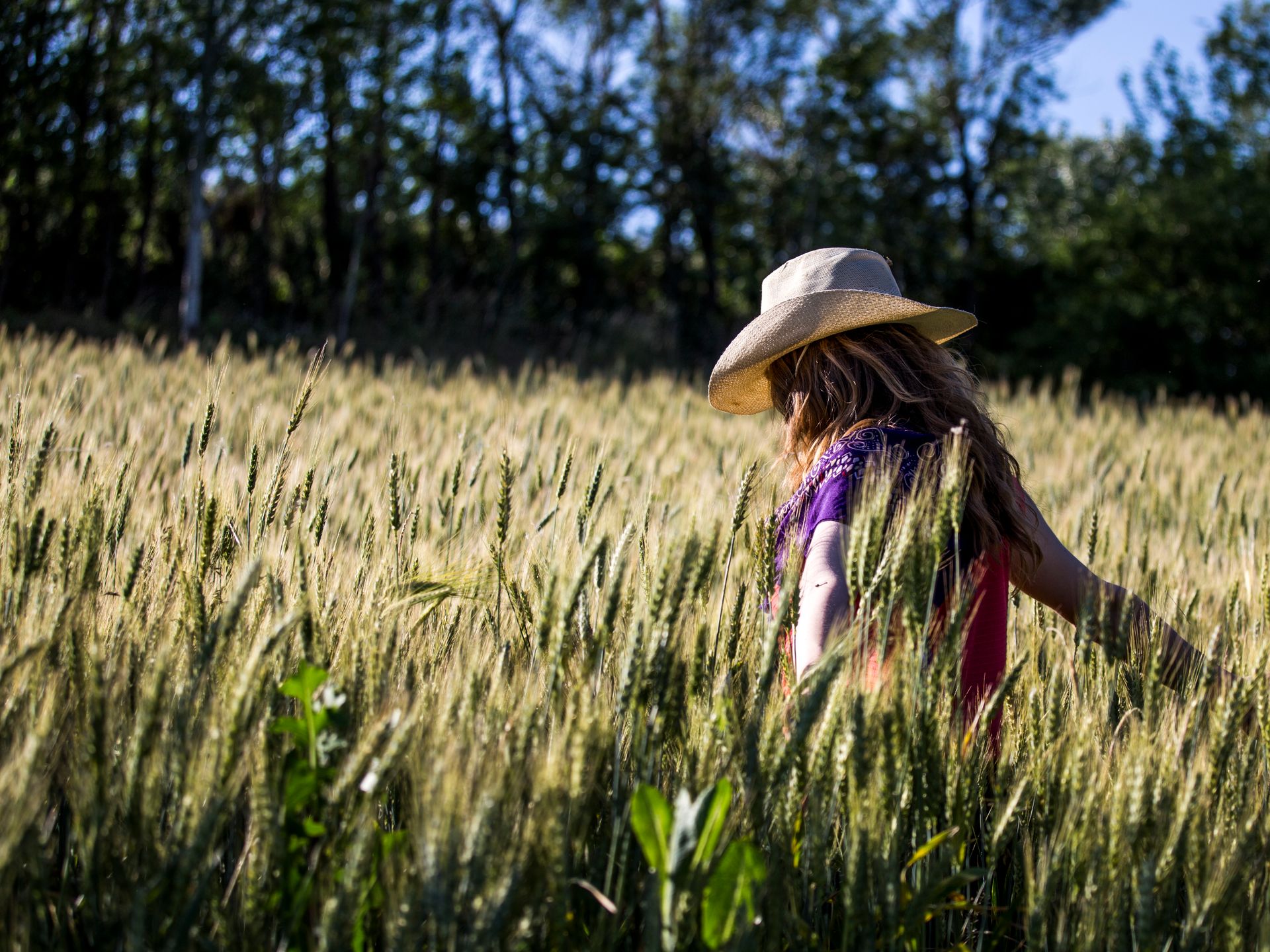
Farmers cannot rely on the calendar alone to determine when harvesting should begin. Crops mature according to variety, weather, soil conditions, and planting dates.
For grains, moisture content can influence the ideal harvest period. For fruits and vegetables, color, firmness, size, and other characteristics can indicate readiness.
Therefore, harvest season planning should include regular field inspections. Farmers who identify maturity changes early have more time to organize equipment, labor, transportation, and storage.
Managing Weather Challenges
Weather often determines how smoothly harvest operations proceed. Dry conditions may create ideal field access, while heavy rainfall can make machinery difficult to operate and increase the risk of crop damage.
Farmers monitor forecasts and prepare alternative schedules. If several fields are approaching maturity simultaneously, they may prioritize the crop most vulnerable to quality loss.
Flexible scheduling can make a significant difference. Rather than waiting until the last moment, farmers can prepare equipment and labor ahead of the expected harvest window.
Making Quick Decisions
Harvest teams sometimes need to change plans within hours. A sudden storm, equipment failure, or unexpected change in crop condition can force farmers to adjust their priorities.
This is why good harvest season planning leaves room for unexpected events. Backup equipment, alternative transport arrangements, and clear communication can help teams respond without losing valuable time.
Moving Crops From Field to Storage
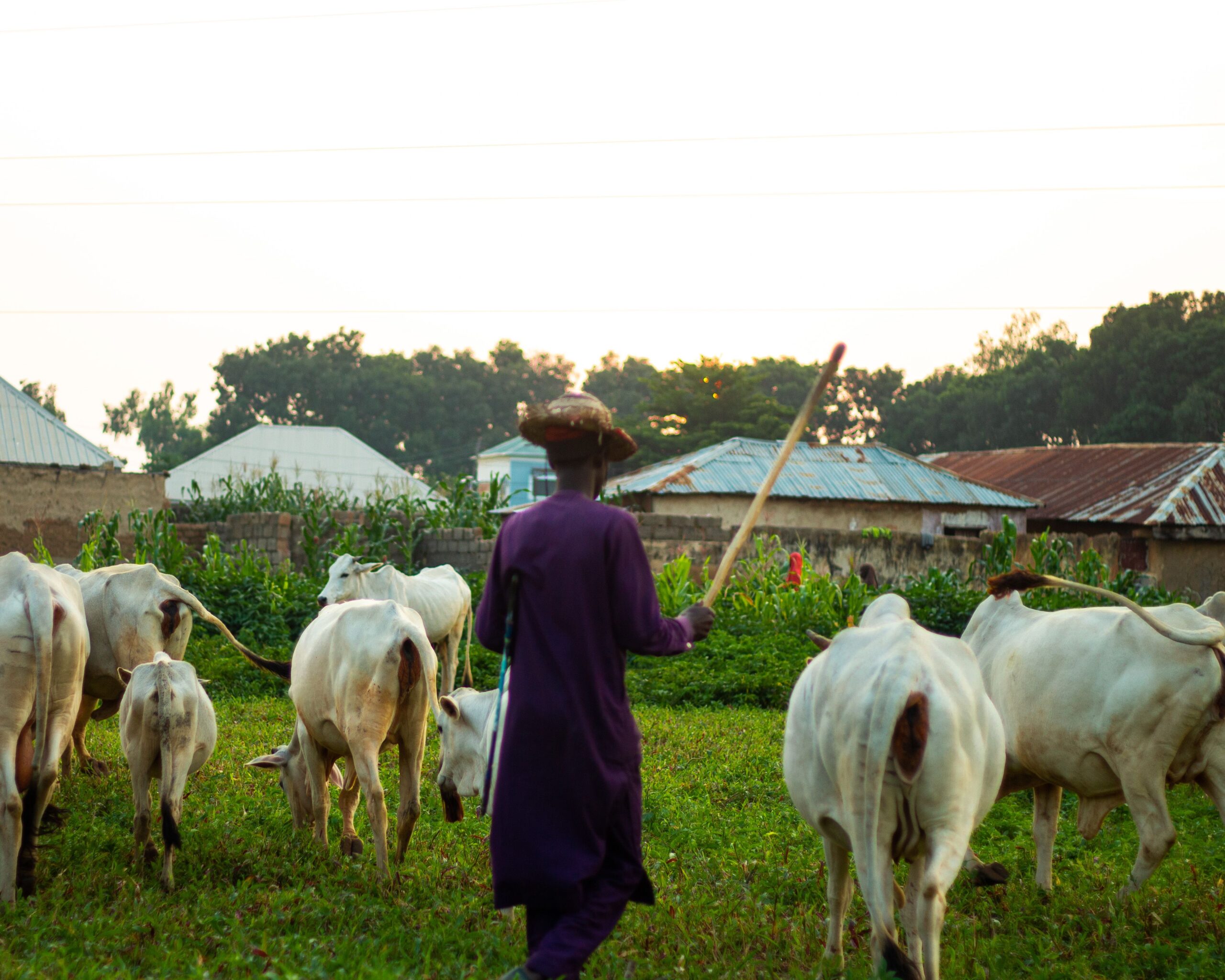
Harvesting does not end when crops leave the plants. Farmers must move produce quickly and safely to an appropriate storage or processing location.
Transportation requires careful coordination. Vehicles need to arrive at the right time, and loading areas must remain accessible. Delays can increase exposure to heat, moisture, pests, or physical damage.
For perishable crops, speed becomes especially important. Farmers may need to transport produce directly to markets, cooling facilities, processors, or other destinations.
Protecting Crop Quality
Quality management continues after harvesting. Farmers inspect crops for damage, contamination, disease, excessive moisture, or other problems before storage.
Proper storage conditions vary according to the crop. Some products require cool environments, while others need dry, well-ventilated spaces. Poor storage can allow pests and microorganisms to damage an otherwise successful harvest.
A strong harvest season planning system therefore connects field operations with post-harvest handling. Farmers should know where the crop will go before large quantities begin leaving the field.
Recording the Results
Harvest provides valuable information for future seasons. Farmers can record yields, harvesting dates, labor requirements, equipment performance, storage losses, and selling prices.
These records reveal patterns that may not be obvious during daily operations. For example, one field may consistently produce better results when harvested earlier, while another may require different equipment settings.
Analyzing these results makes future harvest season planning more accurate and efficient.
The Business Side of Harvest
Harvest season also brings important financial decisions. Farmers must calculate production costs, transportation expenses, storage charges, labor costs, and expected returns.
Market conditions can influence whether farmers sell immediately or store crops for later. However, storage decisions should account for quality risks, available facilities, and potential price changes.
Careful financial planning helps farmers protect the value of their hard work instead of focusing solely on the quantity harvested.
Conclusion
Harvest season represents the culmination of months of preparation and hard work. Behind the scenes, farmers coordinate fields, machinery, workers, weather information, transportation, storage, and finances to protect both crop quality and profitability.
Effective harvest season planning transforms a demanding period into a more organized operation. With preparation, flexibility, and accurate record-keeping, farmers can respond to challenges quickly and learn from each season. Ultimately, a successful harvest depends not only on what happens in the field, but also on everything that happens before and after the crop leaves it.