A farm produce box can turn fresh harvests into a convenient package that customers can enjoy throughout the week. Whether you grow your own food or sell products from several local farms, a well-planned box should offer variety, quality, and practical quantities.
The best boxes do more than combine random fruits and vegetables. Instead, they provide a thoughtful selection that matches the season, customer preferences, and available produce. With careful planning, you can create boxes that look appealing, reduce waste, and encourage repeat purchases.
Start With a Clear Theme
Before selecting individual products, decide what your box should offer. A weekly family box might contain enough vegetables and fruits for several meals, while a smaller box could suit an individual or couple.
You can also create specialized options, such as:
-
Family vegetable boxes
-
Fruit-focused boxes
-
Breakfast produce boxes
-
Cooking ingredient boxes
-
Mixed seasonal boxes
-
Premium farm-fresh boxes
A clear theme helps customers understand what they are buying. It also makes your packing process more efficient.
Choose Fresh, Seasonal Produce
Seasonal food should form the foundation of a successful box. Produce harvested at the right stage can provide better flavor and freshness while helping you control costs.
Prioritize Quality
Inspect every item before packing. Remove products that show signs of rot, bruising, mold, or serious damage. Minor cosmetic imperfections may not always affect quality, but damaged produce can deteriorate quickly and affect other items.
Choose products that have similar storage requirements when possible. For example, highly delicate leafy vegetables may need different handling from firm root crops.
Create a Balanced Selection
Variety makes a box more attractive. Customers generally appreciate receiving several types of produce rather than large quantities of only one item.
Try to include a mixture of:
-
Leafy greens
-
Root vegetables
-
Fresh fruits
-
Cooking vegetables
-
Herbs
-
Seasonal specialties
Think about color as well. A combination of green, red, orange, yellow, and purple produce can make the box look more appealing.
Furthermore, consider how customers will use the food. A box containing tomatoes, onions, peppers, leafy greens, and herbs gives shoppers ingredients they can combine into several meals.
Plan Practical Portions
A farm produce box should provide enough food without creating unnecessary waste. Portion sizes should match the number of people the box is designed to serve.
For a family box, you might include larger quantities of staple vegetables and moderate amounts of specialty items. For smaller households, reduce quantities and emphasize products that remain fresh for longer.
Consider creating different sizes, such as:
-
Small box for one or two people
-
Medium box for a small family
-
Large box for larger households
Clearly explain the approximate contents and serving expectations so customers can choose confidently.
Add Useful Extras
Small additions can make a produce box more memorable. Depending on your business, you could include fresh herbs, homemade recipe cards, or information about the farms that supplied the food.
A simple card can explain how to use an unfamiliar vegetable or provide storage advice.
For example, you might include a quick recipe that uses several products from the same box. This approach encourages customers to use everything rather than allowing unfamiliar ingredients to go to waste.
Use Suitable Packaging
Packaging protects food during transportation and presentation. Select containers that provide adequate ventilation while keeping delicate products secure.
Avoid placing heavy vegetables on top of soft fruits or leafy greens. Instead, arrange the box strategically so that sturdier products form a stable base.
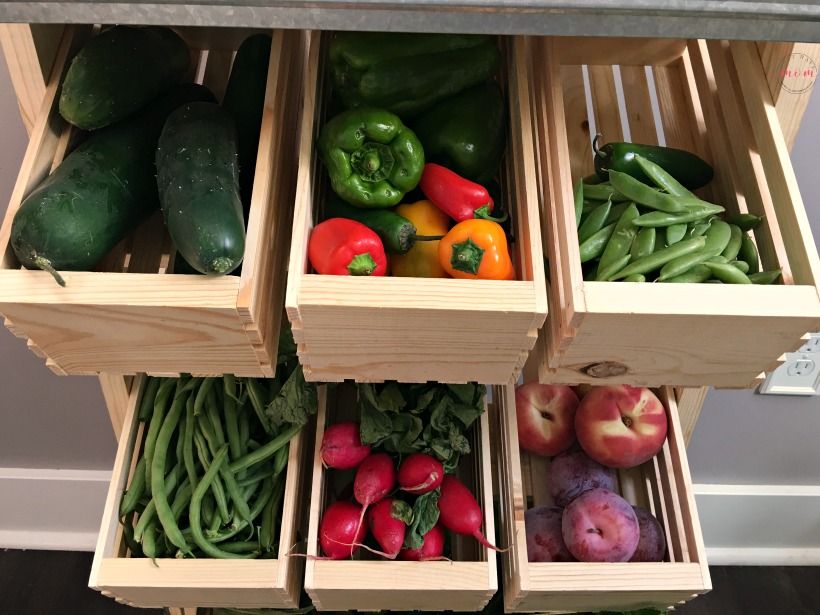
Keep Produce Organized
Separate items that can bruise easily. You can use paper, reusable dividers, or suitable food-safe packaging to prevent unnecessary contact.
Also, consider temperature requirements. Some produce needs refrigeration, while other items can suffer quality problems when stored too cold.
Include Storage Instructions
Customers may not know how to store every item correctly. Therefore, add simple storage guidance to your farm produce box.
For example, explain which products should be refrigerated, which should remain at room temperature, and which should be used first.
A short instruction sheet can include:
-
Recommended storage location
-
Expected freshness period
-
Items that should be used first
-
Simple preparation suggestions
-
Food safety reminders
This extra information improves the customer experience and can reduce avoidable food waste.
Keep the Contents Flexible
Seasonal availability can change quickly. Do not promise specific products unless you have reliable access to them.
Instead, communicate that the contents may vary according to harvest conditions. Customers will generally appreciate transparency when substitutions provide similar quality and value.
Flexibility also allows farmers to sell surplus produce rather than leaving it unused. If one crop becomes especially abundant, you can feature it creatively while maintaining overall variety.
Build Customer Trust
A successful farm produce box depends on consistency. Customers should know that they will receive fresh products, fair quantities, and clear information.
If you operate a local produce business, share information about where the food comes from. Customers often value knowing which farms produced their food and how it reached them.
You can also ask customers for feedback. Find out which products they enjoyed, which quantities worked well, and what they would like to see in future boxes.
Make Every Box Valuable
The strongest boxes combine freshness, variety, convenience, and thoughtful presentation. Rather than simply filling a container, consider how the products work together and how customers will use them throughout the week.
A well-designed farm produce box can introduce customers to seasonal foods, support local farmers, and make fresh eating more convenient. With careful selection, practical packaging, and good communication, you can turn each harvest into a useful and appealing experience.
Ultimately, farm produce box planning becomes easier when you understand your customers and seasonal supply. Start with quality, build variety around staple foods, package everything carefully, and continue improving your selection based on feedback. This approach can help you create boxes that customers look forward to receiving week after week.