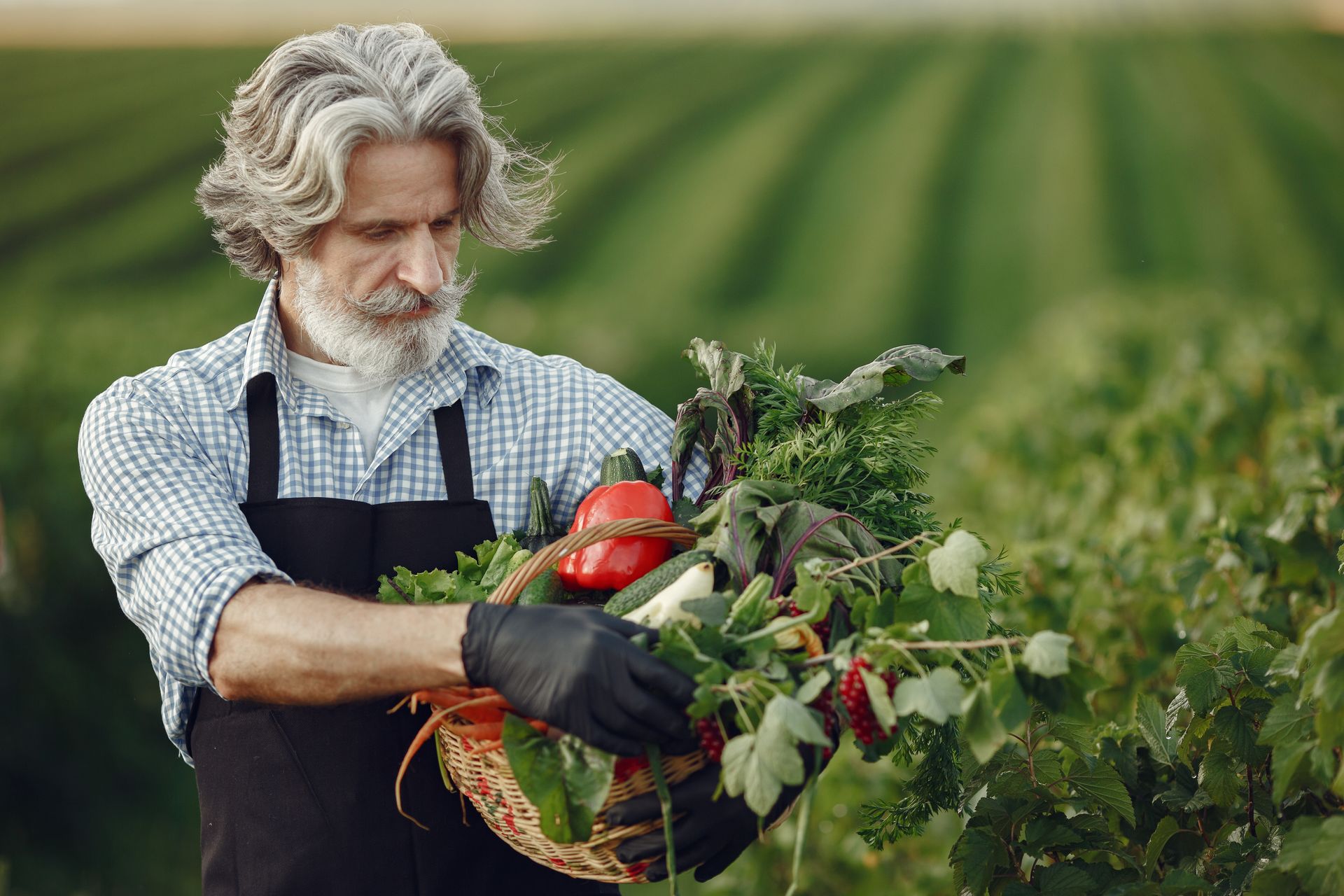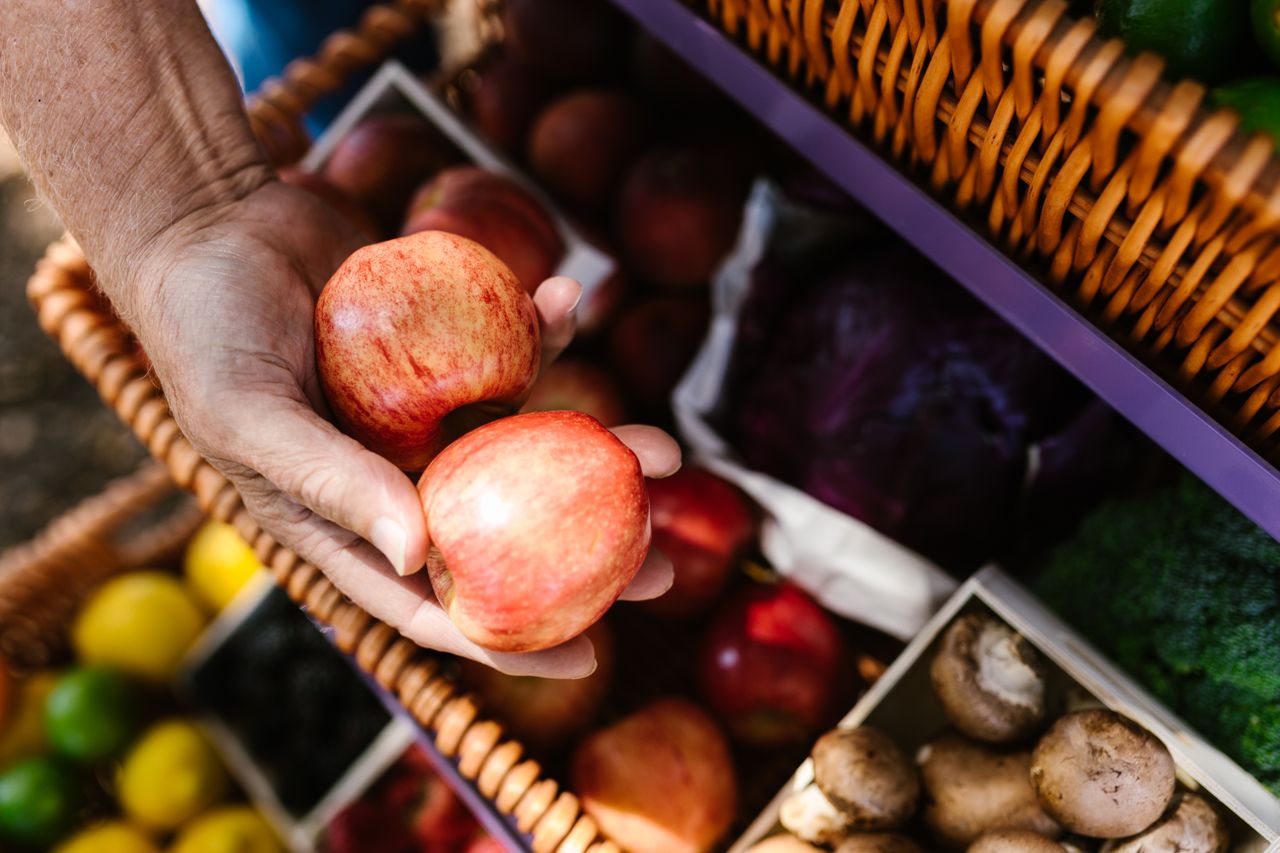
Buying fresh produce directly from local farms can benefit consumers, farmers, and communities. When you purchase fruits, vegetables, herbs, eggs, and other farm products locally, you can connect more closely with the people who grow your food while supporting agricultural businesses in your area.
Local purchasing can also provide access to seasonal products and create opportunities for farmers to build stronger relationships with their customers. If you are considering buying more food locally, understanding the benefits of buying fresh produce from local farms can help you make informed choices.
Fresher Produce
One of the biggest advantages of buying directly from local farms is freshness. Produce may reach customers soon after harvest, particularly when farmers sell directly at farm stands, farmers markets, or through local delivery programs.
Freshly harvested fruits and vegetables can have appealing texture, flavor, and appearance. Furthermore, shorter periods between harvest and consumption can reduce the time produce spends in storage and transportation.
However, freshness still depends on harvesting, handling, storage, and transportation practices. Therefore, ask local farmers about harvest timing when appropriate.
Support Local Farmers
When you buy directly from a farmer, more of your spending can go toward the agricultural business that produced the food.
Small and family-run farms often face significant costs for seeds, equipment, labor, irrigation, animal care, transportation, and land management.
Consequently, purchasing locally can provide farmers with an important source of income and help them continue operating their farms.
Regular customers can also help farmers plan production because they provide a more predictable local market.
Strengthen the Local Economy
Money spent on local produce can circulate within the community.
Farmers may purchase supplies, equipment, services, packaging, transportation, and other goods from businesses in the surrounding area.
As a result, supporting local farms can contribute to a broader network of local economic activity.
In addition, successful farms can create employment opportunities and support other agricultural businesses.
Enjoy Seasonal Foods
Local farms often sell products according to the natural growing season.
Seasonal eating encourages consumers to explore different fruits and vegetables throughout the year. It can also introduce households to varieties that they might not normally find in conventional retail outlets.
For example, one season may bring an abundance of leafy greens, while another provides different fruits, root vegetables, or other crops.
Learning what grows locally throughout the year can make meal planning more varied and interesting.
Build Relationships With Farmers
Buying directly from farmers gives consumers an opportunity to ask questions about their food.
You can learn where products were grown, when they were harvested, which varieties were planted, and how the farmer manages the crop.
These conversations can provide useful information that may not be available on a supermarket label.
Over time, regular customers can develop relationships with local producers and gain a better understanding of agriculture.
Learn More About Food Production
Local farms can provide valuable educational opportunities.
Visiting a farm, attending a farmers market, or speaking with producers can help consumers understand how food moves from fields and livestock operations to their tables.
Children can also benefit from learning about planting, harvesting, animal care, soil management, and seasonal production.
Consequently, buying locally can strengthen people’s connection with agriculture and encourage greater appreciation for the work involved in producing food.
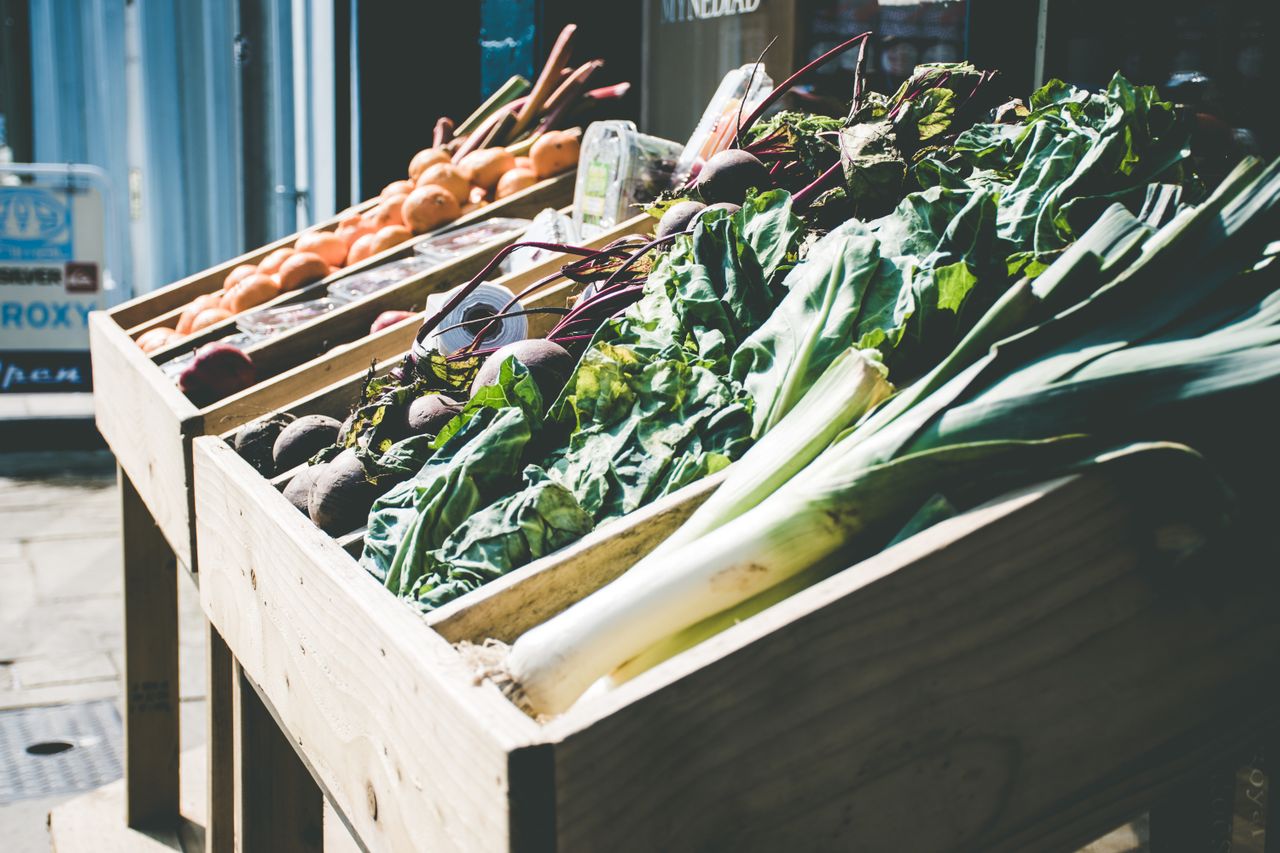
Potentially Reduce Transportation Distance
Local produce may travel a shorter distance from farm to consumer than products shipped from distant regions.
Shorter transportation routes can reduce the amount of time involved in moving food from producer to customer.
However, transportation distance alone does not determine environmental impact. Farming methods, refrigeration, packaging, vehicle efficiency, and production conditions also matter.
Therefore, consider local sourcing as one part of a broader effort to make food choices that align with your environmental priorities.
Access Unique Varieties
Local farmers may grow varieties selected specifically for regional conditions or local customer preferences.
Some of these varieties may not be widely available through large retail chains.
Trying different varieties can make meals more interesting and help farmers maintain crop diversity.
Furthermore, local demand can encourage farmers to experiment with specialty crops that might otherwise be difficult to market.
Support Sustainable Farming Practices
Many local farmers use practices designed to protect their land and resources. These may include crop rotation, composting, cover cropping, integrated pest management, water conservation, and other soil-building techniques.
However, farming practices vary from one producer to another. Buying locally does not automatically mean that a farm follows a particular environmental standard.
If sustainable production matters to you, ask farmers about their growing practices and learn how they manage soil, water, pests, and other resources.
Reduce Food Waste
Buying directly from local farms can sometimes make it easier to purchase the amount of produce you actually need.
Farmers may sell products in flexible quantities or offer seasonal surplus at reduced prices.
You can also ask farmers about less-than-perfect produce. Fruits and vegetables with unusual shapes or minor cosmetic imperfections can still be excellent for cooking.
Using these products can help reduce food waste while providing farmers with additional opportunities to sell their harvest.
Encourage Community Connections
Local food markets can bring farmers and consumers together.
Farmers markets, community-supported agriculture programs, farm shops, and local food events can create spaces where people meet, exchange information, and support one another.
These connections can strengthen community relationships and make food purchasing a more personal experience.
Get Better Value Through Direct Purchasing
Buying directly does not always guarantee lower prices, but it can provide good value in certain situations.
Consumers may find seasonal products, bulk purchases, seconds, or farm-gate sales that offer attractive prices.
At the same time, farmers can potentially receive a larger share of the final selling price by reducing the number of intermediaries between producer and customer.
Compare prices and quality to determine which local purchasing options provide the best value for your household.
Final Thoughts
The benefits of buying fresh produce from local farms extend beyond freshness. Local purchasing can support farmers, strengthen community economies, provide access to seasonal and unique foods, and create stronger connections between consumers and agriculture.
Most importantly, buying locally gives you an opportunity to learn more about where your food comes from. Visit local markets, talk with farmers, ask about growing practices, and explore seasonal products.
By making local farm purchases part of your regular shopping routine, you can support agricultural businesses while enjoying fresh, diverse, and locally produced food.