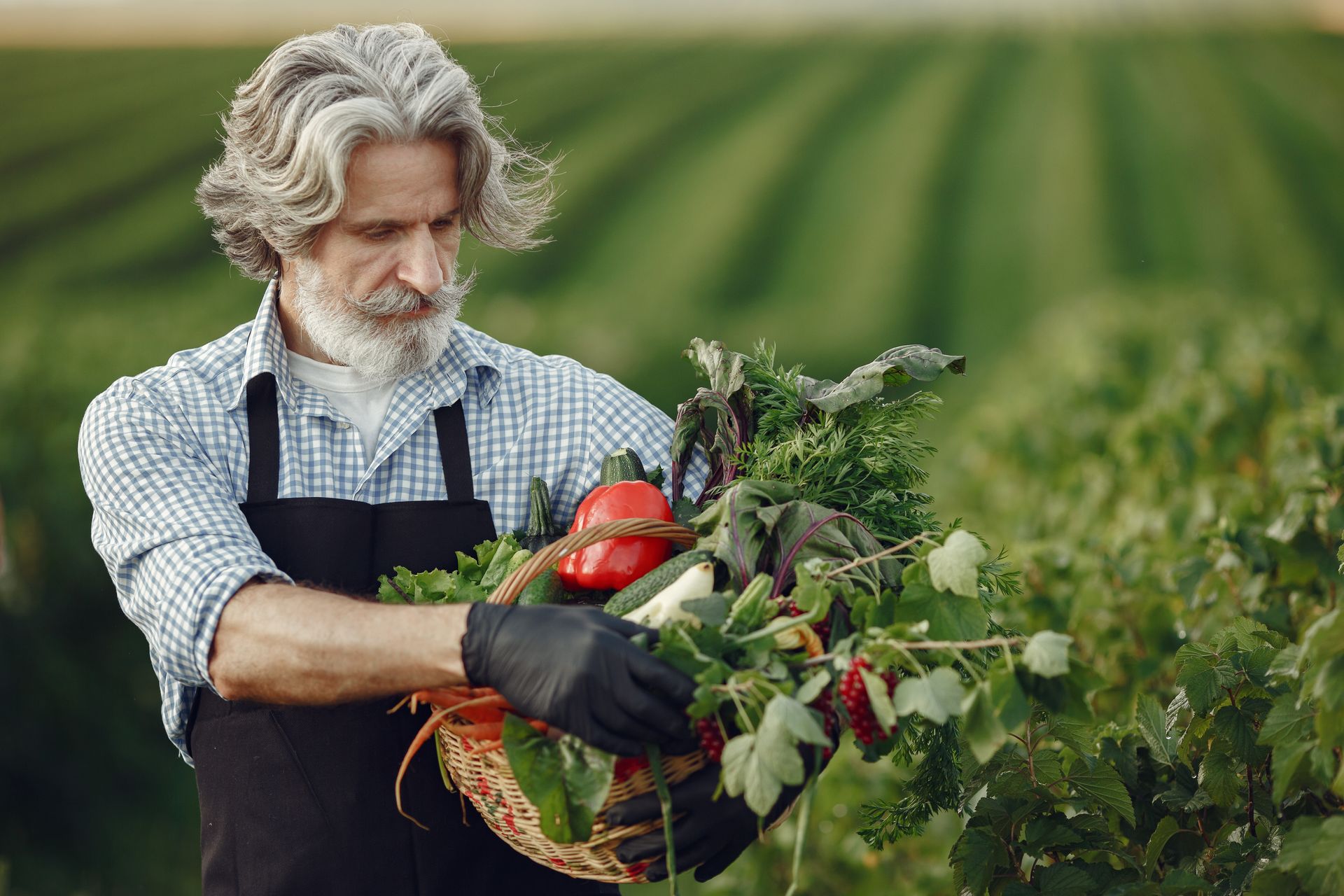
Eating fruits and vegetables when they are naturally available can make meals more enjoyable while encouraging greater variety. Seasonal produce often reaches local markets during periods of abundant harvest, giving consumers opportunities to discover fresh ingredients and support nearby farmers.
However, seasonal availability differs by region. Climate, rainfall, soil, farming methods, and local growing conditions all influence when particular crops are ready for harvest.
Understanding the benefits of eating seasonal produce can help you make more informed food choices and build meals around fresh, locally available ingredients.
Enjoy Better Flavor
One of the most noticeable advantages of seasonal produce is flavor.
When fruits and vegetables grow under suitable conditions and reach an appropriate harvest stage, they can develop appealing flavors, aromas, and textures.
For example, ripe seasonal tomatoes may have a stronger flavor than tomatoes harvested before maturity for long-distance transportation.
Likewise, seasonal berries, peaches, melons, and other fruits can offer distinctive flavors when they are harvested at the right stage.
Although flavor depends on many factors, choosing produce during its local harvest period can provide an enjoyable eating experience.
Get Fresher Produce
Seasonal crops are often available closer to their harvest period.
Local farmers may harvest products and sell them directly to consumers through farm stands, farmers markets, community-supported agriculture programs, or other channels.
Shorter periods between harvesting and consumption can help preserve freshness.
Nevertheless, freshness still depends on handling and storage. Even seasonal produce can lose quality when stored improperly or exposed to unsuitable temperatures.
Enjoy Greater Variety
Eating seasonally encourages you to change your meals throughout the year.
Instead of buying the same fruits and vegetables every month, you can explore what farmers are producing at different times.
One season may offer an abundance of leafy greens, while another provides tomatoes, peppers, berries, squash, or root vegetables.
This variety can make meal planning more interesting and encourage you to experiment with new ingredients.
Support Local Farmers
Buying seasonal produce from local farms can provide direct support to agricultural businesses.
Farmers depend on reliable markets to sell their harvests. When consumers purchase local seasonal crops, they help create demand for products grown in their region.
Furthermore, buying directly from producers can help consumers learn more about farming practices, harvest schedules, and local growing conditions.
Strong local markets can also help farms remain viable and continue supplying communities with fresh food.

Potentially Reduce Transportation Needs
Seasonal local produce may travel a shorter distance than foods shipped from distant production regions.
Shorter transportation routes can reduce the amount of time food spends moving through the supply chain.
However, transportation distance is only one factor in environmental impact. Farming methods, refrigeration, packaging, energy use, and production conditions also matter.
Therefore, seasonal eating can be one part of a broader approach to making thoughtful food choices.
Reduce Food Waste
Seasonal abundance can provide an opportunity to buy produce when it is plentiful.
When farmers have large harvests, consumers may have access to products at attractive prices. You can purchase appropriate quantities and use preservation methods when necessary.
Freezing, drying, pickling, fermenting, or other suitable preservation techniques can help extend the useful life of seasonal foods.
At the same time, avoid buying more than your household can reasonably consume.
Discover New Foods
Seasonal shopping can encourage you to try foods that you might otherwise overlook.
Local farmers may grow traditional, specialty, or lesser-known varieties that are not commonly available in large retail stores.
Ask farmers how to prepare unfamiliar fruits and vegetables. They may recommend simple cooking methods or recipes that help you make the most of the harvest.
Trying new foods can expand your cooking skills and make meals more interesting.
Make Meal Planning Easier
Planning meals around seasonal produce can simplify grocery shopping.
Start by checking what fruits and vegetables are currently available. Then build your meals around those ingredients.
For example, you can use seasonal vegetables in soups, salads, stir-fries, roasted dishes, or side dishes.
This flexible approach can help you adapt recipes to what is fresh and readily available rather than searching for ingredients that are difficult to find.
Potentially Save Money
Seasonal produce can sometimes cost less when farmers have abundant supplies.
When a crop reaches peak harvest, local markets may have greater quantities available. Increased supply can create opportunities for competitive pricing.
However, prices vary by location, crop, farming method, and market.
Compare prices from local farms, farmers markets, and other retailers to determine where you can get the best value.
Buying only what you need also helps prevent savings from being lost through food waste.
Learn More About Local Agriculture
Eating seasonally can teach you how food production changes throughout the year.
You begin to notice when farmers plant, harvest, and sell particular crops.
Over time, this knowledge can help you understand local growing conditions and appreciate the work involved in producing food.
Visiting farms and farmers markets can make the experience even more educational.
Encourage Better Food Habits
Seasonal eating can encourage people to include more fruits and vegetables in their meals.
When fresh produce becomes more readily available, you may find it easier to experiment with salads, vegetable dishes, fresh snacks, and homemade meals.
Furthermore, seasonal variety can prevent your diet from becoming repetitive.
Rather than following a rigid shopping list, you can respond to what is fresh and available.
How to Start Eating Seasonally
You do not need to change your entire diet at once.
Start by identifying a few fruits and vegetables that are currently in season in your area. Visit a local farmers market or speak with nearby growers to learn what is being harvested.
Then, plan several meals around those foods.
Keep a simple seasonal calendar throughout the year. This can help you remember when your favorite crops typically become available.
Most importantly, remain flexible because weather and growing conditions can change harvest schedules.
Final Thoughts
The benefits of eating seasonal produce include enjoying fresh flavors, discovering greater variety, supporting local farmers, reducing potential food waste, and learning more about local agriculture.
Seasonal eating does not mean you must avoid foods that are available year-round or imported from other regions. Instead, it provides an opportunity to prioritize fresh local foods when they are naturally abundant.
Start small, explore what local farmers are harvesting, and build your meals around seasonal ingredients. With time, eating seasonally can become a simple and enjoyable part of your everyday food routine.