Sustainable agriculture focuses on producing food while protecting the natural resources that farming depends on. Instead of concentrating only on short-term production, sustainable farming considers soil health, water conservation, biodiversity, farm efficiency, and long-term resilience.
Farmers can use different sustainable practices depending on their crops, climate, soil, available resources, and local conditions. These practices can provide benefits not only for farmers but also for surrounding communities and future generations.
Understanding the benefits of sustainable agriculture can help farmers make informed decisions about how they manage land, water, crops, livestock, and other resources.
Improves Soil Health
Healthy soil provides the foundation for productive farming.
Sustainable practices such as crop rotation, cover cropping, composting, mulching, and reduced soil disturbance can help maintain soil structure and organic matter.
Healthy soil can support better water retention and nutrient availability. Furthermore, protecting the soil can reduce erosion and help maintain productive farmland over the long term.
Instead of treating soil simply as a growing medium, sustainable agriculture recognizes it as a living resource that requires ongoing care.
Conserves Water
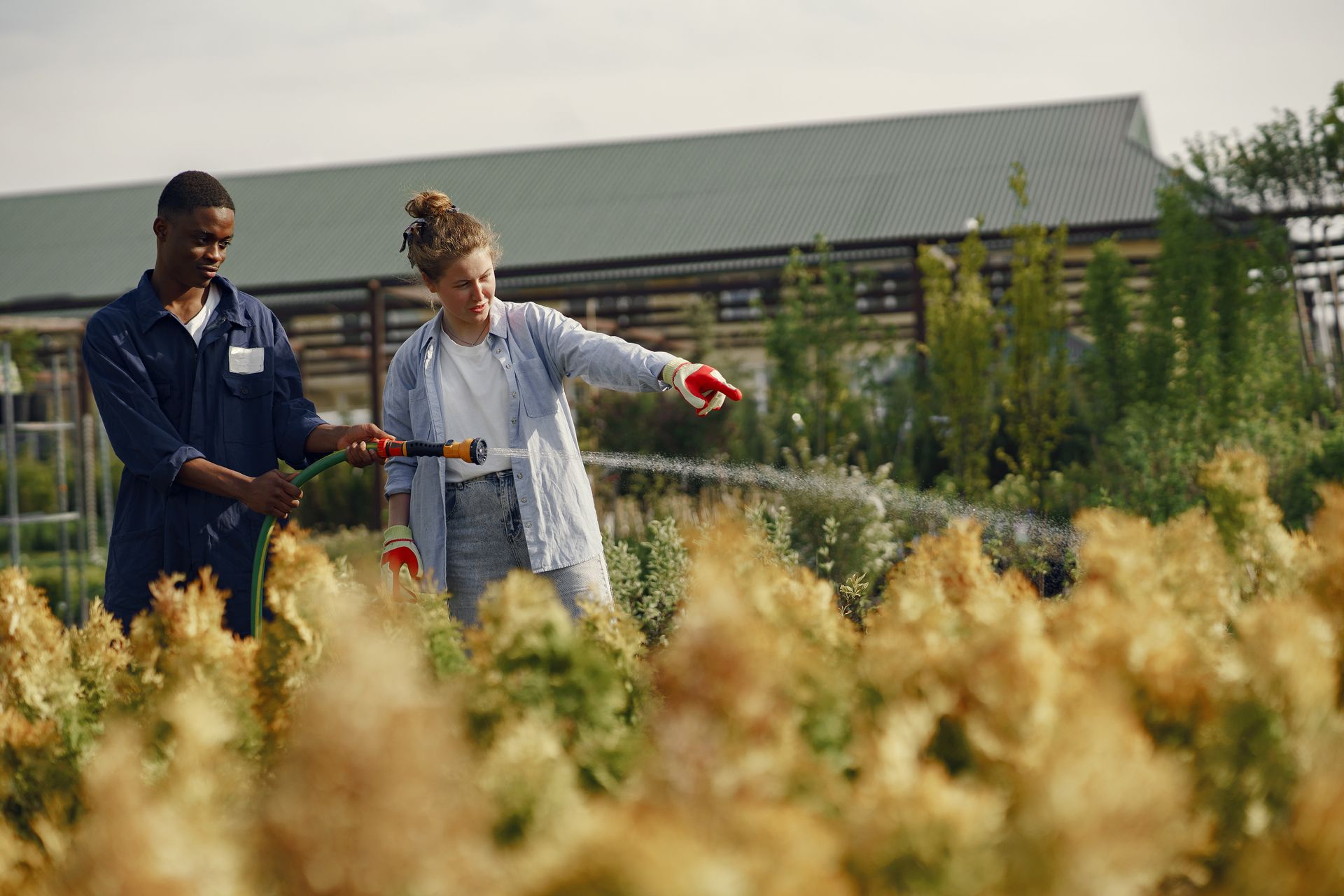
Agriculture can require significant amounts of water, making efficient water management essential.
Sustainable farming encourages farmers to use water according to actual crop and soil needs.
Appropriate irrigation systems, soil-moisture monitoring, mulching, and improved soil health can reduce unnecessary water loss.
Additionally, farms can explore suitable rainwater management and storage systems where local conditions and regulations allow.
Using water efficiently can help farms remain productive during periods of limited rainfall.
Reduces Soil Erosion
Soil erosion can remove valuable topsoil and reduce agricultural productivity.
Sustainable farming practices can help keep soil covered and reduce the effects of wind and water.
Cover crops, contour farming, terraces, vegetation buffers, mulching, and appropriate land management can reduce erosion in suitable locations.
Consequently, farmers can protect valuable topsoil while maintaining the long-term productivity of their land.
Supports Biodiversity
Biodiversity plays an important role in healthy agricultural ecosystems.
Sustainable farms can provide habitat for pollinators, beneficial insects, birds, soil organisms, and other forms of life.
Farmers can support biodiversity by maintaining suitable trees, hedgerows, flowering plants, buffer zones, and diverse cropping systems where practical.
A diverse agricultural environment can also contribute to ecological resilience.

Improves Pest Management
Sustainable agriculture can reduce reliance on routine chemical pest control through integrated pest management.
Farmers can monitor crops, identify pests accurately, and combine several control methods.
These methods may include crop rotation, resistant varieties, sanitation, physical barriers, biological controls, and carefully selected pesticides when necessary.
By using pesticides more strategically, farmers can reduce unnecessary applications while still protecting crops.
Can Reduce Farming Costs
Sustainable farming does not automatically make every farm cheaper to operate, and some practices require an initial investment.
However, efficient resource management can reduce certain costs over time.
For example, better irrigation can reduce water use, accurate fertilizer application can reduce wasted inputs, and crop residues may provide useful organic material.
Farmers should evaluate each practice based on actual costs, expected benefits, and local conditions.
Improves Nutrient Management
Plants require nutrients for healthy growth, but excessive fertilizer application can waste money and contribute to environmental problems.
Sustainable nutrient management uses soil testing, crop requirements, organic matter, and careful application methods to provide nutrients more efficiently.
Farmers can combine suitable organic materials with mineral fertilizers when appropriate.
This approach can improve nutrient-use efficiency while reducing unnecessary losses.
Increases Farm Resilience
Farming is vulnerable to drought, extreme weather, pests, diseases, market changes, and other risks.
Sustainable agriculture can improve resilience by encouraging diversification and resource conservation.
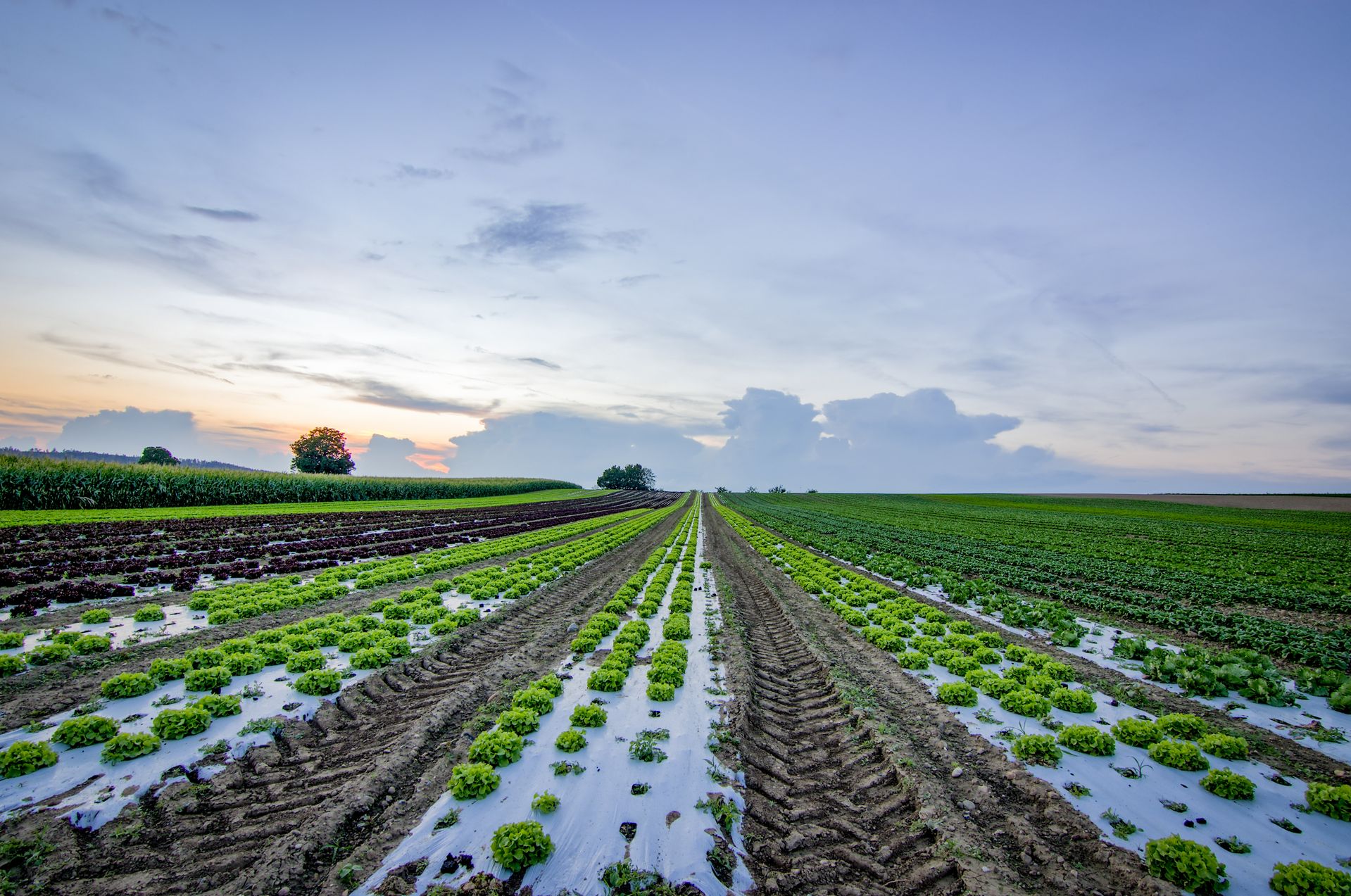
Crop diversity, healthy soils, efficient water management, and appropriate livestock systems can help farms respond to changing conditions.
Diversification can also reduce dependence on a single crop or income source when farmers can implement it successfully.
Supports Long-Term Productivity
A farming system that continually degrades its soil or exhausts its water resources may become increasingly difficult to maintain.
Sustainable agriculture aims to protect the resources needed for future production.
By maintaining soil health, conserving water, reducing erosion, and supporting biodiversity, farmers can create systems designed for long-term productivity.
This long-term perspective is particularly important for farms that families intend to operate across multiple generations.
Can Improve Crop Quality
Healthy growing conditions can contribute to strong crop development.
Good soil management, appropriate nutrition, efficient irrigation, and responsible pest management can help crops receive the resources they need.
However, sustainable farming does not automatically guarantee higher-quality or higher-yielding produce. Results depend on crop variety, climate, management practices, and many other factors.
Farmers should monitor their results and adjust practices accordingly.
Reduces Agricultural Waste
Sustainable agriculture encourages farmers to make better use of available resources.
Crop residues may sometimes be used as mulch, compost material, livestock feed, or other farm inputs, depending on their characteristics and intended use.
Farmers can also reduce waste by maintaining equipment, purchasing supplies carefully, and improving storage.
Using resources more efficiently can improve both environmental performance and farm management.
Benefits Local Communities
Sustainable farms can contribute to stronger local food systems.
When farms remain productive and economically viable, they can provide food, employment, agricultural services, and other economic benefits to surrounding communities.
Local production can also give consumers greater opportunities to connect with farmers and understand how their food is produced.
The exact community benefits vary depending on the region and agricultural system.
Supports Future Generations
Perhaps one of the most important benefits of sustainable agriculture is its focus on the future.
Farmers depend on productive soil, reliable water, healthy ecosystems, and stable agricultural resources.
Protecting these resources today can help maintain opportunities for future farmers.
Sustainable farming therefore connects current food production with long-term resource stewardship.
Encourages Better Farm Planning
Sustainability encourages farmers to look at the entire farm system rather than focusing on individual inputs.
Farmers can examine how soil, water, crops, livestock, energy, waste, labor, and finances interact.
This broader approach can reveal opportunities to improve efficiency.
For example, livestock manure may become a useful soil amendment, while crop residues may provide livestock feed or organic material where appropriate.
How to Begin With Sustainable Agriculture
Farmers do not need to change every practice immediately.
Start by identifying the biggest challenges on your farm.
If erosion is a problem, focus on soil protection. If water is limited, improve irrigation efficiency and soil moisture management. If input costs are high, evaluate fertilizer and pest-management practices.
Set measurable goals and track results over time.
Gradual improvements can be more practical and sustainable than major changes that are difficult to maintain.
Final Thoughts
The benefits of sustainable agriculture extend beyond environmental protection. Sustainable farming can improve soil health, conserve water, reduce erosion, support biodiversity, improve resource efficiency, and strengthen farm resilience.
However, sustainable agriculture does not follow one universal formula. Every farm has different needs, resources, and challenges.
The most effective approach is to choose practices that fit your land and farming system, measure their results, and improve gradually. By protecting the resources that agriculture depends on, farmers can support productive farms today while preparing the land for future generations.