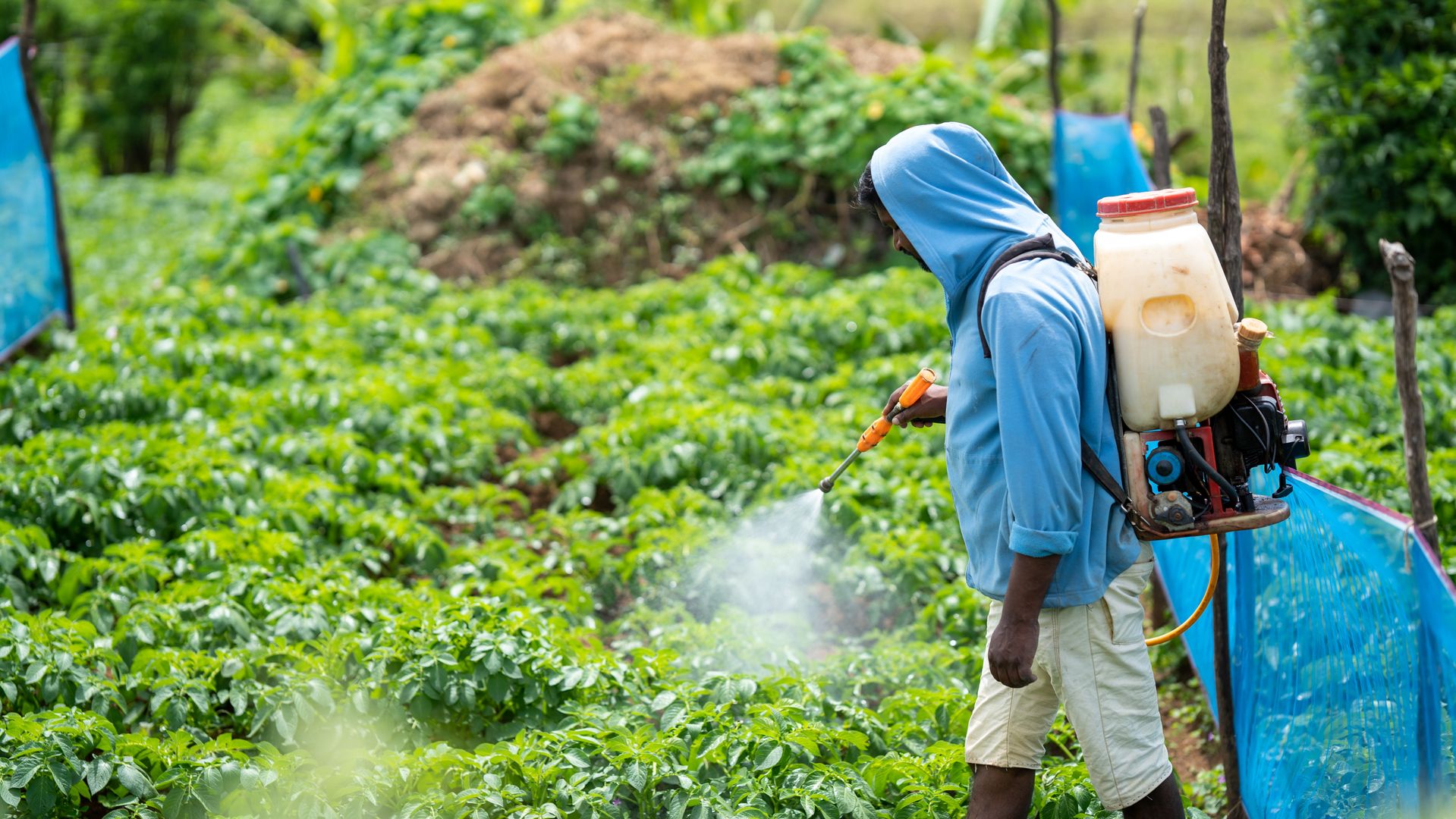
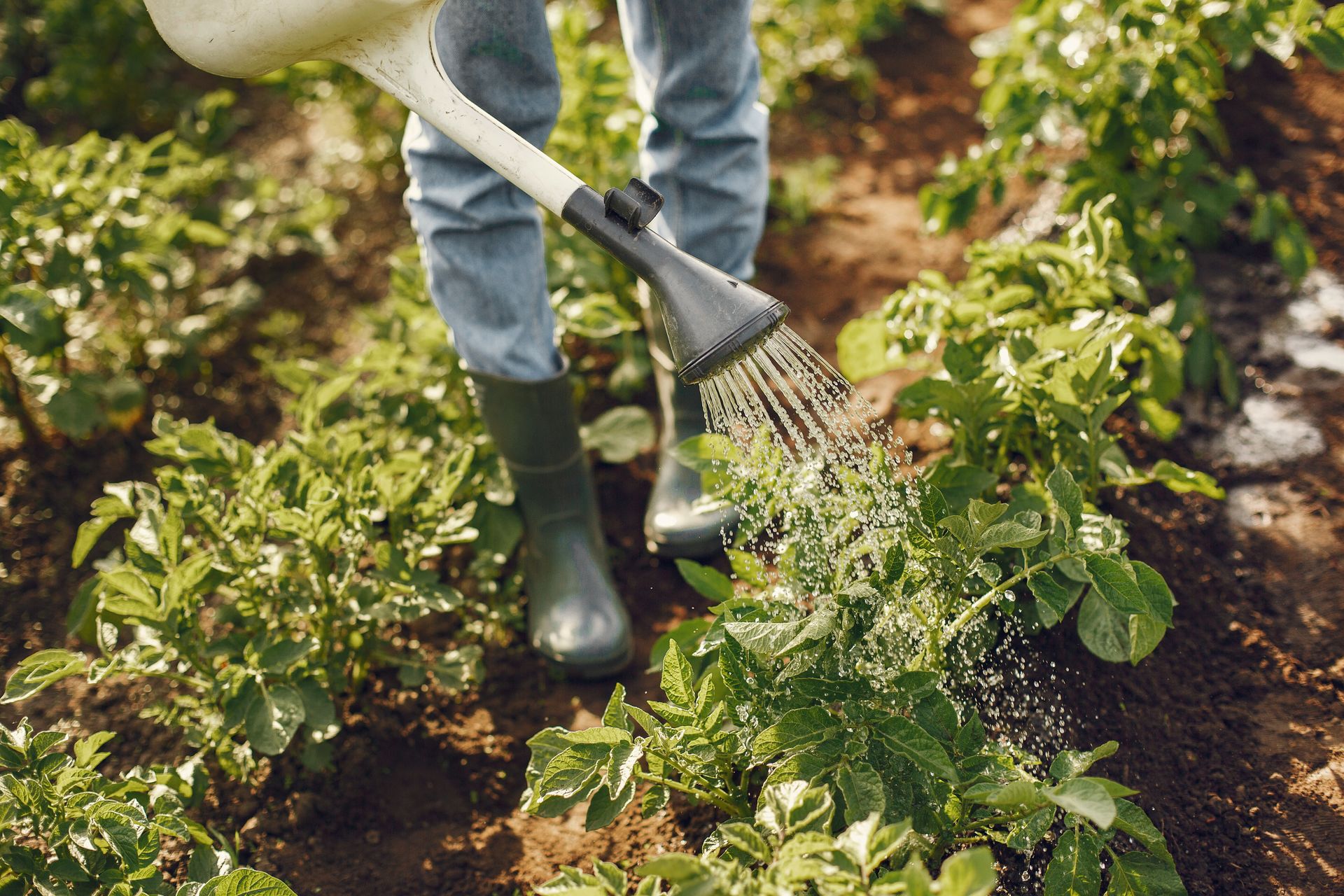
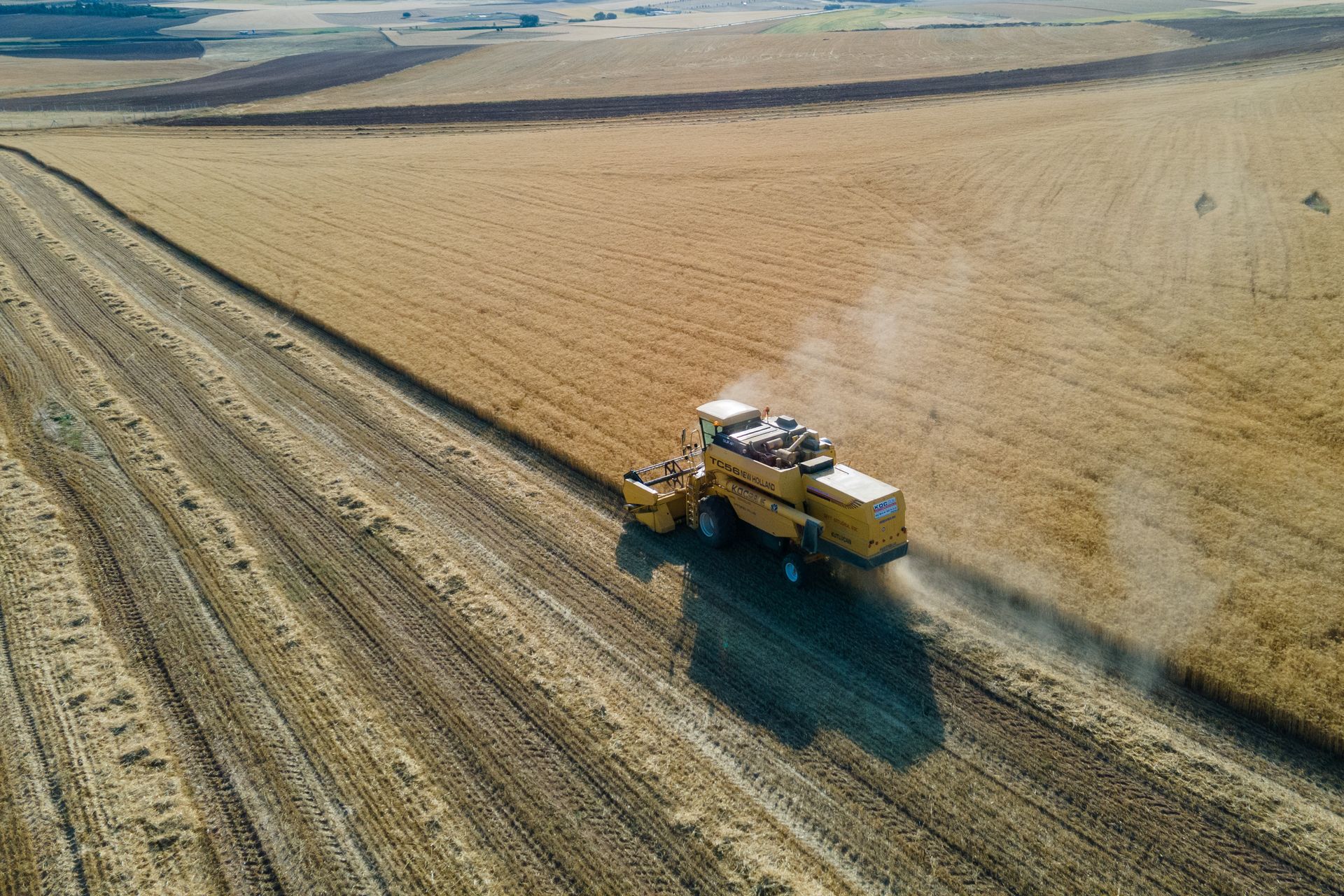
Small-scale farming can provide food for your family while also creating an opportunity to earn additional income. However, choosing the right crops is one of the most important decisions you will make. The best crops should match your climate, soil, water supply, available labor, growing season, and local market.
Fortunately, small farms do not need large fields to produce valuable harvests. With careful planning, farmers can focus on productive crops that make efficient use of available land.
What Makes a Crop Suitable for Small Farms?
Before choosing crops, consider several important factors. First, look at your local climate and soil conditions. A crop that performs well in one region may struggle in another.
Next, consider your water supply. If irrigation is limited, prioritize crops that suit your rainfall pattern and available water.
Market demand also matters. A crop can produce an excellent harvest but still provide poor returns if there are not enough buyers.
Finally, consider how much labor you have available. Some crops require frequent harvesting, weeding, pruning, or pest monitoring. Choose crops that fit the time and resources you can realistically provide.

Leafy Greens
Leafy vegetables can be excellent choices for small-scale farms because many mature relatively quickly and can provide repeated harvests.
Depending on your local conditions, options may include spinach, kale, amaranth, lettuce, and other locally popular greens.
Farmers can sell leafy vegetables directly to households, markets, restaurants, or retailers. Moreover, their relatively short production cycles can allow farmers to plant successive crops throughout suitable growing periods.
However, leafy greens can be sensitive to heat, water shortages, and certain pests. Therefore, choose varieties appropriate for your local conditions and maintain consistent water management.
Tomatoes
Tomatoes are popular management. Farmers need to pay attention to soil fertility, irrigation, staking where appropriate, pests, with consumers and can provide good value when managed properly. They can be grown in relatively small areas, making them suitable for many small-scale operations.
However, tomatoes require careful management. Farmers need to pay attention to soil fertility, irrigation, staking where appropriate, pests, diseases, and harvesting.
Before planting a large area, research local tomato varieties and market demand. If buyers prefer particular sizes or varieties, selecting accordingly can improve your marketing opportunities.
Onions
Onions can be another useful crop for small-scale farmers. They have established demand in many markets and can be stored under suitable conditions after harvest.
Good soil preparation and appropriate water management are important for producing quality bulbs. Furthermore, farmers should select varieties according to their local growing conditions and intended market.
Because onions can have a longer production cycle than some leafy vegetables, include them in your farm plan alongside faster-growing crops.
Beans
Beans can provide both food and income. They are also useful in crop rotations because legumes can contribute to soil fertility through biological nitrogen fixation.
Different bean varieties have different growing requirements, so choose varieties that suit your climate and market.
Beans can also complement other crops in a diversified small farm. Nevertheless, farmers should monitor pests, diseases, moisture, and weeds throughout the growing period.
Maize
Maize is an important staple crop in many parts of the world. Small-scale farmers may grow it primarily for household consumption, animal feed, or sale.
However, maize generally requires more land than high-value vegetables to generate significant income. Therefore, consider your available space and market before dedicating a large portion of your farm to it.
Where suitable, farmers can combine maize with other crops to make better use of available land and reduce dependence on a single harvest.
Sweet Potatoes
Sweet potatoes can be an attractive option for small-scale farming because they provide an edible root crop and can perform well under suitable growing conditions.
They can also fit into diversified cropping systems. Depending on the variety and local practices, farmers may use both roots and leaves for food.
Choose varieties suited to your climate and soil, and make sure the crop receives appropriate moisture during establishment and development.
Herbs
Herbs can provide an interesting opportunity for farmers with limited land. Crops such as basil, coriander, parsley, mint, and other locally demanded herbs can generate value from relatively small growing areas.
Their success, however, depends heavily on market access. Fresh herbs can have a short shelf life, so farmers should identify buyers before expanding production.
Restaurants, food businesses, local markets, and direct consumers may provide potential outlets.
Peppers and Chilies
Peppers and chilies can be suitable for small farms because they can produce valuable harvests from relatively limited areas.
There are many varieties, ranging from mild peppers to hot chilies. Therefore, research which types customers in your area prefer.
Farmers should pay attention to irrigation, soil fertility, pests, diseases, and harvesting. If dried products have a market, suitable varieties may also offer opportunities beyond fresh sales.
Pumpkins and Squash
Pumpkins and squash can be useful additions to a diversified small farm. They can provide food for households and may also have local market demand.
Because some varieties produce sprawling vines, plan the available space carefully. Farmers can sometimes use field edges or suitable areas where the vines will not interfere with other crops.
Good weed management during early growth can help young plants establish successfully.
Carrots
Carrots can provide another option for farmers with suitable soil. They generally perform best in loose, well-prepared soil that allows the roots to develop properly.
Before planting, remove large stones and break up compacted areas. Otherwise, roots may develop poorly or become misshapen.
As with other vegetables, market demand should guide the varieties and quantities you grow.
Diversify Your Small Farm
Rather than relying entirely on one crop, consider growing several complementary crops. Diversification can spread production across different harvest periods and reduce dependence on a single market.
For example, you could combine a staple crop with vegetables, legumes, and a small herb section. This approach can provide both household food and potential income.
However, avoid growing more varieties than you can manage effectively. Start with a manageable selection and expand after learning which crops perform best.
Final Thoughts
The best crops for small-scale farming depend on your local climate, soil, water supply, labor, and market. Leafy greens, tomatoes, onions, beans, maize, sweet potatoes, herbs, peppers, pumpkins, and carrots can all be useful options under suitable conditions.
Most importantly, do your research before planting. Start with small areas, keep good production records, and speak with local farmers and agricultural professionals. Over time, your experience will show you which crops provide the best combination of productivity, demand, and profitability for your particular farm.