Starting a farm can be rewarding, but it also requires careful planning, patience, and practical knowledge. Whether you want to grow vegetables, raise livestock, or develop a small mixed farm, learning the basics can help you avoid costly mistakes. Fortunately, you do not need years of experience to get started. By following the best farming tips for beginners, you can build a strong foundation and gradually improve your skills.
Start With a Clear Farming Plan
First, decide what you want to produce. Your goals will influence the land, equipment, seeds, animals, labor, and budget you need.
For example, a small vegetable farm requires different resources from a livestock operation. Therefore, identify your target crops or animals before investing heavily in equipment.
Next, create a simple farm plan. Consider your available land, water supply, climate, expected costs, and potential customers. In addition, research which crops or livestock perform well in your area.
A clear plan helps you stay focused and prevents unnecessary spending.
Understand Your Soil
Healthy soil provides the foundation for successful crop production. Before planting, learn about your soil type and condition.
You can begin by observing its texture, drainage, and organic matter. However, a soil test provides more useful information about nutrients and pH levels.
Once you understand your soil, you can improve it appropriately. For instance, adding compost or well-decomposed organic matter can improve soil structure and fertility.
Moreover, avoid planting the same crop repeatedly in one location. Crop rotation can help maintain soil health and reduce some pest and disease problems.
Choose Crops That Suit Your Farm
Beginners often make the mistake of choosing crops simply because they are popular or profitable. Instead, select crops that match your climate, soil, water availability, and market demand.
Start with a manageable number of crops. Growing too many varieties can make your first season unnecessarily complicated.
Additionally, choose crops with growing requirements you can realistically meet. If water is limited, for example, prioritize crops that can perform well under your available irrigation conditions.
Before planting large areas, consider testing a small plot. This approach allows you to learn what works without risking your entire harvest.

Learn Proper Water Management
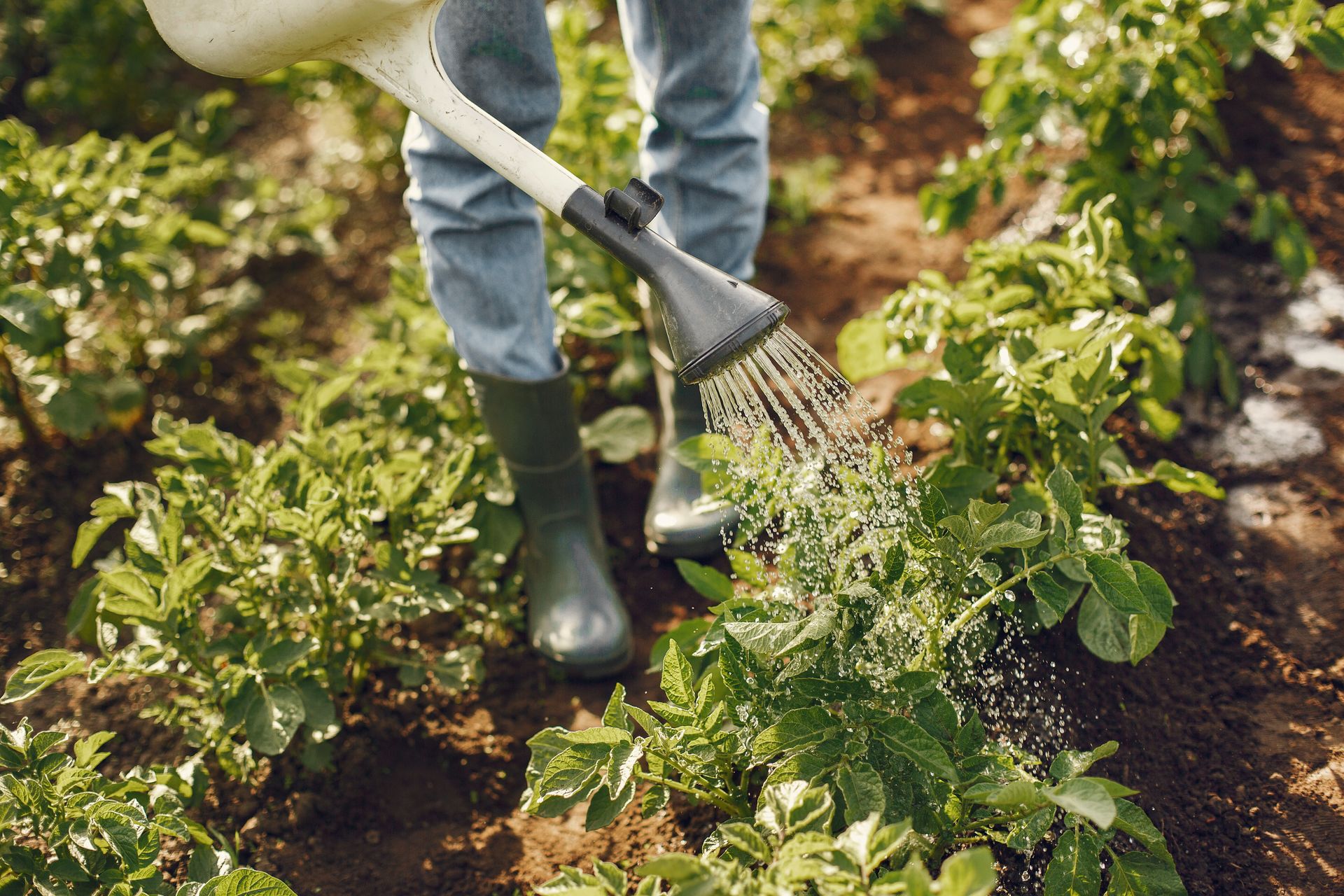
Water plays an essential role in crop growth. Nevertheless, more water does not always mean better results. Both under-watering and overwatering can damage plants.
First, learn how much water your crops generally need. Then, monitor the soil and weather conditions before irrigating.
Efficient irrigation can also reduce water waste. Drip irrigation, for example, can deliver water closer to plant roots. Furthermore, mulching around plants can help conserve soil moisture and reduce evaporation.
Always check your local water availability and farming conditions when developing an irrigation routine.
Control Weeds, Pests, and Diseases
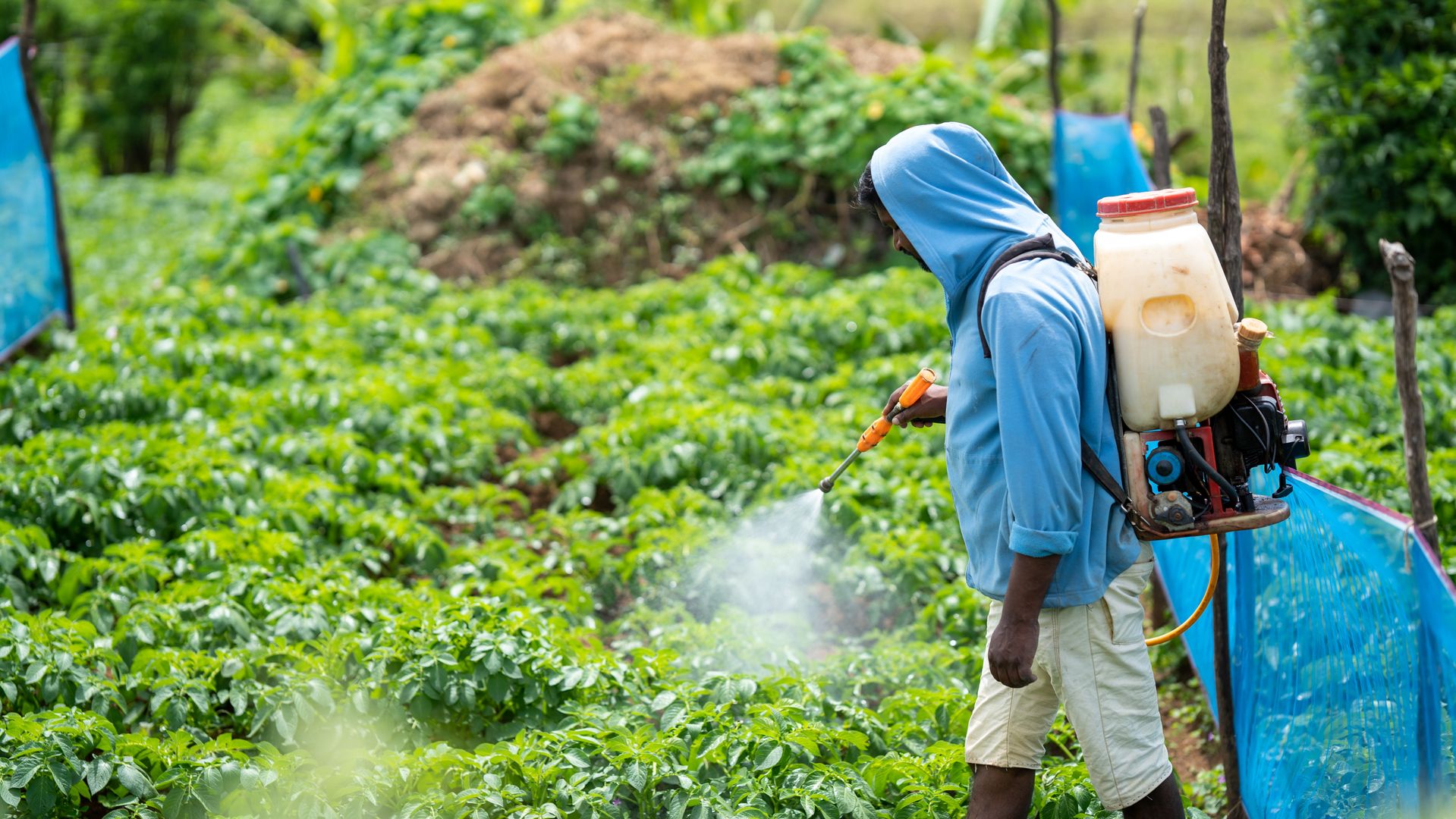
Weeds compete with crops for water, nutrients, sunlight, and space. Meanwhile, insects and diseases can reduce yields if farmers do not identify problems early.
Therefore, inspect your crops regularly. Walk through your fields and look for unusual leaves, damaged plants, insects, or signs of disease.
Early detection makes management easier. Depending on the situation, you may use mechanical weed removal, crop rotation, biological controls, or other appropriate methods.
Most importantly, identify the problem before applying a treatment. Using the wrong product or method can waste money and potentially harm beneficial organisms.
Invest in Essential Farm Tools
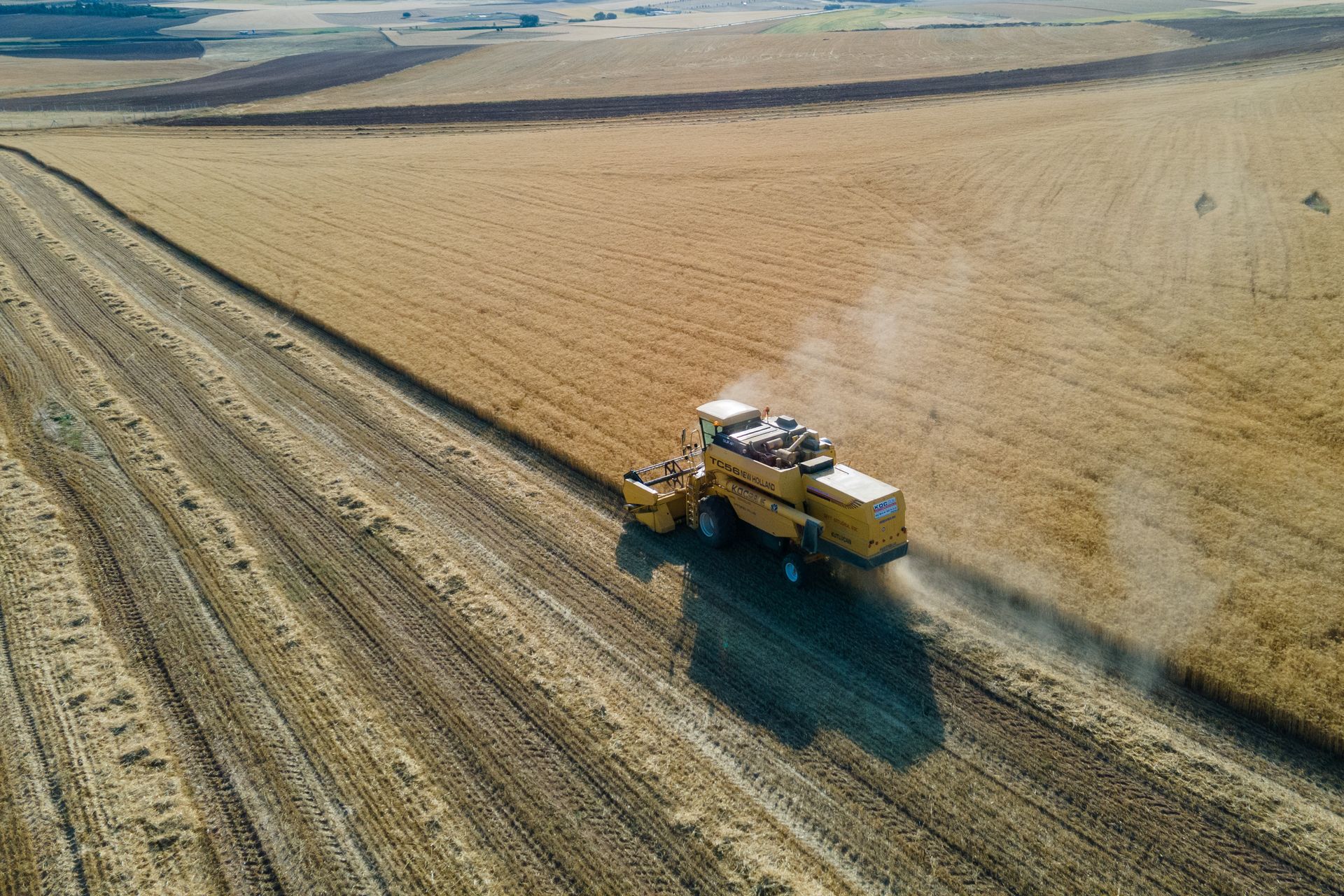
You do not need expensive machinery to begin farming. In fact, purchasing too much equipment too early can put unnecessary pressure on your budget.
Instead, start with essential tools that match the scale of your operation. Depending on your farm, these might include hoes, shovels, pruning tools, watering equipment, wheelbarrows, protective clothing, and storage containers.
As your farm grows, reinvest some of your profits into better equipment.
Also, maintain your tools properly. Cleaning, sharpening, lubricating, and storing equipment correctly can extend its useful life and reduce replacement costs.
Keep Good Farm Records
Recordkeeping is one of the most useful habits a new farmer can develop. Keep track of planting dates, seed varieties, fertilizer applications, irrigation, pest problems, harvest quantities, expenses, and sales.
These records help you understand what works and what does not.
For example, if one crop consistently produces better results than another, your records can reveal why. Similarly, tracking expenses helps you calculate whether your farming activities are actually profitable.
Over time, your records become a valuable guide for making better decisions.
Start Small and Learn Continuously
Finally, avoid trying to build a huge farm immediately. Starting small allows you to gain experience while limiting financial risk.
Learn from every season. Talk with experienced farmers, attend agricultural training when available, and keep researching improved farming methods.
Furthermore, pay attention to your own results. Farming conditions vary considerably, so advice that works on one farm may not work exactly the same way on another.
The most successful beginner farmers remain curious and adaptable.
Final Thoughts
Following the best farming tips for beginners can make your transition into agriculture much easier. Start with a practical plan, understand your soil, choose suitable crops, manage water carefully, and monitor your plants regularly. At the same time, keep accurate records and control your spending.
Most importantly, give yourself time to learn. Farming is a continuous process, and every growing season offers new lessons. With careful planning, consistent work, and a willingness to improve, you can develop a productive and sustainable farm.