

Homesteading does not require a large farm, expensive equipment, or years of experience. Beginners can start with simple projects that build practical skills while producing useful food and resources for the household.
The best projects combine manageable workloads with clear benefits. Furthermore, starting small allows you to learn from mistakes without investing too much time or money.
Whether you have a backyard, a small rural property, or limited outdoor space, these best homesteading projects for beginners can provide a practical starting point.
Start a Vegetable Garden
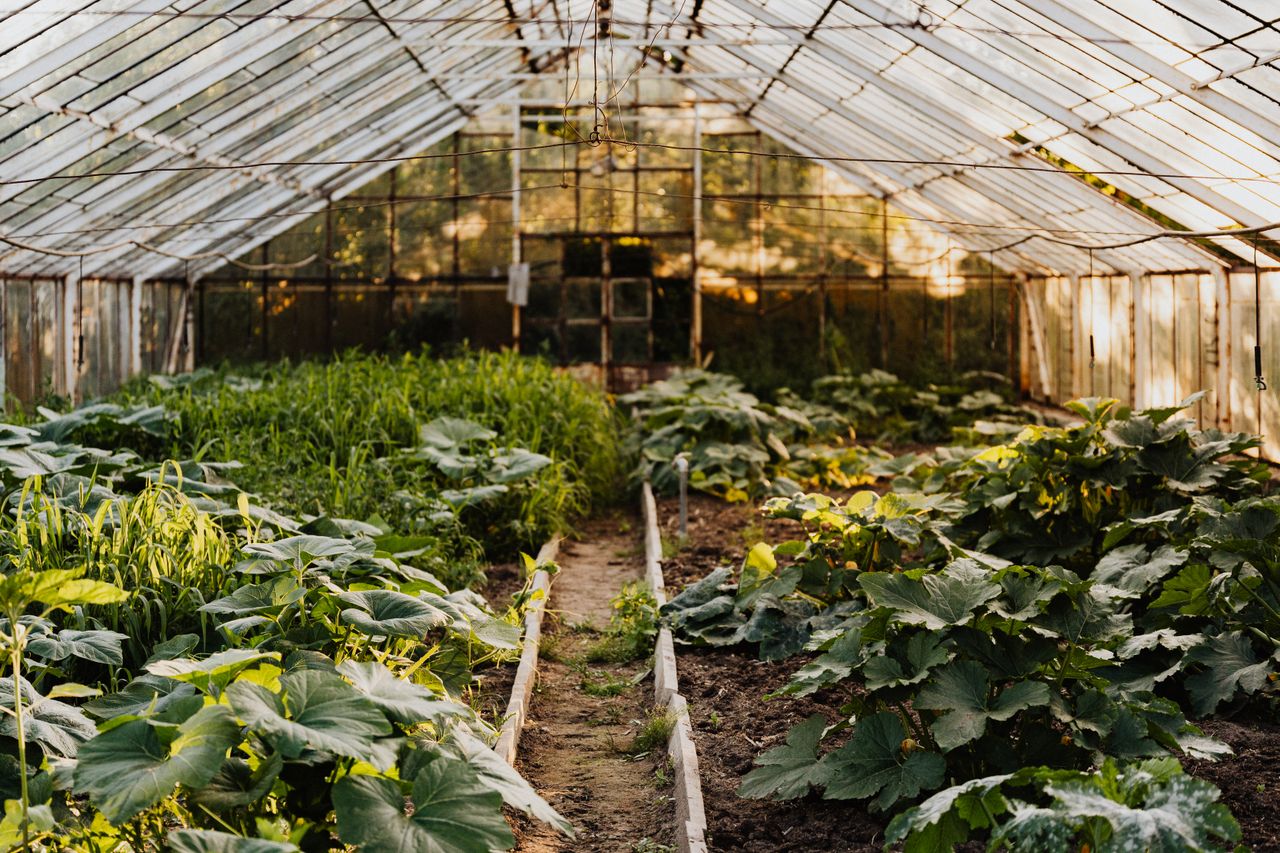
A vegetable garden is one of the most rewarding homesteading projects for beginners.
Start with a small growing area and choose crops that suit your climate and household. Tomatoes, beans, leafy greens, peppers, onions, herbs, and other locally suitable vegetables can provide useful harvests.
Before planting, learn about your soil, sunlight, water supply, and local growing season.
Keep the garden manageable. A smaller garden that receives consistent care will usually teach you more than a large garden that becomes difficult to maintain.
Grow a Herb Garden
Herbs are excellent for beginners because many varieties require relatively little space.
Basil, parsley, coriander, rosemary, thyme, mint, and other herbs can grow in garden beds or containers when conditions suit them.
Fresh herbs can improve everyday meals, while some varieties can also be dried for later use.
If space is limited, place herb containers near the kitchen where they remain easy to access and maintain.
Build a Compost Bin
Composting is a simple way to turn suitable organic waste into a useful soil amendment.
You can compost appropriate vegetable scraps, leaves, grass clippings, and other organic materials.
Maintain adequate moisture and airflow while keeping unsuitable materials out of the compost.
Once the material has fully decomposed, use the finished compost to improve suitable garden soils.
This project can reduce household waste while supporting future crops.
Learn Food Preservation
A successful garden can sometimes produce more food than your household can eat immediately.
Food preservation helps you make better use of seasonal abundance.
Beginners can start with relatively simple methods such as freezing or drying. You can later explore fermentation, pickling, or other preservation techniques.
Always use reliable food-safety guidance, particularly when preserving foods that require controlled acidity, temperature, or processing times.
Start a Small Chicken Flock
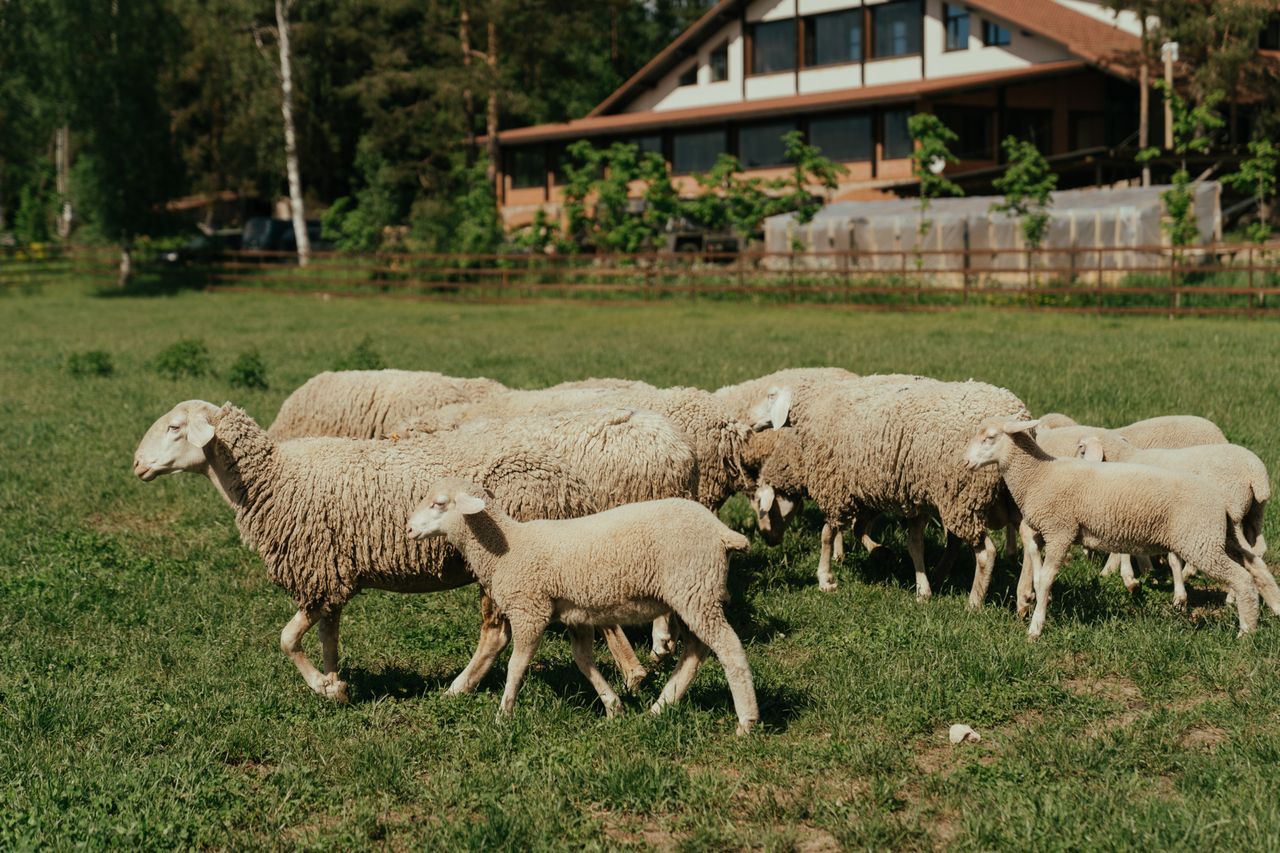
If local regulations and available space allow, keeping chickens can be a useful beginner project.
Chickens can provide eggs and manure while teaching you valuable animal-care skills.
Before purchasing birds, prepare secure housing, appropriate feed, clean water, ventilation, nesting areas, and protection from predators.
Start with a small flock and make sure you can provide consistent care throughout the year.
Grow Food in Containers
Container gardening can make homesteading possible even when you have limited land.
Use suitable containers to grow herbs, lettuce, peppers, tomatoes, and other crops that perform well in pots.
Make sure containers have adequate drainage and enough growing space for mature plants.
Containers can also allow you to move plants when seasonal sunlight or weather conditions change.
Plant Fruit Trees
Fruit trees can become valuable long-term additions to a homestead.
However, they require more planning than annual vegetables.
Choose varieties that suit your climate, soil, available space, and local growing conditions.
Consider the mature size of each tree before planting. Give trees enough room for roots and branches to develop.
Although fruit trees may take time to produce significant harvests, they can provide food for many years once established.
Create a Simple Rainwater System
Where local regulations and conditions permit, rainwater collection can provide water for appropriate outdoor uses.
A basic system can collect rainfall from a suitable roof surface and direct it into a properly designed storage container.
Keep collected water separate from drinking-water systems unless it has been appropriately treated and is legally suitable for that purpose.
Before installing a system, check local requirements and consider how you will prevent contamination and mosquito breeding.
Learn Basic Sewing and Mending
Not every homesteading project needs to involve food production.
Learning basic sewing can help you repair clothing, bags, bedding, curtains, and other household items.
Start by learning how to sew buttons, repair small tears, and reinforce worn seams.
These simple skills can extend the useful life of household items and reduce unnecessary waste.
Start a Seed-Saving Project
Saving seeds can become a useful skill once you gain confidence with gardening.
Begin with crops that are relatively straightforward to save and that produce viable seeds under your local conditions.
Learn about seed maturity, harvesting, drying, labeling, and storage.
Keep notes about the varieties you save so you can compare their performance in future seasons.
Build a Simple Garden Trellis
A trellis can help you make better use of vertical space.
Climbing beans, peas, cucumbers, and certain other crops can grow upward rather than spreading across the ground.
Use sturdy materials and position the trellis where it will not unnecessarily shade other crops.
Vertical growing can be particularly useful for small homesteads.
Make a Kitchen Garden
A kitchen garden focuses on foods that you use regularly.
Place frequently harvested herbs and vegetables in an accessible location.
For example, you could grow herbs, salad greens, onions, peppers, or other ingredients that commonly appear in your meals.
This approach makes gardening practical because you can harvest small quantities whenever you need them.
Learn Basic Tool Maintenance
Maintaining your tools can save money and improve efficiency.
Clean gardening tools after use and store them in a dry location. Keep cutting tools appropriately sharp and inspect equipment for damage.
Learn basic maintenance for the tools you use most often.
However, do not attempt repairs involving dangerous machinery, electricity, or complex mechanical systems without appropriate training.
Start a Homestead Journal
A homestead journal can become one of your most useful projects.
Record planting dates, harvest quantities, weather, animal-care tasks, expenses, repairs, and lessons learned.
Over time, these notes will show which crops perform best, which projects require the most work, and where you can improve.
Your journal can become a personalized guide for future seasons.
Choose Projects That Match Your Lifestyle
The best project is one that you can maintain consistently.
If you have limited time, start with containers, herbs, composting, or a small garden.
If you have more space and time, you might eventually add chickens, fruit trees, preservation, or larger growing areas.
Do not compare your beginning with someone else’s established homestead. Focus on steady progress.
Final Thoughts
The best homesteading projects for beginners are practical, manageable, and suited to your available space and resources. Vegetable gardens, herb gardens, composting, food preservation, container growing, chickens, fruit trees, and basic repair skills can all provide valuable starting points.
Choose one or two projects rather than attempting everything at once. Learn the basics, maintain your project consistently, and record what works.
As your skills and confidence grow, you can gradually take on more advanced projects and build a homestead that supports your household’s needs and lifestyle.