Water is one of the most important resources on any farm. However, rainfall does not always provide crops with the amount of moisture they need at the right time. Therefore, farmers need reliable irrigation systems to support crop growth, protect yields, and use water efficiently.
Modern irrigation offers several options, from simple surface systems to highly efficient drip and automated technologies. The best choice depends on your crops, soil, farm size, water supply, budget, and local conditions. Understanding the best irrigation methods for modern farms can help you select a system that meets your production needs.
Drip Irrigation
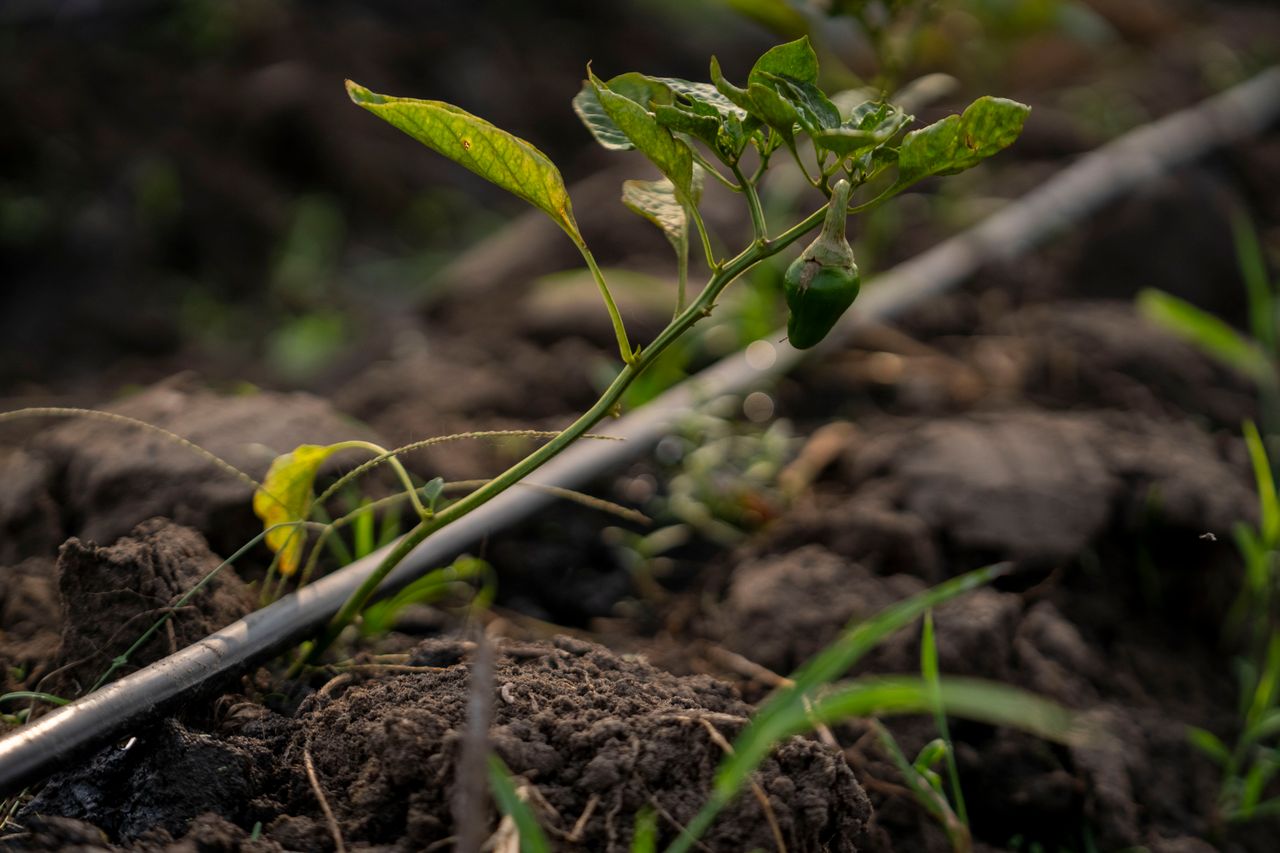
Drip irrigation is one of the most efficient methods for delivering water to crops. The system uses pipes, tubes, or emitters to release water slowly near the base of plants.
Because water reaches the root zone directly, drip irrigation can reduce unnecessary evaporation and runoff. Consequently, it can be particularly useful in areas where water is limited.
Drip systems work well for vegetables, fruits, herbs, and many high-value crops. They can also deliver fertilizers through irrigation systems when appropriate.
However, farmers need to maintain the system carefully. Small emitters can become blocked by sediment or other particles, so filtration and regular inspection are important.
Sprinkler Irrigation
Sprinkler systems distribute water over crops in a way that resembles natural rainfall. They can cover large areas and work with many different crops.
Farmers can choose from several sprinkler designs depending on field size and production requirements. Portable systems can provide flexibility, while larger fixed systems can irrigate extensive areas.
Sprinklers can also help farmers manage water more uniformly when the system is correctly designed and maintained.
Nevertheless, windy conditions can reduce application efficiency because wind may move water away from the intended area. Evaporation can also become significant during hot weather.
Therefore, farmers should schedule irrigation during periods when water losses are lower.
Surface Irrigation
Surface irrigation uses the natural movement of water across the soil surface. Common approaches include furrow, basin, and border irrigation.
This method can be relatively inexpensive because it may require less specialized equipment than pressurized irrigation systems. It can also work well on suitable soils and appropriately prepared fields.
However, surface irrigation can distribute water unevenly if the field is poorly graded or the system is badly managed.
Farmers should therefore understand their soil, field slope, water requirements, and crop layout before choosing this method.
Center Pivot Irrigation
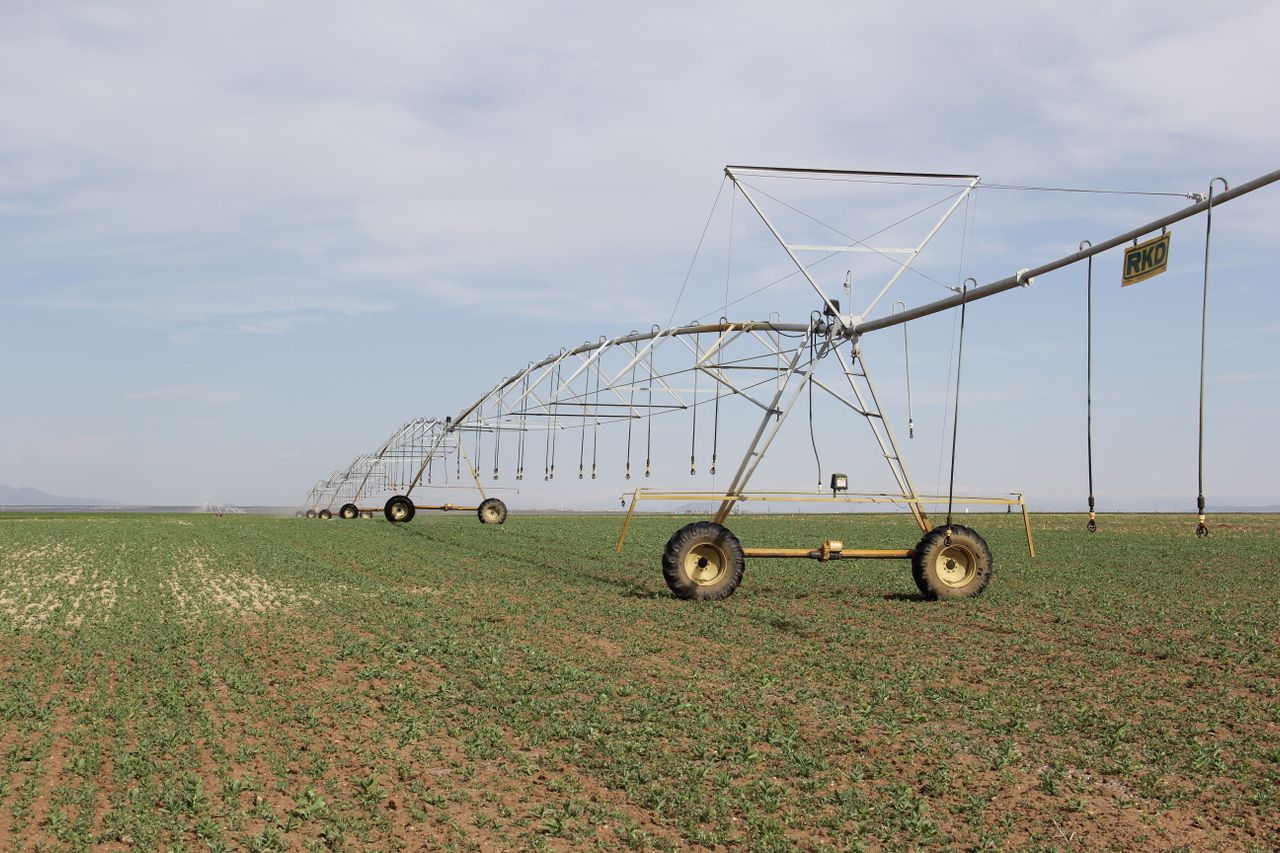
Center pivot systems use rotating equipment to distribute water across large, usually circular fields. They are commonly used for broad-acre crops where farmers need to irrigate extensive areas efficiently.
These systems can automate much of the irrigation process and provide relatively consistent water application when properly designed.
However, center pivots require a significant initial investment and may not make economic sense for very small farms.
Before purchasing one, farmers should compare equipment costs, expected water savings, crop value, field size, and long-term operating expenses.
Smart Irrigation Systems
Technology has transformed modern irrigation. Smart systems can use sensors, weather information, timers, and automated controls to determine when irrigation should occur.
Soil-moisture sensors, for example, can provide information about water conditions in the root zone. Farmers can use this information to avoid unnecessary irrigation.
Similarly, weather-based systems can adjust irrigation according to rainfall and atmospheric conditions.
Although smart irrigation technology can improve efficiency, it requires an appropriate investment and reliable equipment. Farmers should choose technology that matches their farm’s scale and technical capabilities.
Micro-Sprinkler Irrigation
Micro-sprinklers deliver water over a smaller area than conventional sprinklers. They can be useful for orchards, nurseries, vegetables, and other crops that benefit from localized irrigation.
Because they apply water over a limited area, they can reduce unnecessary wetting between crop rows.
Additionally, farmers can adjust the system according to plant spacing and crop requirements.
However, regular maintenance remains important. Clogged nozzles can reduce water distribution and create dry areas.
How to Choose the Right Irrigation Method
Choosing an irrigation system requires more than comparing equipment prices. First, assess your available water supply. Determine how much water you have, how reliable the source is, and whether water quality could affect the system.
Next, examine your soil. Sandy soils often drain quickly, while heavier soils can retain water for longer periods. These differences affect irrigation scheduling and system selection.
Then, consider your crops. Vegetables, orchards, grains, and pasture may require different approaches.
Finally, calculate the total cost. Include installation, energy, maintenance, labor, replacement parts, and expected water use.
Improve Irrigation Efficiency
Regardless of the system you choose, good management can improve performance.
First, inspect irrigation equipment regularly. Repair leaks, replace damaged components, and clean filters or nozzles as required.
Next, monitor soil moisture instead of relying solely on a fixed watering schedule. Weather conditions can change quickly, so adjust irrigation when rainfall or temperature changes.
Mulching can also reduce evaporation and help maintain soil moisture.
Furthermore, irrigate at appropriate times. Early morning or other cooler periods can reduce evaporation compared with irrigation during the hottest part of the day, although the ideal schedule depends on the system and local conditions.
Final Thoughts
The best irrigation methods for modern farms depend on the crop, soil, climate, water supply, farm size, and available budget. Drip irrigation can provide precise water delivery, while sprinklers offer broad coverage. Surface irrigation can provide a lower-cost option under suitable conditions, and technologies such as center pivots and smart irrigation can support larger or more advanced operations.
Most importantly, selecting an irrigation system should be based on efficiency and practicality rather than technology alone. By monitoring soil moisture, maintaining equipment, reducing water losses, and adjusting irrigation to crop needs, farmers can use water more effectively while supporting healthy and productive crops.