Water is one of the most important resources on a small farm. Crops need enough moisture to grow, but wasting water can increase costs and reduce the amount available for other plants. In this article, we discuss the best irrigation methods for small farms and how farmers can choose a system that fits their land, crops, budget, and water supply. The right method can improve crop growth, reduce water loss, and make farm work easier. However, no single system works for every farm, so it is important to understand the benefits and limits of each option.
Choose An Irrigation Method Carefully
Before installing an irrigation system, look at your farm conditions. Consider the size of the land, type of crops, water source, soil, available labor, and budget.
You should also think about how often your crops need water. Vegetables may need regular watering, while some established crops can handle longer periods between watering.
Consider these factors:
-
Available water supply
-
Farm size
-
Soil type
-
Crop water needs
-
Equipment costs
-
Labor requirements
-
Maintenance needs
-
Local weather conditions
A simple system may be better for a small farm than an expensive system that is difficult to maintain.
Drip Irrigation
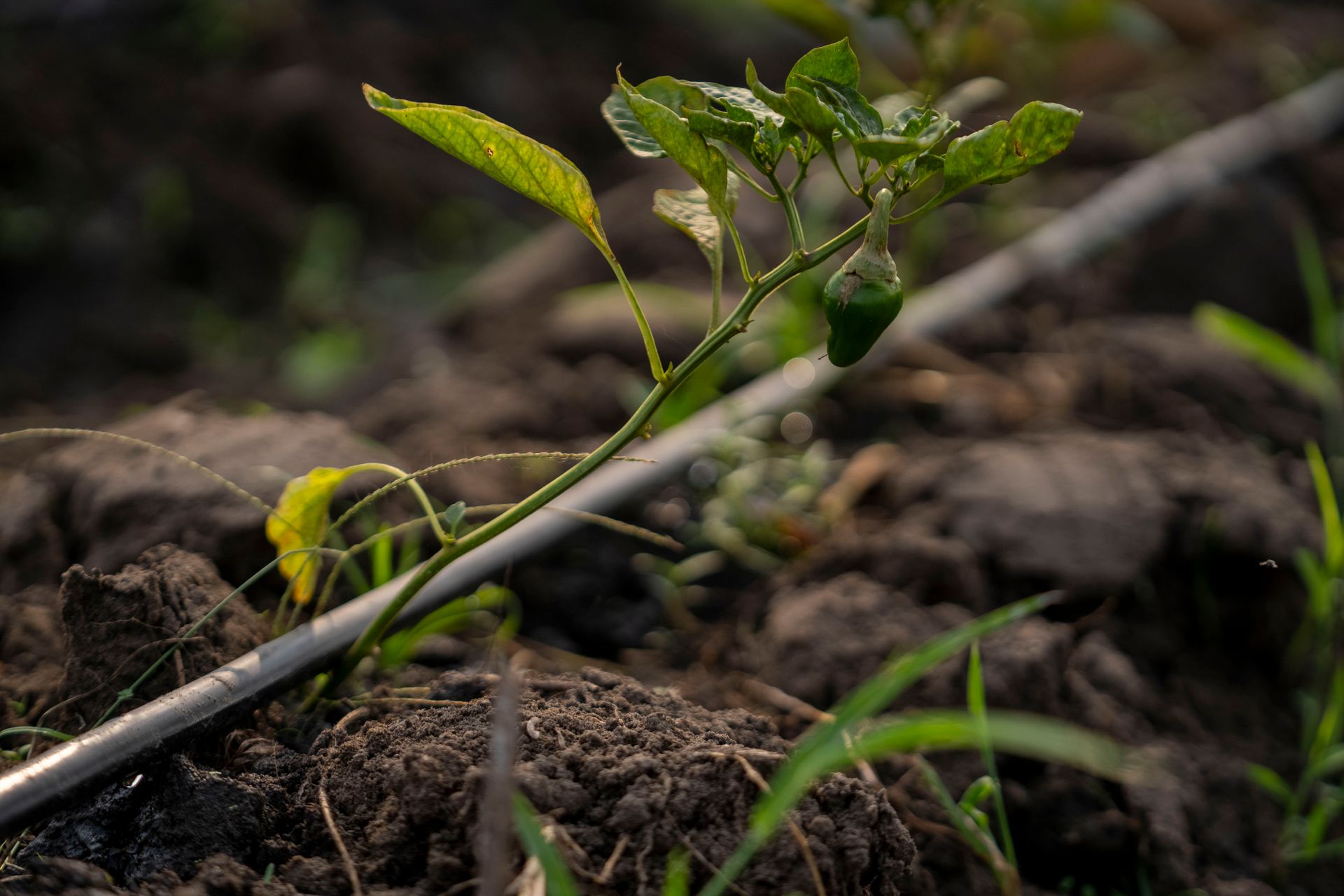
Drip irrigation is one of the most useful options for many small farms. It delivers water slowly near the base of each plant through small tubes or emitters.
This method can reduce water loss because water is placed close to the roots. It can also keep leaves drier, which may help reduce some disease problems.
Drip systems work particularly well for vegetables, fruit plants, herbs, and other crops planted in rows.
Benefits Of Drip Irrigation
-
Delivers water directly to plant roots
-
Can reduce unnecessary water use
-
Works well with row crops
-
Can be used on small plots
-
Helps maintain steady soil moisture
The system does require regular checking. Small emitters can become blocked by dirt or mineral deposits, so clean water and proper maintenance are important.
Sprinkler Irrigation
Sprinkler systems distribute water over crops in a way that resembles rainfall. They can be useful when farmers need to cover a larger area than a basic hose or watering can can reach.
Sprinklers can work well for vegetables, nurseries, lawns, and certain field crops. They can also provide fairly even coverage when the system is properly designed.
However, some water can be lost through evaporation, especially during hot or windy weather. Water on leaves may also increase the risk of certain diseases.
For better results, use sprinklers during cooler parts of the day when conditions allow.
Furrow Irrigation
Furrow irrigation uses small channels between rows of crops. Water moves through the channels and gradually enters the soil around the plants.
This method can be inexpensive because it requires less specialized equipment. It can work well on suitable land where water is available and the soil allows controlled movement.
However, it may use more water than drip systems. Poorly designed furrows can also cause erosion or uneven watering.
Farmers should plan the slope and length of the furrows carefully.
Watering Cans And Hoses
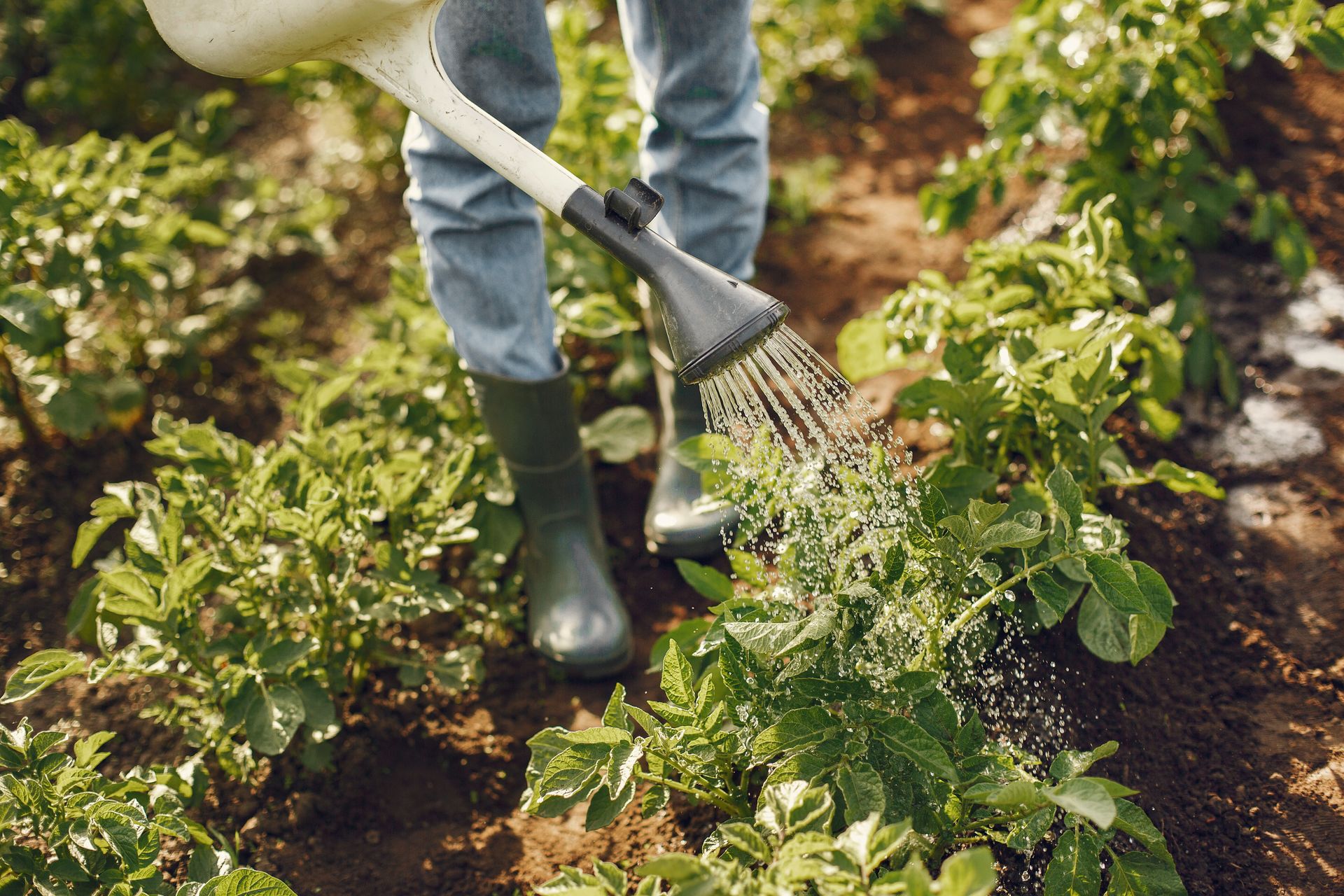
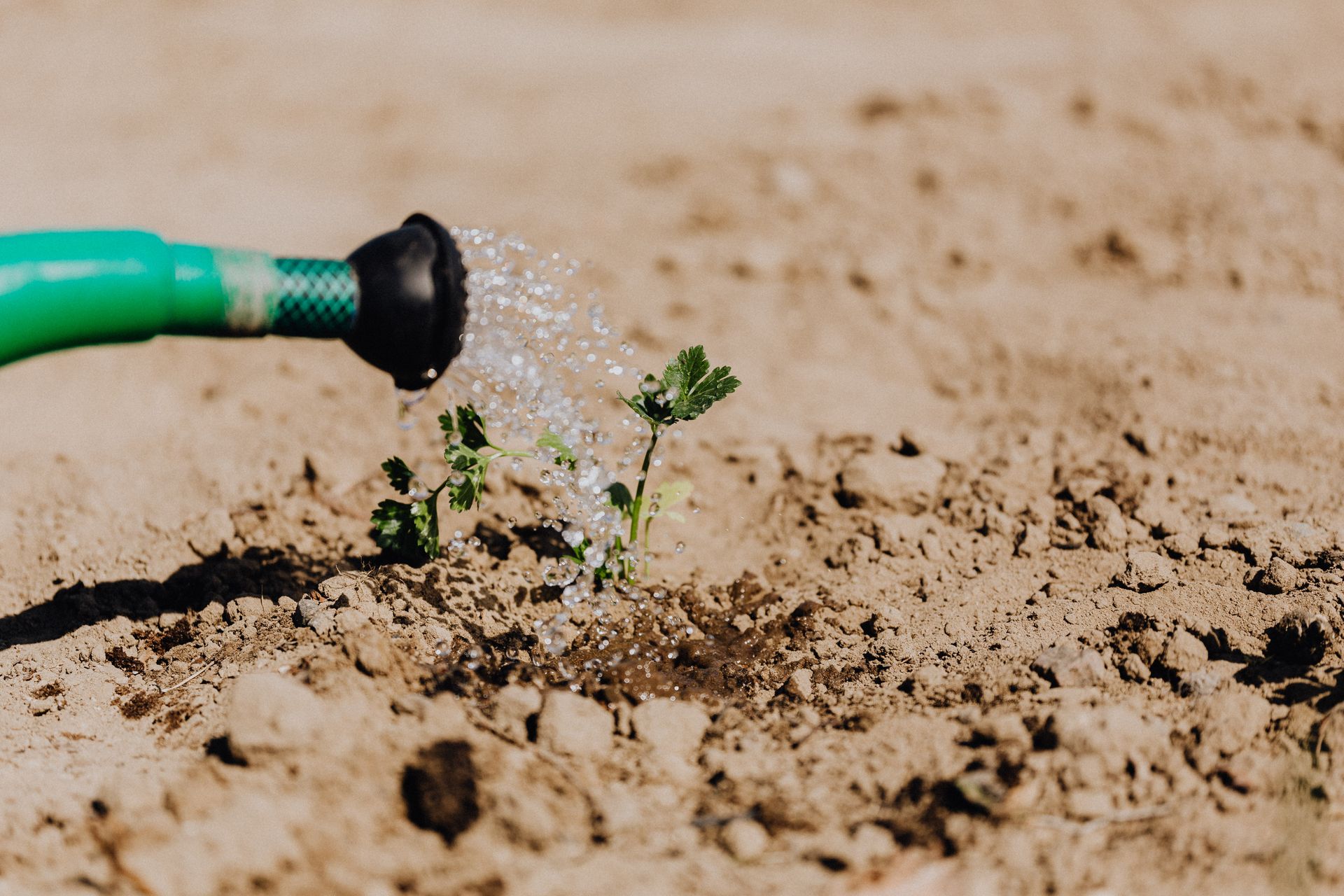
For very small farms or gardens, watering cans and hoses can be practical. They require little equipment and allow farmers to control exactly where water goes.
They are especially useful for seedlings, small vegetable beds, and areas where installing a full irrigation system would not be affordable.
The main disadvantage is labor. Watering large areas by hand can take considerable time and effort.
Use Mulch To Save Irrigation Water
Irrigation works better when farmers also protect moisture in the soil. Mulch can cover the soil surface and reduce evaporation.
Suitable materials can include dry leaves, grass, crop residues, or other safe organic materials. Mulch can also reduce weed growth and protect the soil from strong sunlight.
Water At The Right Time
Timing can make a major difference. Watering during the hottest part of the day can increase evaporation. Early morning is often a useful time because temperatures are lower and plants have time to use the moisture.
The exact timing should depend on local weather, soil conditions, and crop needs. Avoid following a fixed schedule without checking the soil.
Maintain Your Irrigation System
Even a simple system needs regular maintenance. Check pipes, hoses, sprinklers, tanks, and connections for leaks or damage.
Clean filters and emitters when necessary. Fix leaks quickly because small losses can become expensive over time.
Also, monitor your crops. Wilting, yellowing, standing water, or uneven growth can indicate that your irrigation system needs adjustment.
Conclusion
The best irrigation methods for small farms depend on the farm’s crops, soil, water supply, size, and budget. Drip irrigation can provide precise watering, while sprinklers can cover larger areas. Furrow irrigation may be suitable where simple channels are practical, and hand watering can work well for very small plots. Whatever method you choose, combine it with good soil care, mulch, regular maintenance, and careful watering times. Efficient irrigation can help small farmers protect water, reduce waste, and support healthier crops.