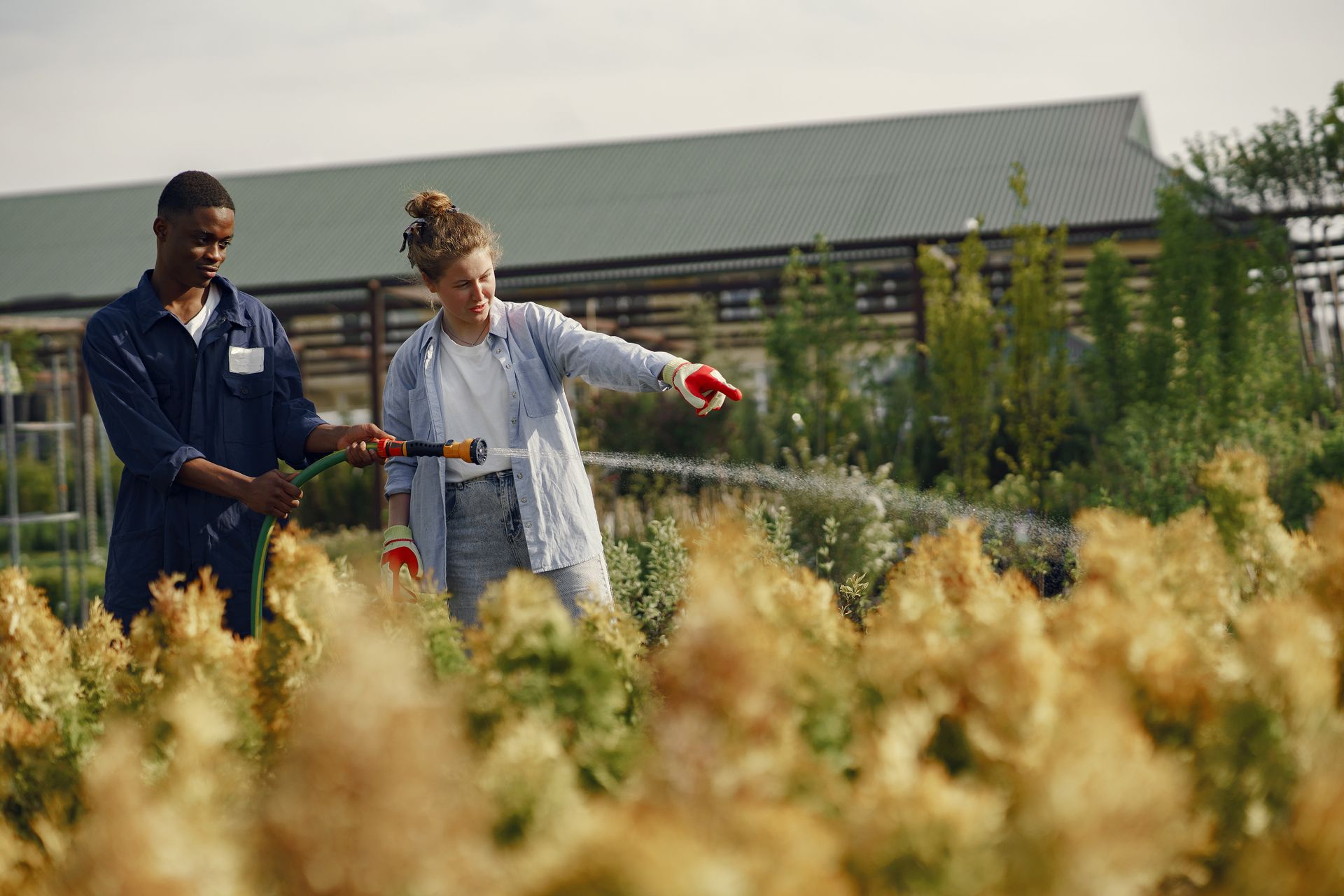
Pests can damage plants, reduce crop yields, and spread disease. However, farmers and gardeners do not always need strong chemicals to manage them. In this article, we discuss the best natural methods for controlling pests simply and practically. These methods use natural processes, helpful insects, plants, and good garden habits. When used correctly, they can reduce pest numbers while protecting soil, plants, and other useful organisms.

Simple Natural Ways For Controlling Pests In Gardens And Farms
Natural pest control starts with prevention. A healthy garden is often better able to handle pest attacks. Therefore, gardeners should focus on keeping plants strong and making the growing area less attractive to harmful insects. Regular checks can also help find problems before they become serious.
Keep Plants Healthy
Strong plants can often handle small pest attacks better than weak plants. Give plants enough water, sunlight, and nutrients. However, avoid giving them too much fertilizer. Excess fertilizer can cause fast, soft growth that some pests may prefer. Remove damaged leaves and dead plant parts when needed. Also, keep the growing area clean. These simple steps can reduce places where pests can hide and breed.
Use Helpful Insects
Not every insect is harmful. Many insects help control pests by eating them or attacking their eggs. Ladybugs, lacewings, spiders, and some types of wasps can help reduce harmful insects.
You can attract helpful insects by:
-
Growing flowers that provide nectar.
-
Avoiding unnecessary insect sprays.
-
Keeping some natural shelter near plants.
-
Growing different types of plants.
-
Providing a safe source of water.
These useful insects can become natural partners in the garden.
Grow Pest-Repelling Plants
Some plants produce strong smells or natural compounds that may discourage certain pests. Herbs such as mint, basil, rosemary, and thyme can be useful additions to a garden. Marigolds are also commonly grown around vegetables. However, results can vary depending on the pest and growing conditions. Planting a variety of crops can still make the garden less predictable and less attractive to some pests.
Use Physical Barriers
Physical barriers can stop pests from reaching plants. This method does not rely on chemicals. Gardeners can use insect netting, row covers, collars, or simple barriers around young plants. For crawling pests, a suitable barrier around the planting area may help. The barrier must be checked regularly because small gaps can allow pests to enter.
Remove Pests By Hand
Hand removal is simple and useful when pest numbers are low. Check the leaves, stems, and undersides of plants. Remove visible insects and place them away from the growing area. You can also remove heavily damaged leaves when appropriate. This method takes time, but it can prevent a small problem from becoming a large one.
Keep The Garden Clean
Good garden hygiene can make a major difference. Fallen leaves, dead plants, and rotting fruit can provide food and shelter for pests. Remove these materials regularly. Also, clean gardening tools when moving between areas with plant disease. In addition, avoid leaving ripe or damaged fruit on the ground. A clean growing area gives pests fewer places to survive.
Encourage Healthy Soil
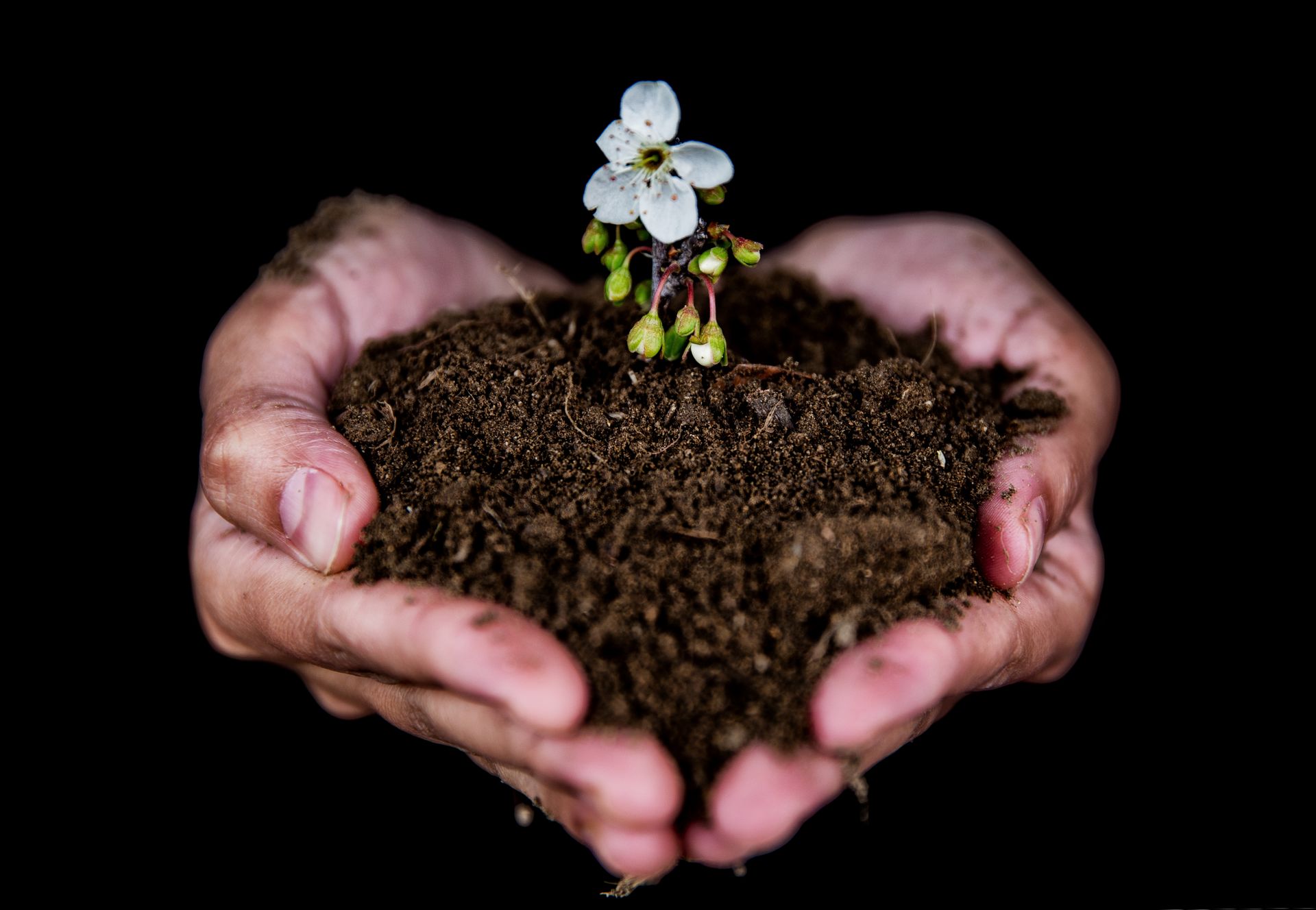
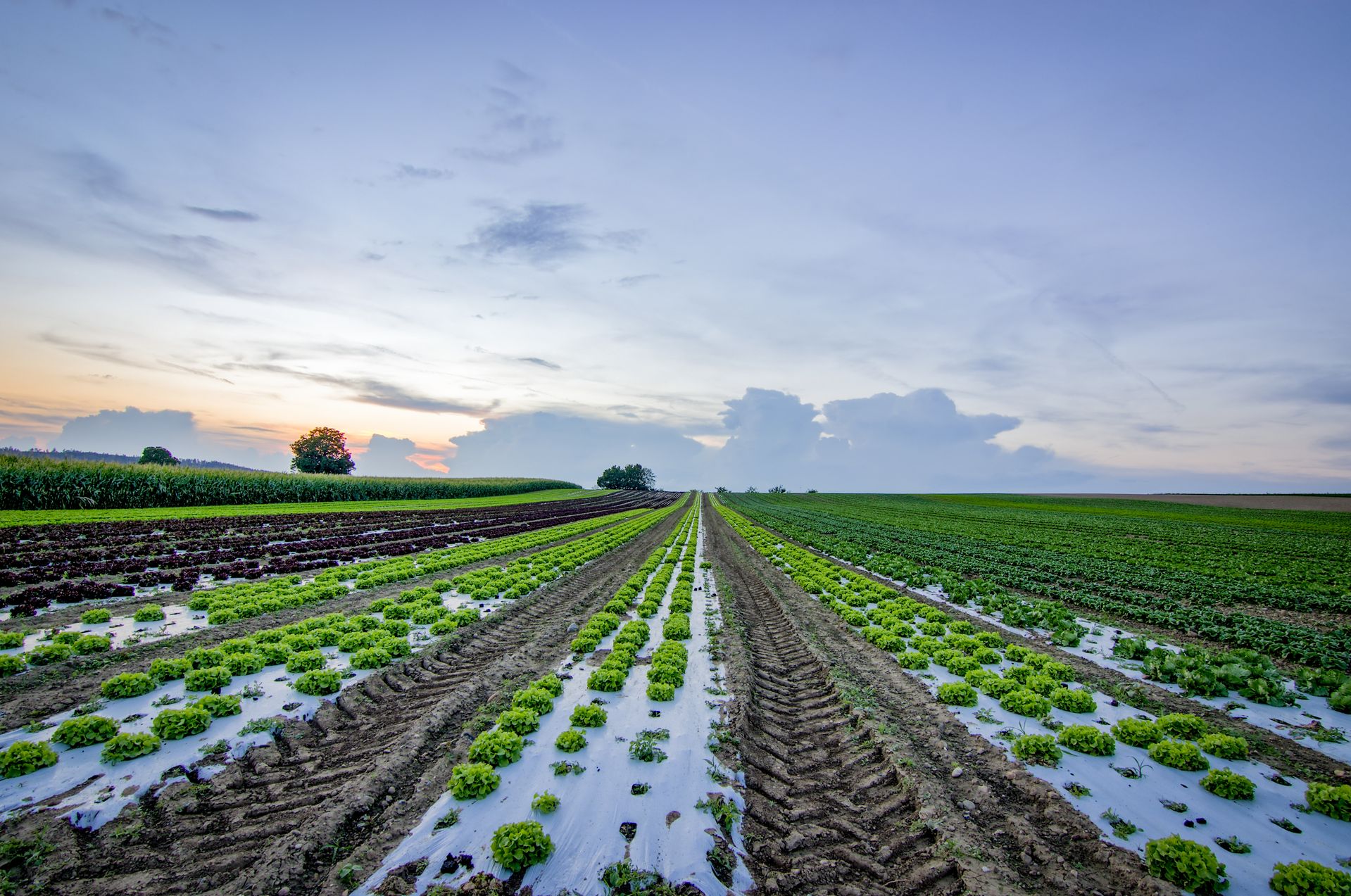
Healthy soil supports healthy plants. Add compost and other suitable organic materials to improve soil quality. Good soil can provide plants with better access to water and nutrients. As plants become stronger, they may cope better with some pest pressure. Crop rotation can also help. Changing where certain crops grow can interrupt the life cycle of pests that depend on one plant family.
Monitor Plants Regularly
Early detection makes pest management easier. Check plants several times each week during periods of high pest activity. Look for holes, curled leaves, sticky surfaces, damaged stems, and unusual spots. Also, check the soil around the plant. When you find a problem early, you may only need a simple control method.
A useful approach is:
-
Inspect plants often.
-
Identify the pest before taking action.
-
Start with the least harmful method.
-
Remove affected plant parts when suitable.
-
Monitor the plant after treatment.
Conclusion
Natural pest control can protect plants without relying heavily on harsh chemicals. Healthy soil, helpful insects, physical barriers, clean gardens, and regular monitoring can all reduce pest problems. The best method depends on the pest, plant, and growing conditions. Therefore, identify the problem first and choose a suitable solution. With patience and good garden habits, natural pest control can become a safe and practical part of growing healthy plants.