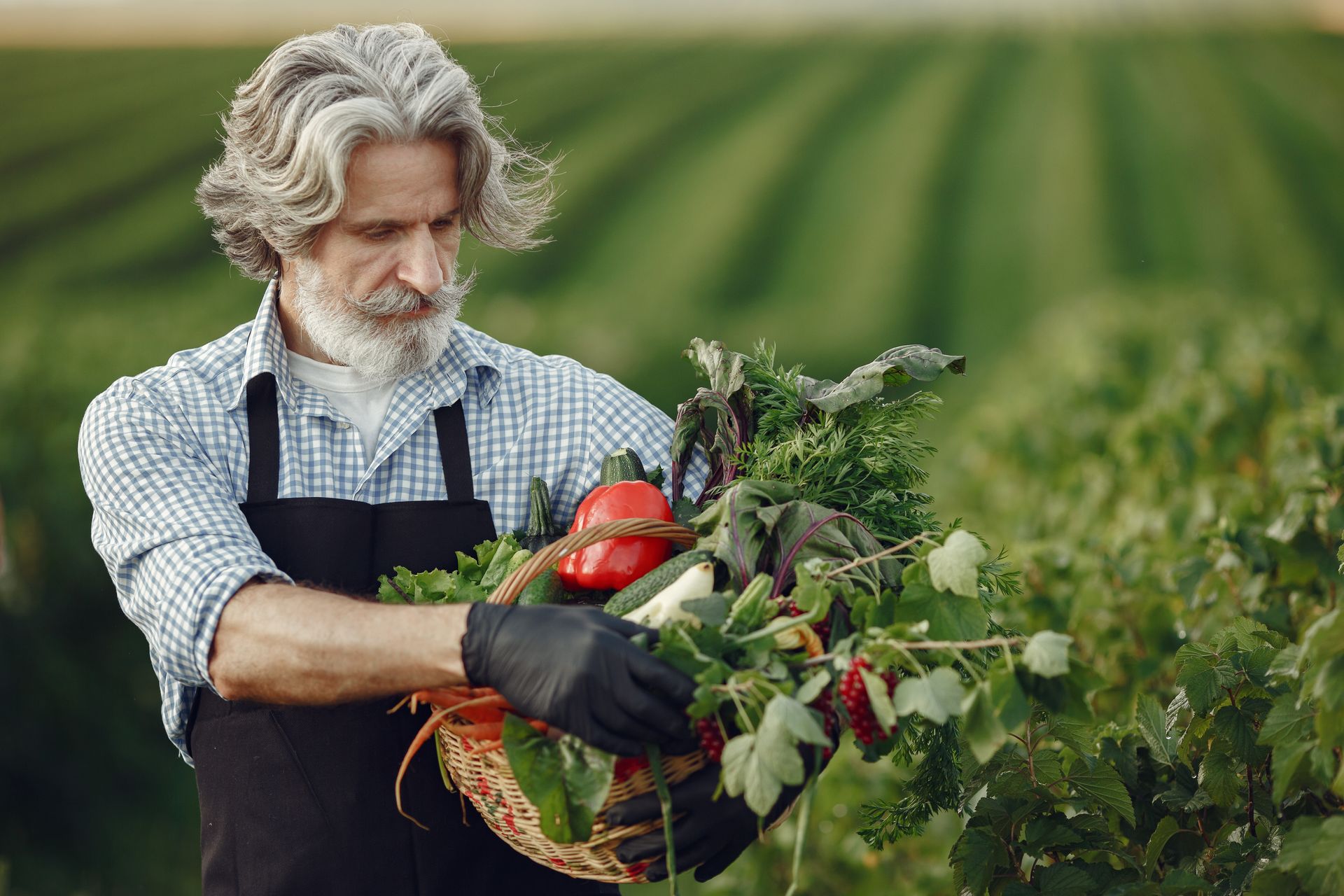
Buying seasonal produce can make your meals more varied while helping you enjoy fruits and vegetables when they are naturally available. Seasonal crops often provide good flavor and freshness, and buying them at peak harvest can sometimes offer better value.
However, growing seasons vary significantly depending on climate and location. Therefore, the best seasonal fruits and vegetables to buy will depend on where you live and the time of year.
Why Buy Seasonal Produce?
Seasonal produce is harvested during the period when particular crops grow successfully in a region. Farmers choose planting and harvesting times according to local weather, soil, and growing conditions.
When crops are abundant, markets may offer a wider selection and competitive prices. Furthermore, produce that reaches consumers soon after harvest may have excellent freshness and flavor.
Seasonal shopping can also encourage consumers to eat a wider variety of foods throughout the year.
Spring Fruits and Vegetables
In regions with a traditional spring growing season, farmers may begin harvesting a range of fresh vegetables as temperatures become more favorable.
Depending on the local climate, common spring vegetables can include spinach, lettuce, peas, radishes, spring onions, and other leafy greens.
Strawberries and other early fruits may also become available in suitable regions.
However, not every location follows the same seasonal calendar. In warmer climates, many of these crops may grow during cooler months instead.
Summer Fruits
Summer often brings an abundance of fruit in many growing regions.
Depending on local conditions, seasonal options can include watermelon, melons, peaches, plums, berries, mangoes, and other warm-season fruits.
Summer fruits can provide refreshing additions to meals, particularly during hot weather.
When choosing fruit, look for the characteristics associated with proper ripeness. Check aroma, firmness, color, and overall appearance according to the specific fruit.
Summer Vegetables
Many vegetables thrive during warm growing periods.
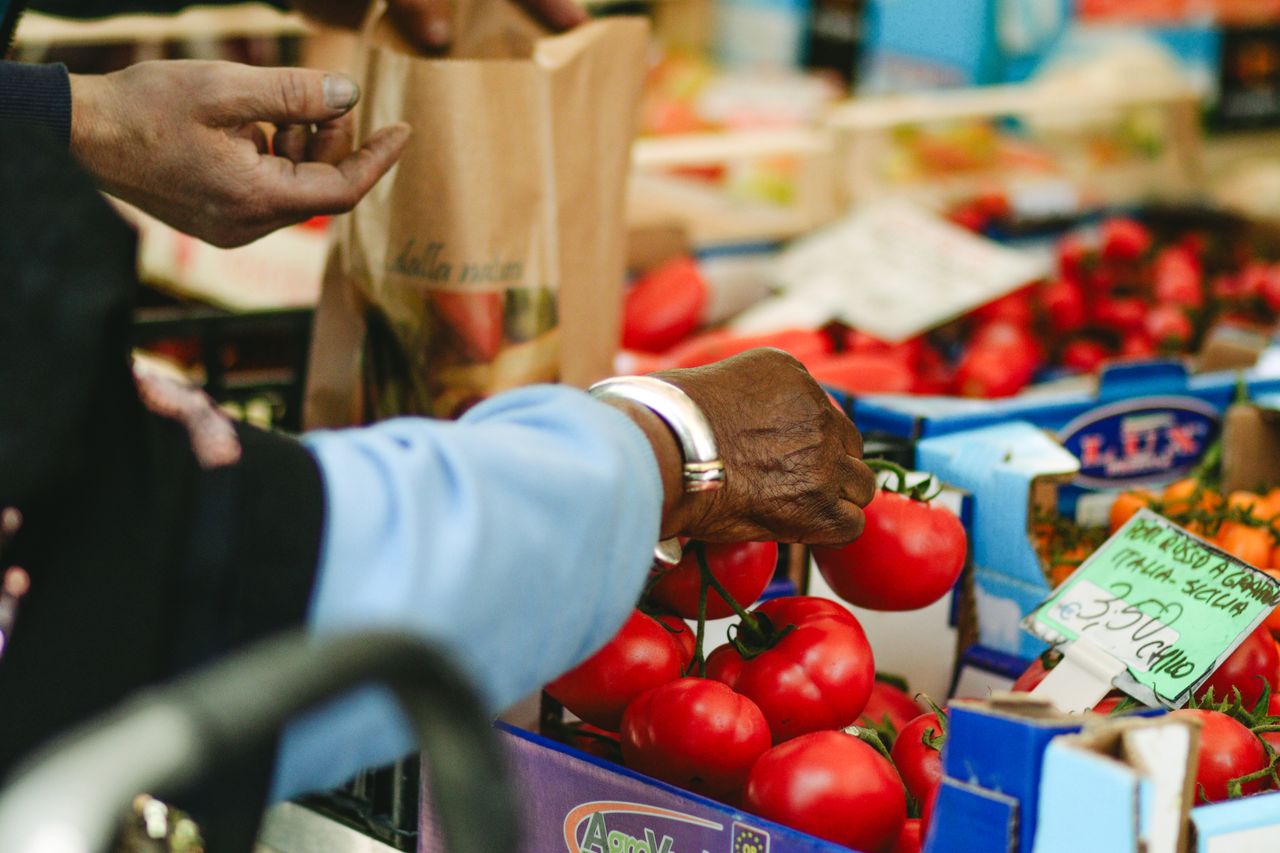
Tomatoes, cucumbers, peppers, eggplants, green beans, squash, and sweet corn can become widely available during suitable summer conditions.
Because these crops often have short periods of peak quality, farmers and consumers should pay attention to harvest timing.
If you find a large quantity of high-quality seasonal vegetables, consider preserving some through freezing, drying, pickling, or other suitable methods.
Autumn Fruits
Autumn can provide another diverse selection of fruits.
In suitable climates, apples, pears, grapes, pumpkins, and certain citrus fruits may become available during this period.
Firmness, aroma, and appearance can help you select quality fruit. However, remember that some fruits continue to mature after harvest while others are best eaten soon after reaching their ideal ripeness.
Learn the characteristics of the fruit you buy so you can choose the right maturity level for your needs.
Autumn Vegetables
Root vegetables often become important seasonal foods during cooler growing periods.
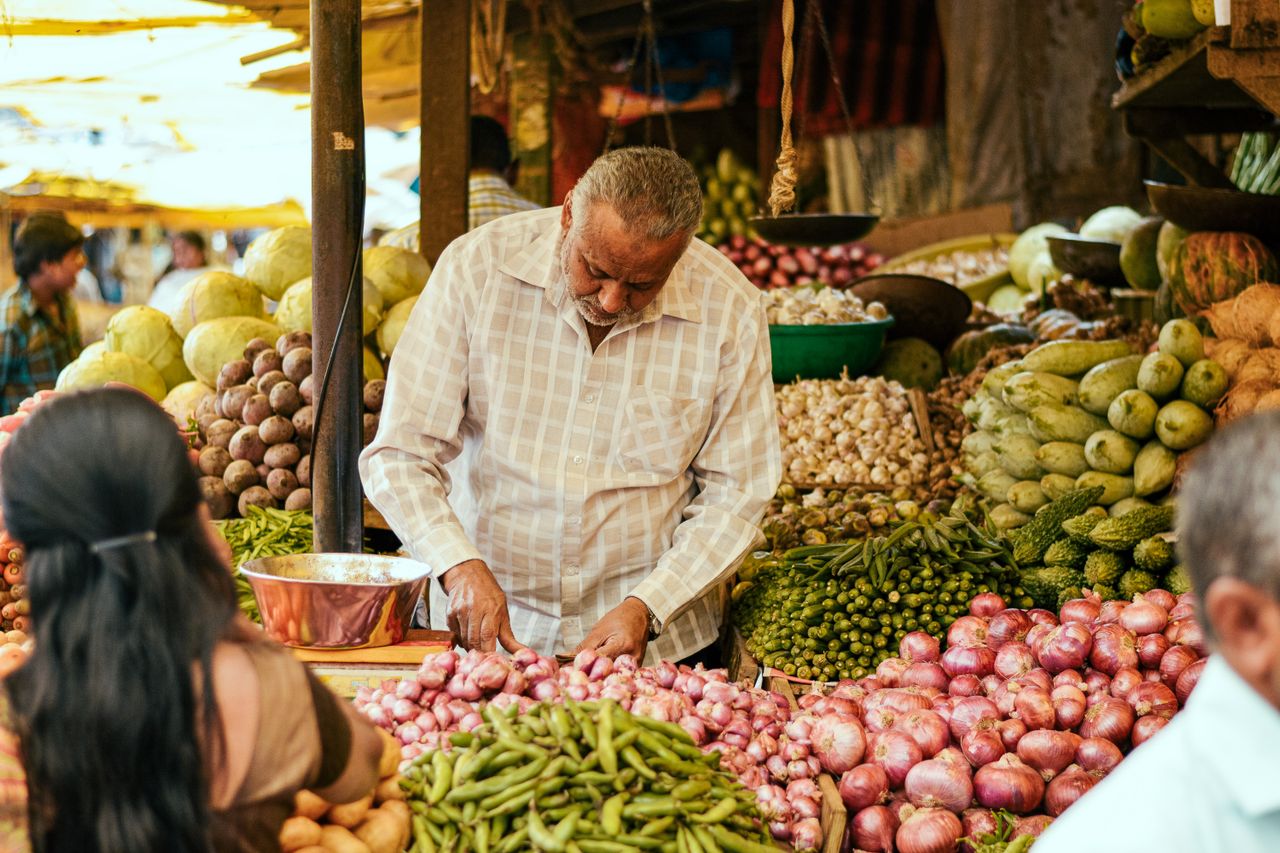
Carrots, beets, sweet potatoes, turnips, and other roots can provide versatile ingredients for many meals.
Leafy vegetables such as kale, cabbage, and spinach may also perform well in cooler conditions.
When selecting root vegetables, choose produce that feels firm and does not show excessive shriveling, mold, or serious damage.
Winter Produce
In regions with cold winters, the range of locally grown produce may become smaller. However, farmers can still produce certain crops depending on the climate and available growing systems.
Cabbage, carrots, onions, potatoes, leafy greens, and other hardy vegetables may remain available.
Citrus fruits can also be seasonal during cooler months in suitable climates.
In warmer regions, winter can actually represent a major growing season for many vegetables because moderate temperatures reduce heat stress.
Tropical and Warm-Climate Produce
Farmers in tropical and subtropical regions often have very different seasonal patterns.
Mangoes, bananas, papayas, pineapples, avocados, passion fruit, and other tropical crops may have specific harvest periods.
Vegetables such as tomatoes, peppers, okra, leafy greens, and pumpkins may also grow during different parts of the year depending on rainfall and temperature.
Therefore, local farmers and markets are often the best sources of information about what is currently in season.
How to Choose Fresh Seasonal Produce
Once you know what is in season, learn how to select high-quality products.
Check fruits and vegetables for appropriate color, firmness, aroma, and overall condition. Avoid produce with extensive mold, severe bruising, leaking, or signs of decay.
For leafy greens, look for crisp leaves with healthy coloration.
For root vegetables, choose firm roots without excessive softness or shriveling.
Most importantly, understand that appearance varies naturally between varieties. A small blemish does not necessarily mean that produce lacks quality.
Buy From Local Farmers
Local farmers can provide valuable information about seasonal availability.
Ask when a product was harvested and how it was stored. Farmers can also tell you which varieties are currently performing well and how to prepare unfamiliar produce.
Buying directly from local farms can also help support agricultural businesses in your community.
However, local produce is not automatically better. Consider freshness, handling, growing practices, and quality when making your choice.
Plan Meals Around the Season
Instead of planning meals around a fixed list of ingredients, consider choosing meals based on what is currently abundant.
For example, when tomatoes are plentiful, you might prepare fresh salads, sauces, or preserved products. When root vegetables are abundant, roasted or steamed dishes may become part of your weekly meals.
This approach can make cooking more flexible and help reduce food waste.
Preserve Seasonal Abundance
Seasonal produce may sometimes be available in quantities greater than your household can consume immediately.
Rather than allowing surplus food to spoil, preserve suitable fruits and vegetables.
Depending on the product and your available facilities, you can freeze, dry, pickle, ferment, can, or otherwise preserve produce using safe methods.
Proper preservation allows you to enjoy seasonal foods beyond their peak harvest period.
Final Thoughts
The best seasonal fruits and vegetables to buy depend on your local climate, growing calendar, and farming conditions. Fruits such as mangoes, berries, melons, apples, and citrus can have distinct seasonal periods, while vegetables such as tomatoes, leafy greens, carrots, peppers, cabbage, and root crops can thrive during different parts of the year.
Most importantly, learn what local farmers are harvesting throughout the year. Buy produce when it is fresh and abundant, choose quality products, and plan meals around seasonal availability.
By shopping seasonally, you can enjoy greater variety, discover new foods, support local agriculture, and make better use of fresh farm produce.