Growing vegetables at home can provide fresh ingredients while helping you develop useful gardening skills. However, beginners often wonder which crops are easiest to grow and which ones provide the best results in a limited space.
The answer depends on your climate, soil, available sunlight, water supply, and growing season. Nevertheless, many vegetables can perform well in home gardens when you provide suitable conditions.
Choosing the best vegetables to grow in a home garden starts with selecting crops that match your space, experience, and household preferences.
Tomatoes
Tomatoes are popular among home gardeners because they can produce a useful harvest from a relatively small growing area.
They generally need plenty of sunlight, fertile soil, consistent moisture, and support for varieties that grow upright.
You can grow tomatoes in garden beds or suitably sized containers.
Choose varieties that perform well in your local climate and consider disease resistance when selecting seeds or seedlings.
Green Beans
Green beans can be a practical choice for beginners.
Bush varieties remain relatively compact, while climbing varieties can use vertical space when provided with appropriate support.
Beans generally need suitable soil, sunlight, and consistent moisture.
Harvest pods regularly when they reach the desired size. Frequent harvesting can encourage continued production in many varieties.
Carrots
Carrots can be rewarding to grow, particularly when you have loose, well-drained soil.
Heavy or compacted soil can interfere with root development, so prepare the growing area carefully.
Choose varieties suited to your soil and available space. Shorter varieties can work better in shallow soils or containers.
Keep the soil consistently moist during germination, as carrot seeds can take time to emerge.
Lettuce
Lettuce is a useful option for gardeners who want a relatively quick crop.
It can grow in garden beds, raised beds, and containers.
Lettuce generally prefers cooler conditions, although suitable varieties may perform well under different climates.
Plant small quantities at intervals rather than planting everything at once. This approach can provide a more continuous supply of fresh leaves.
Spinach and Other Leafy Greens
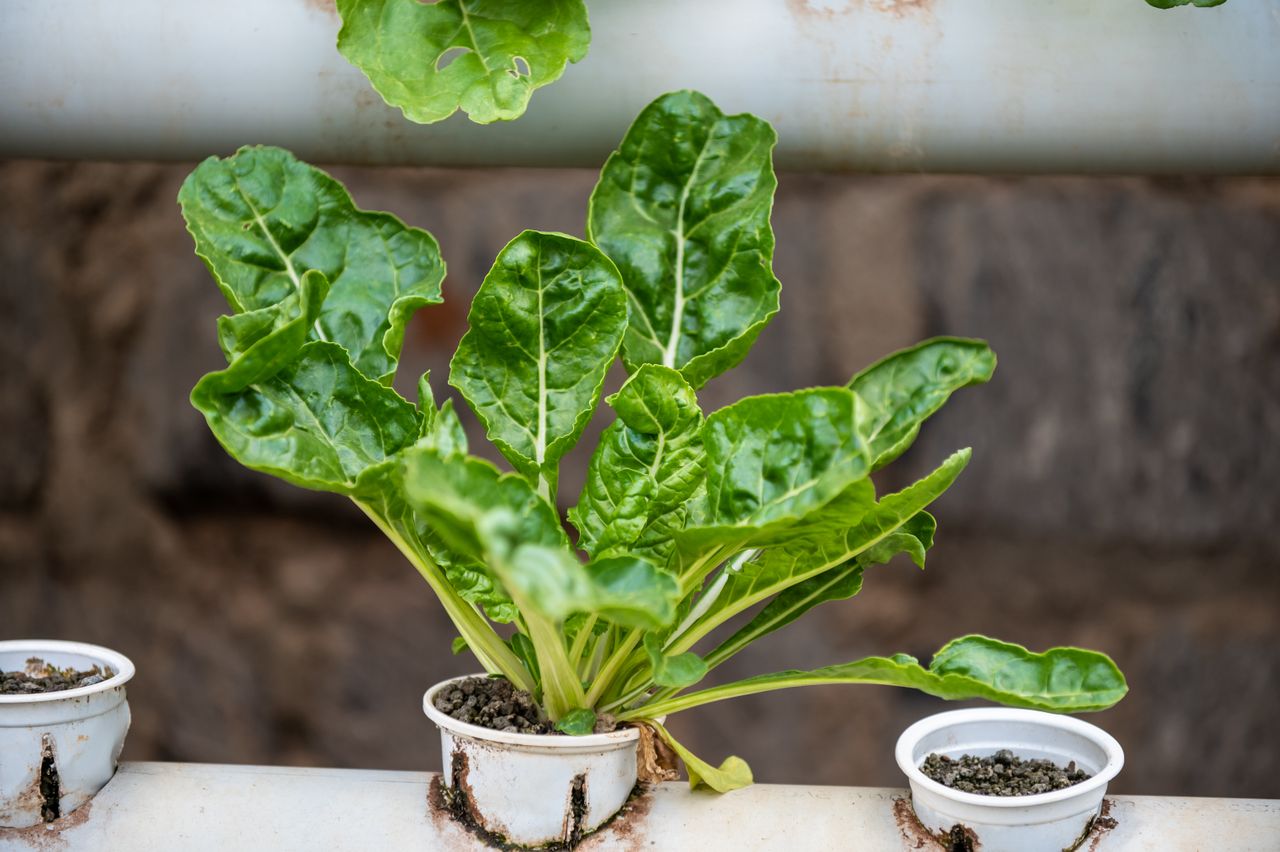
Leafy greens can provide valuable harvests from relatively small spaces.
Depending on your climate, options may include spinach, kale, Swiss chard, amaranth, or other locally suitable greens.
Harvest outer leaves as needed while allowing the plant to continue producing.
Keep plants adequately watered, particularly during hot or dry weather.
Peppers
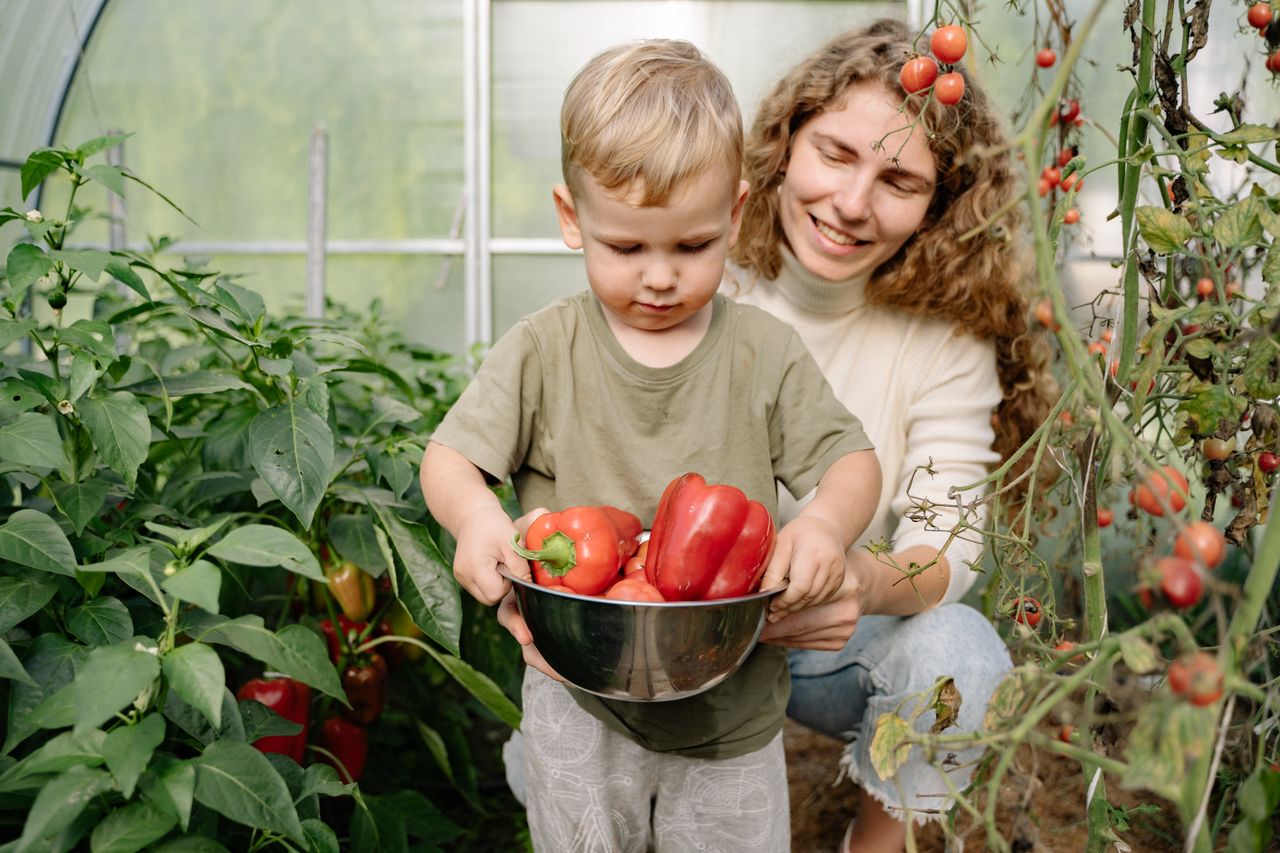
Peppers can be excellent garden crops when temperatures and growing conditions suit them.
They generally need good sunlight, fertile soil, and consistent moisture.
Different varieties offer a range of sizes, colors, flavors, and levels of heat.
If you have limited space, compact varieties can work well in containers.
Onions
Onions are useful because they can become an important ingredient in many meals.
They require suitable soil, sunlight, and adequate moisture during development.
Choose varieties based on your local growing conditions and the length of your growing season.
Proper harvesting and curing can help extend storage life for certain onion types.
Radishes
Radishes are often suitable for gardeners who want a quick-growing crop.
They can grow in relatively small spaces and may work well in containers.
Prepare loose soil and provide consistent moisture.
Because radishes mature quickly, they can also be useful for teaching children or beginner gardeners about the basic planting-to-harvest cycle.
Cucumbers
Cucumbers can produce abundant harvests under suitable conditions.
They generally benefit from warm temperatures, adequate sunlight, fertile soil, and consistent moisture.
Vining varieties can use trellises to save ground space.
Provide sturdy support and train plants carefully as they grow.
Regular harvesting can encourage continued production.
Zucchini and Summer Squash
Zucchini and other summer squash can grow rapidly and produce substantial amounts of food.
They require adequate space because many varieties spread across the ground.
If you have limited room, look for compact varieties.
Check plants regularly once they begin producing because squash can become large quickly.
Harvesting at an appropriate size usually provides better texture for many recipes.
Peas
Peas can be excellent cool-season crops where climate conditions allow.
They can grow vertically when provided with suitable support.
Plant them during the appropriate season for your region and keep the soil adequately moist.
Fresh peas can be eaten soon after harvest or used in a variety of cooked dishes.
Potatoes
Potatoes can provide a substantial harvest from a relatively manageable growing area.
They need suitable soil, adequate drainage, and appropriate growing conditions.
You can grow them in garden beds or suitable containers and growing bags.
As plants develop, follow appropriate growing practices to protect developing tubers from excessive exposure to light.
Herbs for the Vegetable Garden
Although herbs are not technically vegetables, they deserve a place in many home gardens.
Basil, parsley, coriander, mint, rosemary, thyme, and other herbs can add flavor to home-cooked meals.
Many herbs can grow successfully in containers, making them useful for gardeners with limited space.
Choose varieties that suit your local climate and harvest them regularly.
How to Choose the Right Vegetables
The best vegetables for your garden are not necessarily the ones that are most popular.
First, consider what your household actually eats.
Next, evaluate your available sunlight, water, soil, space, and time.
Then, research which varieties perform well in your local growing conditions.
If you are a beginner, start with three to five crops instead of trying to grow everything at once.
This makes it easier to understand each plant’s needs and identify problems early.
Make the Most of Small Spaces
Limited space does not mean you cannot grow a productive garden.
Use containers, raised beds, trellises, and vertical supports where appropriate.
Choose compact varieties when available and combine crops with different growth patterns.
For example, climbing beans can use vertical space while leafy greens occupy lower areas.
However, avoid overcrowding plants because they still need adequate light, air circulation, water, and nutrients.
Plan for Continuous Harvests
Instead of planting every crop on the same day, consider succession planting.
Sow small quantities of suitable crops at regular intervals.
This approach can help spread out harvests and prevent you from having too much produce at one time.
It works particularly well for certain quick-growing vegetables and leafy greens.
Final Thoughts
The best vegetables to grow in a home garden depend on your climate, available space, soil, sunlight, water, and personal preferences. Tomatoes, beans, carrots, lettuce, leafy greens, peppers, onions, radishes, cucumbers, squash, peas, and potatoes can all be useful choices when their growing requirements match your conditions.
Start with a few crops that your household enjoys. Learn how each one grows, keep simple gardening records, and expand gradually.
With careful planning and consistent attention, even a small home garden can provide a rewarding supply of fresh vegetables throughout the growing season.