


Water is one of the most valuable resources on any farm. Efficient water management can help farmers maintain healthy crops, reduce unnecessary water use, control operating costs, and improve resilience during dry periods.
However, saving water does not simply mean using less. Farmers need to provide crops with enough moisture while reducing losses from evaporation, runoff, leaks, and inefficient irrigation.
The best water-saving techniques for farmers combine efficient irrigation with healthy soil, careful crop selection, weather awareness, and good farm planning.
Understand Your Farm’s Water Needs
Before changing your irrigation system, determine how much water your crops actually need.
Different crops have different water requirements, and those requirements can change throughout the growing season.
Soil type also matters. Sandy soils may drain quickly, while clay soils can hold more water but may require careful management to avoid waterlogging.
Monitor soil moisture, weather conditions, crop growth, and irrigation performance.
This information can help you avoid watering simply because a fixed schedule says it is time.
Improve Irrigation Efficiency
An efficient irrigation system can significantly reduce water waste.
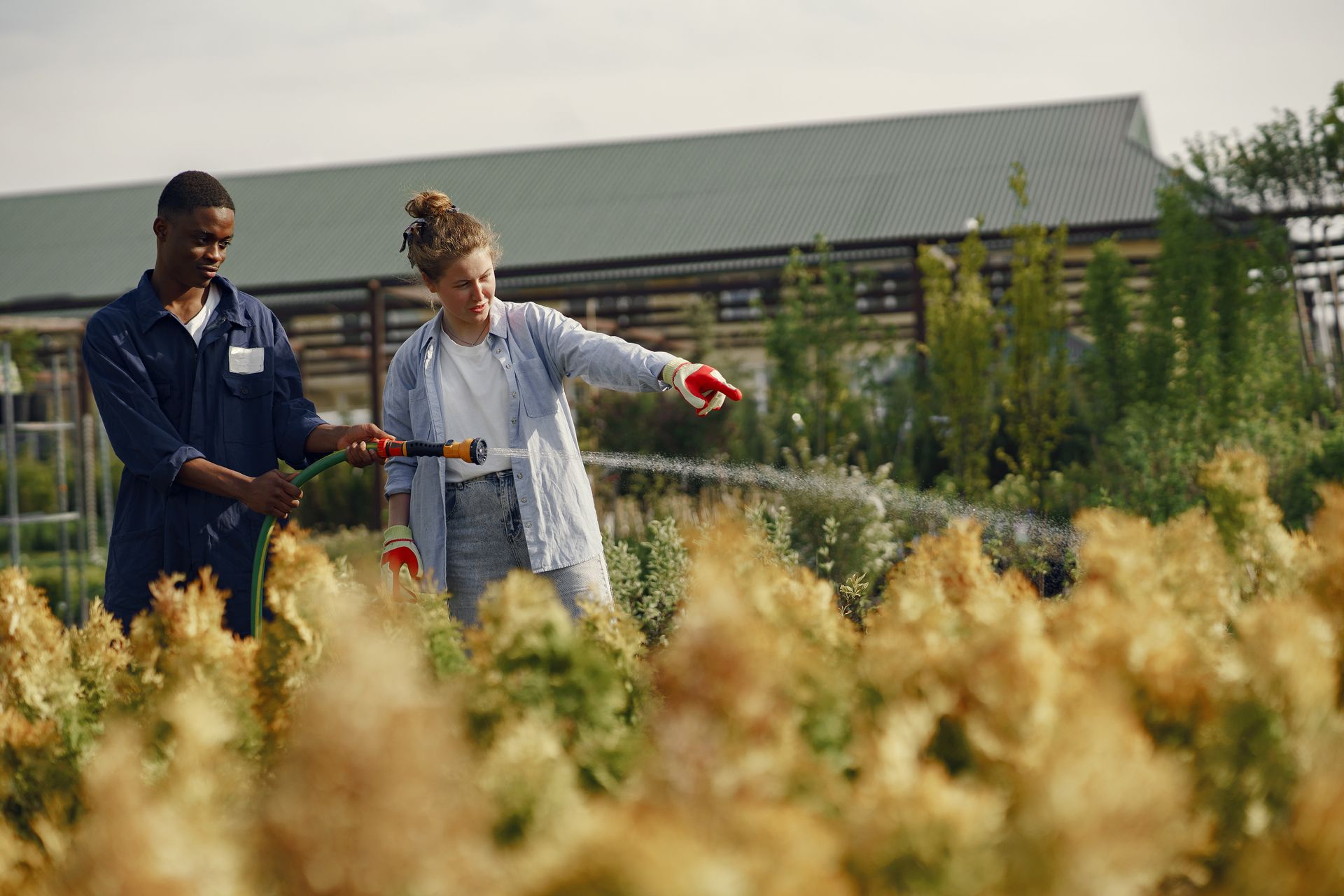
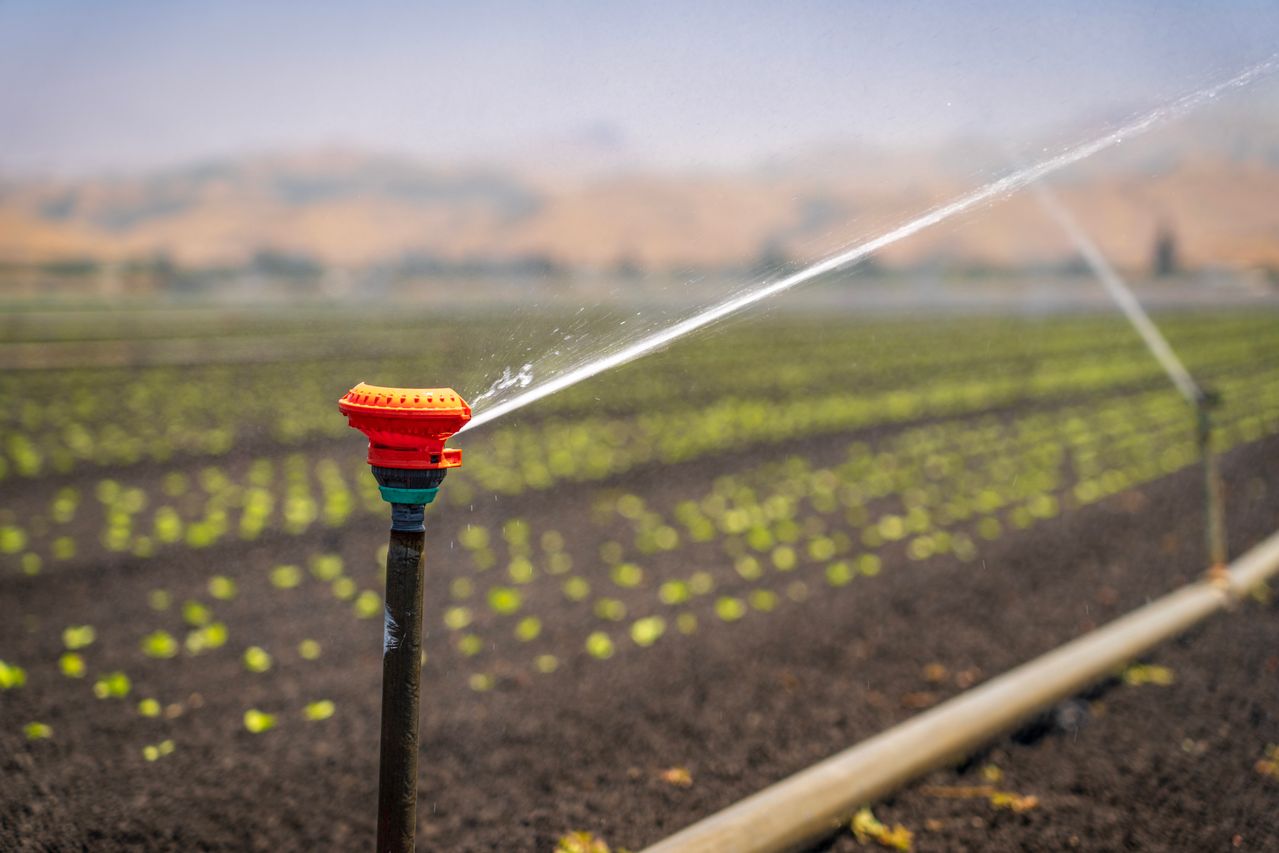
Inspect your irrigation equipment regularly and repair leaks, damaged pipes, blocked emitters, or poorly functioning sprinklers.
Make sure water reaches the root zone rather than unnecessary areas between rows or outside the field.
Furthermore, maintain irrigation equipment according to the manufacturer’s recommendations.
Even a well-designed system can waste water when components become damaged or poorly adjusted.
Use Drip Irrigation Where Appropriate
Drip irrigation can deliver water close to plant roots through emitters or drip lines.
This method can reduce some losses associated with spraying water into the air or across areas where crops do not grow.
Drip systems can work particularly well for suitable vegetables, orchards, vineyards, and other crops with organized planting patterns.
However, farmers should select irrigation systems according to crop type, soil, field layout, water quality, maintenance capacity, and budget.
Water at the Right Time
Timing can make a major difference in water efficiency.
Watering during periods of high heat and strong evaporation can increase water losses.
Where practical, irrigate during cooler periods when less water is likely to evaporate before reaching the soil.
However, local weather, crop requirements, and irrigation equipment should guide scheduling.
Avoid following a rigid timetable when recent rainfall or soil moisture indicates that irrigation is unnecessary.
Monitor Soil Moisture
Soil-moisture monitoring can help farmers decide when irrigation is actually needed.
Simple field observations can provide useful information, while moisture meters or other monitoring tools can provide more precise measurements.
Check moisture at appropriate root-zone depths rather than only examining the soil surface.
By combining soil-moisture information with weather forecasts and crop growth stages, farmers can make more informed irrigation decisions.
Use Mulch to Reduce Evaporation
Mulching can help conserve moisture near plant roots.
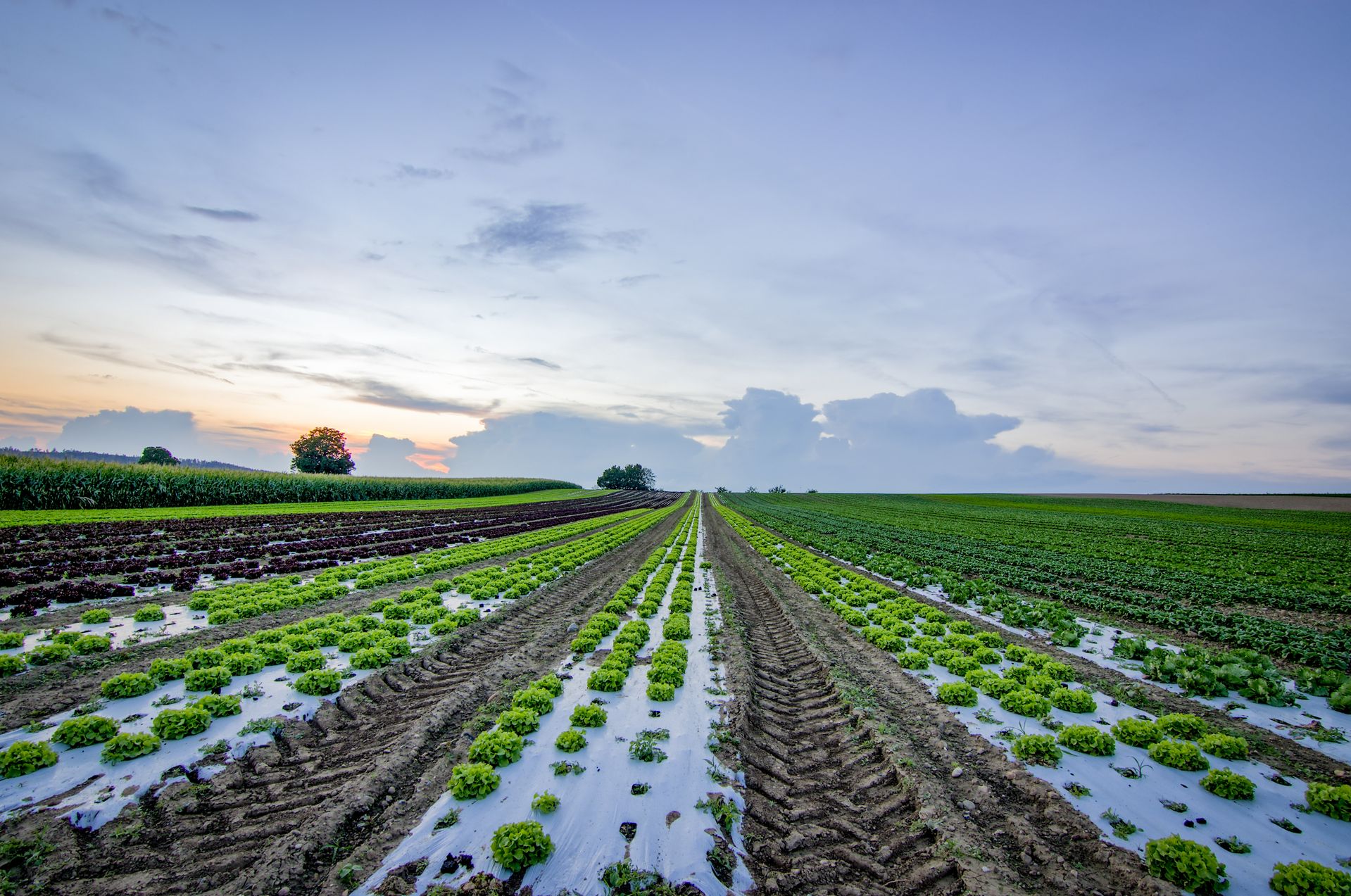
Organic materials such as suitable crop residues, straw, leaves, or other appropriate materials can cover the soil surface.
Mulch can reduce evaporation, suppress weeds, moderate soil temperatures, and protect the soil from direct exposure.
Apply mulch appropriately around crops and avoid creating conditions that encourage excessive moisture or plant disease.

Improve Soil Organic Matter
Healthy soil can play an important role in water management.
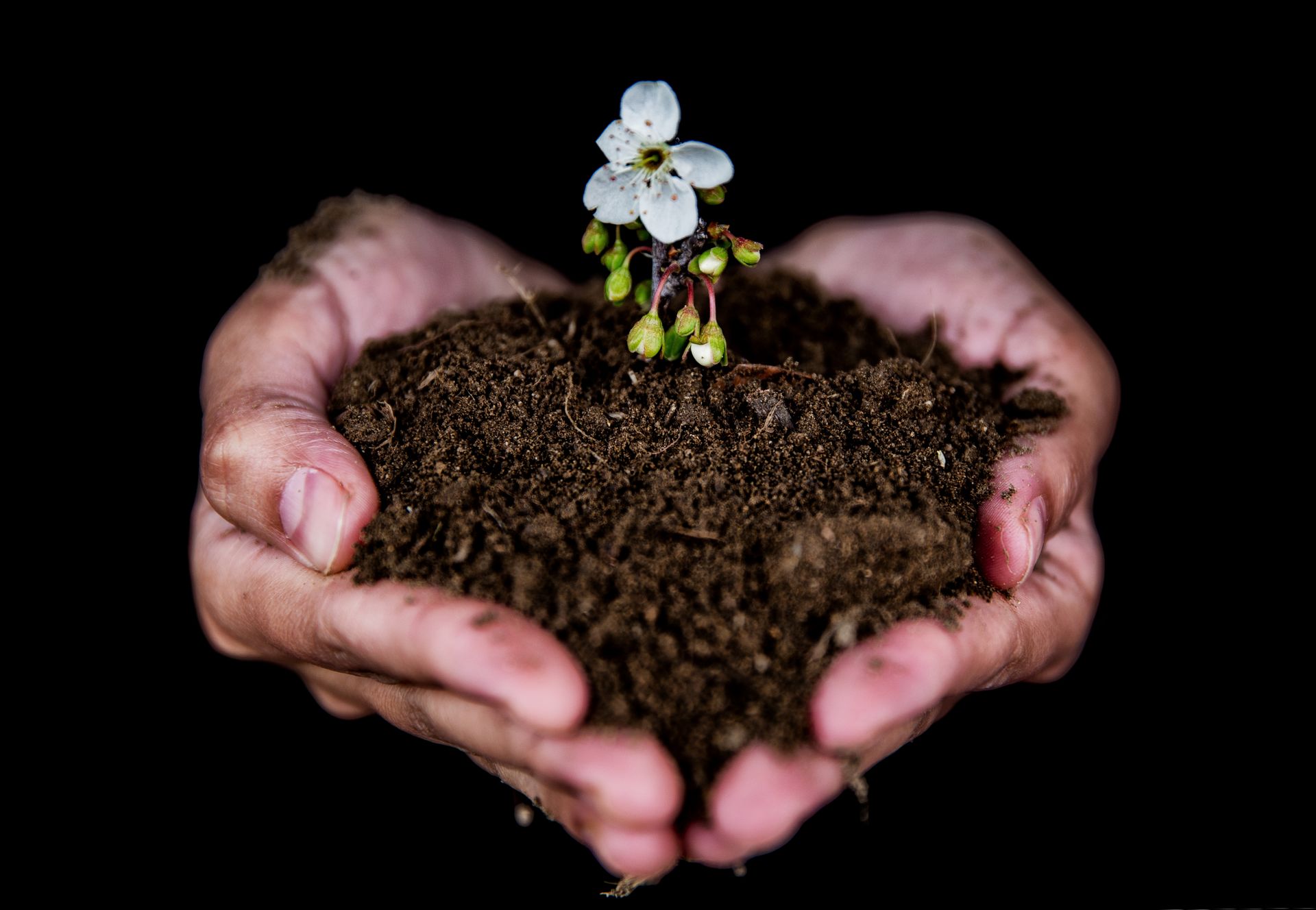
Adding suitable organic matter, maintaining crop residues, using cover crops, and applying mature compost can improve soil structure over time.
Better soil structure can support water infiltration and moisture retention.
However, soil improvement requires consistent management and may take several seasons to produce significant changes.
Reduce Soil Erosion and Runoff
Water that runs off a field can carry soil and nutrients away instead of benefiting crops.
Use suitable erosion-control practices to help water enter the soil.
Depending on the farm, these may include contour planting, terraces, cover crops, grassed waterways, mulching, or maintaining vegetation in vulnerable areas.
Choose methods based on the slope, soil type, rainfall pattern, and farming system.
Control Weeds
Weeds compete with crops for available water.
Regular weed management can reduce unnecessary competition, particularly during periods of limited rainfall.
Mulching can suppress some weeds while also reducing evaporation.
Use appropriate weed-management methods based on the crop and local conditions.
Avoid damaging crop roots when removing weeds mechanically or manually.
Choose Water-Efficient Crops
Crop selection can strongly influence water requirements.
Consider varieties that are well adapted to your climate and growing conditions.
Local or regionally adapted crops may perform better under the available temperature and rainfall conditions.
When water is limited, avoid choosing crops that require significantly more irrigation than your farm can reliably provide unless you have a sustainable water source and an appropriate management plan.
Use Rainwater When Appropriate
Rainwater harvesting can provide an additional source for suitable agricultural uses.
Farmers can collect and store rainfall through appropriately designed systems where local regulations and conditions permit.
Storage capacity should match expected rainfall, water demand, and the farm’s infrastructure.
Keep collected water protected from contamination and use it only for purposes suitable for its quality.
Rainwater harvesting works best as part of a broader water-management strategy rather than as the only water source.
Improve Field Drainage
Water conservation also means avoiding unnecessary waterlogging.
Poor drainage can damage roots, reduce crop performance, and waste irrigation resources.
Examine areas where water regularly accumulates after irrigation or rainfall.
Depending on the situation, farmers may need to improve field grading, drainage channels, soil structure, or irrigation management.
Good drainage helps ensure that water reaches crops without remaining excessively around their roots.
Use Weather Information
Weather information can improve irrigation decisions.
Before watering, check recent rainfall and expected weather conditions.
If substantial rainfall is likely, you may be able to delay irrigation.
During periods of extreme heat or dry weather, crops may require closer monitoring.
Combining weather information with soil-moisture observations can produce better results than relying on either source alone.
Maintain Water Storage Systems
If your farm uses tanks, reservoirs, ponds, or other storage systems, inspect them regularly.
Look for leaks, structural damage, contamination, excessive sediment, and other problems.
Good maintenance protects stored water and helps ensure that supplies remain available when needed.
Keep storage systems secure and manage them according to local safety and environmental requirements.
Keep Irrigation Records
Record irrigation dates, estimated water use, rainfall, crop stages, and other relevant information.
These records can help you identify patterns.
For example, you may discover that a particular field requires less irrigation after improving soil moisture management or changing the irrigation schedule.
Over time, farm records can help you make more efficient decisions and identify opportunities to reduce water use.
Invest in Efficiency Gradually
Farmers do not need to replace every irrigation system immediately.
Start by identifying the largest sources of water loss.
Repair leaks, improve scheduling, control weeds, and monitor soil moisture before making major investments.
Once you understand where the biggest savings are possible, consider upgrades such as efficient irrigation equipment or improved water-storage infrastructure.
Prioritize investments that provide measurable benefits for your farm.
Final Thoughts
The best water-saving techniques for farmers combine efficient irrigation, healthy soil, appropriate crop selection, careful scheduling, and good monitoring.
Drip irrigation, soil-moisture monitoring, mulching, cover crops, erosion control, rainwater harvesting, and proper irrigation maintenance can all contribute to better water management when they suit the farm.
Start by identifying where your farm loses the most water. Then introduce practical improvements and track the results.
With consistent management, farmers can reduce unnecessary water use while maintaining productive crops and building greater resilience during dry conditions.