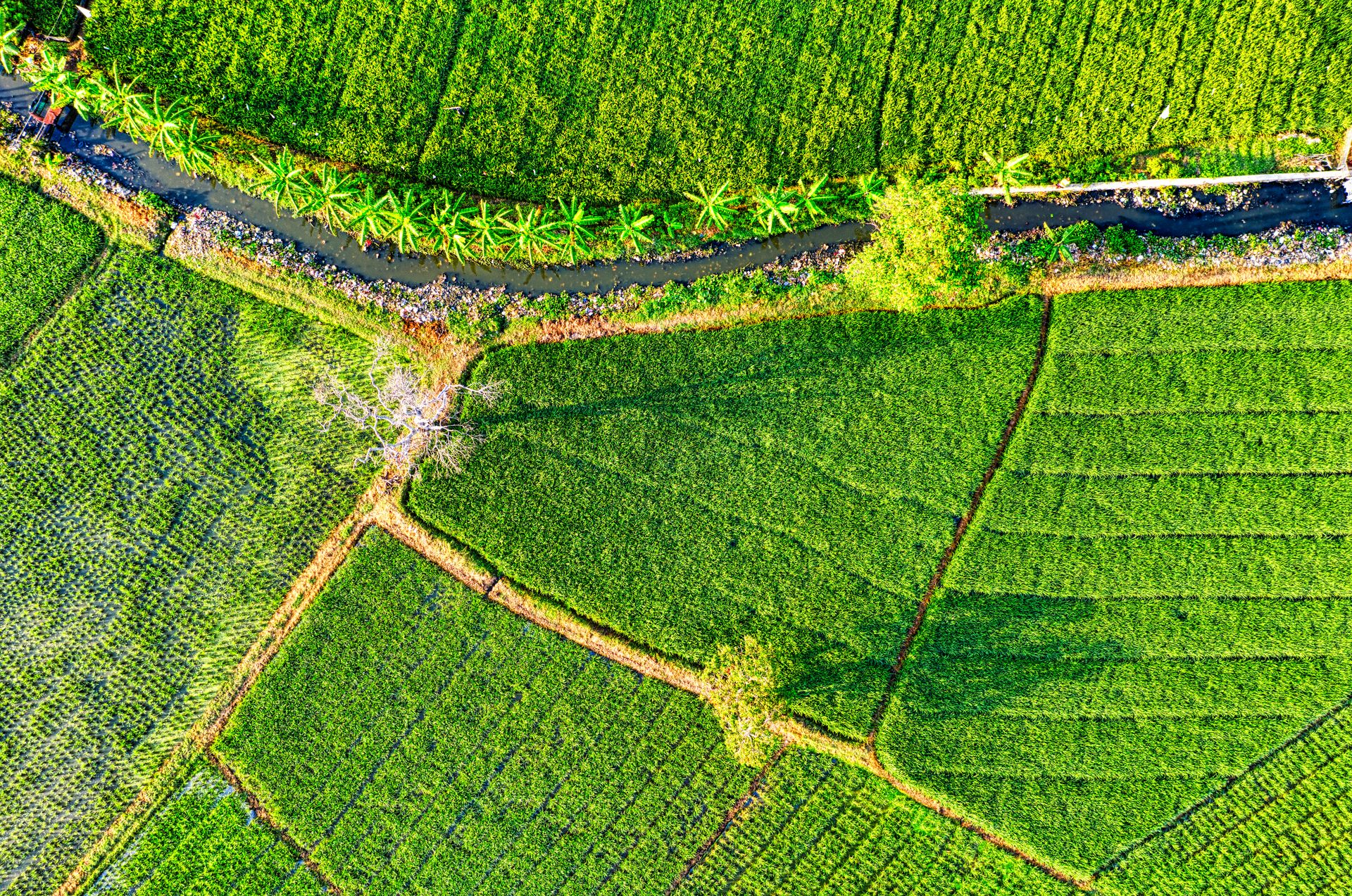
Water is one of the most important resources on any farm. Crops, livestock, and many daily farm activities depend on a reliable water supply. However, poor irrigation, leaks, runoff, and evaporation can lead to unnecessary water loss. In this article, we discuss the best ways to conserve farm water and explain simple methods farmers can use to protect this valuable resource. Better planning can reduce waste, lower costs, and help farms remain productive during dry periods.
Understand Your Water Use
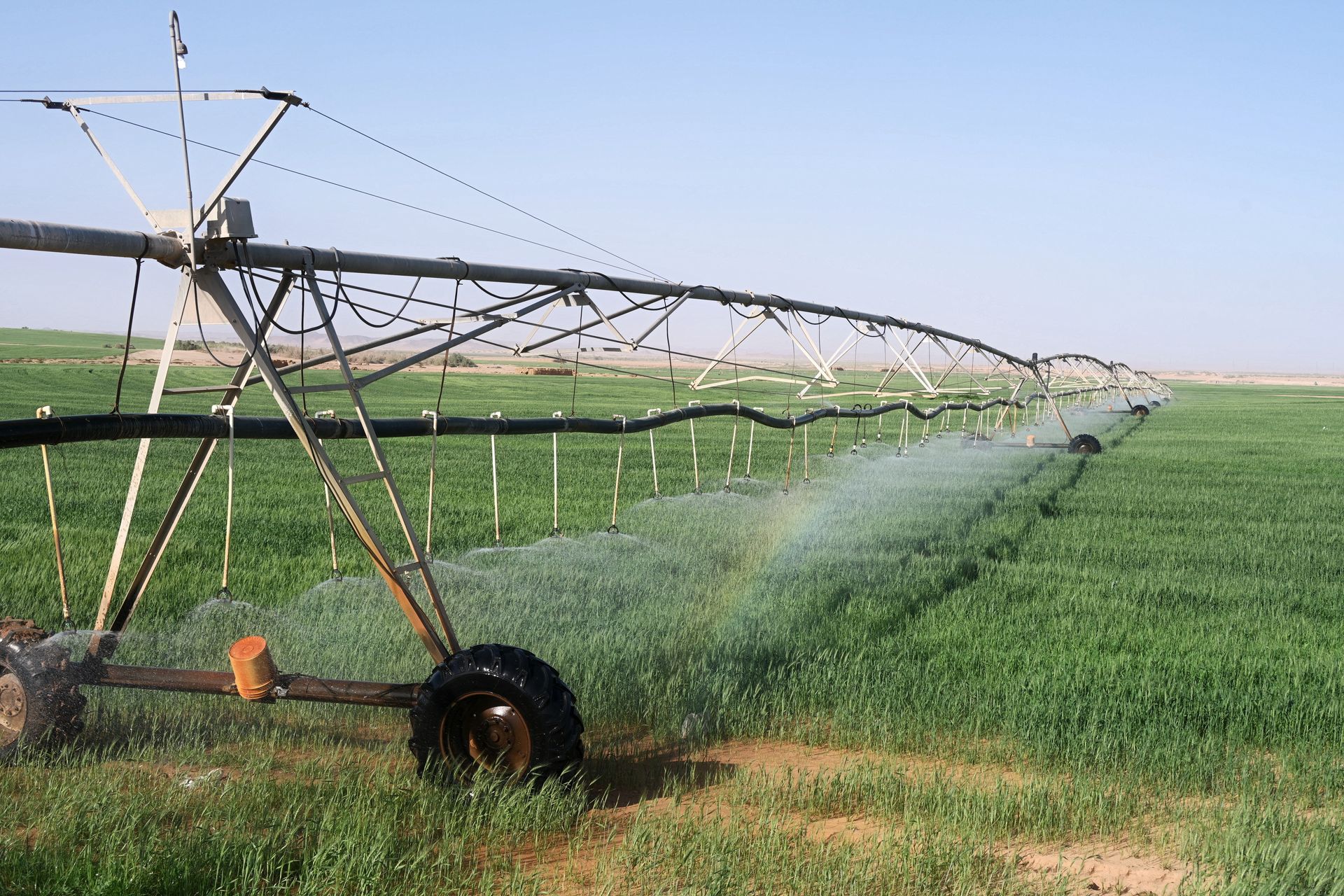
Before trying to save water, find out where most of it is being used. Check irrigation systems, livestock areas, cleaning activities, storage tanks, and other water sources. Look for leaks, damaged pipes, overflowing containers, and areas where water runs away unnecessarily. Keeping simple records of water use can help you identify problems and measure improvements over time.
Improve Irrigation Efficiency
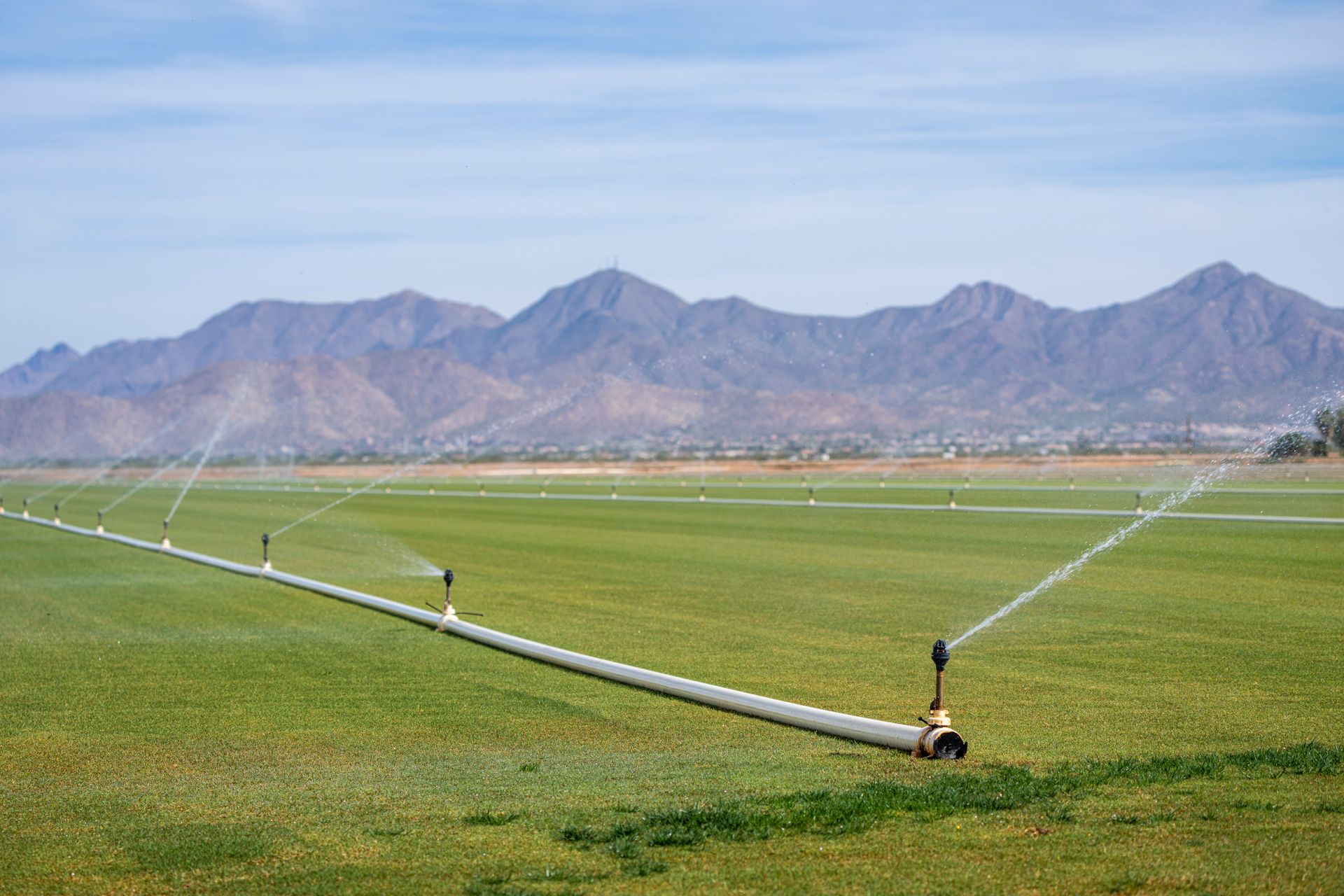
Irrigation can use a large amount of water, especially when systems are poorly managed. Choose an irrigation method that suits your crops, soil, farm size, and available resources. Drip irrigation can deliver water close to plant roots and may reduce unnecessary wetting of surrounding areas. Sprinklers can also be useful when properly designed and maintained. Regularly inspect irrigation equipment to make sure water is reaching the areas that need it.
Check For Leaks Regularly
A small leak can waste a surprising amount of water over time. Inspect pipes, hoses, valves, tanks, and connections regularly. Repair damaged parts as soon as possible. Also check irrigation lines while they are operating because some leaks may only become visible when the system is under pressure. Preventing water loss through repairs can be one of the simplest ways to improve efficiency.
Water At Suitable Times
The time of day can affect how much water reaches plant roots. Watering during cooler periods can reduce evaporation compared with watering during very hot conditions. Farmers should also consider weather forecasts and soil moisture before irrigating. Avoid watering immediately before heavy rainfall when possible. Good timing can help crops receive the water they need without unnecessary use.
Improve Soil Moisture
Healthy soil can help hold water around plant roots. Adding suitable organic matter can improve soil structure in many soil types. Mulching can also reduce evaporation from the soil surface and help maintain moisture. Suitable mulch materials may include crop residues or other appropriate organic materials. Use materials that are safe and suitable for the crop and soil.
Use Cover Crops
Cover crops can protect soil from direct sunlight, wind, and heavy rainfall. Their roots can also contribute to soil structure and help reduce erosion. Depending on the farming system, suitable cover crops may help the soil retain moisture between main crops. Choose cover crops that fit your climate, soil, and growing schedule.
Control Farm Runoff
Water can be lost when rainfall or irrigation moves quickly across the land instead of soaking into the soil. Maintaining healthy soil, using suitable ground cover, and managing slopes can help reduce runoff. On some farms, carefully designed terraces, contour farming, or other conservation structures may also help. The right method depends on the landscape and local conditions.
Harvest Rainwater
Rainwater can provide an additional source for suitable farm activities where local laws and conditions allow collection. Roofs, storage tanks, and properly designed collection systems can capture rainfall for later use. Keep storage containers covered and maintained to reduce contamination and prevent unwanted pests. Stored water should only be used for purposes for which it is safe and appropriate.
Choose Water-Efficient Crops
Some crops require more water than others. When planning production, consider crops and varieties that are well suited to your local rainfall and climate. Drought-tolerant varieties may perform better in areas with limited water when they are suitable for the local growing conditions. Crop selection should also consider soil, market demand, food needs, and expected yields.
Manage Livestock Water Carefully
Livestock need reliable access to clean drinking water, but water can be wasted through leaking troughs and poorly designed systems. Check drinking points regularly and repair damaged equipment. Place troughs on suitable surfaces to reduce mud and runoff. Avoid allowing animals to contaminate natural water sources where possible. Good livestock water management can protect both supplies and water quality.
Protect Water Sources
Keep chemicals, fuel, animal waste, and other contaminants away from wells, streams, ponds, and storage areas. Vegetation around suitable waterways can help reduce erosion and protect water quality. Never assume that clean-looking water is safe for every use. Protecting water sources helps ensure that available supplies remain useful for farming.
Monitor Soil Moisture
Farmers do not always need to water simply because the weather is hot. Check soil moisture before irrigating and learn how much water different crops need. Simple observation can help, while appropriate soil moisture tools can provide more detailed information. Monitoring can prevent both underwatering and unnecessary irrigation.
Maintain Water Storage Systems
Water tanks and other storage systems should be inspected regularly. Check for cracks, damaged covers, blocked outlets, and leaks. Keep suitable storage areas clean and protected from contamination. Proper maintenance helps ensure that water collected or pumped for farm use is not lost before it reaches the field.
Start With Practical Changes
Farmers do not need to replace every irrigation system or make major investments immediately. Start by fixing leaks, improving watering schedules, checking soil moisture, and reducing runoff. These simple steps can reveal where larger improvements may be worthwhile. Over time, farmers can consider more efficient irrigation equipment or other water-saving systems based on their budget and needs.
Conclusion
The best ways to conserve farm water involve reducing waste while making better use of every available supply. Farmers can improve irrigation, repair leaks, water at suitable times, protect soil moisture, manage runoff, collect rainwater, and choose crops suited to local conditions. Livestock systems and water storage should also be checked regularly. By measuring water use and making practical improvements gradually, farms can protect their water resources, reduce costs, and remain more productive during periods of limited rainfall.