Raising chickens in your backyard can provide fresh eggs, natural manure, and an enjoyable way to learn about animal care. Chickens can be manageable for beginners when they receive proper food, clean water, safe housing, and regular attention. However, keeping birds healthy requires planning before they arrive. In this article, we discuss the best ways to raise backyard chickens and explain simple steps for choosing suitable birds, preparing housing, providing good nutrition, protecting chickens from danger, and maintaining a clean environment.
Choose Healthy Chickens
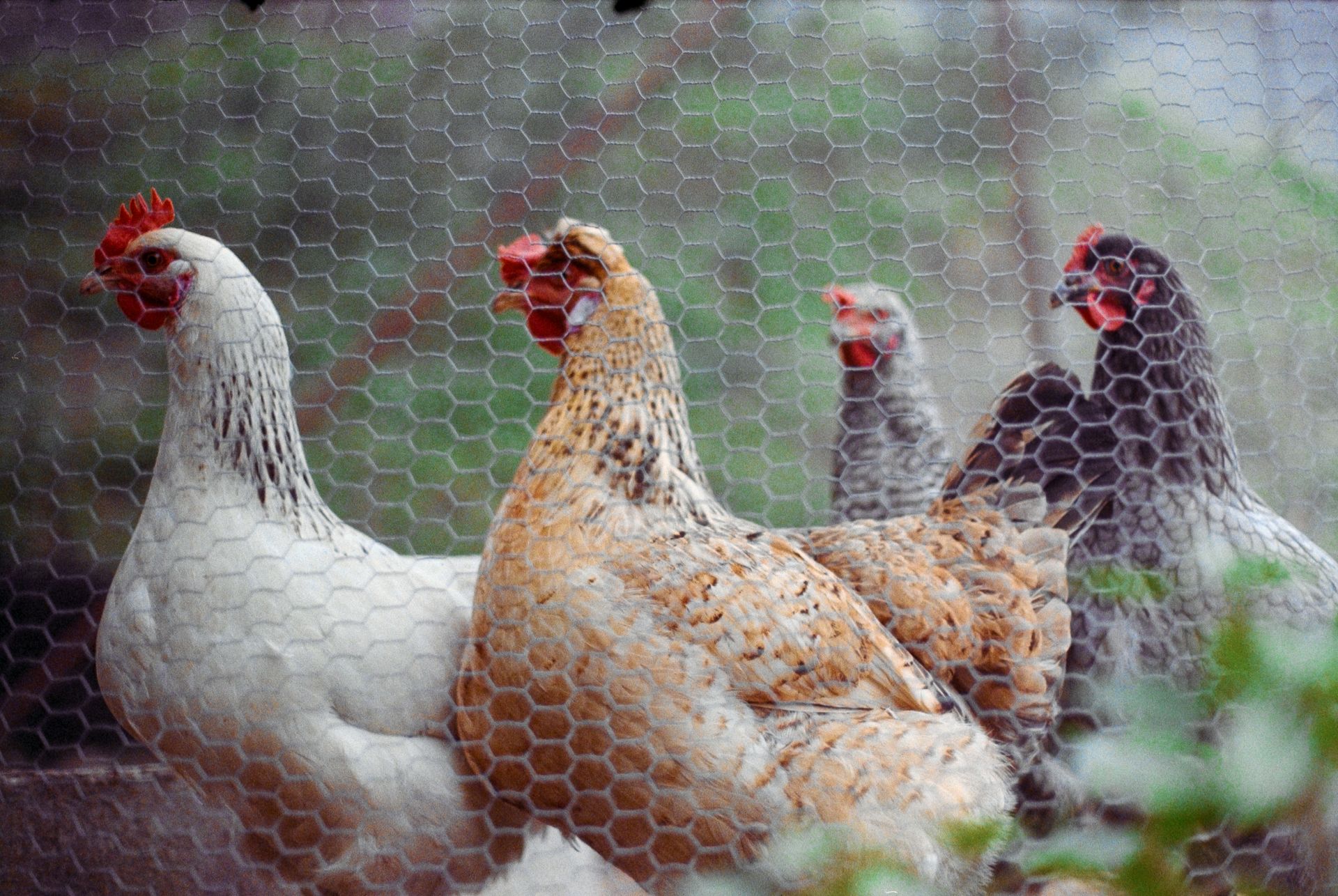
Start by choosing healthy birds from a reliable source. Look for chickens that appear active and alert, have clear eyes, clean feathers, and normal movement. Avoid birds that appear unusually weak, have difficulty breathing, or show obvious signs of illness. Consider breeds that are suited to your local climate and your main purpose, whether you want eggs, meat, or both. Starting with healthy birds can make management easier.
Build Safe Chicken Housing
A good coop protects chickens from rain, extreme temperatures, predators, and other dangers. It should provide enough space for the number of birds you plan to keep. The housing should also have suitable ventilation without creating uncomfortable drafts. Keep the floor and nesting areas dry and clean. Strong fencing can provide additional protection if chickens are allowed outside during the day.
Protect Chickens From Predators
Predators can pose a serious risk to backyard chickens. Secure openings in the coop and inspect fences regularly for gaps. Keep food stored safely so it does not attract unwanted animals. Chickens should have a secure place to return to at night. Good protection can reduce losses and give the birds a safer environment.
Provide Clean Drinking Water
Chickens need regular access to clean drinking water. Check water containers frequently and remove dirt, feathers, and other contamination. During hot weather, birds may need more water, so monitor their supply carefully. Place water containers where chickens can reach them easily but where they are less likely to be knocked over or filled with bedding.
Give Chickens Balanced Feed
Good nutrition supports growth, egg production, and general health. Provide feed that is appropriate for the age and purpose of your chickens. Young birds have different nutritional needs from laying hens. Avoid relying only on household scraps because scraps may not provide all the nutrients chickens need. Treats can be given in suitable amounts, but they should not replace a balanced diet.
Keep The Coop Clean
Regular cleaning helps create a healthier environment. Remove wet bedding, accumulated waste, and spoiled food regularly. Replace bedding when necessary and keep nesting areas clean and dry. Wash suitable feeders and water containers as needed. A clean coop can also make it easier to notice changes in the birds’ health and behavior.
Give Chickens Enough Space
Overcrowding can increase stress and make it harder to keep the housing clean. Give chickens enough room to move, rest, feed, and interact naturally. Outdoor access can provide opportunities for movement and foraging when it is safe and practical. If space is limited, keep the number of birds suitable for the available housing rather than trying to fit too many chickens into a small area.
Provide Nesting Areas
Laying hens need suitable nesting spaces where they can lay eggs safely. Keep nesting areas clean, dry, and reasonably quiet. Collect eggs regularly to reduce breakage and keep them in good condition. The number of nesting spaces needed depends on the size of the flock, so plan accordingly as your number of hens increases.
Watch Chicken Health
Spend a few minutes observing your chickens each day. Healthy birds are generally active, alert, and interested in food and water. Changes in behavior, appetite, movement, breathing, or appearance may indicate a problem. Early attention can make it easier to address health issues. If a chicken appears seriously ill, seek advice from a qualified veterinarian or animal health professional.
Separate Sick Birds
If a bird appears sick, separating it from the rest of the flock may help reduce the chance of illness spreading. Handle sick birds carefully and clean your hands and equipment afterward. Follow appropriate veterinary guidance for diagnosis and treatment. Do not give medications without understanding their correct use and any food safety requirements.
Allow Safe Outdoor Activity
Chickens naturally enjoy scratching, pecking, and searching for food. Providing a safe outdoor area can give them exercise and stimulation. Make sure the area has suitable fencing and protection from predators. Avoid allowing chickens to access places containing harmful chemicals, poisonous plants, contaminated water, or other hazards.
Plan For Weather Changes
Chickens need protection during very hot, cold, wet, or windy conditions. Provide shade during hot weather and make sure the coop remains dry during rain. Good ventilation is important because excessive heat and moisture can create unhealthy conditions. Check the housing regularly and make adjustments when seasonal weather changes.
Handle Chickens Gently
Regular, gentle handling can help chickens become easier to manage. Approach them calmly and avoid chasing them unnecessarily. When picking up a chicken, support its body securely and avoid pulling its wings, legs, or feathers. Gentle handling reduces stress and makes routine tasks such as health checks and cleaning easier.
Conclusion
The best ways to raise backyard chickens involve providing safe housing, clean water, balanced feed, enough space, good hygiene, and regular observation. Protect birds from predators and harsh weather, provide suitable nesting areas, and handle them gently. Start with a manageable number of healthy chickens and learn their daily needs before expanding your flock. With consistent care and proper planning, backyard chickens can become a useful and rewarding part of a home or small homestead.