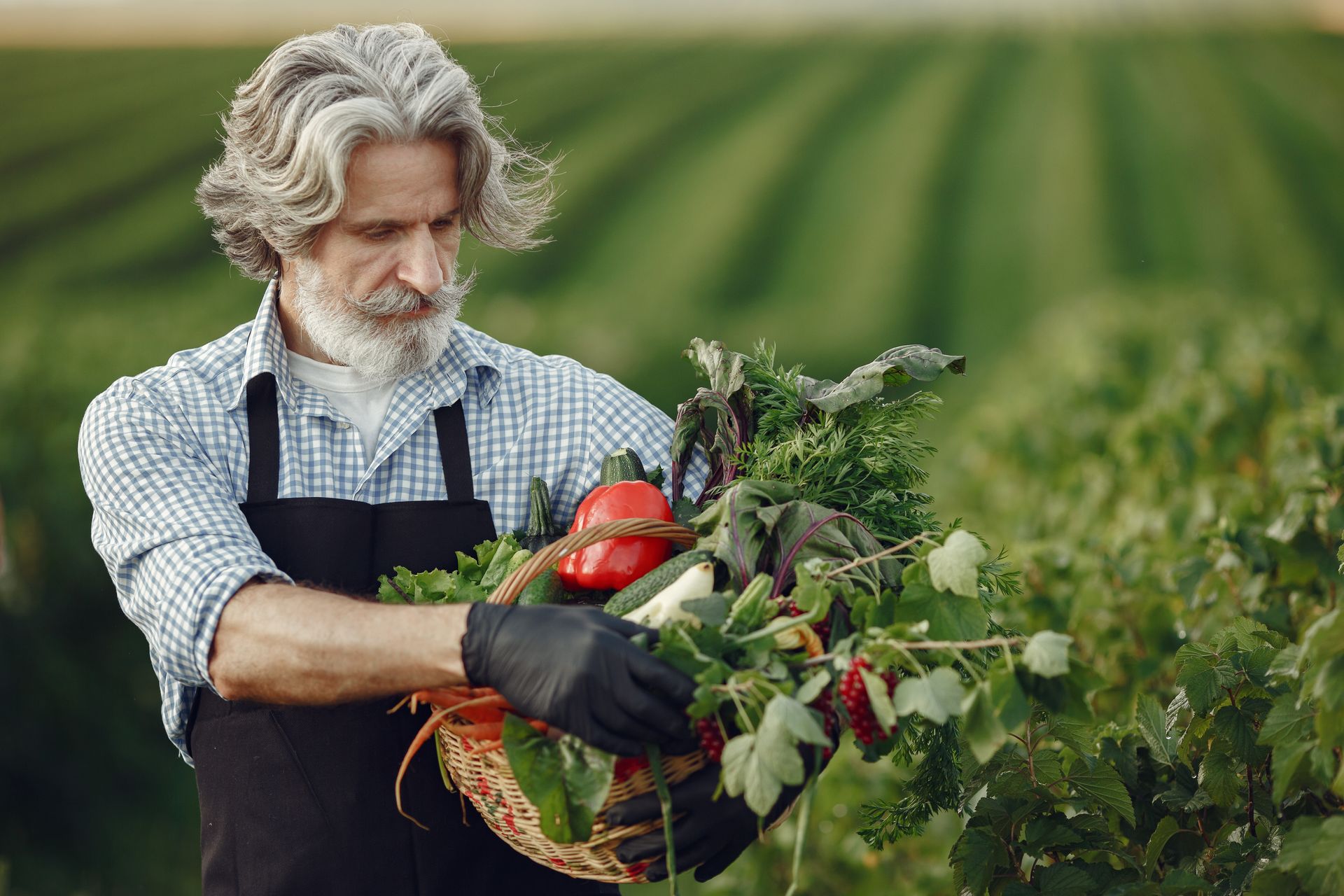
Fresh vegetables can add flavor, color, and useful nutrients to everyday meals, but poor storage can cause them to wilt, spoil, or lose quality quickly. Knowing the best ways to store fresh vegetables can help you keep food fresh for longer and reduce unnecessary waste. Different vegetables need different storage conditions, so it is important to understand what each type needs. In this article, we discuss simple storage methods that can help protect vegetables after buying them from a farm, market, or grocery store. With proper temperature, moisture control, airflow, and handling, you can enjoy fresh vegetables for longer.

Clean And Sort Vegetables Carefully
Start by checking your vegetables when you bring them home. Remove any pieces that are badly damaged, rotten, or showing mold because they can affect nearby produce. However, avoid washing all vegetables immediately unless you plan to use them soon. Extra moisture can encourage mold and spoilage in some vegetables. Instead, clean vegetables when you are ready to prepare them, unless the specific vegetable requires another approach. Sorting vegetables by their storage needs can also make it easier to keep everything fresh.
Store Leafy Greens Properly
Leafy vegetables such as spinach, lettuce, and kale can lose moisture quickly. They usually stay fresh longer when kept cool and protected from excessive moisture. If the leaves are wet, gently dry them before storage and place them in a suitable container or breathable bag with a paper towel to absorb excess moisture. Avoid packing leafy greens too tightly because airflow can help reduce moisture buildup. Check them regularly and remove leaves that have started to spoil.
Keep Root Vegetables In Suitable Conditions
Carrots, beets, turnips, and similar vegetables can often last longer when stored in cool conditions. Remove leafy tops from root vegetables when appropriate because the leaves can draw moisture from the roots. Keep the roots dry and store them in a suitable container or bag that allows some airflow. Potatoes should generally be kept in a cool, dark, dry, and well-ventilated place rather than exposed to direct sunlight. Good storage conditions can help prevent unwanted sprouting and quality loss.
Give Vegetables Enough Airflow
Airflow is important because trapped moisture can encourage mold and decay. Avoid sealing every vegetable in a completely airtight container unless that vegetable benefits from it. Use breathable bags, containers with ventilation, or other suitable storage methods when needed. Do not overcrowd storage drawers or containers. Giving vegetables enough space can help air move around them and make it easier to notice any produce that starts to spoil.
Store Vegetables At The Right Temperature
Temperature can have a major effect on vegetable freshness. Many vegetables benefit from refrigeration, but not every vegetable should automatically be placed in the refrigerator. Some products can lose flavor or develop texture problems when kept too cold. Learn the storage needs of each vegetable you buy. Keep refrigerated vegetables in suitable drawers or containers and avoid placing them next to foods that may cause unwanted odors or moisture problems.
Separate Produce When Needed
Some fruits and vegetables release natural gases that can speed up ripening or spoilage in nearby produce. For this reason, storing certain products separately can help extend freshness. Keep vegetables away from produce that releases large amounts of these gases when appropriate. You should also separate vegetables that are already damaged from healthy ones. Simple separation can prevent one spoiled item from affecting the rest.
Use Storage Containers Wisely
Containers can protect vegetables from damage and help control moisture, but the wrong container can cause problems. Choose containers based on the vegetable rather than using the same method for everything. Some vegetables need breathable storage, while others benefit from more protection against drying. Reusable containers can also help reduce waste when they are cleaned and used correctly.
Do Not Buy More Than You Need
One of the easiest ways to reduce vegetable waste is to buy realistic amounts. Fresh vegetables can lose quality before you have a chance to eat them if you purchase too much. Think about your meals for the coming days and buy quantities that your household can use. If you have limited storage space, smaller and more frequent purchases may work better than buying large amounts at once.
Check Stored Vegetables Regularly
Do not forget about vegetables after putting them away. Check your storage areas every few days and use vegetables that are becoming less fresh before newer items. Remove spoiled pieces promptly and adjust storage conditions if you notice too much moisture, dryness, or mold. Organizing vegetables so that older items are easy to see can help prevent food from being forgotten.
Use Older Vegetables First
A simple first-in, first-out system can reduce waste. Place newer vegetables behind older ones so the older products are used first. This method works well in refrigerators, storage rooms, and pantry areas. It also makes it easier to plan meals around vegetables that need to be eaten soon.
Conclusion
The best ways to store fresh vegetables involve using the right temperature, controlling moisture, providing suitable airflow, and separating products when necessary. Clean and sort vegetables carefully, store leafy greens properly, protect root vegetables, and check your supplies regularly. Most importantly, learn the storage needs of each vegetable because one method does not work for every type. With simple storage habits and careful planning, you can keep vegetables fresh for longer, save money, and reduce food waste.