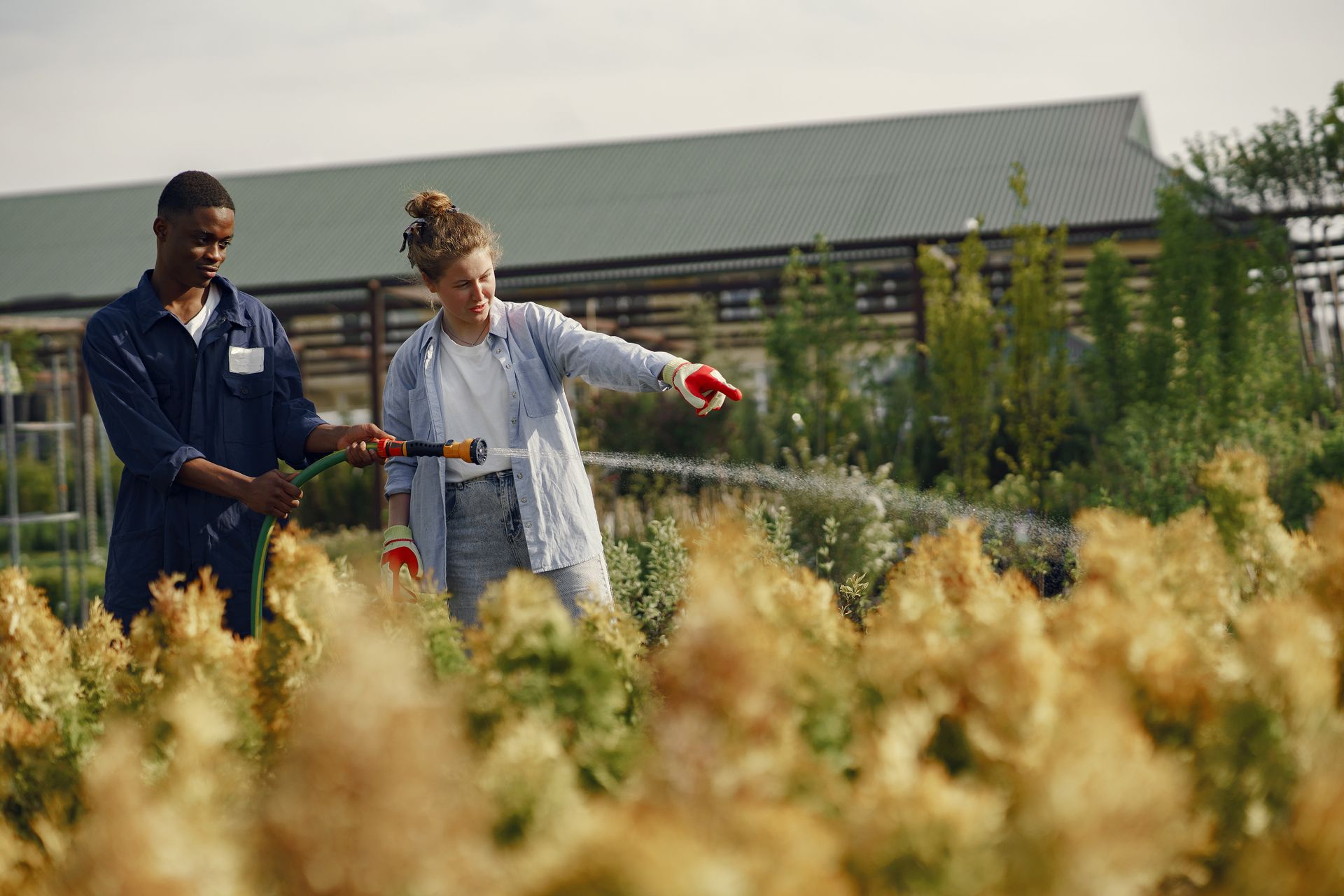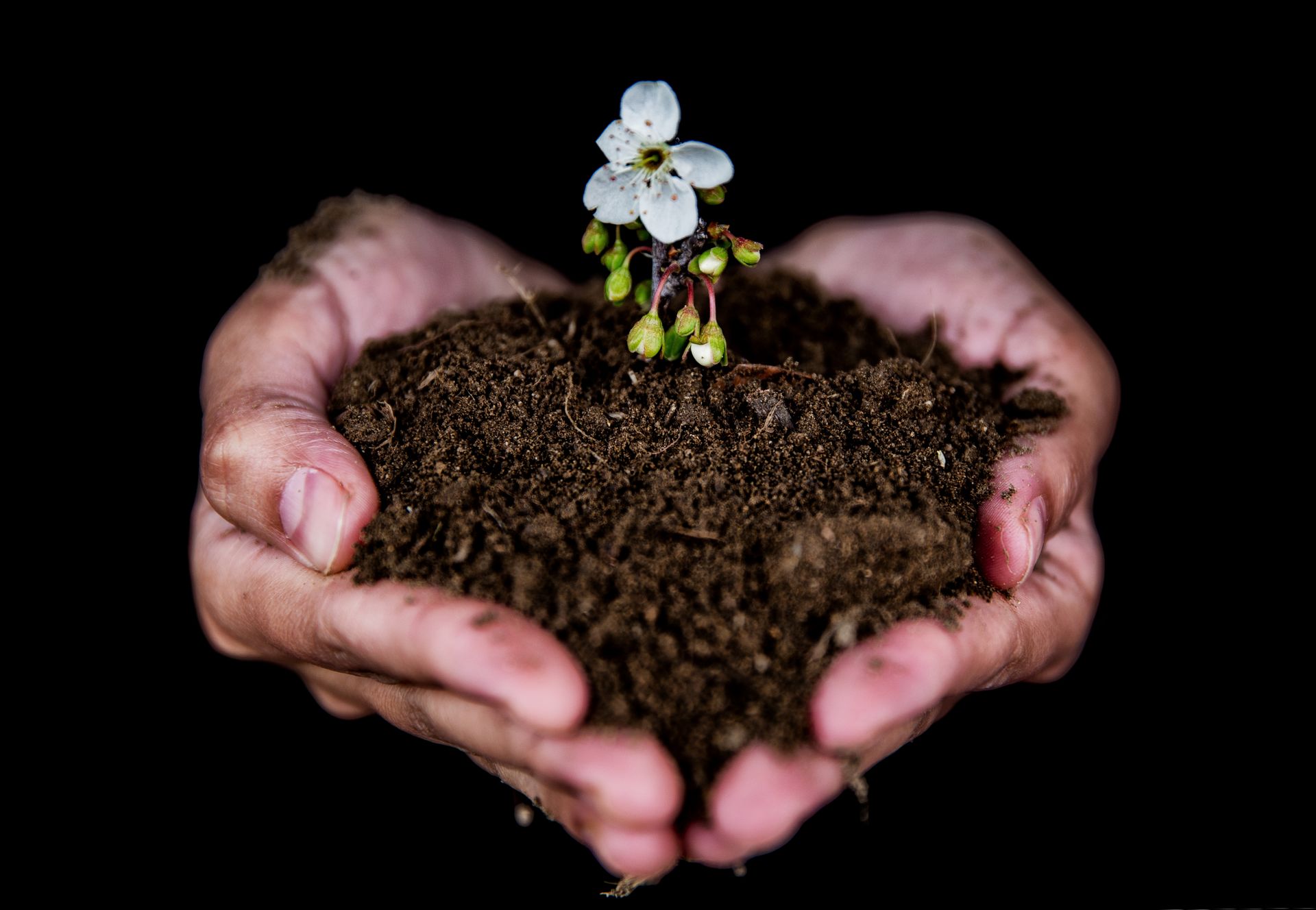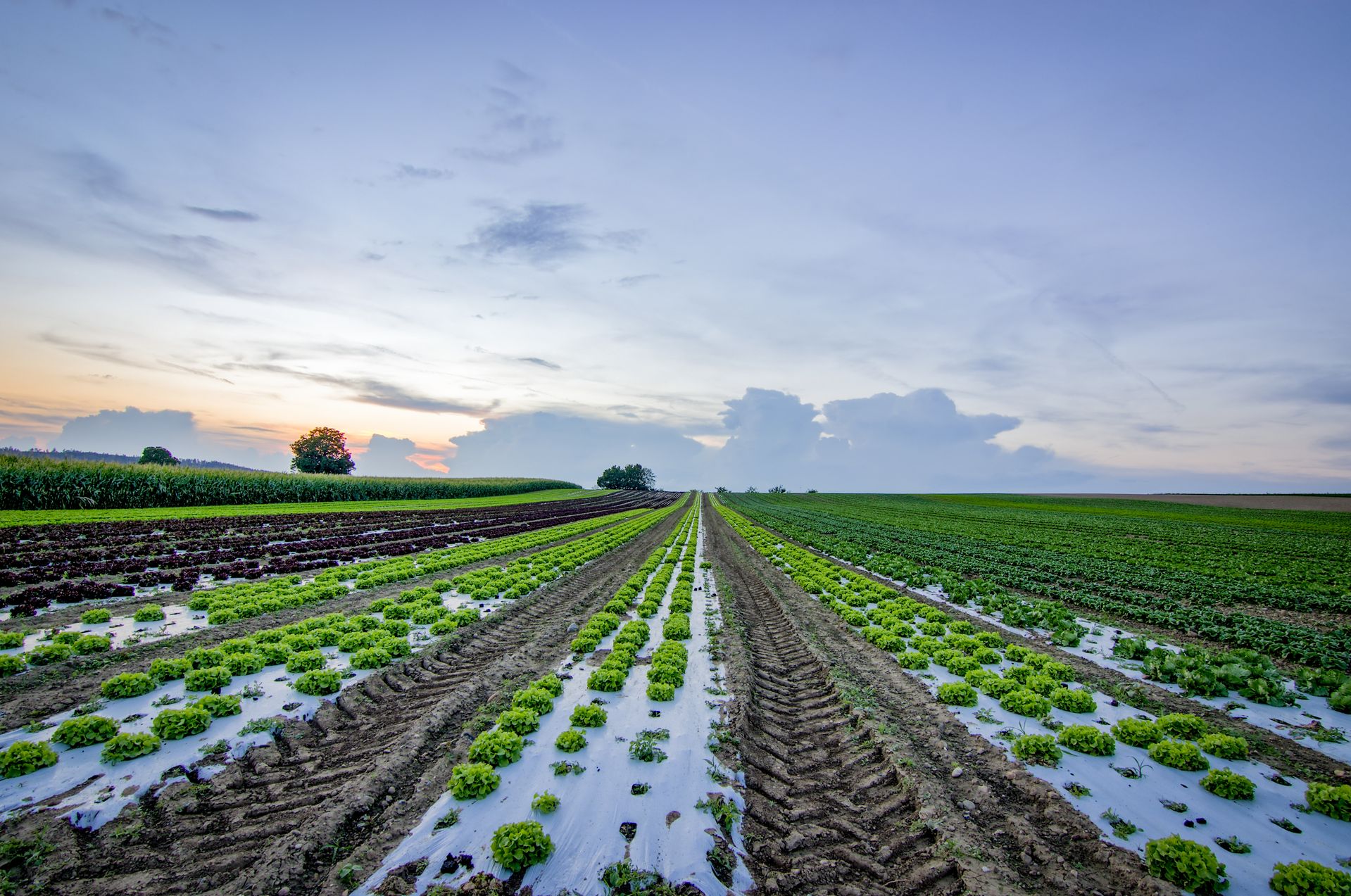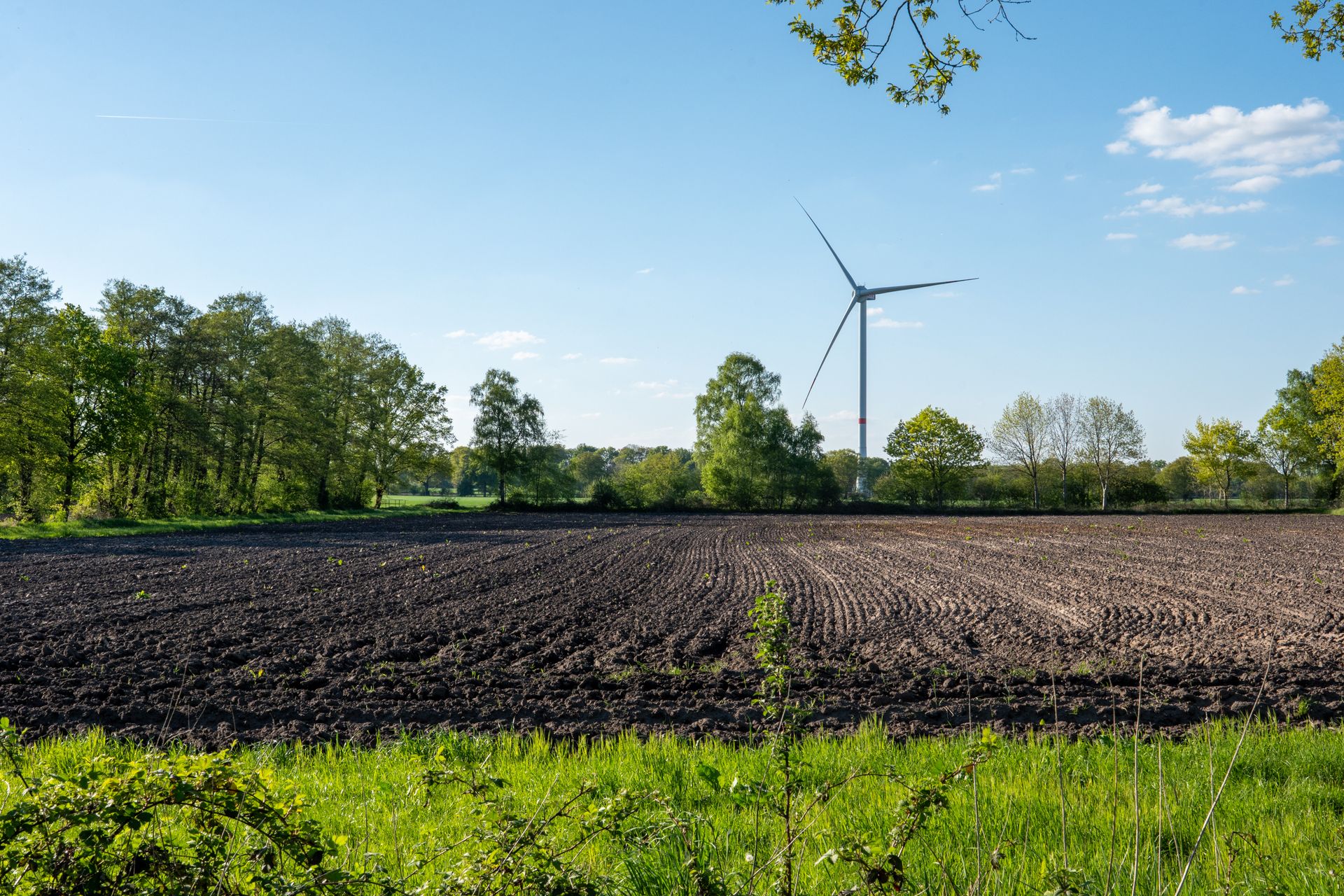


Agriculture is constantly changing, and the sustainable agriculture future at Stoney Creek Farm focuses on creating a stronger relationship between farming, communities, and the environment. The choices made today influence how future generations will grow food and care for natural resources.
Modern farming requires balance. Farmers must produce high-quality results while protecting the land, managing resources carefully, and adapting to new challenges.
At Stoney Creek Farm, sustainability represents a long-term commitment. It means finding practical ways to improve productivity while respecting the environment that supports every harvest.
The sustainable agriculture future is not only about using new technology or changing farming methods. It is about creating a responsible approach where people, nature, and agriculture can continue growing together.
The Sustainable Agriculture Future Begins With Clear Farming Goals
A successful future in agriculture starts with clear goals. Stoney Creek Farm’s approach focuses on maintaining healthy land, supporting responsible production, and creating lasting value.
Sustainable farming goals are built around several key principles:
- Protecting natural resources
- Improving soil health
- Using water responsibly
- Supporting biodiversity
- Reducing unnecessary waste
- Strengthening community connections
These goals provide direction for daily decisions. Farmers must consider how each action affects the current season and the years ahead.
Moreover, sustainability requires consistency. Small improvements made regularly can create significant results over time.
For example, protecting soil today helps maintain productive fields tomorrow. Managing water carefully supports both farming operations and surrounding ecosystems.
Therefore, the sustainable agriculture future depends on thoughtful choices. It requires farmers to look beyond immediate results and consider the bigger picture.
At Stoney Creek Farm, the goal is to create an agricultural system that remains productive, responsible, and adaptable.
Balancing Productivity With Environmental Care
Farming has always required balance. Farmers need to grow crops and manage resources effectively, but they must also protect the environment that makes farming possible.
The sustainable agriculture future at Stoney Creek Farm focuses on achieving this balance through practical solutions.
Productivity does not have to come at the expense of environmental care. Instead, responsible farming methods can support both strong results and healthier ecosystems.
For example, maintaining soil quality can improve crop performance. Healthy soil stores nutrients, supports plant growth, and helps manage moisture more effectively.
Similarly, efficient resource use can reduce waste while improving farm operations.
A balanced approach includes:
- Understanding the needs of the land
- Planning farming activities carefully
- Protecting natural resources
- Improving efficiency through experience
- Using appropriate technology
Furthermore, environmental responsibility creates long-term benefits. A farm that protects its resources today is better prepared for future challenges.
The sustainable agriculture future depends on this connection between productivity and conservation. Both goals work together when farming decisions are made carefully.
Innovation Driving the Sustainable Agriculture Future
Agriculture continues to evolve. New tools, research, and techniques help farmers make smarter decisions and improve efficiency.
At Stoney Creek Farm, innovation supports sustainable progress. Modern solutions can help farmers understand conditions, reduce waste, and manage resources more effectively.
Technology has introduced many opportunities for agriculture. Farmers can now use improved equipment, better planning methods, and detailed information to support daily operations.
However, innovation is not only about advanced machinery. It also includes creative problem-solving and improved farming practices.
Examples of agricultural innovation include:
- More efficient irrigation approaches
- Improved soil monitoring
- Better resource planning
- Smarter equipment management
- New approaches to sustainable production
Moreover, innovation works best when combined with experience. Farmers understand the land through years of observation and practical knowledge.
The sustainable agriculture future relies on this combination. Traditional understanding and modern ideas can work together to create stronger farming systems.
By embracing useful innovations, Stoney Creek Farm can continue improving while staying connected to its agricultural values.
Sustainable Agriculture Future and Protecting Natural Resources
Natural resources are at the heart of farming. Soil, water, air, and biodiversity all contribute to successful agricultural systems.
Protecting these resources is essential for long-term food production.
At Stoney Creek Farm, responsible resource management forms part of the broader sustainability vision. Every decision considers how resources can be used efficiently and protected for future needs.
Healthy resource management includes:
- Maintaining fertile soil
- Conserving water supplies
- Supporting natural ecosystems
- Reducing unnecessary waste
- Protecting surrounding habitats
Furthermore, sustainable decisions often create benefits beyond the farm itself. Healthy land can support stronger ecosystems and contribute to more resilient communities.
The sustainable agriculture future depends on recognizing that farming and nature are connected.
When farmers care for the environment, they help create conditions where agriculture can continue developing for generations.
This approach reflects a commitment to responsibility rather than short-term solutions.
Supporting the Community Through Responsible Farming
A farm does not operate alone. It exists within a wider community that depends on strong relationships and shared values.
Stoney Creek Farm’s future vision includes maintaining meaningful connections with the people around it.
Sustainable agriculture can support communities in many ways. It creates opportunities for education, cooperation, and greater understanding of where food comes from.
Community-focused farming may involve:
- Sharing agricultural knowledge
- Supporting local relationships
- Encouraging awareness about sustainability
- Creating learning opportunities
- Building trust with customers and visitors
Moreover, responsible farming strengthens connections between producers and consumers.
People increasingly want to understand how food is produced. They value farms that demonstrate care, transparency, and commitment.
The sustainable agriculture future is therefore about more than farming techniques. It is also about creating stronger communities built around shared responsibility.
At Stoney Creek Farm, community involvement remains an important part of building a lasting agricultural legacy.
Preparing for Future Challenges in Agriculture
Agriculture faces many challenges. Changing weather patterns, resource pressures, and evolving expectations require farmers to remain flexible.
The sustainable agriculture future requires preparation and adaptability.
Farmers must continue learning and adjusting their methods. What works today may need improvement tomorrow.
This ongoing process involves:
- Reviewing farming practices
- Learning from each season
- Adopting useful improvements
- Protecting resources carefully
- Planning for long-term success
However, challenges also create opportunities. They encourage innovation and inspire new approaches to farming.
Stoney Creek Farm’s vision recognizes that agriculture must continue evolving.
By focusing on sustainability, the farm can build stronger systems that respond to change while maintaining quality and responsibility.
The future of farming depends on people who are willing to improve, adapt, and protect the resources they rely on.
The Role of Education in Sustainable Farming
Knowledge plays an important role in agricultural progress. Farmers, communities, and future generations all benefit from understanding sustainable practices.
Education helps people appreciate the effort behind farming. It also encourages responsible decisions that support long-term environmental health.
At Stoney Creek Farm, sharing knowledge can help strengthen awareness about sustainable agriculture.
Learning opportunities can highlight:
- How food is produced
- Why soil health matters
- The importance of resource conservation
- The value of responsible farming
Furthermore, education encourages future farmers to continue improving agricultural practices.
The sustainable agriculture future depends on the next generation understanding both the challenges and opportunities within farming.
By sharing experiences and lessons, farms can help create a more informed agricultural community.
Stoney Creek Farm’s Vision for Tomorrow
The future vision at Stoney Creek Farm is built on progress, responsibility, and respect for the land.
Sustainability is not a single project with a final destination. It is an ongoing journey that requires dedication and continuous improvement.
The farm’s future direction focuses on maintaining healthy systems while embracing opportunities for growth.
Key priorities include:
- Protecting the land for future generations
- Improving sustainable practices
- Supporting community relationships
- Encouraging innovation
- Maintaining high standards of care
Moreover, the sustainable agriculture future depends on balancing tradition with progress.
The lessons learned from past farming experiences remain valuable. At the same time, new ideas provide opportunities to improve.
Together, these elements create a stronger path forward.
Building a Sustainable Agriculture Future That Lasts
The story of Stoney Creek Farm is about more than farming today. It is about creating a foundation for tomorrow.
Through responsible choices, innovation, and community commitment, the farm continues working toward a more resilient agricultural future.
The sustainable agriculture future represents a vision where productive farming and environmental care support each other.
Every decision matters. Every improvement contributes to protecting valuable resources.
By focusing on sustainability, Stoney Creek Farm continues building a future where the land remains productive, communities stay connected, and agriculture can thrive for generations to come.