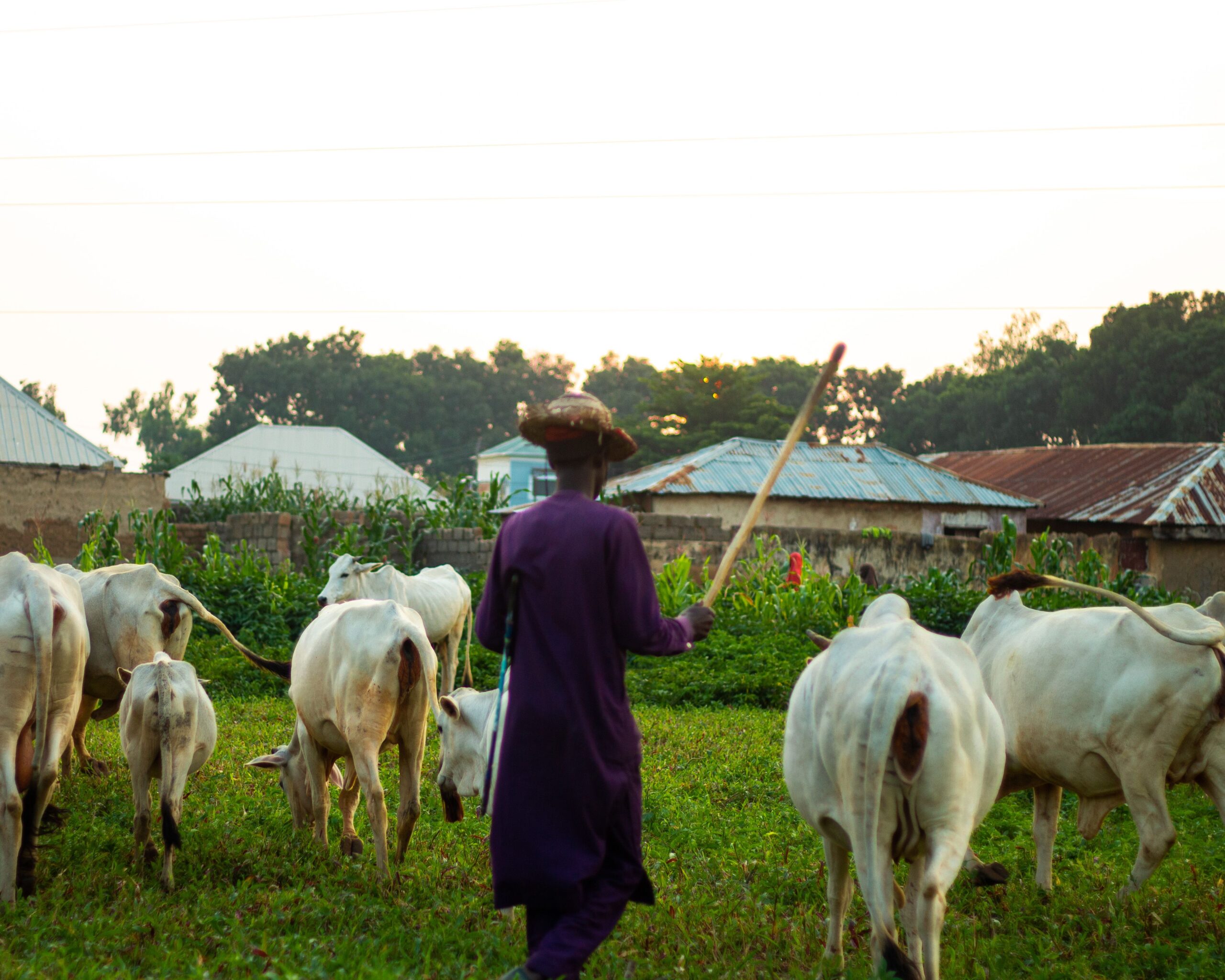
Family farm challenges can affect nearly every part of agricultural life, from daily operations and finances to family relationships and long-term planning. Small family farms often rely on limited land, equipment, labor, and capital, which means farmers must make careful decisions with available resources. Furthermore, changing weather conditions, fluctuating market prices, and rising input costs can create additional pressure. Despite these difficulties, many family farms remain resilient because they combine practical knowledge, adaptability, and strong community connections.
Managing Rising Production Costs
One of the biggest family farm challenges involves controlling production expenses. Farmers need to purchase seeds, fertilizer, animal feed, fuel, tools, veterinary supplies, packaging, and other essential inputs.
When input prices increase while crop or livestock prices remain uncertain, profit margins can shrink quickly. Therefore, farmers need to monitor expenses carefully and distinguish between essential investments and costs they can postpone.
Creating a Practical Budget
A detailed farm budget can help families understand where their money goes. Track both regular and unexpected expenses throughout the year.
Farmers should consider:
-
Seed and planting material
-
Fertilizer and soil amendments
-
Feed and animal health costs
-
Fuel and machinery maintenance
-
Labor expenses
-
Transportation and storage
-
Repairs and emergency costs
By keeping accurate records, families can identify waste and plan future purchases more effectively.
Dealing With Unpredictable Weather
Weather remains one of the most difficult factors for farmers to control. Droughts, excessive rainfall, storms, heatwaves, and unexpected temperature changes can reduce yields or damage livestock.
Small farms may feel these effects particularly strongly because they often lack the financial reserves needed to recover from a major loss.
Farmers can reduce weather-related risks by diversifying crops, improving soil organic matter, using water efficiently, planting suitable varieties, and maintaining appropriate drainage. Although these measures cannot eliminate climate risks, they can make the farm more resilient.
Finding Reliable Markets
Producing a good harvest does not guarantee a good income. Farmers still need reliable buyers and competitive prices. However, small farms may struggle to negotiate with large buyers because they produce smaller quantities.
Market prices can also change quickly. Consequently, a crop that appears profitable when planted may generate much lower returns by harvest time.
Exploring Multiple Sales Channels
Instead of relying on one buyer, families can explore several markets. Depending on the farm’s location and production, options may include:
-
Local markets
-
Restaurants and retailers
-
Cooperatives
-
Food processors
-
Farm-gate sales
-
Community-supported agriculture
-
Direct sales to consumers
Selling directly can sometimes provide better margins, although it may require additional time for packaging, transportation, marketing, and customer service.
Handling Labor Shortages
Labor represents another significant challenge. Family members often perform several roles, including planting, feeding livestock, repairing equipment, marketing, bookkeeping, and harvesting.
During busy periods, the workload can become overwhelming. Hiring temporary workers may solve the immediate problem, but labor costs can place additional pressure on a small farm.
Therefore, families should identify which tasks require human labor and which tasks they can simplify through better tools, scheduling, or appropriate machinery.

Balancing Farm Work and Family Life
Running a family farm can blur the boundary between work and personal life. Family members may spend long days working together, particularly during planting and harvesting seasons.
While this arrangement can strengthen family cooperation, constant pressure can also create disagreements and exhaustion. Clear responsibilities can help prevent confusion.
Establishing Responsibilities
Assign specific tasks according to each person’s skills, availability, and interests. For example, one family member might manage finances while another handles livestock or field operations.
Regular family discussions can also help everyone understand the farm’s goals. When important decisions arise, involve the people affected by them rather than allowing disagreements to build over time.
Maintaining Equipment and Infrastructure
Machinery can save significant time, but repairs and maintenance can become expensive. A broken tractor, irrigation system, pump, fence, or storage facility can interrupt production at a critical moment.
Small farms should therefore maintain equipment regularly instead of waiting for major failures. Keep maintenance records and inspect machinery before periods of intensive use.
Where possible, learn basic repair skills and maintain relationships with reliable technicians and suppliers. Preventive maintenance can reduce downtime and extend equipment life.
Accessing Finance
Limited access to affordable financing can make expansion difficult. Farmers may need money for land improvements, irrigation, livestock, machinery, storage facilities, or new production systems.
However, taking on excessive debt can create additional financial risk. Before borrowing, calculate expected returns and determine whether the investment can realistically generate enough income to cover repayments.
Farmers can also investigate cooperatives, agricultural programs, equipment-sharing arrangements, and other financing alternatives available in their communities.
Planning for the Future
Another important family farm challenges area involves succession and long-term planning. Families need to decide who will eventually manage the farm and how assets will be transferred.
Without a clear plan, disagreements can emerge when ownership or management changes. Start these conversations early and document important decisions where appropriate.
Younger family members may also have different interests. Some may want to continue farming, while others may pursue careers elsewhere. Respecting these choices can help families develop realistic succession plans.
Building a More Resilient Farm
Although family farm challenges can feel overwhelming, farmers can reduce many risks through careful planning. Diversifying income, maintaining accurate records, controlling expenses, improving soil health, and developing reliable markets can strengthen the farm’s financial foundation.
Most importantly, small family farms should focus on gradual improvements rather than attempting to solve every problem at once. A better record-keeping system, improved irrigation practice, stronger market relationship, or more efficient piece of equipment can make a meaningful difference over time.
Turning Challenges Into Opportunities
The final family farm challenges facing a small operation will vary according to its crops, location, resources, and family structure. Nevertheless, farmers who regularly review their finances, production methods, markets, and goals can respond more effectively when problems arise.
Running a family farm requires persistence, flexibility, and careful decision-making. By recognizing weaknesses early and building on existing strengths, farming families can protect their livelihoods and create operations that remain productive for future generations.