Farming is an important part of life in many communities, but modern farmers face challenges that can make production difficult. Weather changes, rising costs, pests, labor shortages, market pressure, and limited resources can all affect farm results. In this article, we discuss common challenges faced by modern farmers and practical ways they can respond to them. Understanding these problems can help farmers prepare better, reduce avoidable losses, and make stronger decisions. Although some challenges are difficult to control, good planning can make farms more resilient.
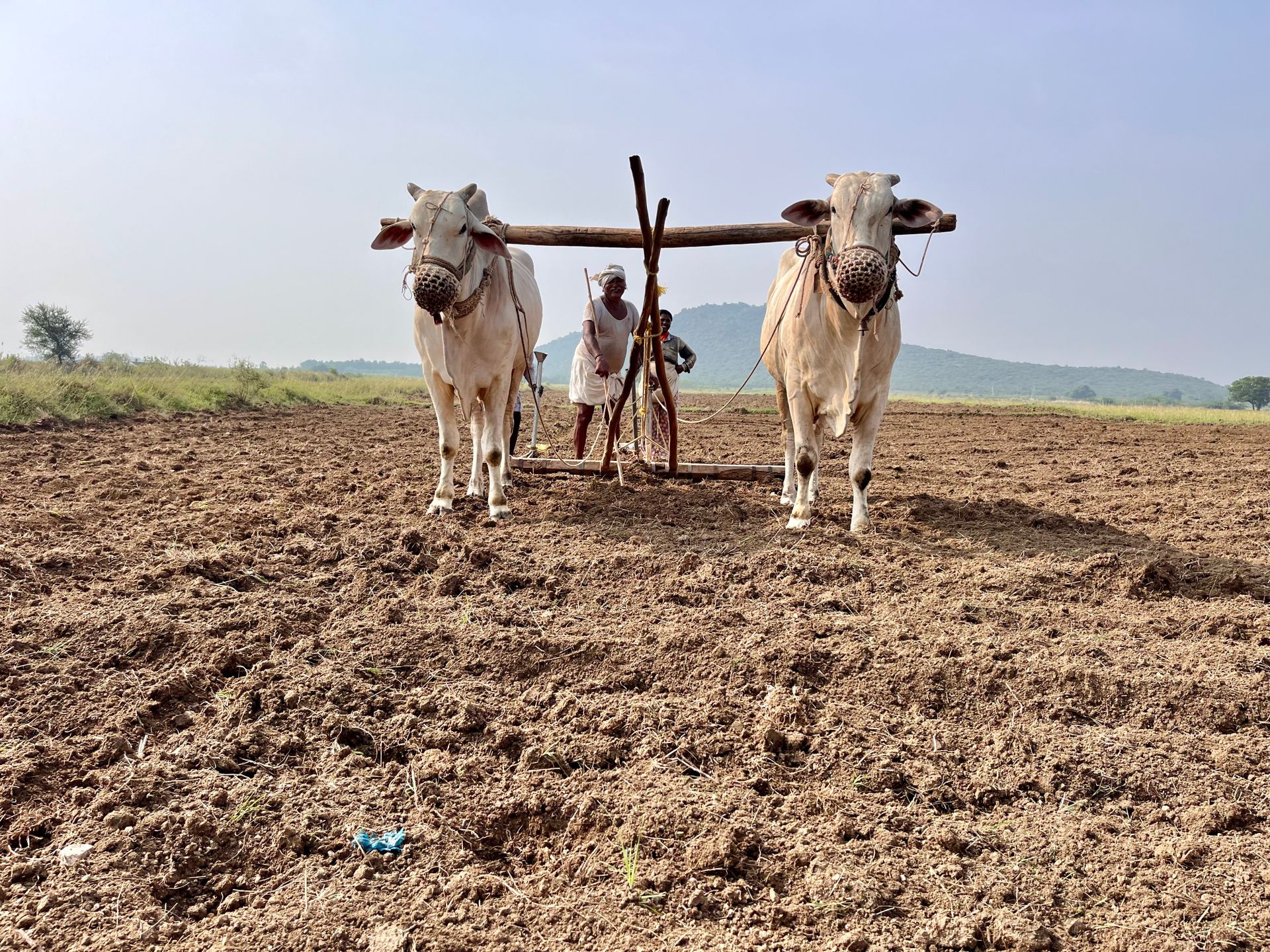
Changing Weather Conditions
Weather is one of the biggest challenges for farmers. Heavy rainfall, drought, strong winds, heat, and unexpected cold periods can damage crops and affect livestock.
Farmers can reduce some risks by choosing suitable crop varieties, improving drainage, using irrigation, protecting soil with mulch, and following reliable weather information.
However, weather conditions can change quickly. Having a backup plan is therefore important.
Rising Farm Input Costs
Seeds, fertilizer, animal feed, fuel, equipment, and other supplies can become expensive. Higher input costs can reduce profits, especially when farm product prices remain low.
Farmers should keep accurate records and compare suppliers before making major purchases. Buying only what is needed can also reduce waste.
Control Unnecessary Spending
Review farm expenses regularly. Identify costs that do not contribute enough to production and look for practical alternatives.
For example, farmers can improve soil health through compost and crop residues where suitable. This may reduce dependence on certain purchased inputs while supporting long-term soil quality.
Pests And Crop Diseases
Pests and diseases can quickly reduce crop yields. They may attack leaves, roots, stems, fruits, or seeds.
Regular field inspections can help farmers identify problems early. Crop rotation, resistant varieties, good field hygiene, physical barriers, and beneficial insects can all support pest management.
Farmers should identify a problem before choosing a treatment. Using the wrong product can waste money and may harm useful organisms.
Limited Access To Water
Water shortages can make crop production difficult, especially during dry periods. Farmers may also face problems when irrigation equipment is expensive or water sources are unreliable.
Efficient irrigation can help farmers use available water more carefully. Drip systems, mulching, rainwater collection, and good soil management can reduce unnecessary water loss where suitable.
Finding Reliable Markets
Producing a good harvest does not guarantee a good income. Farmers still need reliable buyers who offer fair prices.
Prices can change because of supply, demand, weather, transport costs, and seasonal production.
Farmers can reduce some market risks by developing relationships with different buyers. They may sell through local markets, shops, restaurants, cooperatives, or directly to consumers.
Labor Shortages
Farming often requires significant physical work. Finding reliable workers can become difficult, particularly during planting and harvest periods.
Farmers can improve efficiency by planning tasks early, training workers properly, and using suitable equipment where affordable.
Clear instructions can also reduce mistakes and help workers complete tasks more efficiently.
Access To Modern Technology
Technology can improve farming, but some farmers may struggle to afford new equipment or learn how to use it.
Useful technologies can include irrigation systems, weather tools, soil testing equipment, farm record software, and improved machinery.
Farmers do not need to adopt every new technology. Instead, they should focus on tools that solve specific problems and provide clear value.
Soil Degradation
Repeated cropping, erosion, poor nutrient management, and excessive soil disturbance can reduce soil quality.
Farmers can protect their land through crop rotation, composting, cover crops, mulching, erosion control, and careful nutrient management.
Healthy soil supports strong roots and can improve the farm’s ability to handle periods of limited water.
Access To Agricultural Knowledge
Farming methods continue to change. Farmers may need updated knowledge about crops, markets, pest management, soil care, and new technologies.
Agricultural extension services, farmer groups, training programs, field days, and trusted educational resources can provide useful information.
Learning from other farmers can also help people discover practical solutions that work under local conditions.
Financial Pressure
Farming requires money before income arrives. Farmers may need to pay for seeds, labor, equipment, feed, and other inputs before the harvest is sold.
Poor financial planning can create serious problems. Farmers should create budgets, track expenses, and avoid taking on more debt than the business can reasonably manage.
Keeping an emergency reserve where possible can also provide protection when unexpected problems occur.
Conclusion
The common challenges faced by modern farmers include changing weather, rising costs, pests, water shortages, labor problems, market uncertainty, soil degradation, and financial pressure. These challenges cannot always be avoided, but farmers can prepare for many of them. Careful planning, accurate records, sustainable soil management, efficient water use, market research, and continuous learning can make farms more resilient. By focusing on practical solutions and adapting to changing conditions, farmers can protect their businesses and improve their chances of long-term success.