Starting a farm can be exciting, but farming also comes with many challenges. New farmers often make simple mistakes because they are still learning how crops, soil, weather, markets, and farm costs work together. In this article, we discuss common farming mistakes beginners should avoid and simple ways to prevent them. Good planning can save money, reduce crop losses, and make daily farm work easier. By starting small, learning from experienced farmers, and keeping good records, beginners can build stronger farming habits and improve their chances of success.

Poor Planning Before Planting
One of the biggest mistakes is planting without a clear plan. Farmers may buy seeds and prepare land before deciding what they want to produce or where they will sell it. This can lead to wasted money and unsold produce.
Before planting, decide what you want to grow, how much land you will use, and who your customers will be. Check the growing season, water supply, soil condition, labor needs, and expected costs. A simple plan can help you avoid many problems later.
Choosing Crops Without Market Research
A crop may grow well but still fail to make money. This can happen when there are too many farmers selling the same product or when local demand is low.
Talk to potential buyers before planting large quantities. Ask local shops, restaurants, market sellers, and households what they need. Also, learn when demand is usually highest.
Consider These Questions
-
Who will buy the crop?
-
How much are buyers willing to pay?
-
When is demand highest?
-
How will you transport the harvest?
-
Can you store the produce if sales are slow?
These questions can help you choose crops with better income potential.
Ignoring Soil Conditions
Healthy soil is important for strong plant growth. Some beginners plant without checking whether the soil can support their chosen crops.
If possible, test the soil before planting. Learn about its nutrient levels, acidity, drainage, and texture. Then choose suitable crops and make improvements where needed.
Adding compost, organic matter, or other suitable materials can help improve soil quality. However, avoid adding products without understanding what the soil actually needs.
Planting Too Much At Once
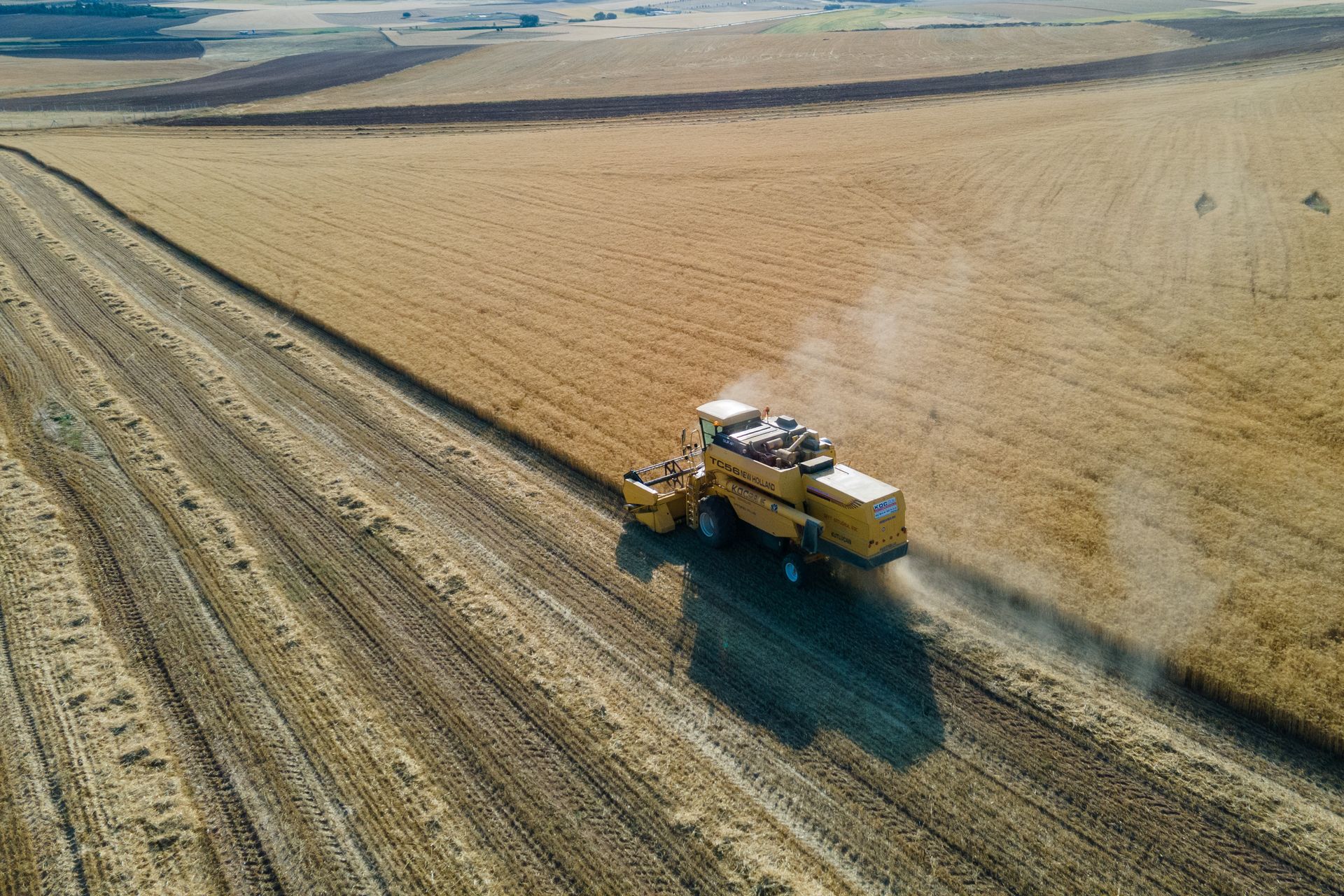
New farmers may feel tempted to use every available piece of land. However, large production can become difficult to manage.
More plants require more water, labor, fertilizer, pest control, harvesting, and storage. If you cannot manage these needs, crop losses can increase.
Start with a manageable area. Learn what works, measure your results, and expand when you have enough experience and resources.
Using Poor-Quality Seeds
Cheap seeds may seem like a good way to reduce costs, but poor-quality seeds can lead to weak growth and low harvests.
Buy seeds from reliable suppliers and check the packaging carefully. Look for information about the variety, germination, production details, and recommended growing conditions.
Choose varieties that suit your climate and market. Good seed selection can give your crop a stronger start.
Overwatering Or Underwatering Crops
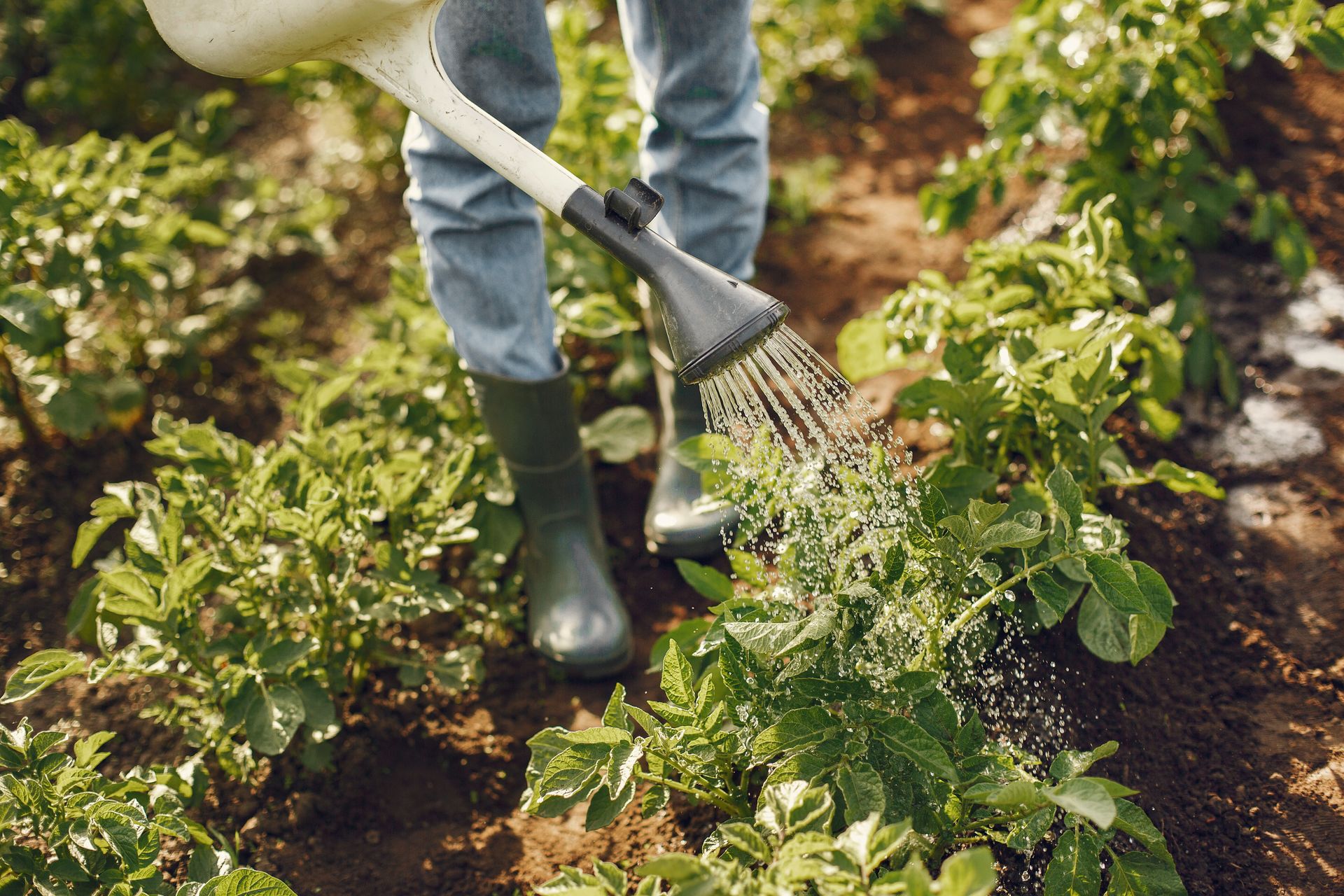
Water management is another common problem. Too little water can cause plants to wilt and stop growing. Too much water can damage roots and encourage certain diseases.
Learn how much water your crops need at different growth stages. Check the soil before watering instead of following a fixed routine every day.
Good drainage is also important. Water should not remain around plant roots for long periods unless the crop is suited to wet conditions.
Ignoring Pests And Diseases
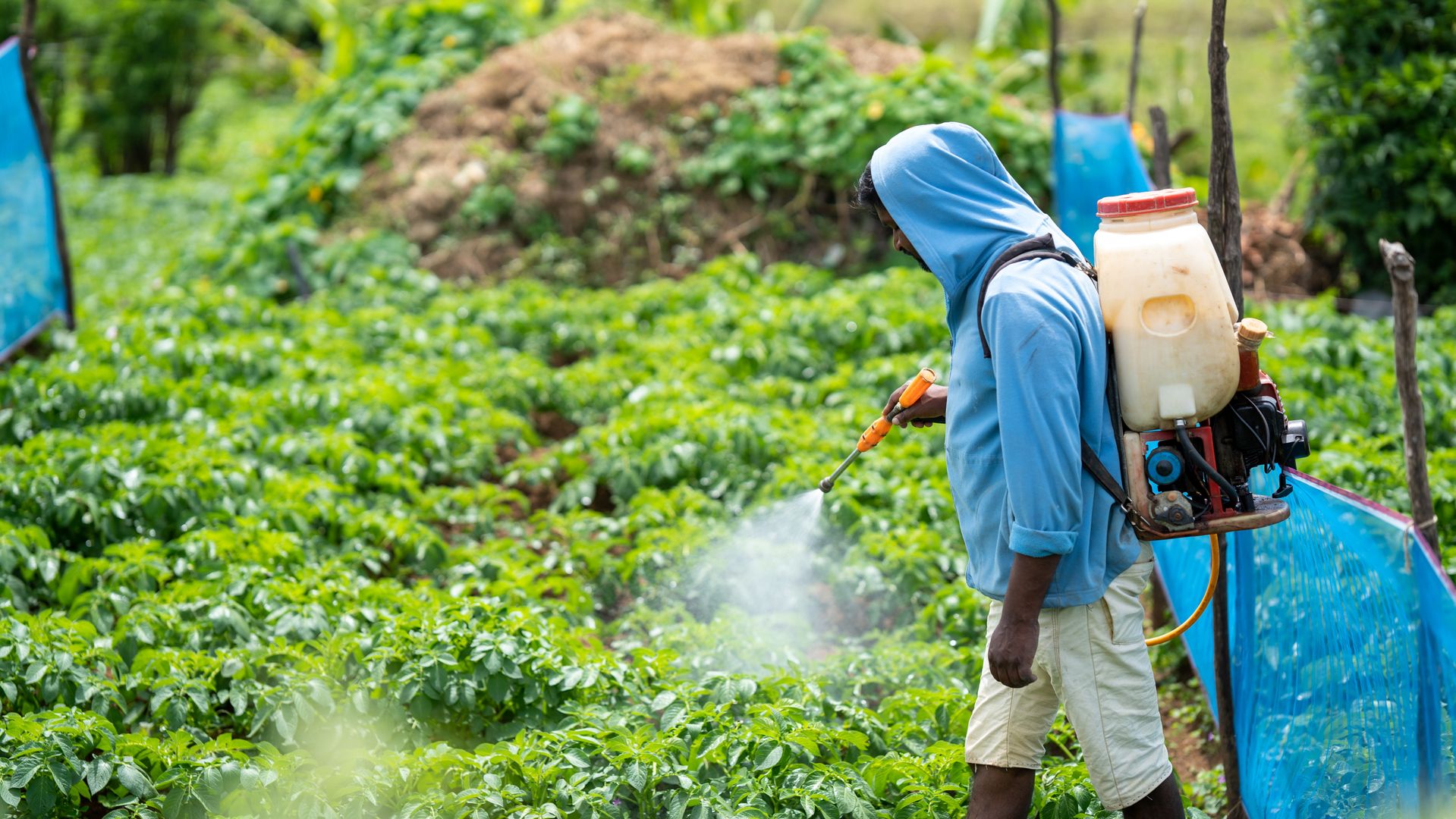
Some beginners wait until plants are badly damaged before taking action. By then, the problem may be difficult and expensive to control.
Check your crops regularly. Look for holes in leaves, unusual colors, damaged stems, insects, or signs of disease.
Take Early Action
Early detection gives you more options. Remove affected plants when appropriate, improve field cleanliness, control weeds, and use suitable pest management methods. Avoid using chemicals without knowing the correct product, amount, and application method.
Failing To Keep Farm Records
Without records, it is difficult to know whether your farm is actually making money.
Write down your expenses and income. Include seeds, fertilizer, feed, labor, transport, equipment, water, packaging, and other costs.
Also record planting dates, harvest quantities, selling prices, and crop problems. At the end of the season, review your notes. They can show which activities worked well and where you need to improve.
Expanding Too Quickly
Success can make farmers want to grow quickly. However, expanding before your farm is ready can create serious financial pressure.
Increase production gradually. Make sure you have enough land, water, labor, equipment, storage, and customers before taking on more work.
Conclusion
Avoiding common farming mistakes beginners should avoid starts with careful planning and a willingness to learn. Research your market, understand your soil, choose quality seeds, manage water carefully, and monitor crops regularly. Start with a manageable amount of land and keep detailed records of your results. Most importantly, do not expect everything to work perfectly during your first season. Farming is a learning process, and each season can help you make better decisions.