
Starting a homestead can be exciting, especially when you want to grow food, keep animals, and become more self-reliant. However, beginners can make mistakes when they try to do too much too quickly. These mistakes can waste money, time, and effort. In this article, we discuss common homesteading mistakes beginners should avoid and share simple ways to make the process easier. A successful homestead does not need to start with many animals, large gardens, or expensive equipment. Careful planning and steady progress can make homesteading more manageable.
Starting With Too Many Projects
One common mistake is trying to build everything at once. Beginners may want a large garden, chickens, fruit trees, livestock, food storage, and other projects during the first year. While these goals can be useful, managing several new projects at the same time can quickly become overwhelming. Start with one or two important projects and learn how much work they require. Once you are comfortable, you can gradually add new activities.
Buying Too Much Equipment
It can be tempting to purchase every tool that appears useful. However, expensive equipment can become a burden if you rarely use it. Begin with basic tools that support your current projects. A shovel, hoe, rake, watering equipment, pruning tools, buckets, and suitable storage containers may be enough for a small homestead. Buy additional equipment only when you have a clear need for it.
Ignoring The Local Climate
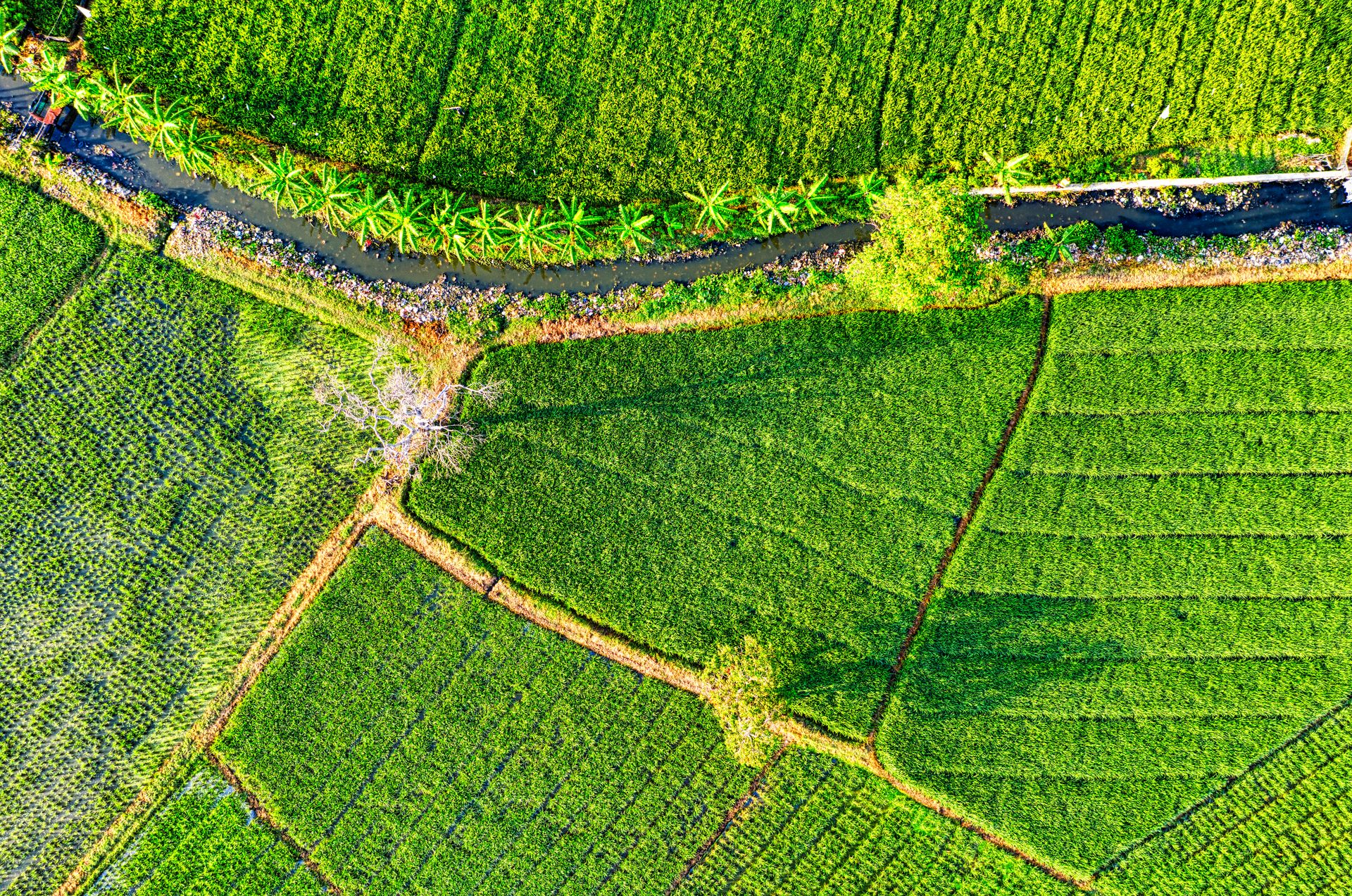
Every area has different weather, soil, rainfall, and growing conditions. Choosing crops or animals without considering these factors can lead to poor results. Learn about your local growing seasons and typical weather patterns before making major decisions. Local farmers, gardeners, and agricultural advisers can provide useful information about crops and animals that perform well in your area.
Planting Too Much Food
Growing a large garden may sound productive, but too many crops can create unnecessary work. Beginners may also end up with more food than they can eat, store, or sell. Start with vegetables your household regularly uses. Track how much you harvest and adjust your planting plan during the next season. This approach can help reduce waste and make garden maintenance easier.
Choosing Animals Too Quickly
Animals require daily care, even when the weather is bad or you are busy. Beginners should research feeding, housing, water, health care, fencing, and protection before bringing animals home. Start with animals that match your available space, budget, skills, and time. Never buy livestock simply because it looks easy to manage. Make sure you can meet its needs throughout the year.
Building Housing After Buying Animals
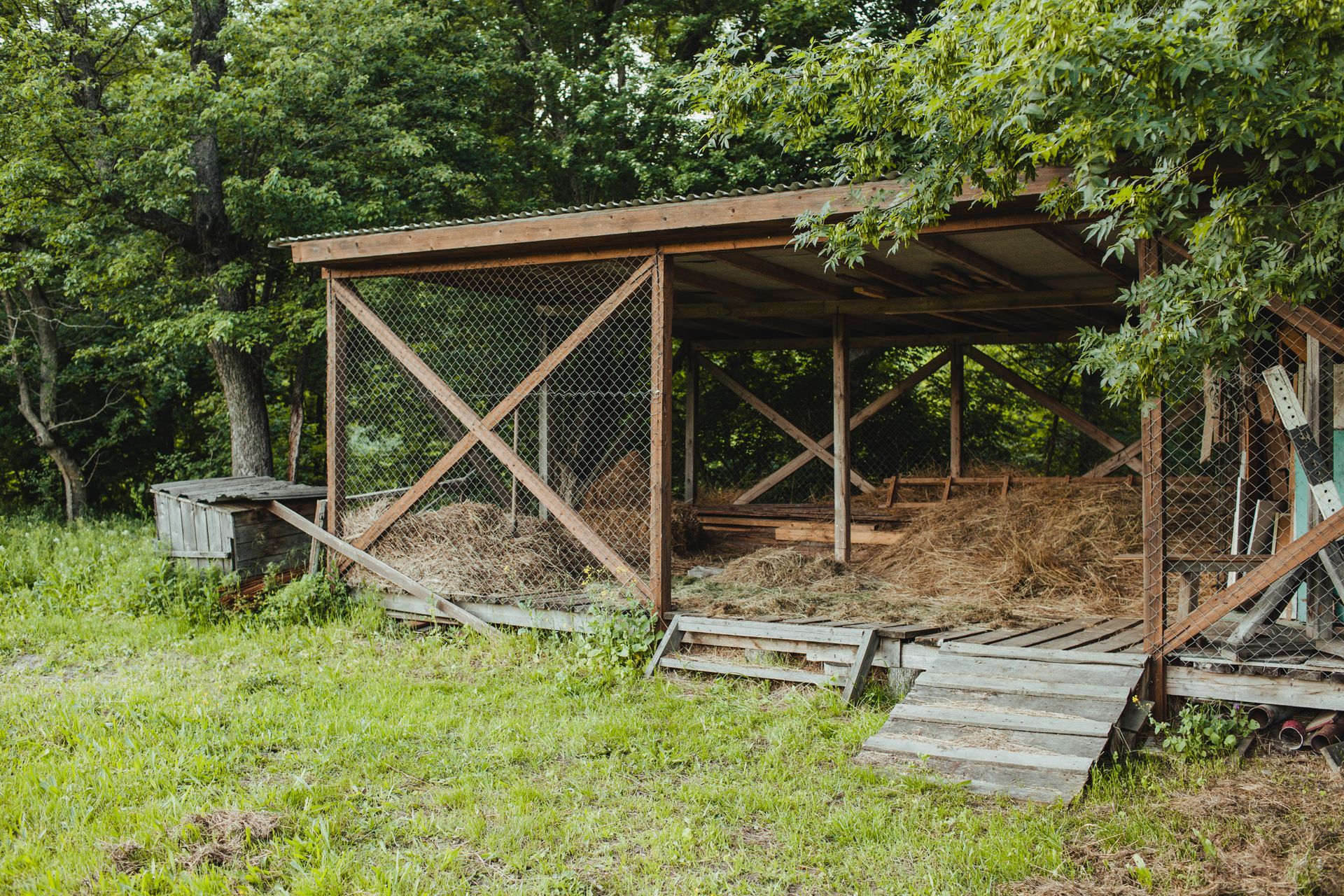
Another common mistake is purchasing animals before preparing suitable housing. Animals need safe shelter, clean water, proper food, and protection from predators and harsh weather. Build and inspect the necessary housing before bringing animals onto the property. Being prepared can reduce stress for both the animals and the owner.
Poor Water Planning
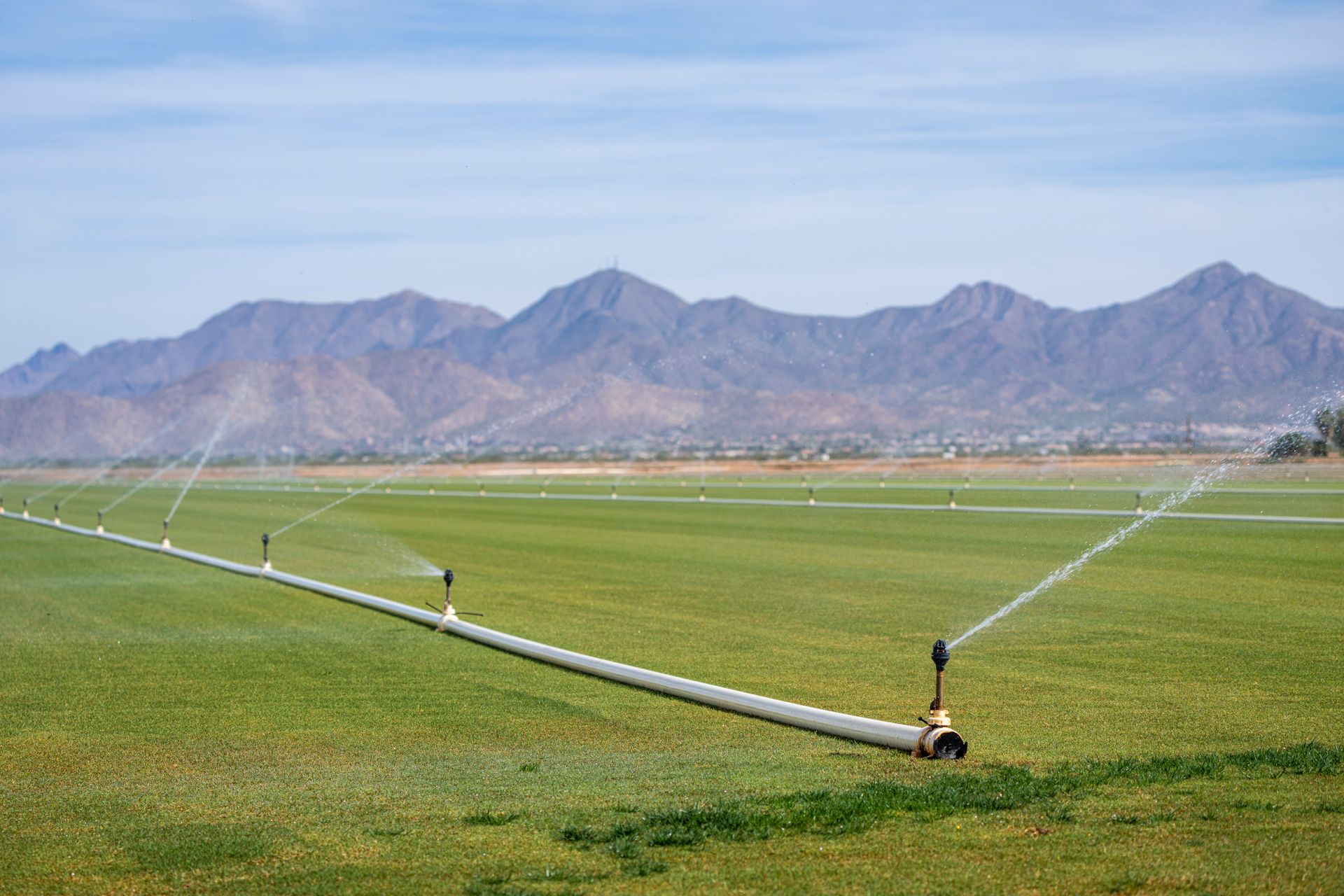
Water is essential for gardens, animals, cleaning, and many other homestead activities. Some beginners focus heavily on planting but fail to consider how they will provide enough water during dry periods. Before expanding your garden or livestock, make sure you have a reliable water plan. Use water carefully and consider suitable systems that can make watering easier and more efficient.
Neglecting Soil Health
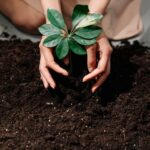
Poor soil can limit plant growth even when seeds and watering are good. Avoid treating soil as something that can be ignored after planting. Learn about drainage, organic matter, nutrients, and soil structure. Adding suitable compost and using good soil management practices can support healthier plants. Avoid adding unknown materials that could contain harmful substances.
Failing To Keep Records
Without records, it can be difficult to remember which crops performed well, how much food was produced, or where money was spent. Keep simple notes about planting dates, harvests, expenses, animal care, and problems. These records can help you identify successful methods and avoid repeating mistakes. Over time, your notes can become a valuable guide for improving the homestead.
Underestimating Daily Work
Homesteading can provide many rewards, but it also involves regular physical work. Gardens need watering and weeding, animals need daily care, and equipment needs cleaning and maintenance. Before starting a new project, think about how much time it will require every day or week. Choose projects that fit your lifestyle instead of creating responsibilities that you cannot maintain.
Trying To Do Everything Alone
Self-reliance does not mean refusing all help. Experienced farmers, neighbors, family members, and local gardening groups can provide useful advice and practical assistance. Learning from other people can help beginners avoid expensive mistakes. Sharing tools, knowledge, or extra produce can also strengthen relationships within the local community.
Spending More Than Necessary
Homesteading can save money in some areas, but it can also become expensive if you constantly buy supplies without a clear plan. Set a budget for each project and consider the long-term costs before starting. Compare the cost of producing something yourself with the cost of buying it locally. Sometimes purchasing a product is more practical than producing it at home.
Conclusion
Avoiding common homesteading mistakes beginners should avoid can make the journey easier and more enjoyable. Start small, understand your local conditions, plan your water supply, protect soil health, and choose animals carefully. Avoid buying unnecessary equipment and keep records of your progress and expenses. Most importantly, give yourself time to learn. A successful homestead develops gradually through experience, patience, and consistent care rather than trying to achieve everything at once.