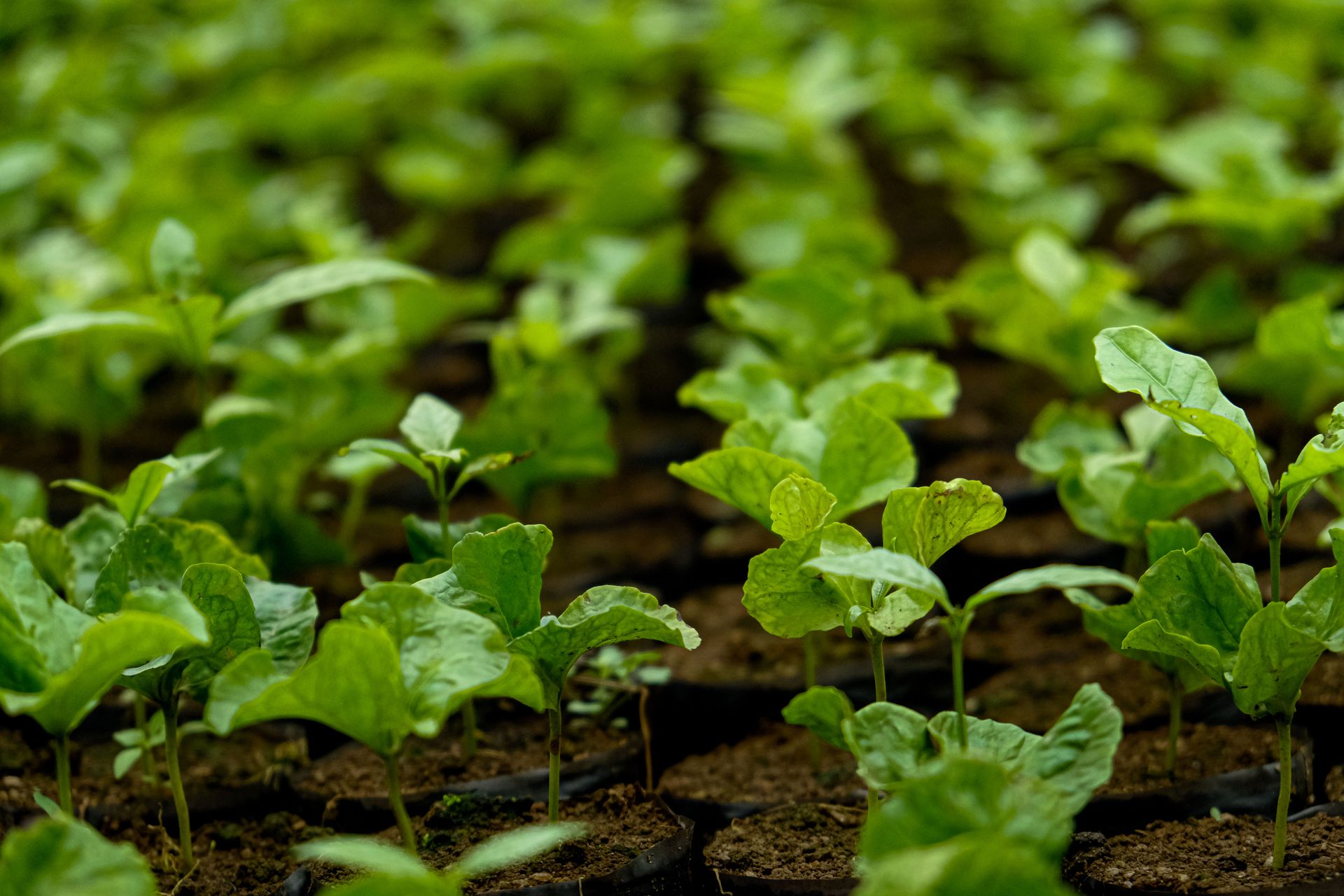
Farmers need reliable ways to produce food while protecting the land and resources they depend on. Sustainable farming focuses on using soil, water, energy, and other resources carefully so they can continue supporting food production in the future. Many farmers use a combination of traditional knowledge and modern methods to improve their farms. In this article, we discuss common sustainable farming methods farmers use and explain how these approaches can support soil health, reduce waste, protect water, and maintain productive farmland.
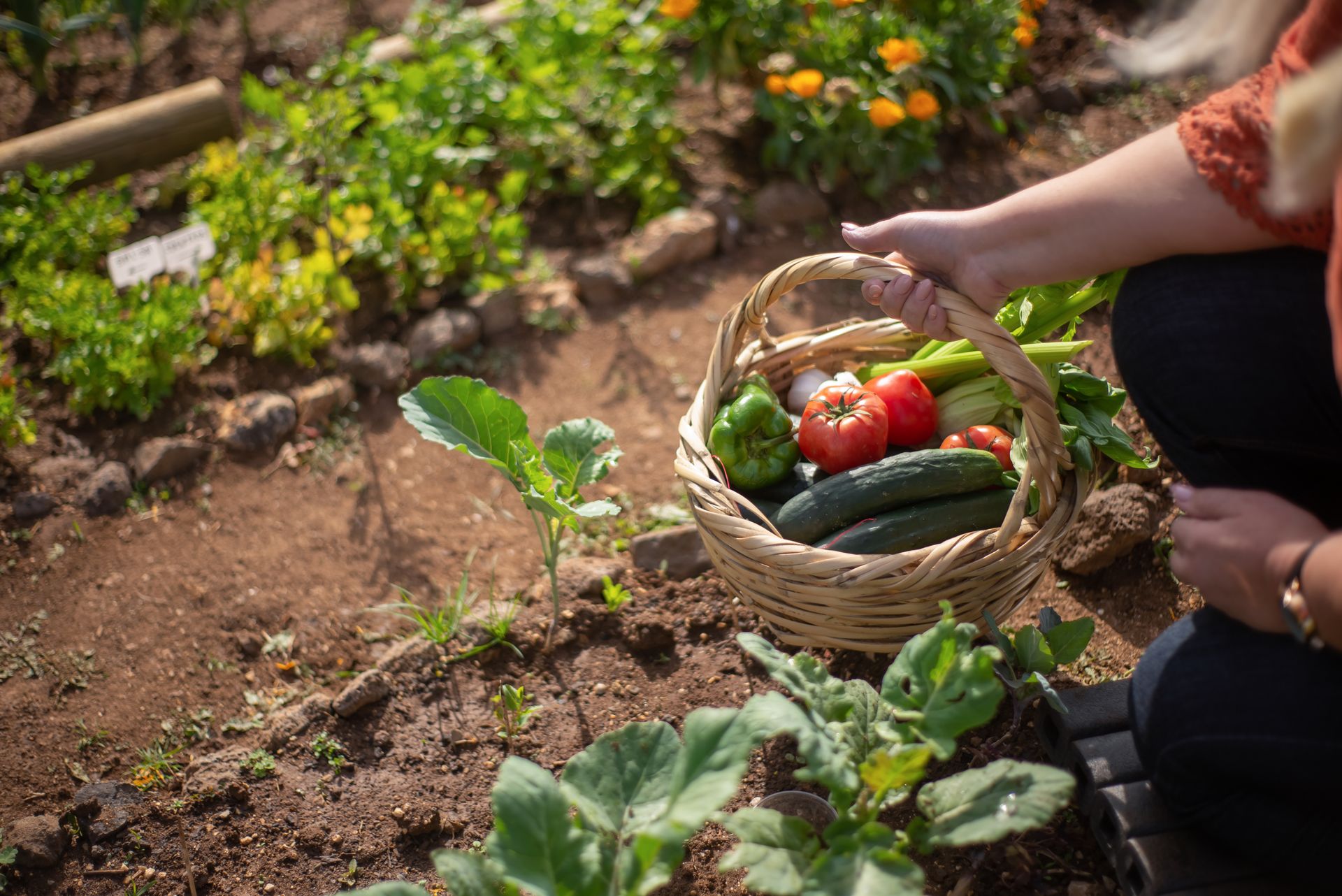
Crop Rotation
Crop rotation means growing different crops in the same field during different seasons or years. Instead of planting one crop repeatedly, farmers create a planned sequence that may include grains, vegetables, legumes, or other suitable crops. Different plants have different nutrient needs and root structures. A good rotation can help manage certain pests and diseases while supporting soil health.
Include Legumes In Rotations
Legumes such as beans and peas can be useful in crop rotations because they work with certain soil bacteria to help add nitrogen to the soil. This can support the nutrient needs of following crops. Farmers should choose suitable legumes based on their climate, soil, and production goals.
Cover Cropping
Cover crops are grown mainly to protect and improve soil rather than for direct harvest. They can cover bare ground between main crops and help reduce erosion caused by wind and rain. Their roots can also contribute organic matter to the soil. Suitable cover crops may include grasses, legumes, or mixtures of different plants.
Composting
Composting turns suitable organic materials into a useful soil amendment. Farmers can compost appropriate crop residues, leaves, grass, and some animal bedding. Mature compost can add organic matter and support soil structure. It can also reduce the amount of suitable farm waste that needs to be removed. Materials that may contain harmful chemicals or contaminants should not be added to compost intended for agricultural use.
Conservation Tillage
Conservation tillage reduces the amount of soil disturbance caused by farming equipment. Some systems leave crop residues on the soil surface instead of removing or burying everything. This can help protect the soil from erosion and reduce moisture loss. The best approach depends on the crop, soil, climate, equipment, and local farming conditions.
Efficient Irrigation
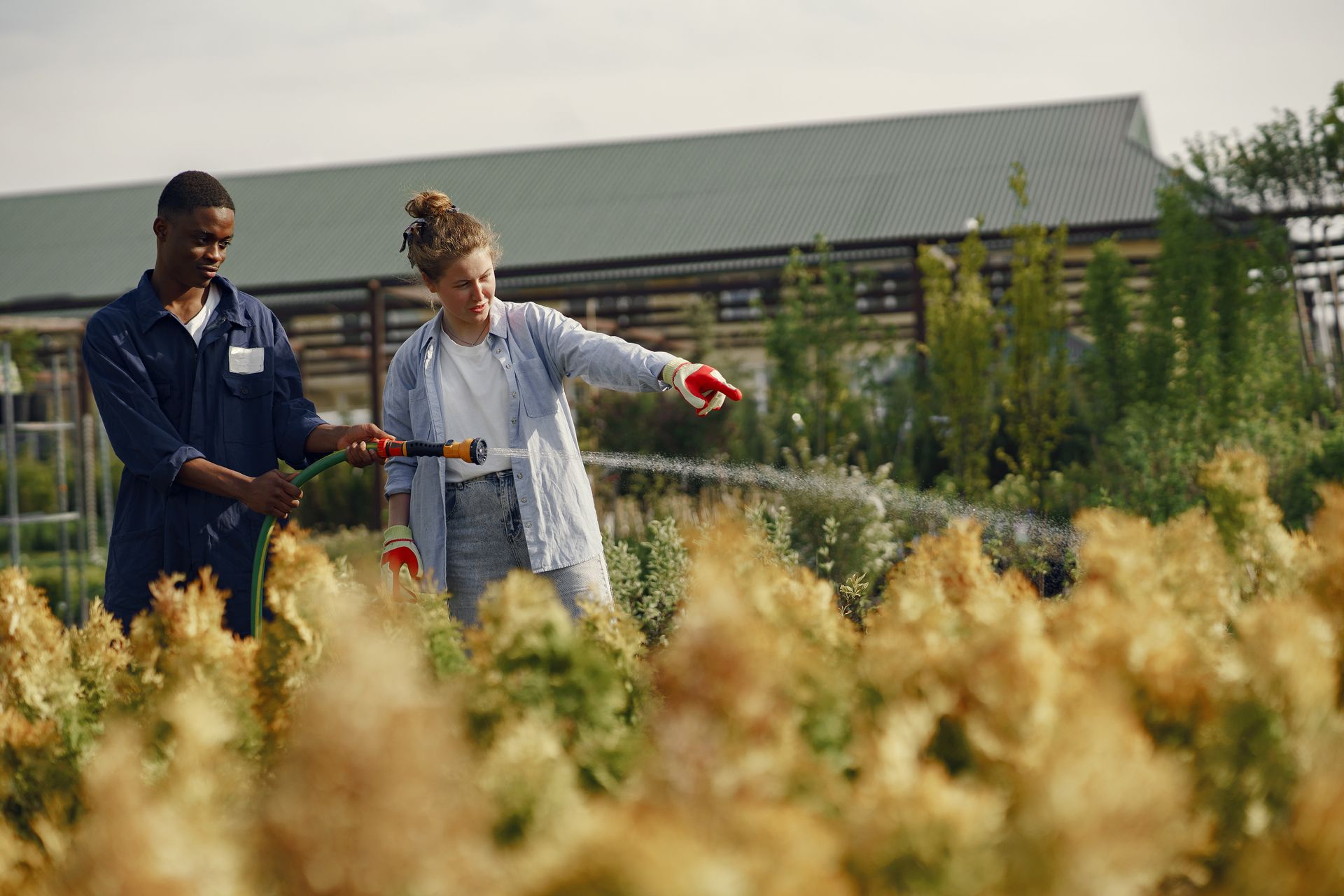
Efficient irrigation helps farmers provide crops with the water they need while reducing unnecessary loss. Drip systems can deliver water close to plant roots, while other irrigation systems may also work well when properly designed and managed. Farmers should inspect equipment for leaks and adjust irrigation according to crop needs, soil moisture, and weather conditions.
Mulching
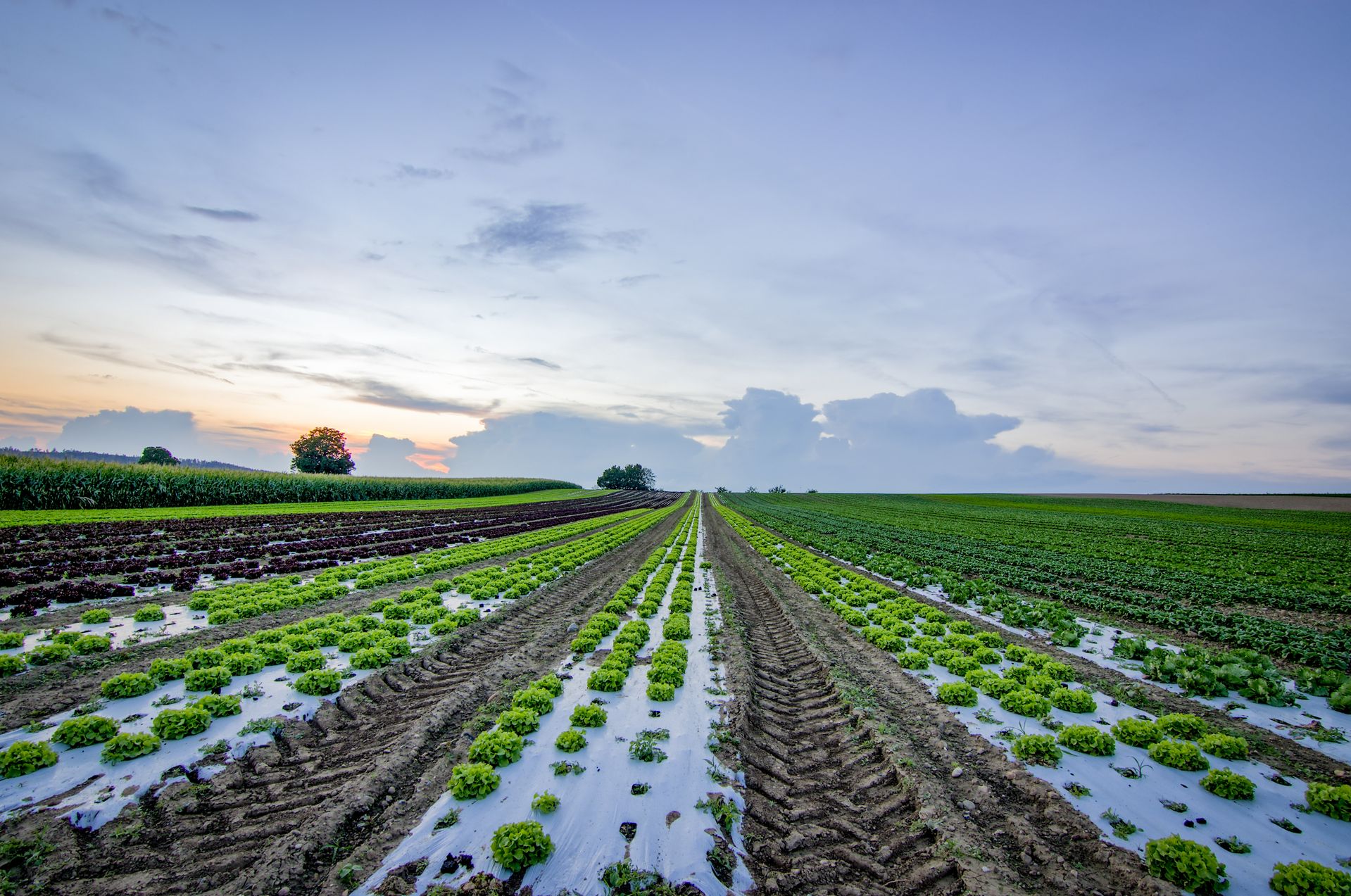
Mulch covers the soil around crops and can provide several benefits. Organic materials such as suitable crop residues, leaves, or other safe materials can help reduce evaporation and suppress weeds. Mulch can also protect the soil surface from heavy rain and temperature changes. Farmers should choose suitable materials and avoid anything that could introduce harmful substances to the soil.
Integrated Pest Management
Integrated pest management uses several methods to control pests rather than depending entirely on chemical treatments. Farmers can monitor crops, encourage useful organisms, rotate crops, remove affected plant material, and use suitable controls when necessary. This approach aims to manage pests while reducing unnecessary pesticide use. Any agricultural product should be used according to its label and local requirements.
Agroforestry
Agroforestry combines trees with crops, livestock, or both. Suitable trees can provide shade, fruit, timber, wind protection, or other useful products. Their roots can also contribute to soil protection. However, farmers need to choose tree species carefully because some trees may compete with crops for water, nutrients, or sunlight. Proper planning is important for successful agroforestry systems.
Responsible Livestock Grazing
Farmers who keep livestock can use grazing systems that protect vegetation and soil. Rotating animals between different grazing areas can give plants time to recover. Avoiding excessive grazing can help protect ground cover and reduce soil degradation. Farmers should adjust grazing plans according to pasture growth, rainfall, animal numbers, and available land.
Protecting Water Sources
Sustainable farms protect streams, ponds, wells, and other water sources from contamination. Farmers can keep fertilizers, chemicals, fuel, and animal waste away from waterways. Vegetated areas near suitable water sources can also help reduce soil movement and runoff. Protecting water quality benefits both farms and surrounding communities.
Using Renewable Energy
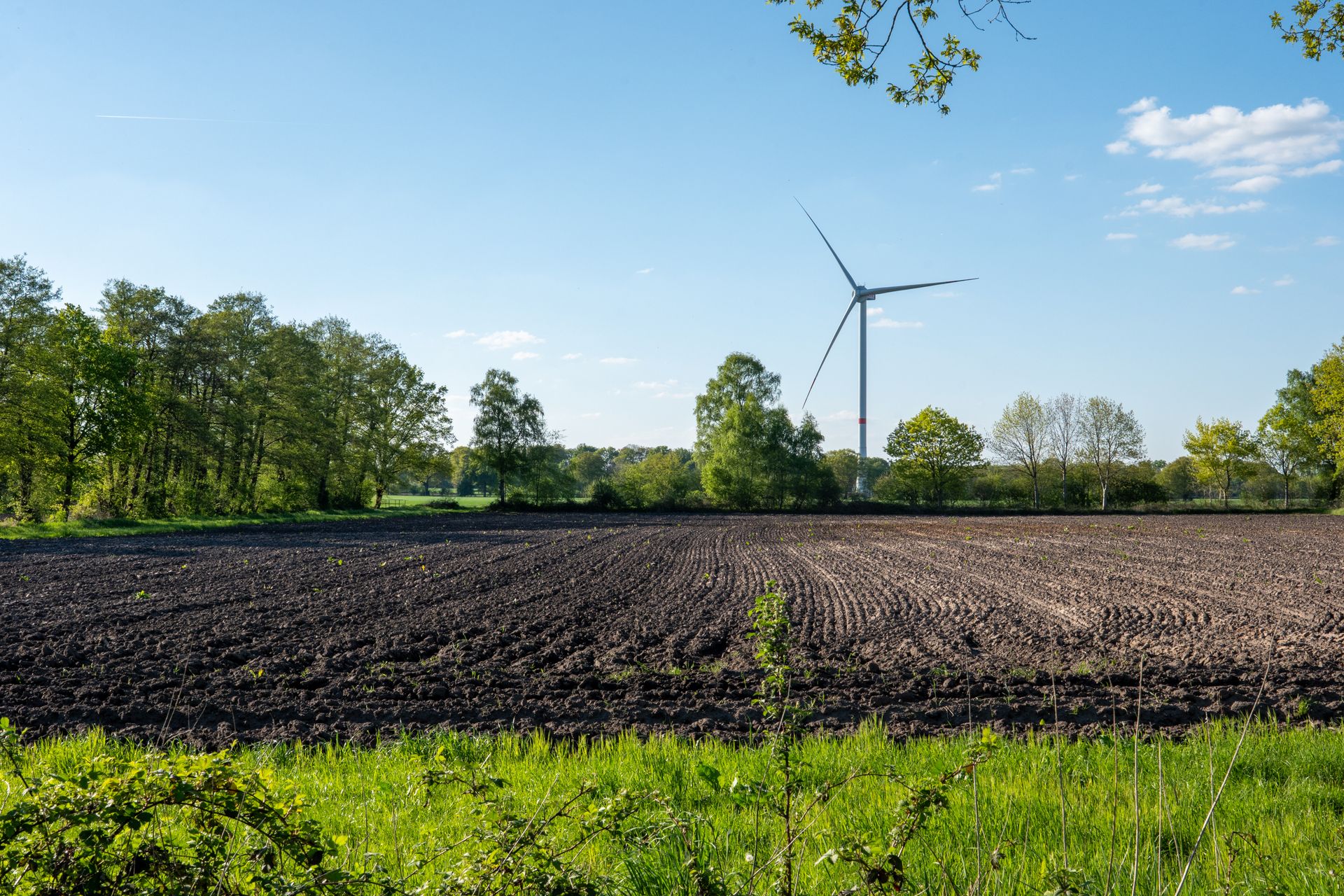
Some farms use renewable energy systems to reduce their dependence on conventional energy sources. Solar power can support certain activities such as water pumping, lighting, refrigeration, or other farm operations when the system is properly designed. Renewable energy may require an initial investment, so farmers should consider installation costs, maintenance, available sunlight, and expected energy needs.
Reducing Farm Waste
Waste reduction is another important part of sustainable farming. Farmers can reuse suitable materials, compost organic waste, improve storage, and reduce food losses after harvesting. Proper planning can also prevent farmers from buying more supplies than they need. Reducing waste can lower expenses while making better use of farm resources.
Improving Soil Health
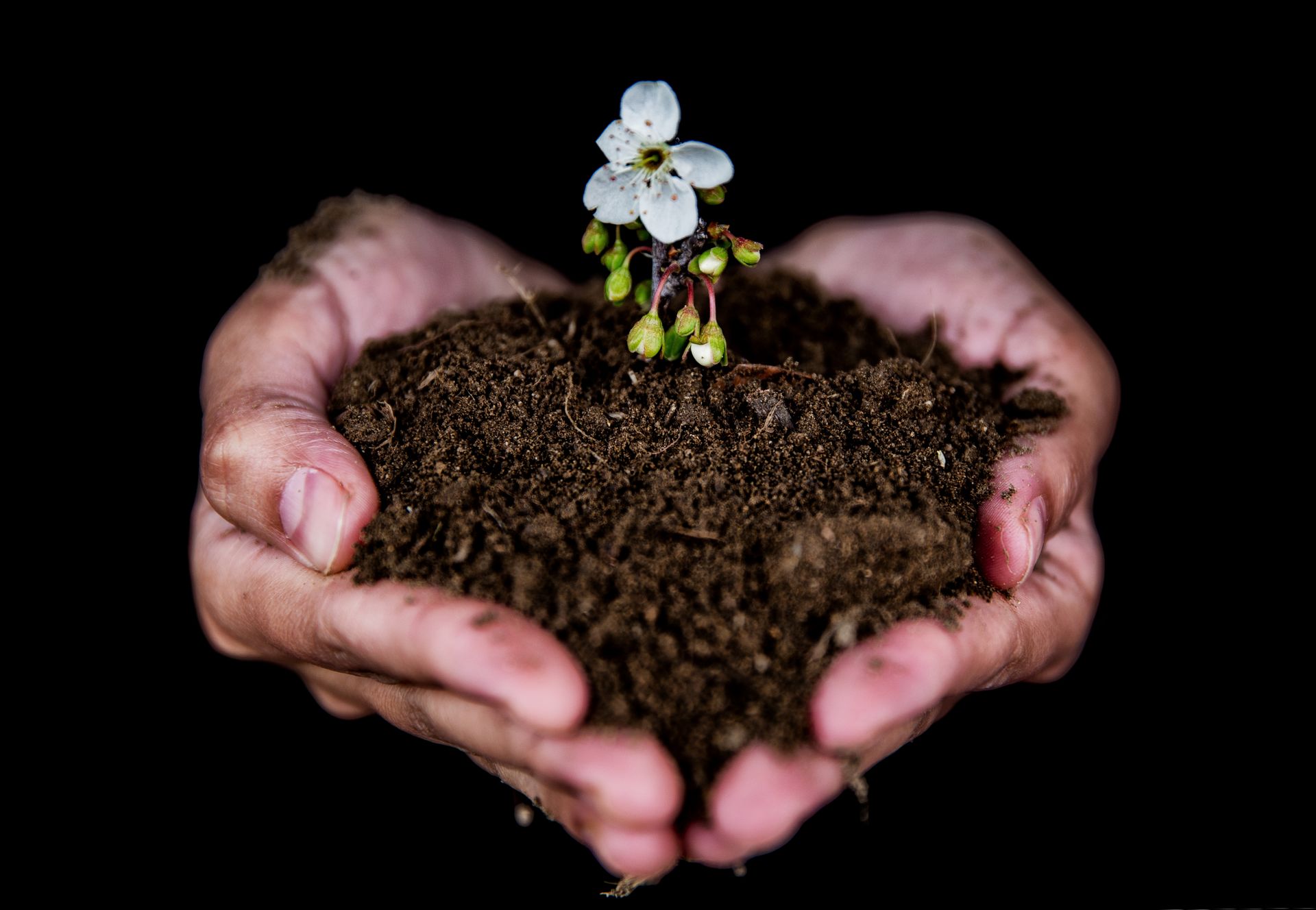
Many sustainable farming methods focus on protecting the soil. Farmers can combine crop rotation, cover crops, compost, mulching, and reduced soil disturbance to support soil quality. Healthy soil can provide better conditions for plant roots and may improve water retention. Farmers should choose practices based on their specific soil conditions rather than following the same system everywhere.
Keeping Farm Records
Records can help farmers measure the results of sustainable practices. Track crop yields, water use, fertilizer applications, pest problems, fuel use, and production costs. Comparing records across seasons can show whether a new method is helping. Good records also make it easier to identify problems and make informed decisions.
Conclusion
Common sustainable farming methods farmers use include crop rotation, cover cropping, composting, conservation tillage, efficient irrigation, mulching, integrated pest management, and agroforestry. Responsible grazing, water protection, renewable energy, waste reduction, and careful soil management can also support sustainability. No single method works for every farm. Farmers should choose practices that suit their soil, climate, crops, livestock, budget, and long-term goals. By making practical changes and measuring their results, farmers can protect natural resources while maintaining productive farmland.