Fresh produce needs careful packaging to protect it from damage, dirt, moisture, and rough handling during storage and transportation. Good packaging can also make products easier to carry, display, and sell. Farmers may use different packaging methods depending on the type of produce, customer needs, distance to market, and available resources. In this article, we discuss common ways farmers package fresh produce and explain how suitable packaging can help maintain quality. The right approach should protect the product without creating unnecessary costs or waste.
Use Wooden Or Plastic Crates
Crates are commonly used for fruits and vegetables that need protection during transportation. They provide space for produce and can reduce crushing when products are stacked carefully. Plastic crates are often easy to clean and can be reused many times. Wooden crates can also provide strong protection, but they should be clean, dry, and suitable for food handling. Farmers should avoid overcrowding crates because too much pressure can bruise delicate products.
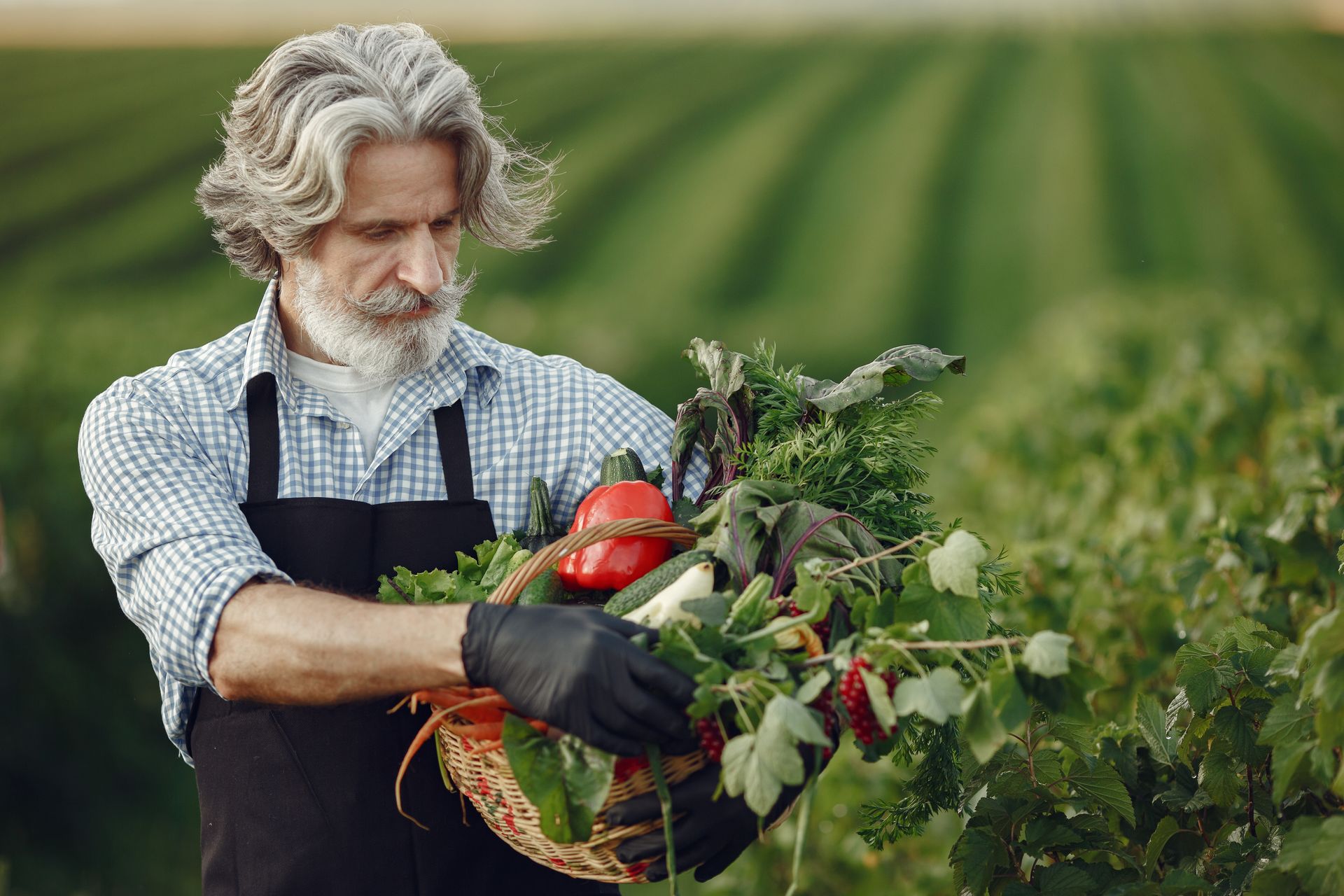
Pack Produce In Baskets
Baskets can be useful for carrying and selling fruits, vegetables, and other farm products. They may be made from natural materials or suitable synthetic materials. Baskets can allow some airflow, which may be useful for certain produce. They can also provide an attractive way to display products at local markets. However, baskets should be kept clean and handled carefully to prevent dirt or damaged materials from affecting the food.
Use Paper Bags
Paper bags can work well for products that do not require heavy protection. They are useful for items such as potatoes, onions, grains, herbs, and some dry farm products. Paper allows some airflow and can be convenient for customers. However, paper bags can become weak when exposed to moisture, so they may not be suitable for every type of fresh produce. Farmers should choose bags that match the product and expected storage conditions.
Use Mesh Bags
Mesh bags allow air to move around produce and can be useful for products such as onions, garlic, potatoes, and other items that benefit from ventilation. They can make products easy to see and handle while reducing moisture buildup. Farmers should select suitable mesh sizes and avoid placing products in bags that are too heavy. Proper ventilation can help maintain quality during storage and transportation.
Use Cardboard Boxes
Cardboard boxes can provide useful protection for fruits, vegetables, and mixed produce. They can be used for farm deliveries, wholesale orders, and direct customer sales. Boxes can also be labeled with important information such as the product name, quantity, or farm name. For delicate products, farmers may use dividers or suitable cushioning to reduce movement during transportation. Boxes should remain dry and strong enough to support their contents.
Add Suitable Cushioning
Some fruits and vegetables bruise easily when they bump against each other. Farmers can use suitable paper, trays, dividers, or other food-safe cushioning materials to reduce movement. The cushioning should not create unnecessary moisture or contamination. Good placement is also important because even strong packaging cannot prevent damage if produce is packed too tightly.
Use Plastic Containers
Plastic containers can protect small quantities of fresh produce and make products easy to display. They may be useful for berries, herbs, small vegetables, or prepared farm products where appropriate. Containers should be clean and suitable for food use. Farmers should also consider ventilation because trapped moisture can cause some products to deteriorate faster.
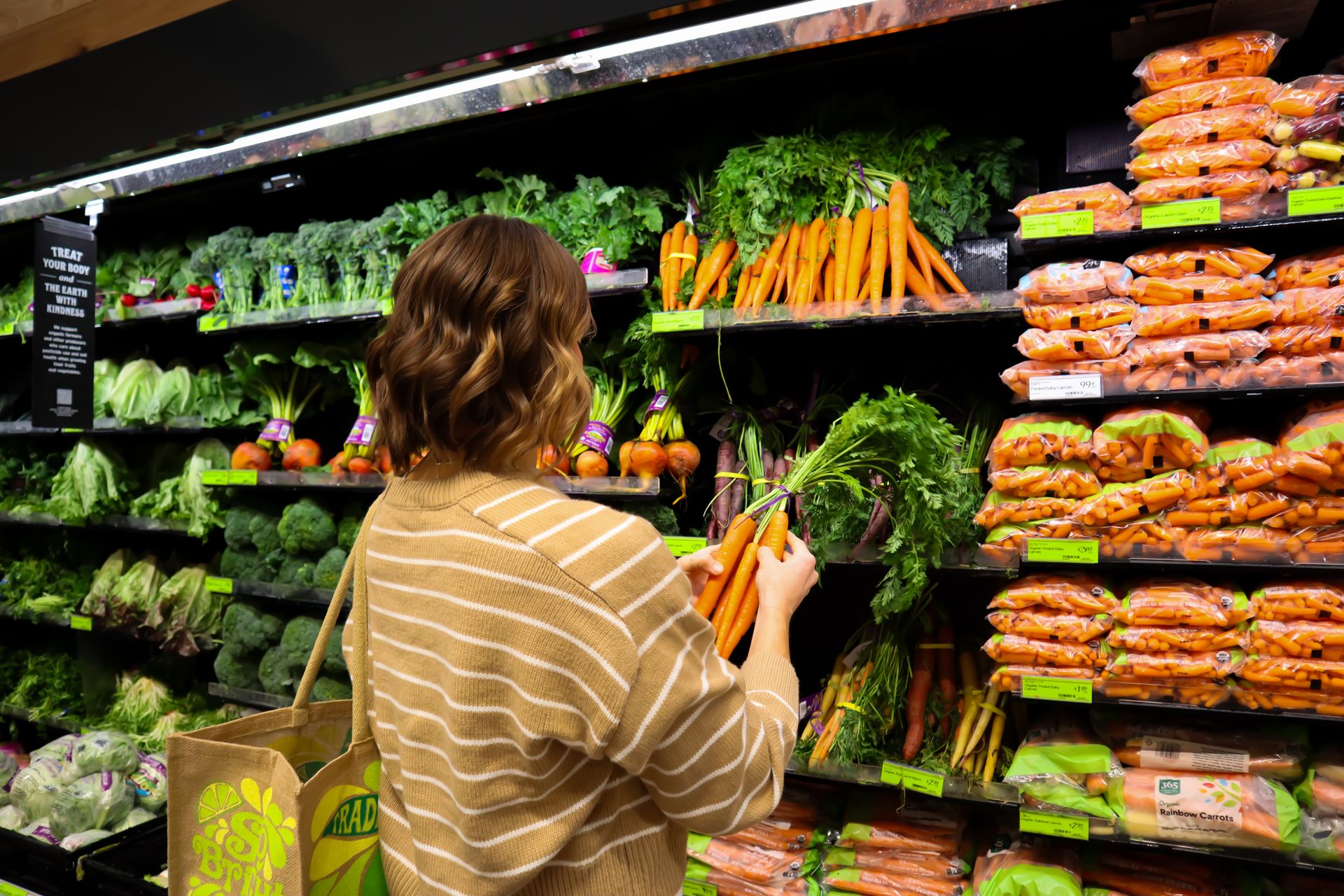
Package Produce In Bunches
Some products can be sold in simple bunches rather than individual packages. Herbs, leafy vegetables, spring onions, and similar products can often be tied or grouped together for easy handling. Bunches allow customers to see the product clearly and can make pricing simple. Farmers should avoid tying products so tightly that they become damaged or unable to release excess moisture.
Use Reusable Packaging
Reusable packaging can help farmers reduce recurring packaging costs and waste. Strong crates, baskets, and suitable containers can be cleaned and used repeatedly. However, reusable packaging must be cleaned properly between uses to reduce contamination risks. Farmers should create a simple system for collecting, cleaning, inspecting, and storing reusable containers.
Choose Packaging Based On The Product
There is no single packaging method that works for every type of fresh produce. Delicate fruits may need more protection, while onions and potatoes may need better airflow. Leafy vegetables may require moisture control, while heavier vegetables may need strong containers.
Before choosing packaging, consider:
-
The type of produce
-
How easily it bruises
-
Storage conditions
-
Transportation distance
-
Expected handling
-
Customer preferences
-
Packaging costs
-
Available storage space
Choosing packaging based on these factors can protect products while avoiding unnecessary spending.
Keep Packaging Clean
Clean packaging is essential for maintaining food quality. Containers, crates, baskets, and other materials should be suitable for handling fresh food and kept away from dirt, chemicals, animals, and other contamination sources. Damaged packaging should be replaced when it can no longer protect the produce properly. Clean and well-maintained packaging can also create a better impression when selling directly to customers.
Conclusion
Understanding common ways farmers package fresh produce can help protect food from damage and quality loss. Crates, baskets, paper bags, mesh bags, cardboard boxes, plastic containers, and simple bunches can all be useful when matched with the right products. Farmers should consider the type of produce, transportation distance, storage conditions, customer needs, and packaging costs before making a choice. Clean, suitable, and well-designed packaging can reduce waste, improve presentation, and help fresh farm products reach customers in better condition.