Crop rotation is one of the oldest and most practical farming techniques. Instead of growing the same crop in the same field season after season, farmers rotate different crops through the available land. This simple approach can improve soil health, reduce certain pest and disease problems, and support more consistent crop production.
Whether you manage a small garden or a larger farm, understanding crop rotation can help you use your land more effectively. This complete guide to crop rotation explains how the practice works, its benefits, and how to create a practical rotation plan.
What Is Crop Rotation?
Crop rotation means growing different crops in the same field over a planned sequence of seasons or years.
For example, a farmer might grow maize in one season, beans in the next, and then a leafy vegetable or another suitable crop afterward. Rather than repeatedly planting one crop, the farmer changes the crop family or type.
This matters because different crops interact with the soil in different ways. Some use large amounts of particular nutrients, while others can contribute nutrients or organic matter to the farming system.
As a result, rotating crops can create a more balanced production system.
Why Is Crop Rotation Important?
Growing the same crop repeatedly can encourage certain pests and diseases to build up. It can also place repeated pressure on specific soil nutrients.
Crop rotation helps break these patterns. When you change the crop grown in a field, pests and diseases that depend heavily on the previous crop may have fewer opportunities to survive and multiply.
Furthermore, different crops often have different root structures. Deep-rooted plants can explore different parts of the soil compared with shallow-rooted crops.
Therefore, a well-planned rotation can support soil structure, nutrient management, and overall farm resilience.
Benefits of Crop Rotation
Crop rotation offers several potential advantages when farmers plan it appropriately.
Improves Soil Health
Different crops have different nutrient requirements. Rotating crops can help prevent the repeated depletion of particular nutrients.
Including legumes such as beans or peas can also contribute nitrogen to the farming system through biological nitrogen fixation.
In addition, crop residues left after harvest can contribute organic material to the soil as they decompose.
Helps Manage Pests
Some pests depend on particular crops or crop families for food and reproduction. Consequently, planting a different crop in the following season can interrupt their life cycles.
Rotation works best as part of a broader pest-management strategy rather than as a single solution.
Reduces Some Disease Problems
Certain plant diseases can persist in soil or crop residues. If farmers repeatedly grow the same susceptible crop, these diseases may become more difficult to manage.
Rotating to crops that are not affected by the same diseases can reduce opportunities for some pathogens to multiply.
Supports Weed Management
Different crops require different planting dates, spacing, cultivation methods, and harvesting practices. These changes can make it harder for particular weed populations to become dominant.
For example, a crop that forms a dense canopy may compete with weeds differently from a widely spaced crop.
Can Improve Long-Term Productivity
Healthy soil and effective pest management can support more reliable production over time. Therefore, crop rotation can contribute to the long-term productivity of farmland when combined with other good farming practices.
Common Crop Groups for Rotation
A useful way to design a rotation is to group crops according to their characteristics rather than simply rotating individual crops.
Common groups include:
-
Legumes: Beans, peas, lentils, and other suitable legumes.
-
Grains and cereals: Maize, wheat, sorghum, millet, and similar crops.
-
Leafy vegetables: Spinach, kale, lettuce, and related crops.
-
Root and tuber crops: Carrots, potatoes, sweet potatoes, and other root crops.
-
Fruiting crops: Tomatoes, peppers, eggplants, and similar vegetables.
The exact grouping depends on the crops you grow and the pests and diseases common in your area.
How to Create a Crop Rotation Plan
Start by listing everything you currently grow. Then group the crops according to their plant families, nutrient requirements, and susceptibility to pests and diseases.
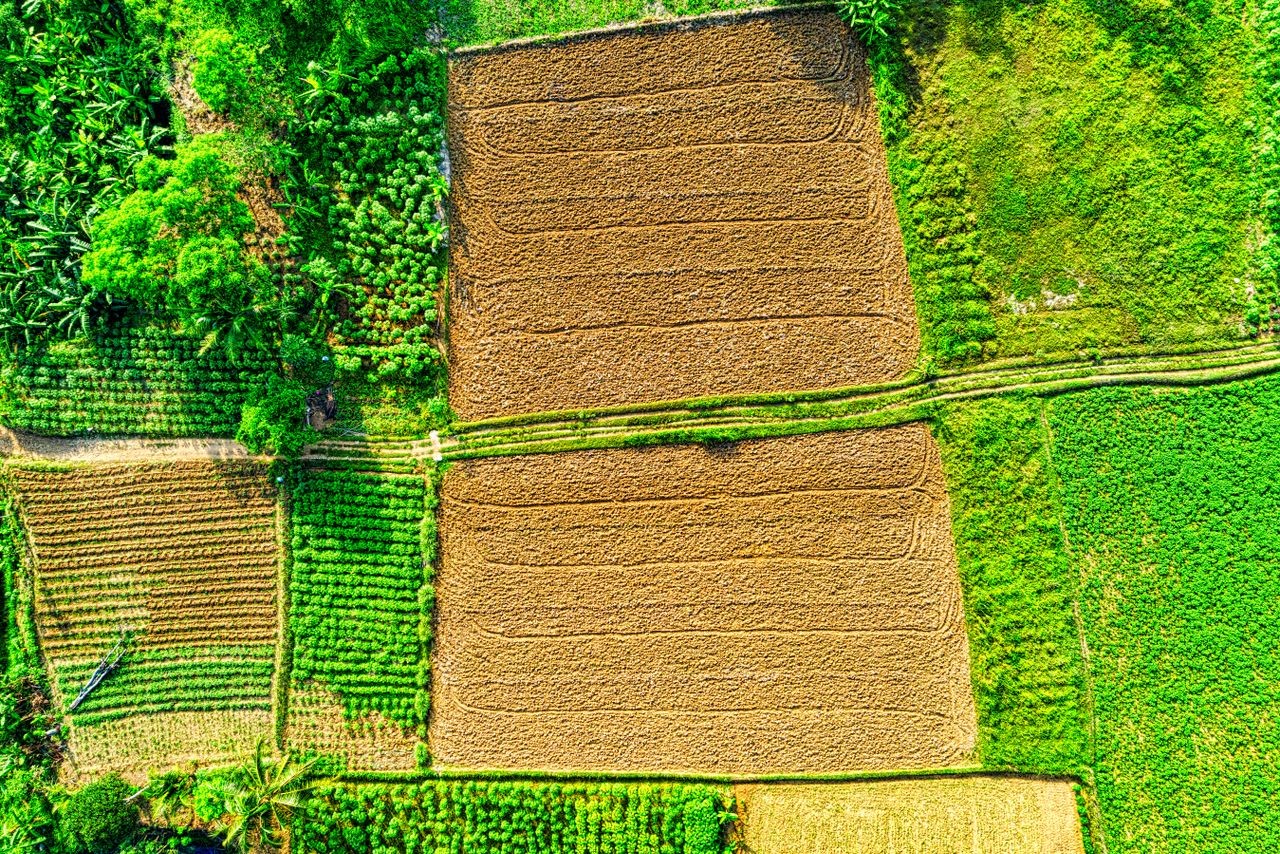
Next, map your fields or growing areas. Divide them into manageable sections and decide which crop group will occupy each section during each season.
For example, a simple four-year rotation might look like this:
Year 1: Cereal crop
Year 2: Legume
Year 3: Root crop
Year 4: Vegetable or cover crop
Afterward, repeat the cycle while adjusting it according to your farm’s results.
However, there is no universal rotation schedule. Your climate, soil, available water, crop varieties, market demand, and local pest pressures should all influence the plan.
Include Cover Crops When Appropriate
Cover crops can complement crop rotation by protecting the soil between major production cycles.
Suitable cover crops can reduce soil erosion, suppress some weeds, and add organic material when incorporated or left appropriately on the field.
Legume cover crops can also contribute nitrogen to the farming system.
Nevertheless, choose cover crops carefully. Some species can become difficult to control or may host pests and diseases that affect future crops.
Avoid Rotating Related Crops Too Closely
Simply changing from one vegetable to another does not always provide effective rotation.
For instance, tomatoes, peppers, and eggplants belong to the same plant family. If a particular soil-borne disease affects this family, switching between these crops may not provide the break you need.
Instead, rotate between different plant families when possible.
This strategy can make crop rotation more effective for managing certain pests and diseases.
Keep Detailed Records
Good records make crop rotation much easier to manage.
Record which crop you plant in each field, when you plant it, when you harvest it, and any major pest or disease problems you observe.
Also record fertilizer applications, soil amendments, yields, and weather conditions.
Over several seasons, these records can reveal useful patterns. For example, you may discover that a particular rotation produces better yields or reduces a recurring pest problem.
Common Crop Rotation Mistakes
Farmers can make crop rotation less effective by making several common mistakes.
First, avoid rotating crops without considering their plant families. Closely related crops may share pests and diseases.
Second, do not ignore market demand. A rotation should improve soil and crop management while still producing crops that you can use or sell.
Third, avoid creating overly complicated plans. A simple rotation that you can follow consistently is often more useful than a complicated plan that becomes difficult to manage.
Finally, remember that crop rotation does not replace good soil fertility management, weed control, pest monitoring, or appropriate irrigation.
Final Thoughts
This complete guide to crop rotation shows why changing crops from season to season can be a valuable part of sustainable farm management. A thoughtful rotation can support soil health, interrupt some pest and disease cycles, improve weed management, and contribute to more resilient production.
Start by understanding your crops and grouping them according to their families and growing characteristics. Then create a practical rotation that fits your land, climate, resources, and market.
Most importantly, keep records and evaluate your results after every season. With careful planning and consistent management, crop rotation can become an important tool for maintaining productive farmland for years to come.