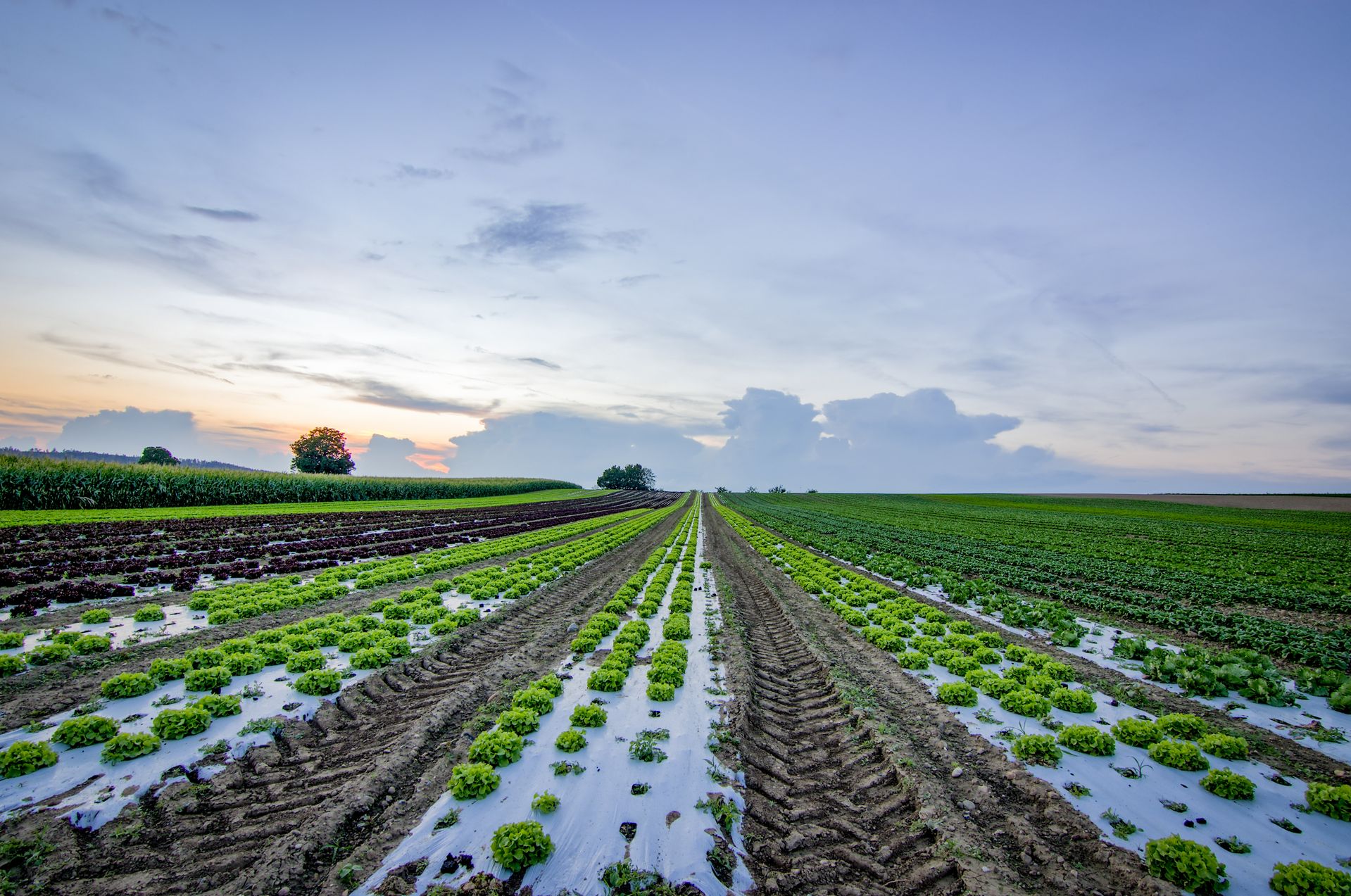
Cover crop benefits extend far beyond protecting bare soil between growing seasons. Farmers plant cover crops primarily to keep fields protected, but these plants can also improve soil structure, support beneficial organisms, manage weeds, and reduce erosion. Unlike crops grown mainly for harvest, cover crops serve as a tool for protecting and improving the land. With thoughtful selection and management, they can become an important part of a productive farming system.
What Are Cover Crops?
Cover crops are plants grown mainly to protect and improve soil rather than to produce a marketable harvest. Farmers may plant them after harvesting a main crop or during periods when fields would otherwise remain bare.
Common examples include:
-
Legumes such as clover, peas, and vetch.
-
Grasses such as rye and oats.
-
Brassicas such as radishes and mustards.
-
Mixtures containing several compatible plant species.
Farmers select cover crops according to their climate, soil conditions, available moisture, and production goals.
Protecting Soil From Erosion
Bare soil can become vulnerable to wind and water erosion. Heavy rain can wash valuable topsoil away, while strong winds can carry exposed soil particles from fields.
Cover crops create a living layer across the soil surface. Their leaves reduce the direct impact of rainfall, while their roots help hold soil particles together.
One of the most important cover crop benefits is therefore improved protection during periods when the main crop is not growing. Maintaining plant cover can help farmers preserve valuable topsoil and reduce the movement of sediment into surrounding areas.
Reducing Water Runoff
Plant residues and living roots can slow the movement of water across the field. Instead of quickly flowing over the surface, some water can infiltrate the soil.
Better infiltration can help reduce runoff and may improve the amount of moisture available to plants later. However, results depend on soil type, rainfall, crop selection, and management practices.
Improving Soil Structure
Healthy soil contains spaces that allow air and water to move through it. Intensive cultivation and repeated traffic can sometimes contribute to compaction and poor structure.
Cover crop roots grow through the soil and create channels as they develop and eventually decompose. Different species produce different root patterns, so using a mixture can provide a wider range of root structures.
As organic material returns to the soil, it can also contribute to the formation of aggregates. Over time, this process can create a more favorable environment for roots and soil organisms.
Adding Organic Matter
Plant roots, stems, and leaves eventually return organic material to the soil. When cover crops are terminated and their residues remain in the field, microorganisms begin breaking that material down.
This process contributes to soil organic matter, which plays an important role in soil structure and water-holding capacity.
Farmers should manage residues carefully, however. Excessive or poorly timed residue can interfere with planting operations or temporarily affect nutrient availability.
Supporting Soil Nutrients
Certain cover crops can influence nutrient cycling. Legumes are particularly valuable because they work with specialized soil bacteria to obtain nitrogen from the atmosphere.
When managed correctly, legumes can contribute nitrogen to the farming system. Other cover crops can capture nutrients that might otherwise move beyond the root zone during periods of heavy rainfall.
These cover crop benefits make nutrient management more efficient, although farmers should still base fertilizer decisions on soil tests, crop requirements, and local recommendations.
Suppressing Weeds
A well-established cover crop can compete with weeds for sunlight, water, nutrients, and growing space. Some species also produce dense vegetation that shades the soil surface.
When cover crop residues remain after termination, they can form a layer that makes it more difficult for certain weed seeds to germinate and establish.
However, cover crops are not a guaranteed replacement for all weed-management practices. Farmers should select species carefully and manage them before they produce unwanted seed.
Choosing the Right Species
Different cover crops provide different advantages. A farmer interested mainly in nitrogen management may prioritize legumes, while someone focused on erosion control may prefer species that produce substantial ground cover and strong root systems.
A mixture can provide several functions at once, but farmers should consider competition between species and the needs of the following crop.
Encouraging Soil Biology
Healthy soil contains a diverse community of microorganisms, fungi, insects, and other organisms. Living roots provide food and habitat for many of these organisms.
When plants remain in the soil between major growing seasons, they can keep biological activity going instead of leaving the soil without living roots for extended periods.
This biological activity supports decomposition and nutrient cycling. As a result, cover crop benefits can extend beyond physical soil protection to the broader biological health of the field.
Improving Water Management
Cover crops can influence how soil handles water. Their roots can create pathways that encourage infiltration, while organic matter can improve the soil’s ability to retain moisture.
This can become particularly valuable in regions where rainfall varies significantly. Nevertheless, cover crops also consume water while growing, so farmers need to select planting and termination dates carefully.
A poorly timed cover crop can compete with the following crop for limited moisture. Good management therefore requires balancing soil protection with water availability.
Planning a Successful Cover Crop System
Farmers should avoid choosing a cover crop solely because it performs well elsewhere. Local conditions strongly influence results.
Before planting, consider:
-
The main crop that will follow.
-
Soil type and fertility.
-
Expected rainfall and temperature.
-
Available planting and termination equipment.
-
Water availability.
-
Potential pest and disease concerns.
-
The time required for the cover crop to establish and mature.
These factors help farmers create a system that provides useful benefits without creating unnecessary challenges.
Building Healthier Soil Over Time
Soil improvement rarely happens after one season. Farmers often need to use cover crops consistently alongside other conservation practices to see meaningful long-term changes.
Crop rotation, reduced soil disturbance, appropriate nutrient management, and erosion control can complement cover crops and strengthen the overall farming system.
Ultimately, cover crop benefits become more valuable when farmers treat soil health as a long-term investment. Protecting the soil today can create better conditions for crops in future seasons.
Conclusion
Cover crops offer farmers a practical way to protect and improve their soil between major production periods. They can reduce erosion, support soil organisms, improve structure, contribute organic matter, influence nutrient cycling, and suppress weeds.
The best results come from choosing suitable species and managing them according to local conditions. When integrated with other conservation practices, cover crop benefits can help farmers build healthier, more resilient soils while supporting productive agriculture for years to come.