Farmers rely on the right tools to prepare soil, plant crops, control weeds, maintain fields, and harvest produce efficiently. While modern machinery can handle large-scale operations, simple hand tools remain valuable for small farms, gardens, and routine agricultural tasks.
Choosing practical, durable tools can save time, reduce physical effort, and improve the quality of farm work. Therefore, every farmer should build a basic collection based on the crops they grow, the size of their operation, and their available budget.
This guide explains the essential farm tools every farmer needs and how each one can support everyday agricultural work.
Hoes
A hoe is one of the most useful tools on a farm. Farmers use it to loosen soil, remove weeds, prepare planting areas, and create planting furrows.
Different hoe designs suit different tasks. A wide blade can help with general cultivation, while a narrower blade may work better between closely spaced plants.
Choose a hoe with a strong handle and durable blade. Furthermore, keep the blade clean and sharpen it when necessary to make fieldwork easier.
Shovels
Shovels are essential for moving soil, compost, manure, sand, and other materials around the farm.
A good shovel should have a strong blade and comfortable handle. Different blade shapes can make particular jobs easier, so consider the tasks you perform most frequently.
Clean the shovel after use and store it in a dry location to reduce rust and extend its useful life.
Spades
Although similar to shovels, spades are particularly useful for cutting through soil and creating neat edges.
Farmers can use them to prepare planting beds, divide soil, dig holes, and move compacted soil.
A sturdy spade can become one of the most frequently used tools on a small farm, especially where farmers perform tasks manually.
Rakes
Rakes help farmers level soil, collect leaves and crop residues, remove debris, and prepare planting beds.
A sturdy garden or field rake can be useful after digging or cultivating an area. It can also help spread compost or other suitable materials across the soil surface.
Use the appropriate rake for the job and avoid applying excessive force that could bend or damage the tines.
Wheelbarrows
Moving heavy materials by hand can consume considerable time and energy. A wheelbarrow makes it easier to transport soil, compost, manure, tools, harvested crops, and other materials.
Choose a wheelbarrow with a strong frame and a wheel suited to your terrain.
For farms with uneven or rough ground, a durable design can provide better stability and longevity.
Pruning Shears
Pruning shears are particularly useful for farmers growing fruit trees, vegetables, herbs, and other plants that require pruning.
Use them to remove small branches, damaged stems, and unwanted growth where appropriate.
Keep pruning blades sharp and clean. Cleaning tools between plants or fields can also help reduce the risk of spreading certain plant diseases.
Hand Trowels
A hand trowel is a small but useful tool for planting seedlings, transplanting, removing small weeds, and working around individual plants.
It is especially valuable in vegetable gardens, nurseries, and small-scale farms.
Choose a model with a comfortable grip and a strong blade that can handle the soil conditions on your farm.

Watering Cans and Irrigation Equipment
Reliable watering equipment is essential when rainfall does not provide enough moisture.
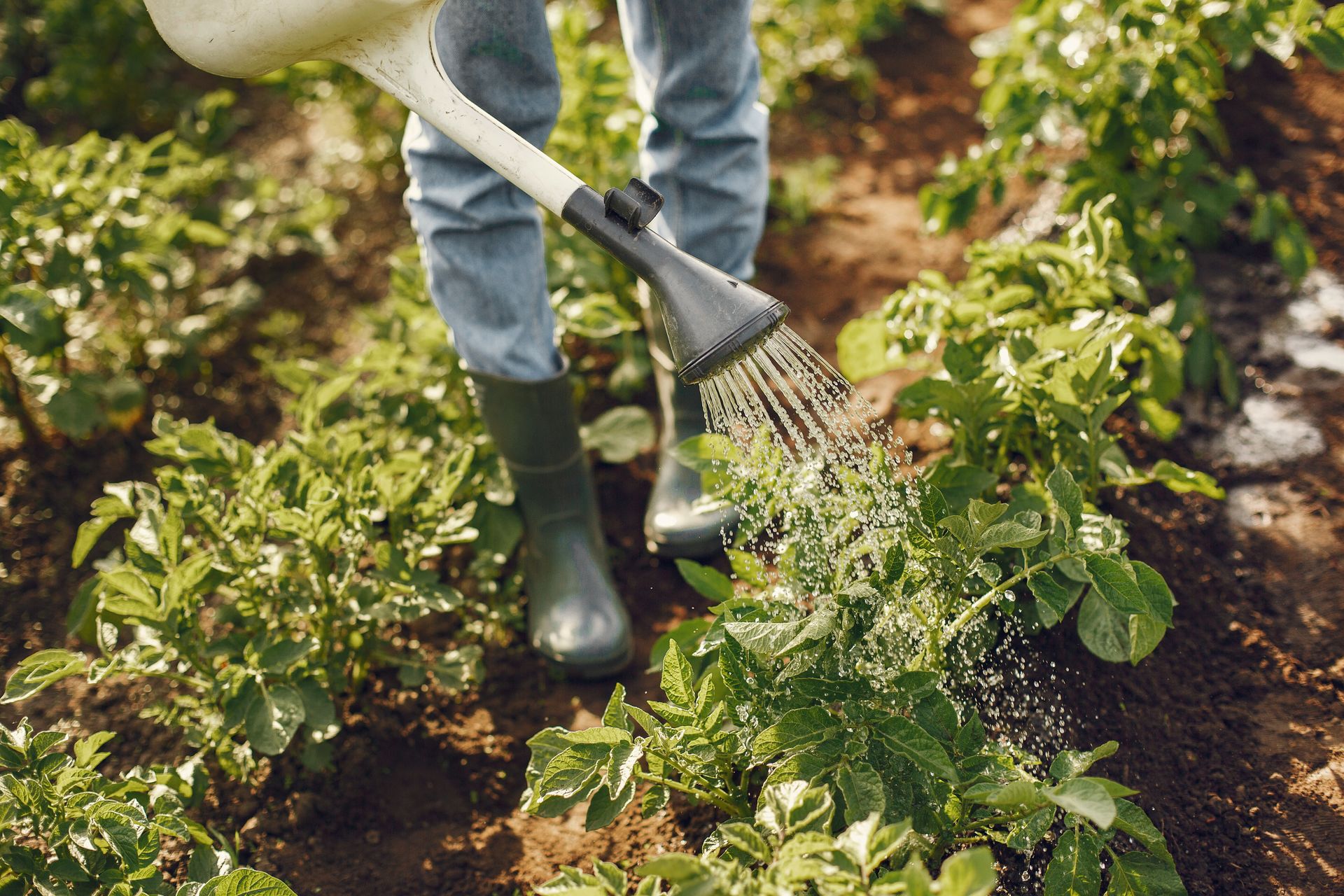
A watering can works well for small plots, nurseries, and seedlings. Larger farms may require hoses, pumps, sprinklers, drip systems, or other irrigation equipment.
Whatever system you use, inspect it regularly for leaks, blockages, and damaged components.
Efficient water delivery can help conserve water while supporting healthy crop growth.
Measuring Tools
Accurate measurements can improve planting and farm planning.
A measuring tape can help farmers determine row spacing, field dimensions, planting distances, and equipment requirements.
For larger farms, additional measuring equipment may help with field layout and irrigation planning.
Although measuring tools seem simple, they can prevent mistakes that affect crop spacing and resource use.
Soil Testing Tools
Understanding soil conditions helps farmers make better decisions about fertilizers, amendments, and crop selection.
A professional soil test provides more comprehensive information, but basic soil-testing kits can also provide useful measurements for certain applications.
Use soil-test results alongside crop requirements and local agricultural recommendations.
Avoid applying large quantities of fertilizer simply because a crop appears unhealthy. First determine whether nutrient deficiency is actually the cause.
Harvesting Tools
Harvesting tools depend on the crops you grow. Knives, sickles, clippers, baskets, crates, and other suitable equipment can make harvesting faster and reduce crop damage.
Use clean, sharp tools when harvesting crops that require cutting. Handle harvested produce carefully to minimize bruising and other damage.
Additionally, choose containers that provide adequate protection during transportation.
Protective Equipment
Farmers should also invest in appropriate personal protective equipment for tasks that require it.
Depending on the work, this may include gloves, protective footwear, eye protection, hearing protection, or other suitable equipment.
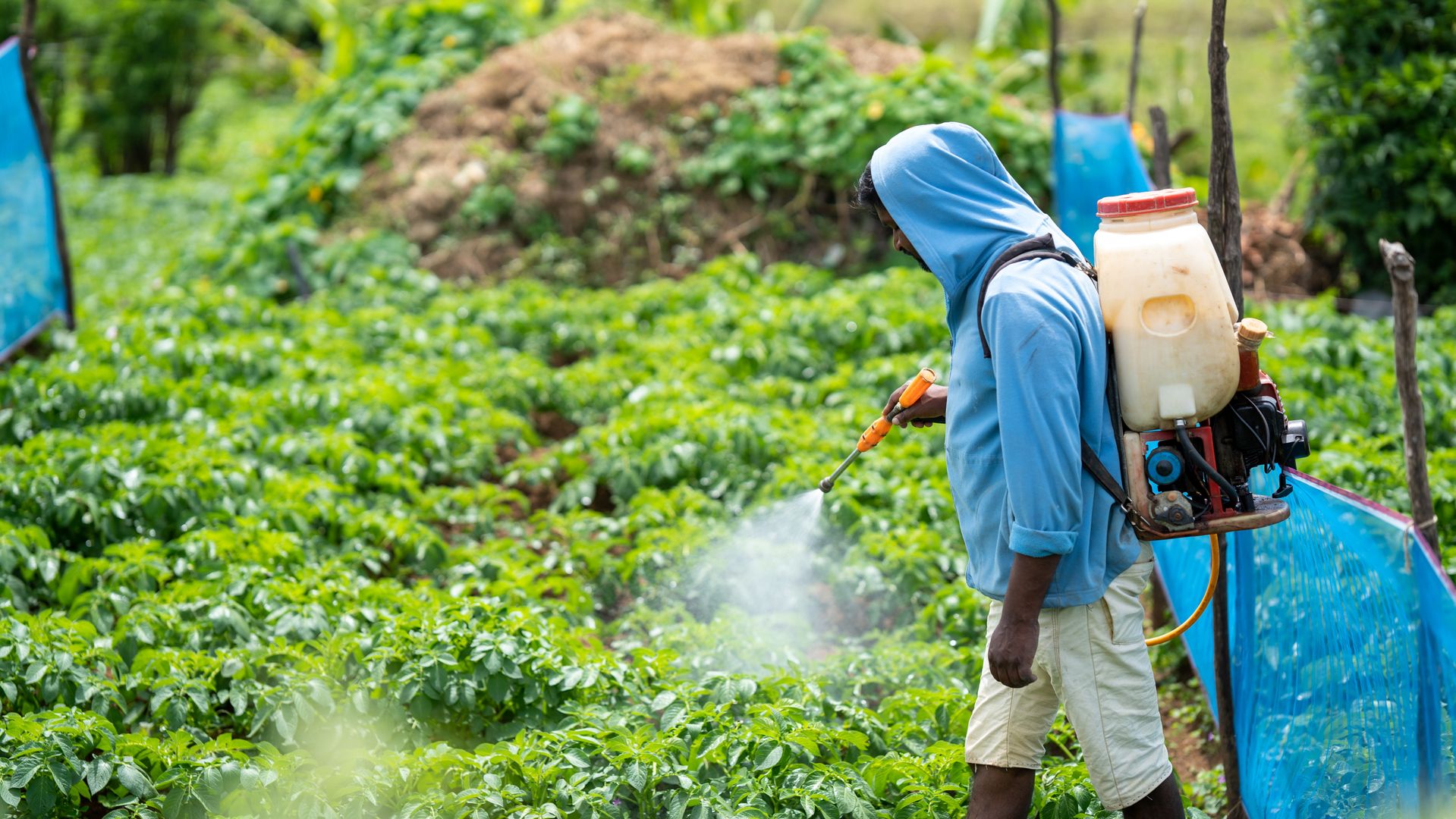
When using agricultural chemicals or operating machinery, always follow the relevant safety instructions and use the protective equipment specified for the task.
Good safety practices protect both the farmer and other workers on the farm.
Tool Storage and Maintenance
Buying quality tools is only the first step. Proper maintenance can significantly extend their useful life.
Clean tools after use and remove soil, plant material, and moisture. Sharpen cutting tools when needed and inspect handles for cracks or other damage.
Store tools in a dry, organized location where they are protected from weather and unnecessary wear.
Furthermore, keep frequently used tools easy to access. An organized tool area saves time and reduces the risk of misplaced equipment.
Choose Tools Based on Your Farm
Farmers do not need to purchase every tool available. Instead, start with equipment that directly supports your most common tasks.
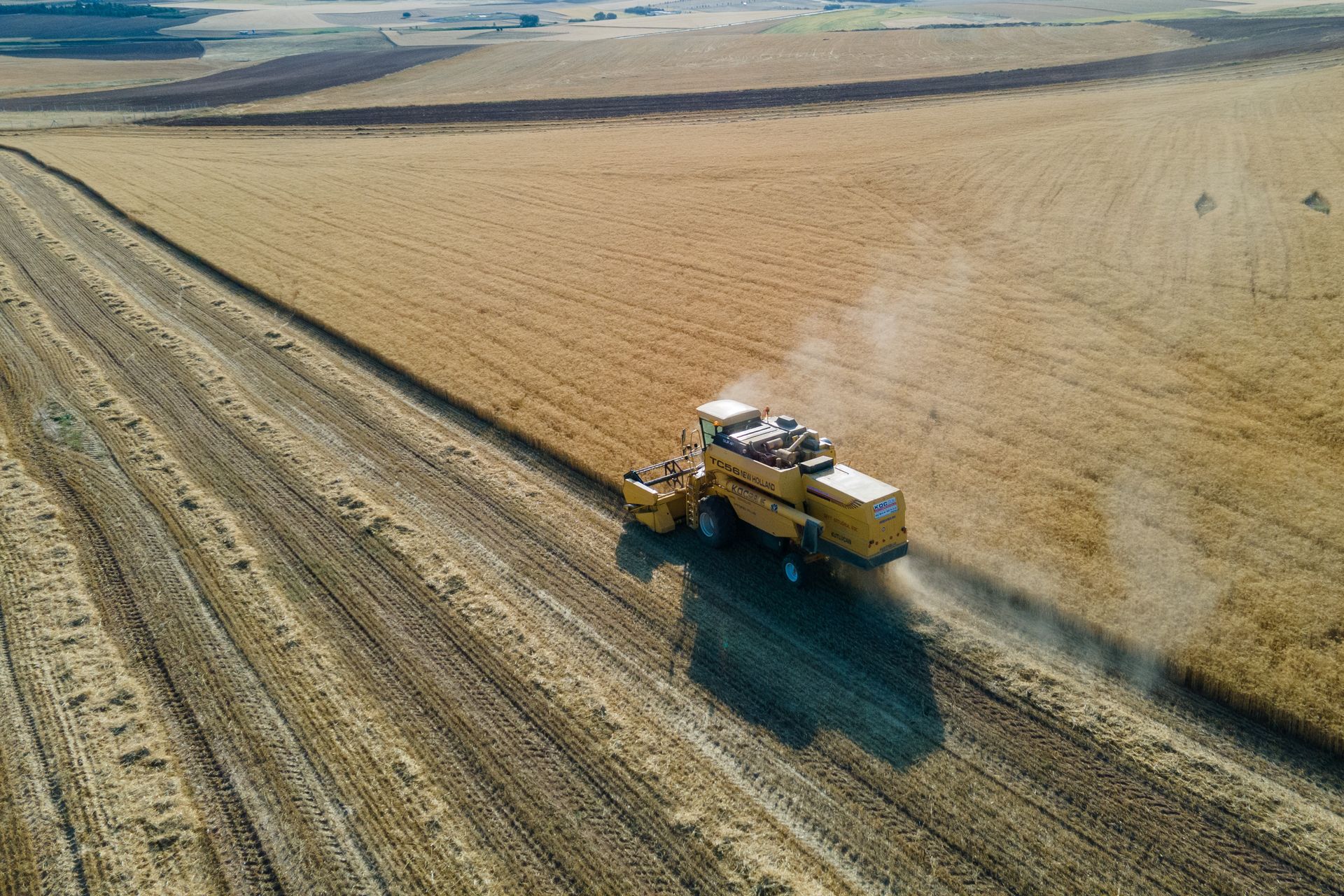
Consider your farm size, crop types, soil conditions, labor availability, and budget. A small vegetable farm may need more hand tools, while a large grain operation may depend more heavily on machinery.
Buy durable tools from reputable suppliers when possible. Although a cheaper tool may reduce the initial expense, poor durability can result in higher replacement costs over time.
Final Thoughts
The essential farm tools every farmer needs depend on the type and scale of the farming operation. However, basic equipment such as hoes, shovels, spades, rakes, wheelbarrows, pruning shears, watering equipment, harvesting tools, and measuring devices can support many everyday tasks.
Most importantly, choose tools based on actual farm needs rather than buying equipment simply because it is popular. Maintain your tools properly, store them safely, and replace damaged equipment when necessary.
With the right tools and good maintenance habits, farmers can work more efficiently, protect their crops, and make everyday farm operations easier.