Farming is both a practical skill and a business. Whether you manage a small family farm or a larger agricultural operation, success depends on knowing how to care for the land, manage resources, solve problems, and make informed decisions. Fortunately, farmers can develop these abilities through experience, training, and consistent observation.
Understanding the essential farming skills every farmer should know can help improve productivity, reduce waste, and build a more resilient farm.
Soil Management
Healthy soil is the foundation of successful crop production. Therefore, every farmer should understand the basics of soil management.
Learn how to identify different soil types and understand how drainage, organic matter, nutrients, and pH affect plant growth. Soil testing can provide useful information about nutrient levels and help guide fertilizer decisions.
In addition, farmers should learn practices such as crop rotation, mulching, composting, and cover cropping. These methods can help protect soil structure and maintain fertility over time.
Most importantly, avoid treating all fields the same. Different areas may have different soil conditions and therefore require different management strategies.
Crop Selection and Planning
Choosing the right crops is another essential farming skill. Farmers should understand how climate, soil, water availability, growing seasons, and market demand influence crop selection.
Before planting, create a crop calendar that outlines when to prepare the land, plant seeds, irrigate, control weeds, and harvest.
Furthermore, avoid planting more crops than you can realistically manage. Starting with a few well-suited crops allows you to learn their requirements and improve your production methods.
Good planning also helps farmers coordinate labor, equipment, storage, and marketing.
Seed Selection and Planting
Quality seeds can have a significant effect on crop performance. Therefore, farmers should learn how to select suitable seed varieties for their growing conditions.
Pay attention to seed quality, maturity periods, disease resistance, expected yields, and local recommendations.
Farmers should also understand proper planting depth and spacing. Planting seeds too deeply, too shallowly, or too close together can affect germination and plant development.
Additionally, keep records of the seed varieties you use. These records can help you identify which varieties perform best on your farm.
Water and Irrigation Management
Water management is crucial, particularly in areas where rainfall is unreliable. Farmers need to understand when crops require water and how much they need.
Overwatering can waste resources and contribute to root problems, while insufficient water can reduce plant growth and yields.
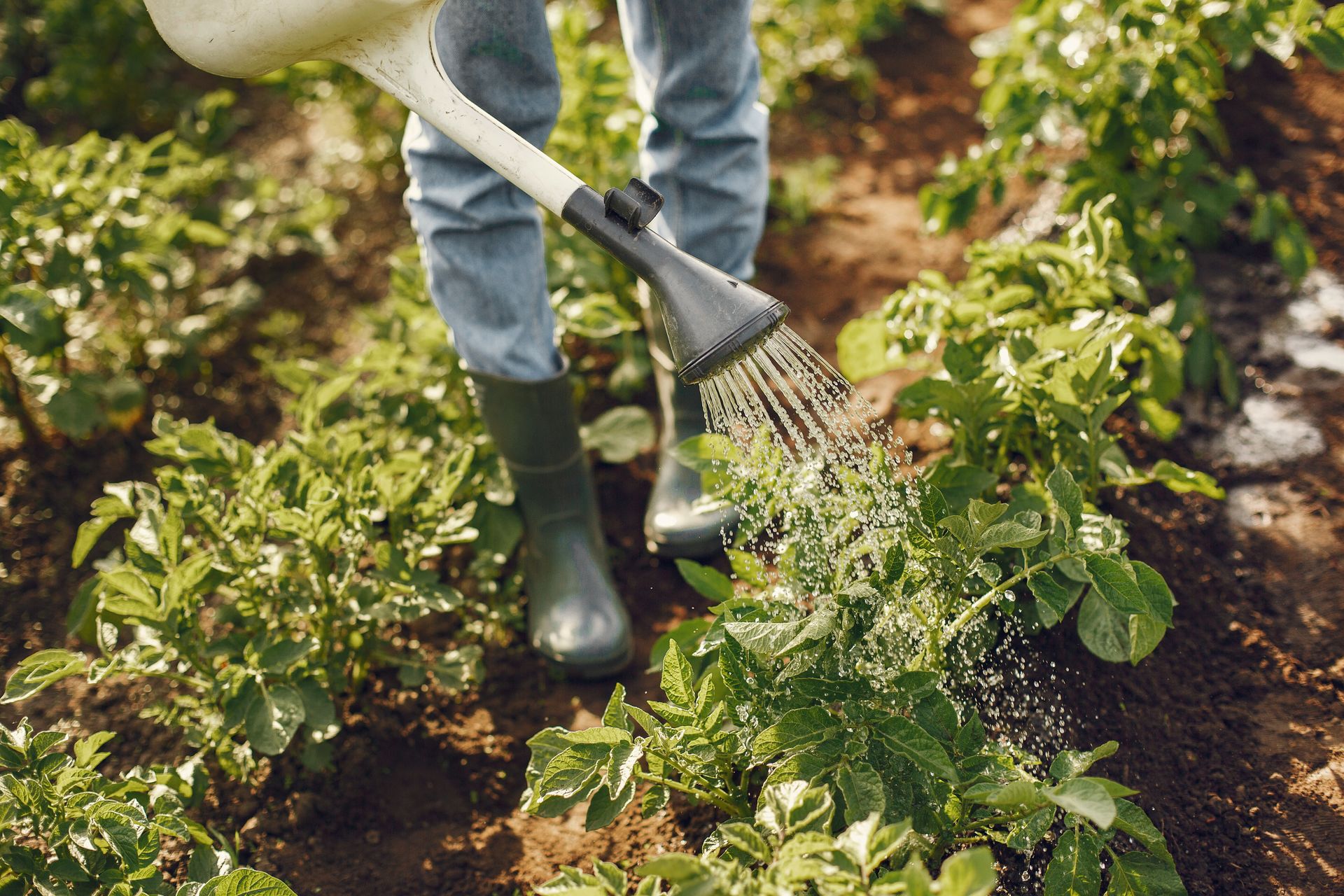
Learn how to monitor soil moisture and choose an irrigation method appropriate for your farm. Efficient systems can help deliver water where it is needed while reducing unnecessary losses.
Rainwater harvesting and mulching can also help improve water efficiency where suitable.
Pest and Disease Management
Farmers must learn how to recognize common pests and diseases before they cause serious damage. Regular crop inspections make early detection easier.
Look for changes in leaf color, holes, wilting, unusual growth, insects, or other signs of plant stress. However, do not assume every problem is caused by pests. Nutrient deficiencies, weather conditions, and poor watering can create similar symptoms.
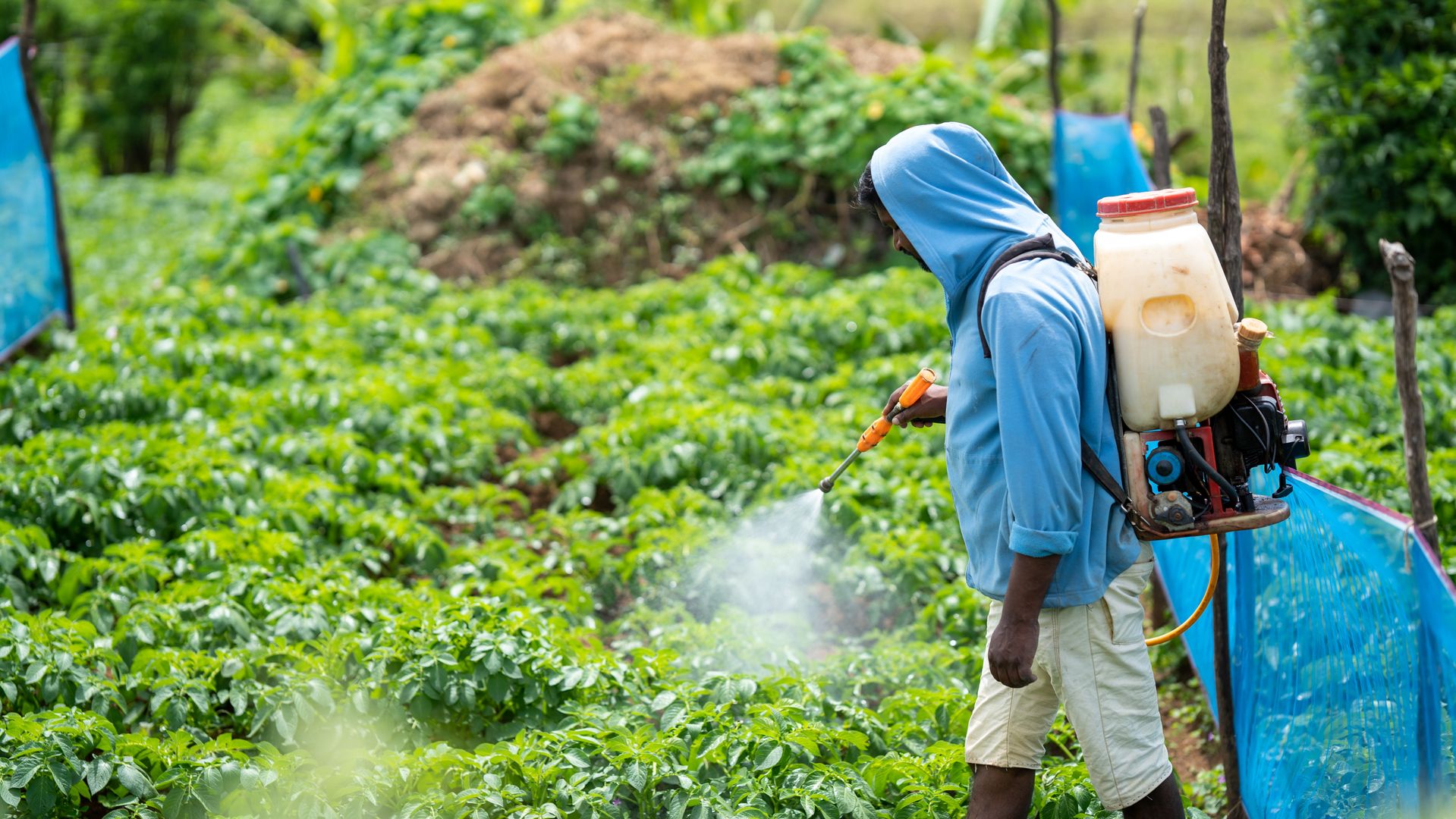
Use an integrated approach to pest management whenever appropriate. Crop rotation, field hygiene, resistant varieties, physical controls, biological methods, and carefully selected treatments can all play a role.
Livestock Care
For farmers who raise animals, basic livestock management is essential. Farmers should understand animal nutrition, housing, hygiene, breeding, and routine health monitoring.
Provide animals with clean water, suitable feed, adequate shelter, and enough space. Regularly observe their behavior because changes in eating, movement, or appearance can indicate a health problem.
Furthermore, maintain good sanitation and follow appropriate vaccination and veterinary recommendations for the animals you keep.
Good livestock management improves animal welfare and can support better farm productivity.
Farm Equipment and Maintenance
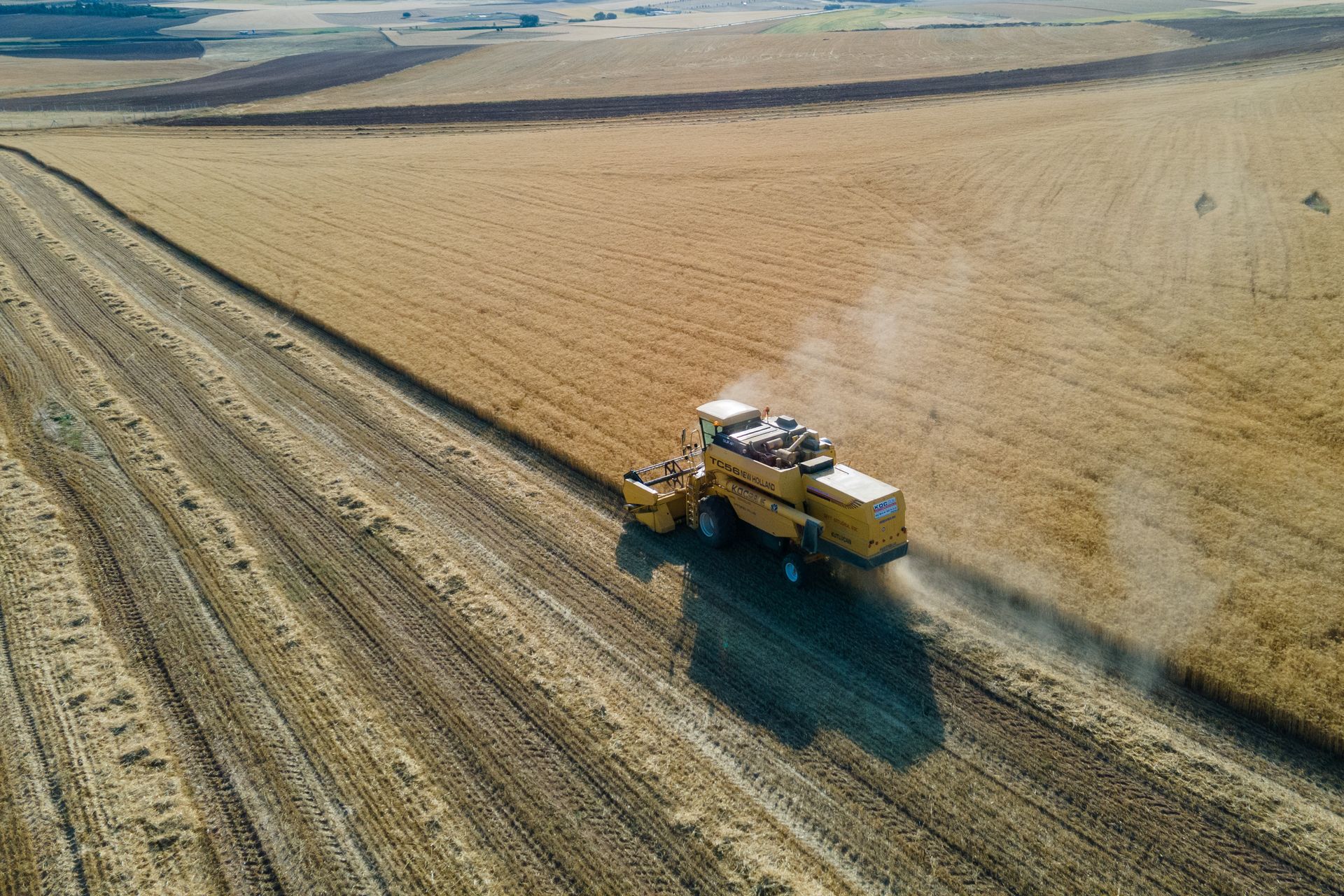
Farmers do not necessarily need advanced machinery, but they should know how to use and maintain the equipment they have.
Learn the correct operation of tractors, pumps, irrigation equipment, hand tools, and other machinery used on your farm.
Regular maintenance is equally important. Check equipment before use, clean it after work, and follow recommended servicing schedules.
Consequently, proper maintenance can reduce breakdowns, improve safety, and extend equipment life.
Financial Management
Farming is a business, so financial skills are essential. Farmers should know how to create budgets, calculate production costs, track income, and estimate profitability.
Keep accurate records of seeds, fertilizer, feed, labor, transportation, equipment, and other expenses. Then compare these costs with your sales revenue.
This information helps you identify profitable activities and avoid unnecessary spending.
In addition, maintain some financial reserves where possible. Unexpected weather events, equipment repairs, and market changes can quickly affect farm income.
Recordkeeping and Decision-Making
Good records turn everyday farm activities into useful information. Record planting dates, crop varieties, yields, weather conditions, pest problems, expenses, and sales.
Over time, these records can reveal patterns. For example, you may discover that one crop variety consistently performs better or that certain planting dates produce higher yields.
As a result, you can make future decisions based on evidence rather than guesswork.
Marketing and Communication
Producing quality products is only one part of farming. Farmers also need to know how to find customers and communicate with buyers.
Research local markets and understand what customers want. Learn how to negotiate prices, present your products professionally, and build reliable relationships with buyers.
Additionally, good communication with suppliers, workers, agricultural advisers, and other farmers can help you solve problems and discover new opportunities.
Adaptability and Continuous Learning
Finally, successful farmers need to remain adaptable. Weather patterns, technology, market conditions, pests, and consumer preferences can change.
Therefore, never stop learning. Attend agricultural training, learn from experienced farmers, follow reliable agricultural information, and test new approaches on a manageable scale.
Not every technique will work equally well on every farm. However, careful experimentation and observation can help you discover methods that suit your particular conditions.
Final Thoughts
The essential farming skills every farmer should know extend far beyond planting and harvesting. Soil management, crop planning, irrigation, pest control, livestock care, equipment maintenance, financial management, recordkeeping, and marketing all contribute to a successful operation.
Most importantly, farming is a continuous learning process. By developing practical skills, keeping accurate records, and adapting to changing conditions, farmers can improve productivity while building a stronger and more sustainable agricultural business.