Starting a farm can feel exciting, rewarding, and challenging. Essential Farming Tips can help beginners avoid common mistakes and build a strong foundation from the beginning. Whether you want to grow vegetables, raise livestock, or run a small mixed farm, success in farming takes patience, planning, and consistent effort. Fortunately, you do not need years of experience to get started. By learning the basics and applying them carefully, you can gradually turn your land into a productive and sustainable farm.
Start With the Right Farm Plan
Before planting anything, create a realistic farming plan. First, examine your land and identify its strengths and limitations. Consider the size of the property, soil condition, water availability, climate, and access to markets. These factors will influence what you can grow and how much you can produce.
Next, decide what you want your farm to accomplish. A small vegetable garden requires a different approach from a commercial crop operation. Therefore, choose a manageable starting point instead of attempting several projects at once.
A simple plan should include:
-
The crops or livestock you want to raise
-
The equipment and supplies you need
-
Your estimated startup and operating costs
-
Available water sources
-
Expected production and selling opportunities
-
A basic seasonal work schedule
A clear plan gives you direction and helps prevent unnecessary spending.
Understand Your Soil
Healthy soil provides the foundation for productive crops. Before adding fertilizer or planting seeds, learn about the soil on your property. A soil test can reveal its pH and nutrient levels, allowing you to make better decisions about amendments.
Farmers should also pay attention to soil texture and drainage. Sandy soil drains quickly, while clay soil can hold too much moisture. Loamy soil generally provides a useful balance of drainage, moisture retention, and nutrients.
Improve soil gradually by adding suitable organic matter, compost, or other approved amendments. Avoid adding products simply because another farmer recommends them. Instead, base your decisions on your soil’s actual needs.
Protect Soil Health
Good soil management supports long-term productivity. Rotate crops rather than planting the same crop repeatedly in one location. Additionally, keep soil covered when possible and minimize unnecessary disturbance. These practices can help reduce erosion, conserve moisture, and maintain soil structure.
Choose Crops Carefully
One of the most useful Essential Farming Tips is to select crops that match your environment. Beginners sometimes choose crops based only on personal preference. However, market demand, rainfall, temperature, growing seasons, and soil conditions should influence your decision.
Start with crops that have a reasonable chance of succeeding in your area. Research their planting periods, spacing requirements, water needs, maturity times, and common pests.
Growing several compatible crops can also reduce risk. If one crop performs poorly because of unfavorable weather or disease, another crop may still produce a useful harvest.
Manage Water Efficiently
Water management can determine whether a farm succeeds or struggles. Too little water can stunt plant growth, while excessive watering can damage roots and encourage disease.
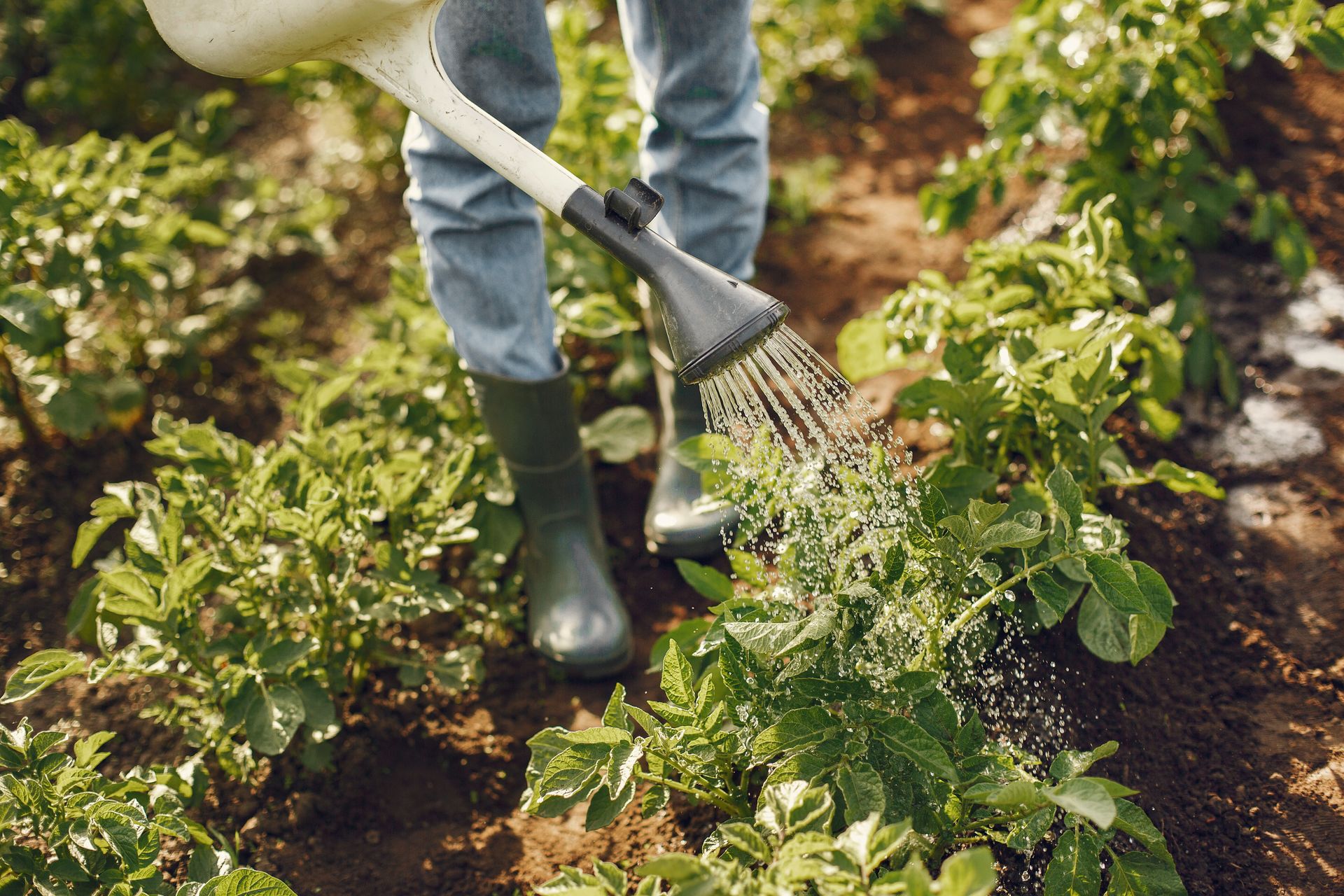
Create a practical watering schedule based on crop requirements and local conditions. Check the soil before watering rather than following a rigid timetable. During hot weather, crops may require more frequent attention, while rainy periods may reduce the need for irrigation.
Whenever practical, use efficient irrigation methods that deliver water close to plant roots. Mulching can also reduce evaporation and help maintain consistent soil moisture.
Learn to Control Pests Naturally
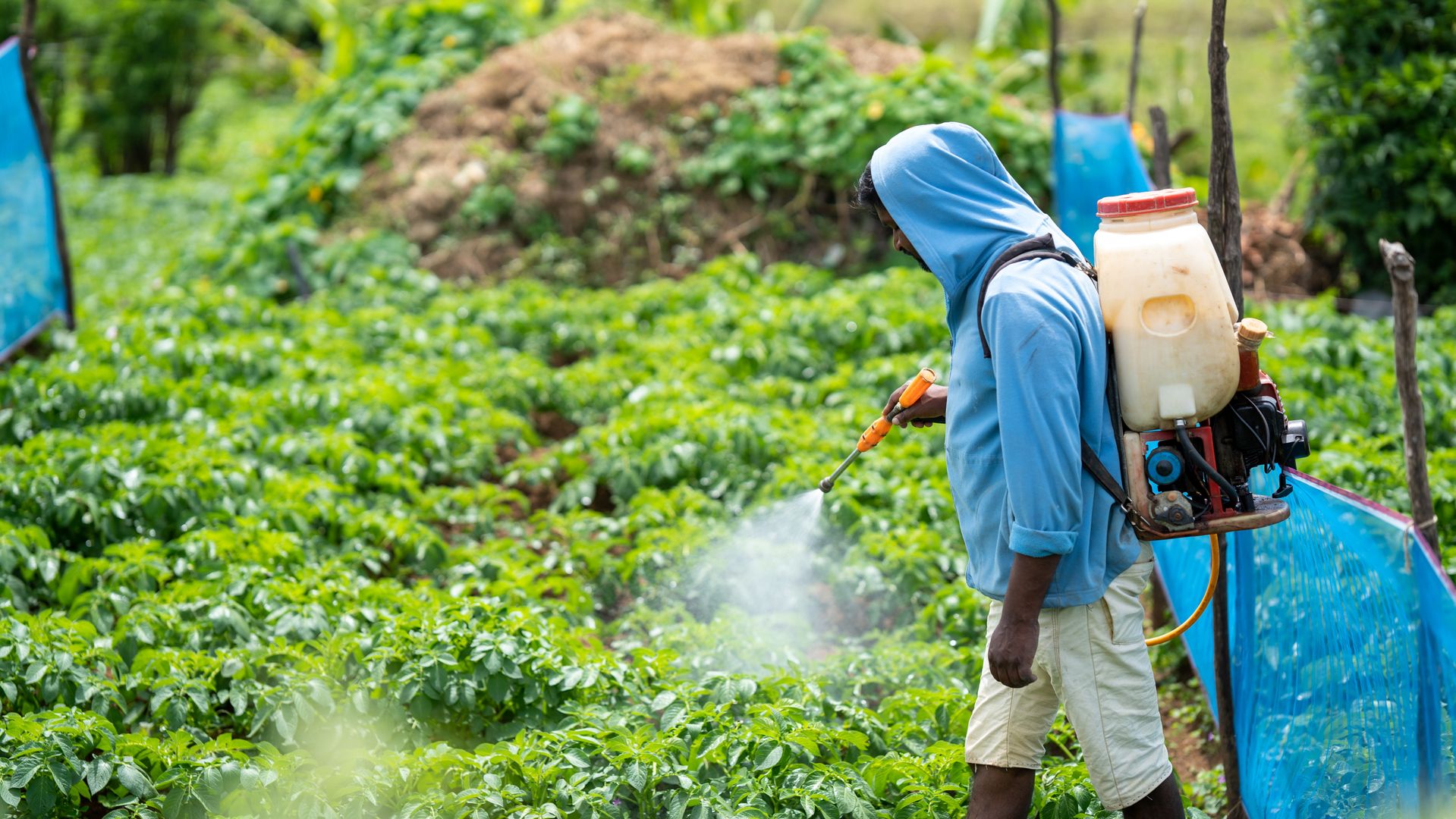
Pests can damage crops quickly, but immediately reaching for strong chemicals is not always the best solution. Start by identifying the pest and understanding the damage it causes. Then consider prevention and integrated control methods.
Inspect plants regularly for unusual spots, holes, discoloration, insects, or signs of disease. Early detection allows you to respond before a small problem becomes a serious infestation.
Useful approaches include:
-
Removing severely affected plant material
-
Encouraging beneficial insects
-
Maintaining appropriate plant spacing
-
Rotating crops
-
Removing weeds that shelter pests
-
Using approved treatments only when necessary
Healthy plants often withstand minor pest pressure better than stressed plants, so good nutrition and proper watering remain important.
Keep Accurate Farm Records
Another important part of Essential Farming Tips involves record keeping. Farming decisions become easier when you have reliable information about what happened during previous seasons.
Record planting dates, seed varieties, fertilizer applications, rainfall, irrigation, pest problems, harvest quantities, labor, and expenses. You can then compare results and identify patterns.
For example, records may show that one crop variety consistently performs better on a particular section of your land. They might also reveal which products cost more than they are worth.
Use Records to Improve
Do not treat farm records as paperwork that you complete and forget. Review them at the end of each season. Identify what worked, what failed, and what you should change.
This habit turns each farming season into a learning opportunity. Over time, your records can become one of your most valuable farming resources.
Start Small and Expand Gradually
Beginners often feel pressure to produce as much as possible immediately. However, expanding too quickly can create unnecessary costs and increase the risk of mistakes. Starting small allows you to develop practical skills while keeping problems manageable.
Focus on mastering a few important activities first. Learn how to prepare soil, plant correctly, manage water, identify pests, and harvest at the right time. Once you understand these processes, you can increase your production with greater confidence.
Following Essential Farming Tips also means accepting that mistakes are part of learning. Weather can change unexpectedly, equipment can fail, and crops can perform differently from expectations. Instead of becoming discouraged, study the outcome and adjust your approach.

Prepare for Harvest and the Next Season
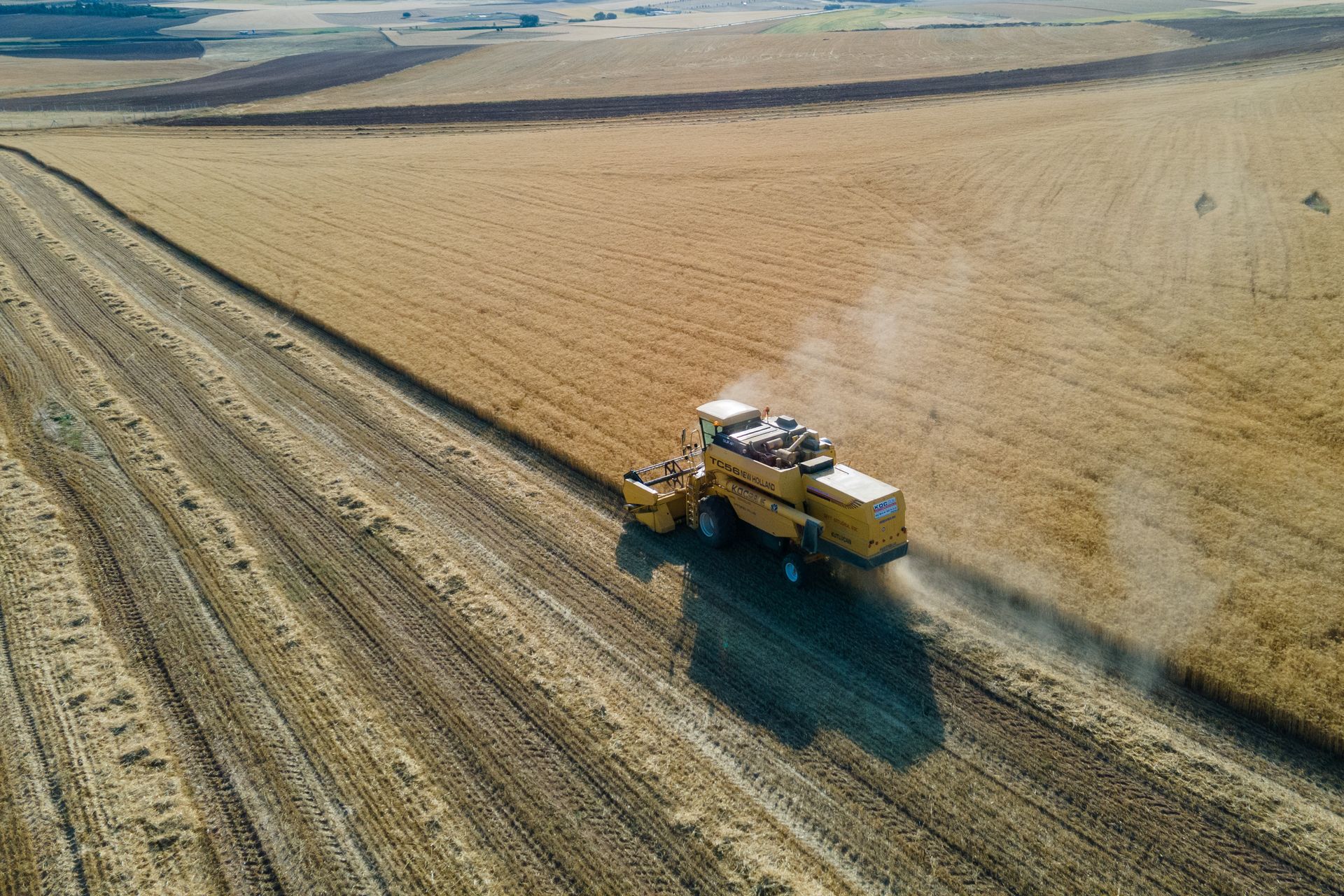
Successful farming does not end when crops mature. Plan the harvest before it begins. Know when each crop reaches its best quality and prepare the tools, storage areas, containers, and labor you will need.
After harvesting, evaluate the season. Which crops produced the best results? Which expenses could you reduce? Did you have enough water? Were pests difficult to manage? Answers to these questions can shape your next plan.
The final of these Essential Farming Tips is simple: keep learning. Farming combines practical experience with changing technology, weather patterns, markets, and environmental considerations. Talk to experienced farmers, attend agricultural training, study reliable resources, and remain willing to improve.
With careful planning and consistent observation, beginners can build farming skills one season at a time. You do not need to know everything before you start. Instead, begin with realistic goals, protect your resources, learn from each result, and gradually develop a farming system that works for your land and your goals.