Homesteading is about developing practical skills that help you produce food, manage resources, reduce waste, and become more self-reliant. You do not need to master everything at once. Instead, beginners can learn one skill at a time and gradually build confidence.
Whether you live on a large rural property or a small piece of land, the right skills can help you make better use of your resources.
Learning these essential homesteading skills for beginners will give you a strong foundation for creating a productive and sustainable homestead.
Gardening
Gardening is one of the most useful homesteading skills to learn.
Start by understanding your soil, local growing conditions, planting seasons, and suitable crops. Choose vegetables and herbs that grow well in your area.
Learn how to prepare planting beds, sow seeds, transplant seedlings, water plants, control weeds, and identify common pests.
Begin with a small garden rather than planting a large area immediately. As you gain experience, you can expand your growing space and experiment with additional crops.
Soil Management
Healthy soil supports productive plants, so learning basic soil management is essential.
Understand soil texture, drainage, pH, organic matter, and nutrient requirements.
Compost, suitable organic materials, mulch, cover crops, and crop rotation can help improve soil health over time.
However, avoid adding fertilizers or amendments without understanding what your soil needs. A soil test can provide useful information before you make major changes.
Composting
Composting allows you to turn suitable organic waste into a valuable soil amendment.
Learn which materials can be composted and how to maintain appropriate moisture and airflow.
A balanced compost system can include materials such as vegetable scraps, leaves, and grass clippings.
Regularly monitor the pile and allow it to decompose properly before adding finished compost to garden soil.
Composting can reduce waste while supporting your garden.
Food Preservation
Growing food is only part of homesteading. You also need ways to use surplus harvests.
Beginners can learn several preservation methods, including drying, freezing, fermentation, and pickling.
Each method has different safety requirements. Use reliable, tested instructions rather than guessing processing times or ingredient ratios.
Learning preservation can help you enjoy seasonal foods for longer and reduce food waste.

Cooking From Scratch
Homesteading often encourages people to prepare more food at home.
Learn basic skills such as making bread, cooking grains, preparing soups, preserving vegetables, and using fresh herbs.
Cooking from scratch gives you greater control over ingredients and can help you make better use of food produced on your property.
You do not need complicated recipes. Start with simple meals and gradually expand your skills.
Animal Care
If you plan to keep livestock or poultry, animal care becomes an important homesteading skill.
Learn about the specific housing, feeding, water, space, sanitation, and health needs of each species.
For example, chickens require secure housing, clean water, suitable feed, ventilation, nesting areas, and protection from predators.
Do your research before purchasing animals, and make sure you can provide appropriate care throughout the year.
Basic First Aid for Animals
Homesteaders should understand basic animal health and recognize signs that an animal may need professional attention.
Learn how to identify changes in appetite, behavior, movement, breathing, or appearance.
Keep basic supplies appropriate for your animals and establish a relationship with a qualified veterinarian or animal-health professional.
Do not attempt complicated treatments without proper training.
Early recognition of problems can help you seek professional assistance before a condition becomes more serious.
Seed Saving
Saving seeds can become a useful skill for gardeners who want to become more self-reliant.
Learn which crops produce seeds that can be collected and stored successfully.
You also need to understand basic concepts such as pollination, plant isolation, seed maturity, drying, and storage.
Not every hybrid or commercially sold seed will produce plants identical to the parent crop, so research each variety before saving seeds.
Water Management
Reliable water is essential for gardens and animals.
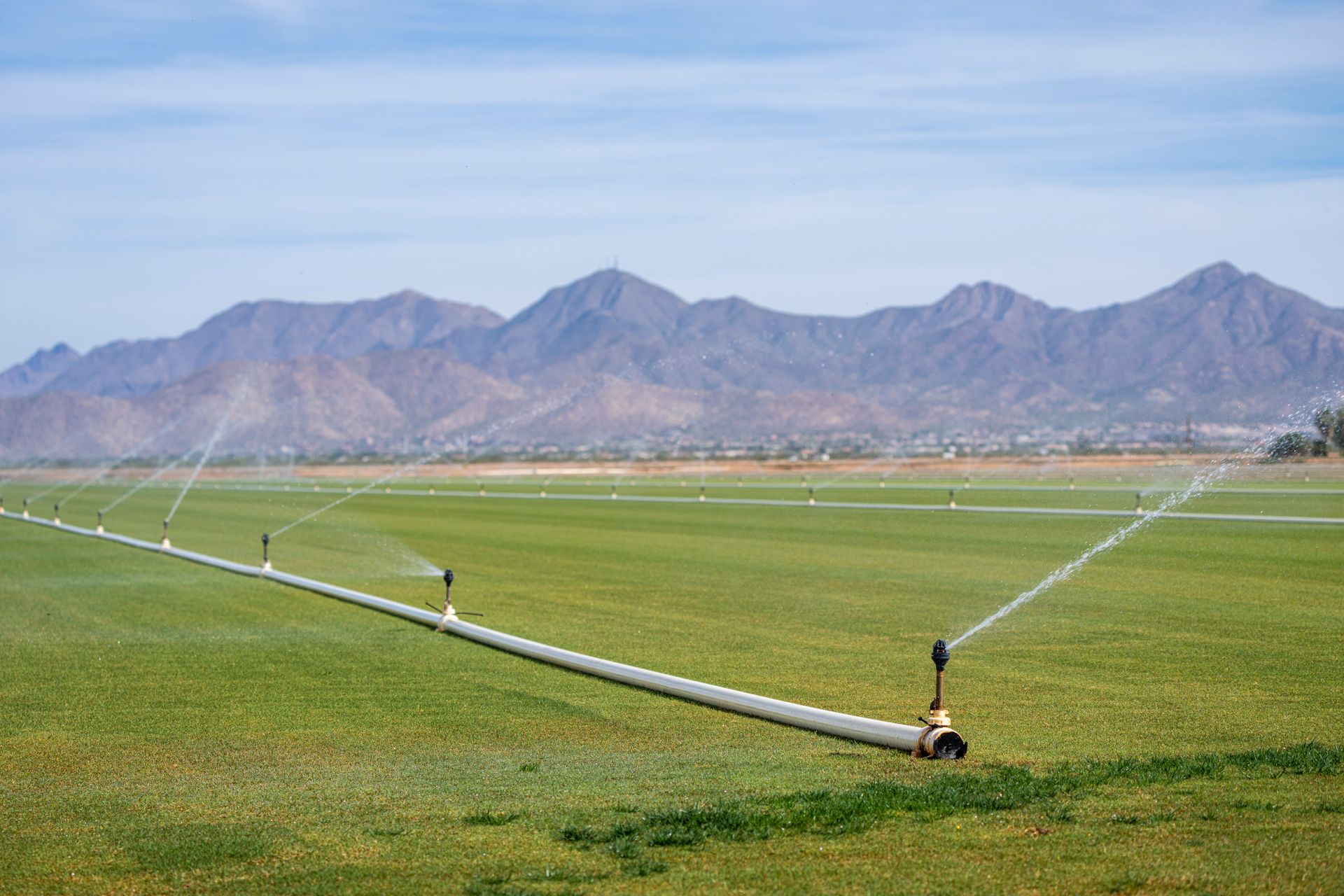
Learn how to monitor soil moisture, irrigate efficiently, and reduce unnecessary water loss.
Mulching can help conserve moisture in garden beds, while appropriate irrigation systems can deliver water more efficiently.
If you use rainwater collection, understand the regulations and safety considerations that apply in your area.
Plan your water supply carefully before increasing the size of your homestead.
Basic Tool Maintenance
Homesteading involves regular use of tools.
Learn how to clean, sharpen, lubricate, store, and inspect basic gardening and farm equipment.
Proper maintenance can extend tool life and reduce replacement costs.
For example, keeping cutting tools sharp can make gardening tasks easier and more efficient.
Store tools in a dry, organized location where they remain protected from unnecessary weather exposure.
Basic Repairs
Simple repair skills can save time and money.
Beginners can learn to repair small fences, replace simple fittings, maintain garden structures, and perform basic equipment maintenance.
Start with tasks that match your experience.
Avoid dangerous electrical, structural, gas, or complex mechanical repairs unless you have the appropriate training and equipment.
Knowing when to call a professional is also an important homesteading skill.
Preserving and Storing Firewood
If your homestead uses wood for cooking or heating, learn how to handle and store firewood safely.
Wood should be stored in a location that promotes appropriate drying and protects it from excessive moisture.
Use suitable tools and protective equipment when cutting or splitting wood.
Chainsaws and other powered equipment require proper training. Do not operate them without understanding safe operating procedures.
Basic Sewing and Mending
Sewing can help extend the life of clothing, bags, curtains, bedding, and other household items.
Start with simple skills such as sewing buttons, repairing small tears, reinforcing seams, and making basic alterations.
These skills can reduce waste and save money over time.
You can gradually learn more advanced techniques as your confidence increases.
Planning and Record Keeping
Good organization is just as important as practical skills.
Keep records of planting dates, harvests, animal care, expenses, repairs, weather conditions, and other important activities.
Records help you identify patterns and improve your methods.
For example, you may discover that planting a particular crop at a different time produces better results.
Over several seasons, your records become a valuable guide for your specific property.
Basic Budgeting
Homesteading does not automatically save money.
Seeds, tools, fencing, animal feed, housing, irrigation, repairs, and other expenses can add up quickly.
Create a simple budget for each project and compare expected benefits with costs.
Start with projects that provide clear value for your household.
Gradually invest in equipment as your skills and needs grow.
Final Thoughts
Learning these essential homesteading skills for beginners can help you become more capable and confident over time. Gardening, soil management, composting, food preservation, cooking, animal care, water management, repairs, and record keeping all contribute to a successful homestead.
You do not need to master every skill immediately. Choose one area, practice regularly, and learn from your results.
Most importantly, focus on practical skills that match your land, climate, budget, and lifestyle. With steady learning and consistent effort, even small improvements can move you toward a more productive and self-reliant homestead.