


Homesteading for beginners can feel overwhelming at first, especially when you imagine growing food, caring for animals, preserving harvests, and maintaining a property all at once. However, successful homesteading does not require mastering everything immediately. Instead, beginners can develop practical skills gradually and build confidence through consistent practice. With realistic goals, careful planning, and a willingness to learn, you can create a productive and more self-reliant homestead.
Start With Basic Gardening
Gardening is one of the most useful skills to develop when starting a homestead. Growing vegetables, herbs, and fruits can reduce grocery expenses while providing fresh food for your household.
Before planting, learn about your soil, climate, sunlight, drainage, and growing season. Start with a small garden rather than trying to grow dozens of crops immediately.
Beginner-friendly crops can include:
-
Leafy greens
-
Beans
-
Carrots
-
Radishes
-
Herbs
-
Tomatoes
-
Squash
Keep notes about planting dates, crop performance, pests, and harvests. Over time, these records can help you understand which plants perform best on your property.
Learn Soil Management
Healthy soil supports healthy plants. Learn how to recognize different soil types and understand the importance of organic matter, drainage, and nutrients.
Compost can provide a useful source of organic material. Additionally, practices such as crop rotation and mulching can help maintain soil quality and reduce unnecessary inputs.
Learn Food Preservation
Growing food is valuable, but knowing how to preserve excess produce can make your harvest even more useful. Preservation allows you to enjoy seasonal foods beyond their normal harvest period.
Depending on the food and local guidance, preservation methods can include drying, freezing, fermenting, and canning. Each method has specific safety requirements, so beginners should follow tested procedures rather than relying on guesswork.
Homesteading for beginners becomes much more practical when food preservation is treated as a skill that develops gradually. Start with one method, practice it carefully, and expand your knowledge as you gain confidence.
Develop Basic Animal-Care Skills
If you plan to keep chickens, goats, sheep, rabbits, or other livestock, learn their basic needs before bringing animals home.
Animals require appropriate food, clean water, secure housing, protection from extreme weather, and regular observation. You should also understand common signs of illness and know when to contact a qualified veterinarian.
Begin with one type of animal rather than taking on several species at once. This approach allows you to understand feeding schedules, housing requirements, cleaning routines, and daily care without becoming overwhelmed.
Master Basic Repairs
A homestead requires constant maintenance. Fences break, gates loosen, tools wear out, and buildings eventually need repairs.
Basic repair skills can save money and reduce dependence on outside help. Learn how to safely use common hand tools, replace simple hardware, repair fencing, maintain basic structures, and identify problems before they become expensive.
Safety should always come first. For electrical, structural, plumbing, or other high-risk work, seek qualified assistance when you lack the necessary training.
Understand Water Management
Reliable water is essential for gardens, animals, cleaning, and household activities. Therefore, beginners should understand where their water comes from and how it is distributed around the property.
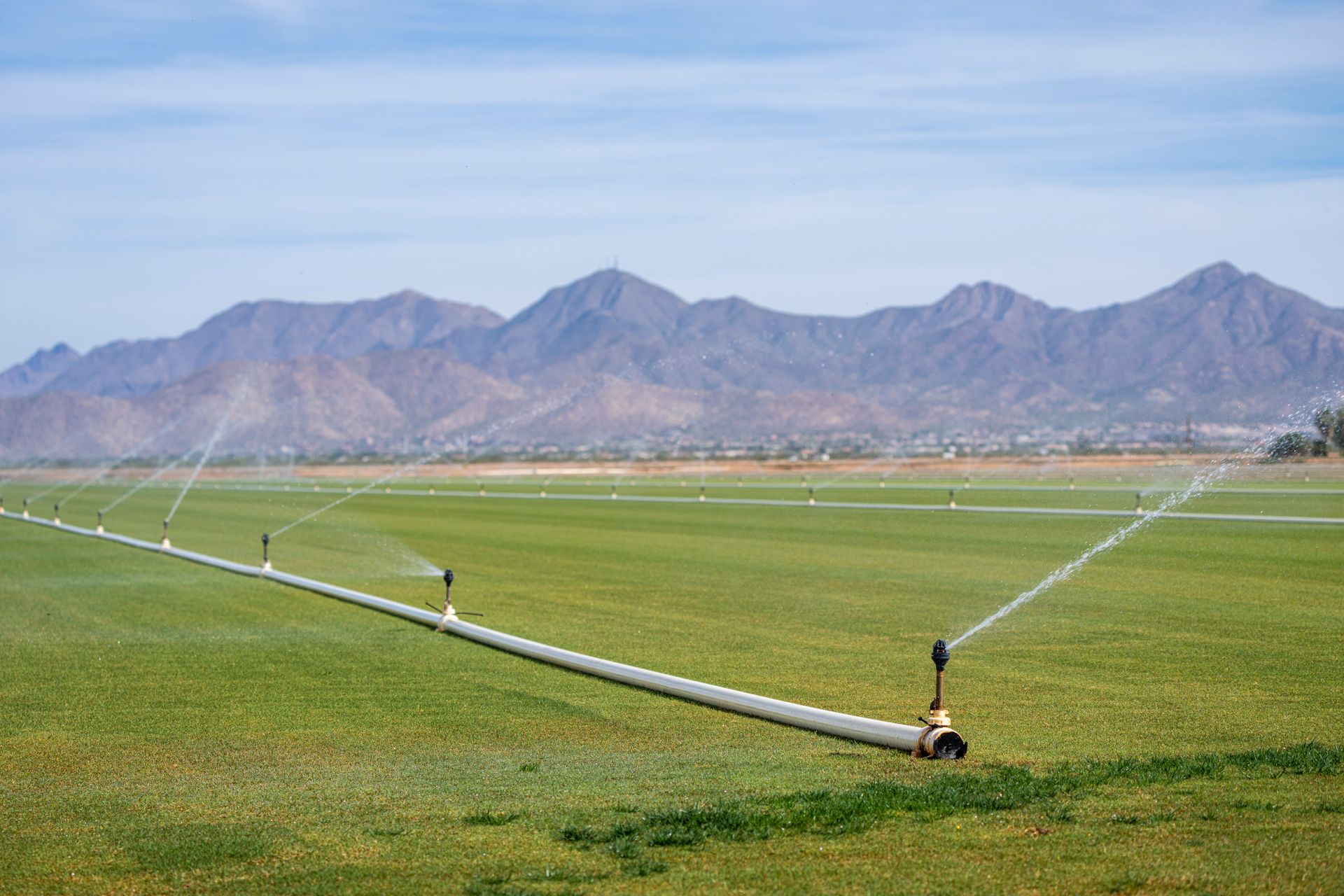
Learn how to monitor water use, maintain irrigation systems, prevent leaks, and store water safely where appropriate. Efficient watering practices can also protect your garden during dry periods.
If you rely on a well, tank, rainwater system, or other independent source, understand its maintenance requirements and any applicable local regulations.
Learn to Budget and Plan
Financial planning is another important part of Homesteading for beginners. Self-sufficiency does not mean eliminating every expense. Instead, it means making thoughtful decisions about where your money goes.
Create a simple budget that includes seeds, tools, animal feed, fencing, repairs, utilities, storage, and other recurring costs. Before purchasing equipment, consider whether you genuinely need it.
Sometimes a simple hand tool can accomplish a task that does not justify buying expensive machinery. Likewise, producing a particular food may cost more than purchasing it. Track your expenses so you can make decisions based on actual results.
Practice Time Management
Homesteading can quickly become demanding because animals need care every day while gardens require seasonal attention. Without organization, small tasks can accumulate.
Create a daily and weekly routine. Prioritize tasks that cannot be postponed, such as feeding animals and watering vulnerable crops. Then schedule maintenance, preservation, cleaning, and improvement projects around those responsibilities.
Avoid trying to complete every project at once. A slower, sustainable pace can prevent exhaustion and help you enjoy the process.

Build Practical Self-Reliance
One goal of homesteading for beginners is developing greater confidence in handling everyday challenges. That confidence grows when you learn skills such as cooking from basic ingredients, repairing household items, growing food, storing supplies, and planning for seasonal changes.
You do not need to become completely independent. Instead, identify areas where greater self-reliance would genuinely improve your household.
For example, you might begin by growing herbs and vegetables. Later, you could add food preservation, poultry, composting, or other projects.
Keep Learning and Adapt
No two homesteads are identical. What works well for one property may fail on another because of differences in soil, climate, available space, water, or household needs.
Therefore, observe your results and adjust your methods. Talk with experienced growers, attend practical workshops, read reliable agricultural resources, and learn from your own records.
Mistakes are part of the process. A failed crop or broken tool does not mean you cannot succeed. Instead, treat setbacks as opportunities to identify what needs to change.
Ultimately, Homesteading for beginners is less about doing everything yourself and more about steadily building useful skills. Start small, establish practical routines, protect your resources, and expand only when you are ready. With patience and consistent learning, even simple projects can develop into a productive and rewarding homestead.
The most important skill is adaptability. As your experience grows, you will discover which practices suit your land, budget, schedule, and goals. By focusing on progress rather than perfection, you can create a homesteading lifestyle that is practical, sustainable, and enjoyable.