

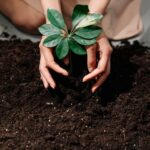


Family farming traditions connect generations through land, food, skills, and shared experiences. For many farming families, knowledge passes from parents and grandparents to younger generations through everyday work rather than formal lessons.
These traditions can teach practical skills while also preserving family history and strengthening connections to the land. Although modern technology has changed agriculture, many traditional practices still have value when farmers adapt them to current needs.
Understanding the family farming traditions worth preserving can help families protect useful knowledge while creating a stronger foundation for future generations.
Saving and Sharing Seeds
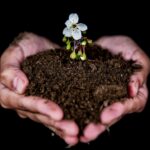
Seed saving is one of the oldest agricultural traditions.
Families have traditionally selected seeds from healthy plants with desirable characteristics and saved them for future planting.
This practice can help preserve locally adapted varieties and maintain a connection to crops grown by previous generations.
However, not every crop or hybrid variety produces suitable seed for reliable saving. Families should learn which crops are appropriate and store seeds in cool, dry, protected conditions.
Sharing suitable seeds with relatives and trusted farming neighbors can also help preserve valuable plant varieties.
Seasonal Planting Traditions
Before modern forecasting and agricultural technology, farmers often relied heavily on observations of seasonal patterns.
Families watched rainfall, temperatures, animal behavior, plant growth, and other local signs to determine when to begin planting.
Modern weather information can now provide additional guidance. Nevertheless, traditional knowledge about local seasons can still complement modern information.
Keeping records of planting dates and seasonal conditions can help families compare traditional observations with current data.

Growing Traditional Crops
Many families maintain crops that have been grown in their communities for generations.
Traditional vegetables, grains, fruits, herbs, and other crops can carry cultural and historical significance.
Some locally adapted varieties may also perform well under regional growing conditions.
Families can preserve these crops by growing them regularly, saving appropriate seed, documenting their characteristics, and teaching younger generations how to cultivate them.
Traditional Food Preservation
Preserving food has long helped farming families make use of seasonal harvests.
Depending on local traditions and food-safety practices, families may dry, ferment, pickle, can, freeze, or otherwise preserve suitable foods.
These methods can reduce food waste and extend the usefulness of seasonal produce.
However, preservation methods must be performed correctly to reduce food-safety risks.
Families should combine traditional knowledge with current food-safety guidance when preserving food for long-term storage.
Caring for Livestock
Traditional livestock knowledge can include feeding routines, grazing practices, housing methods, breeding decisions, and ways of observing animal behavior.
Experienced family members often recognize subtle changes in an animal’s appetite, movement, or behavior.
Passing this knowledge to younger farmers can help them develop stronger observation skills.
At the same time, modern veterinary care should remain an important part of responsible livestock management.
Traditional knowledge can complement professional advice rather than replace it.
Using Natural Farm Resources
Older farming traditions often focused on making efficient use of resources available on the farm.
Crop residues could become animal feed, bedding, mulch, or compost material when appropriate.
Animal manure could be managed as a source of nutrients for crops.
Wood, plant materials, and other resources could also have multiple uses.
These practices encourage farmers to think carefully about waste and resource efficiency.
Traditional Soil-Care Practices
Many farming families have developed local methods for protecting soil.
These can include rotating crops, leaving plant residues on fields, using organic materials, maintaining vegetation, or avoiding cultivation when soil conditions are unsuitable.
Some traditional methods remain useful today, particularly when combined with modern soil testing and conservation practices.
Farmers can preserve the principle behind these traditions while adapting specific techniques to current equipment and environmental conditions.
Farm-to-Table Cooking
Growing food and preparing it at home have traditionally been closely connected.
Families often develop recipes based on crops and livestock products available during different seasons.
These recipes can become part of a family’s identity.
Teaching children how to harvest, prepare, and cook farm products helps them understand where their food comes from.
It also provides an opportunity to preserve family recipes that might otherwise disappear.
Sharing Harvests With Neighbors
Community cooperation has played an important role in many farming traditions.
Families may share surplus produce, seeds, labor, tools, or knowledge with neighbors.
Harvest celebrations and community meals can strengthen these relationships.
Although modern lifestyles may make community cooperation less common, sharing resources can still provide practical and social benefits.
Working Together During Harvest
Harvesting can require more labor than a single person or household can provide.
Many farming communities have traditions of working together during particularly demanding periods.
Family members, friends, and neighbors may help collect, sort, process, or store crops.
These shared experiences can create strong memories and reinforce the importance of cooperation.
Families can preserve this tradition by involving younger members in age-appropriate farm activities.
Teaching Children Through Practical Work
One of the most effective ways to preserve farming traditions is to teach them through experience.
Children can learn by helping with suitable tasks such as planting, watering, collecting produce, feeding appropriate animals, or preparing harvested foods.
Adults can explain not only how to perform a task but also why the family follows a particular practice.
This approach transforms everyday farm work into an opportunity for education.
Keeping Farming Stories Alive
Farming traditions involve more than physical techniques.
Stories about difficult harvests, successful crops, family milestones, unusual weather, and memorable animals can become part of a family’s history.
Writing these stories down or recording older family members can preserve knowledge that might otherwise disappear.
Photographs, journals, maps, recipes, and old farming tools can also provide valuable records.
Respecting Traditional Knowledge While Embracing Change
Preserving traditions does not mean refusing to adopt new ideas.
Modern farming technology can improve efficiency, safety, crop monitoring, irrigation, and record keeping.
Families can evaluate traditional practices and determine which ones remain useful.
Some traditions may need modification because of changing weather, soil conditions, markets, regulations, or available resources.
The goal should be to preserve valuable knowledge while allowing farming practices to evolve.
Creating a Family Farm Record
A family farm journal can bring traditional knowledge together in one place.
Record crop varieties, planting dates, harvest results, recipes, livestock information, weather observations, and important family stories.
Include photographs and notes from different generations.
Over time, this record can become a valuable reference for future farmers in the family.
Passing Knowledge to the Next Generation
Traditions survive when younger people have opportunities to learn and participate.
Invite younger family members to take part in appropriate farm activities.
Explain traditional methods and encourage questions.
Show them how modern tools can complement established practices.
Most importantly, give them opportunities to make decisions and develop their own experience.
Final Thoughts
The family farming traditions worth preserving are not limited to planting and harvesting. They include seed saving, seasonal knowledge, livestock care, food preservation, soil management, cooking, community cooperation, storytelling, and practical education.
These traditions can preserve family identity while passing valuable agricultural knowledge from one generation to the next.
At the same time, families should remain open to new technology, scientific information, and changing environmental conditions.
By combining traditional wisdom with modern knowledge, farming families can protect their heritage while building stronger and more adaptable farms for the future.