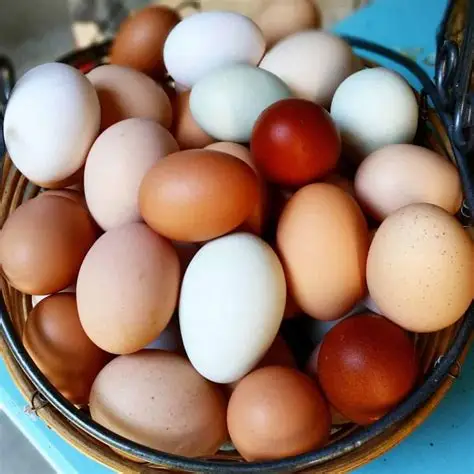
Farm Fresh Eggs often attract attention because they offer a direct connection between the farm and the kitchen. Many people appreciate their freshness, rich flavor, and simple origin. However, buying eggs directly from a farm also means understanding how farmers collect, clean, store, and handle them. With a few practical tips, consumers can make better choices and keep eggs fresh from purchase to preparation.
What Makes Farm Eggs Different?
Eggs can vary in appearance, size, shell color, and yolk shade. These differences do not necessarily indicate nutritional superiority. Instead, factors such as the hen’s diet, age, breed, and overall health can influence an egg’s characteristics.
Eggs from small farms may reach consumers soon after collection, which can make them feel fresher than eggs that have traveled long distances. Nevertheless, freshness depends on proper handling and storage rather than simply whether an egg comes from a farm.
The Role of the Hen’s Diet
A hen’s diet can influence the appearance and composition of her eggs. Hens that eat a varied, balanced diet can produce eggs with slightly different yolk colors and characteristics.
Farmers should provide hens with appropriate feed, clean water, shelter, and sufficient space. Good husbandry supports healthy birds and contributes to consistent egg production.
How Farmers Collect Eggs
Egg collection requires regular attention. Farmers usually gather eggs frequently to reduce the time they remain exposed to dirt, temperature changes, or accidental breakage.
Clean nesting areas also help protect shells from contamination. Farmers should inspect eggs during collection and separate cracked or heavily soiled eggs from those suitable for sale.
Once collected, eggs should move into clean containers and remain protected from unnecessary handling. This simple process can help preserve quality before the eggs reach consumers.
How to Check Egg Quality
Consumers can examine eggs before purchasing them. Start by checking the shells for cracks, unusual contamination, or other visible damage. A clean, intact shell generally provides better protection than a cracked one.
At home, you can also assess an egg after cracking it into a clean bowl. A fresh egg often has a relatively firm white and a rounded yolk. However, appearance alone cannot guarantee safety, so proper storage and thorough cooking remain important.
Another useful method involves checking the date information provided by the seller. When buying directly from a farm, ask when the eggs were collected and how they have been stored.
Storing Eggs Properly
Storage plays a major role in maintaining egg quality. Keep eggs refrigerated when refrigeration is appropriate for the eggs you purchase, and follow local food-safety guidance.
Store them in their original clean container when possible. This helps protect them from odors and physical damage.
Avoid repeatedly moving eggs between warm and cold environments. Temperature fluctuations can encourage condensation on the shells, which may increase contamination risks.
For Farm Fresh Eggs, consumers should also follow the farmer’s storage instructions and any applicable local regulations, especially when eggs have been washed, refrigerated, or sold without commercial packaging.
Safe Egg Handling
Good kitchen habits can reduce foodborne illness risks. Wash your hands before and after handling raw eggs, and clean surfaces and utensils that come into contact with them.
Do not use eggs with visibly cracked shells unless you know they were cracked very recently and can handle them appropriately. When in doubt, discard questionable eggs rather than taking unnecessary risks.
Cooking eggs thoroughly provides an additional safety measure. People who are particularly vulnerable to foodborne illness should take extra care and follow public-health guidance concerning raw or undercooked eggs.
Nutritional Value
Eggs provide several important nutrients, including high-quality protein, vitamin B12, selenium, and other vitamins and minerals. They can also contribute to a balanced diet when combined with vegetables, whole grains, legumes, and other nutritious foods.
The nutritional profile of an egg can vary depending on the hen’s diet and other factors. Therefore, consumers should avoid assuming that every farm egg has exactly the same nutritional composition.
Still, Farm Fresh Eggs can serve as a versatile ingredient in everyday meals. You can boil, scramble, poach, bake, or combine them with other foods to create affordable and satisfying dishes.
Buying Directly From a Farm
Purchasing eggs from a local producer can offer an opportunity to learn more about how the hens are raised and how the eggs are handled. Ask the farmer about collection practices, feed, storage, and the recommended shelf life.
A responsible producer should be willing to explain basic handling practices. Buyers should also check whether local rules require specific labeling, washing, refrigeration, or licensing procedures.
Questions Worth Asking
Before buying, consider asking:
-
When were the eggs collected?
-
How have they been stored?
-
Are the eggs washed?
-
What do the hens typically eat?
-
How does the farm protect eggs from contamination?
-
What storage instructions should buyers follow?
These questions can help consumers understand what they are purchasing rather than relying solely on the phrase “farm fresh.”
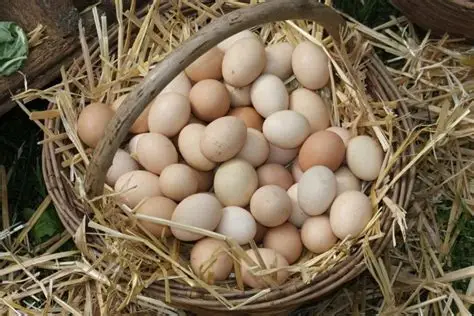
Making the Most of Your Eggs
Eggs work well in breakfast dishes, baked goods, salads, sandwiches, and quick dinners. Because they cook relatively quickly, they can also help create convenient meals when time is limited.
To maintain quality, handle them carefully and use older eggs in cooked dishes when appropriate while reserving the freshest ones for preparations where texture matters most.
Ultimately, Farm Fresh Eggs can be a delicious and practical addition to the kitchen when farmers and consumers handle them responsibly. Freshness matters, but cleanliness, storage, and safe preparation matter just as much.
Conclusion
Eggs may look simple, but their quality depends on what happens from the henhouse to the kitchen. Responsible farmers protect their birds, collect eggs regularly, maintain clean facilities, and handle their products carefully. Consumers, meanwhile, can protect quality by choosing intact eggs, storing them properly, and cooking them safely.