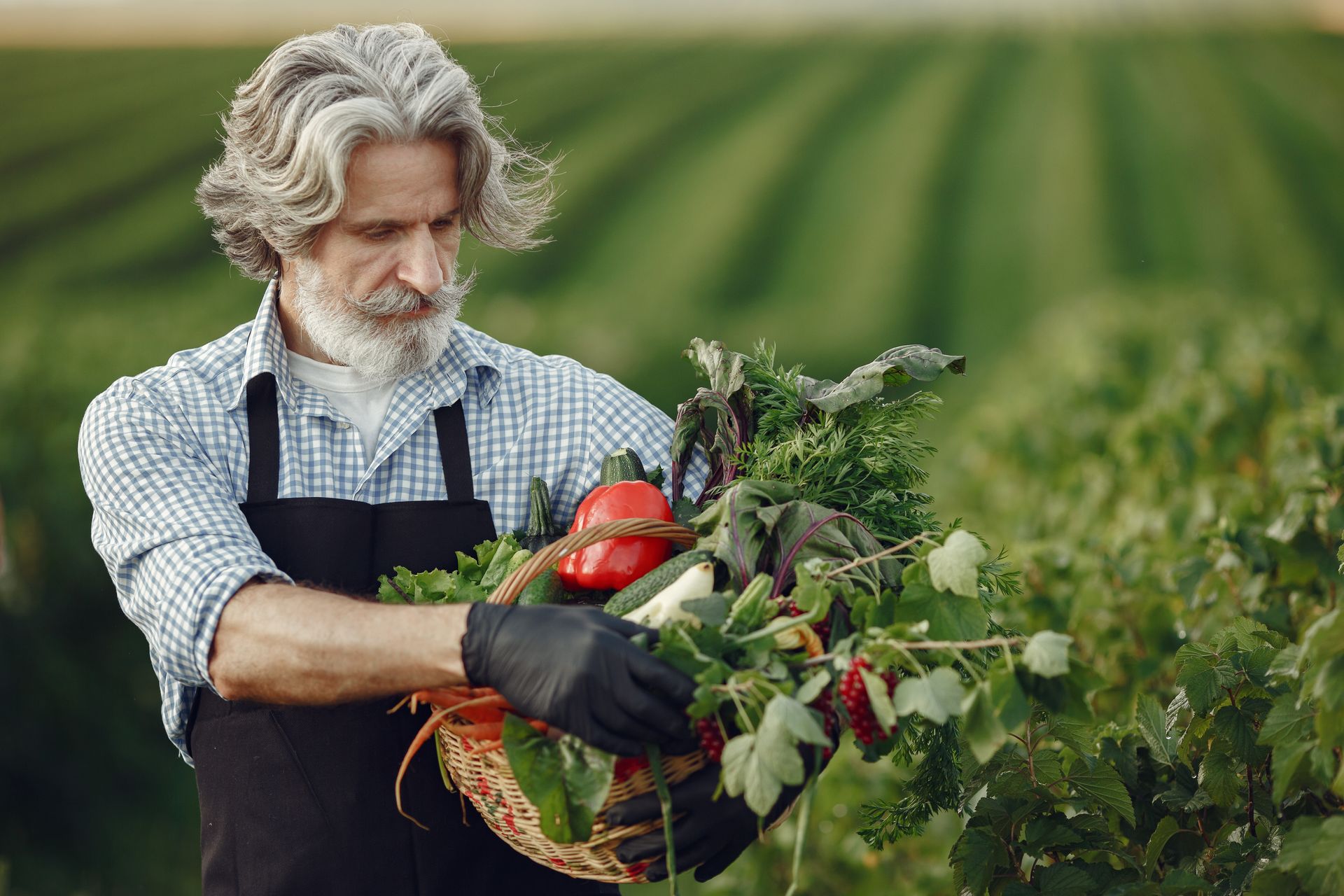









Farm-Fresh Foods That Belong in Every Kitchen
Focus keyphrase: Farm-Fresh Foods That Belong in Every Kitchen
Meta description: Discover farm-fresh foods that belong in every kitchen, from seasonal vegetables and fruits to eggs, herbs, grains, and dairy.
Fresh ingredients can transform everyday meals. Farm-fresh foods often provide excellent flavor, variety, and versatility, making them valuable additions to almost any kitchen. By choosing seasonal products from local farms, households can enjoy a wider range of ingredients while supporting agricultural producers.
Whether you shop at a farmers market, farm stand, community-supported agriculture program, or local food store, knowing which products to keep on hand can make meal planning easier.
Here are some farm-fresh foods that belong in every kitchen.
Fresh Seasonal Vegetables
Vegetables should form the foundation of a well-stocked fresh-food kitchen. Seasonal vegetables can provide variety throughout the year while giving you plenty of options for salads, soups, stews, side dishes, and main meals.
Leafy greens such as spinach, kale, lettuce, and other local varieties can add color and nutrients to everyday meals. Meanwhile, carrots, tomatoes, peppers, onions, squash, and other vegetables can serve as versatile cooking ingredients.
However, seasonal availability varies by region. Therefore, visit local farms and markets to discover which vegetables are currently at their best.
Fresh Fruits
Fresh fruit provides a convenient option for breakfast, snacks, desserts, and drinks.
Depending on the season and location, useful kitchen staples may include apples, bananas, oranges, mangoes, berries, peaches, melons, and other locally available fruits.
Choose fruits at different stages of ripeness if you plan to store them for several days. This approach allows you to enjoy some immediately while others continue to mature.
Furthermore, buying seasonal fruit can introduce you to varieties that may not be available throughout the year.
Farm-Fresh Eggs
Eggs are among the most versatile foods in the kitchen. You can use them for breakfast, baking, sauces, desserts, and many savory dishes.
When purchasing eggs directly from local producers, ask about handling and storage practices where appropriate. Keep eggs stored according to local food-safety recommendations.
Fresh eggs can become a practical staple for households because they work well in both simple and elaborate meals.
Fresh Herbs
Fresh herbs can add significant flavor without requiring large quantities.
Basil, parsley, coriander, mint, rosemary, thyme, and other herbs can enhance salads, soups, sauces, vegetables, meats, and grains.
Growing a small herb garden can provide a convenient supply, while local farms may offer fresh bunches during the growing season.
Store herbs according to their specific needs to maintain quality for as long as possible.
Farm-Fresh Milk and Dairy Products
Where local dairy production is available, fresh milk, yogurt, cheese, and other dairy products can provide useful kitchen ingredients.
Use properly handled and safely processed dairy products. If purchasing directly from a farm, understand how the product has been processed, stored, and transported.
Dairy products can contribute to breakfasts, sauces, baked goods, desserts, and many other meals.
Fresh Whole Grains
Locally grown grains can also have a place in a farm-focused kitchen.
Depending on your region, farmers may produce maize, wheat, oats, millet, sorghum, rice, or other grains.
Whole grains can serve as the base for porridges, breads, side dishes, and other meals.
Store grains in clean, dry, pest-resistant containers. Protect them from moisture because damp conditions can encourage spoilage and mold.
Beans and Legumes
Beans, peas, lentils, and other legumes can provide affordable and versatile ingredients.
Farmers may sell fresh, dried, or processed legumes depending on the season and local market.
Dried beans can be stored for extended periods under suitable conditions, making them useful pantry staples.
Use legumes in soups, stews, salads, sauces, and other dishes. Combining them with seasonal vegetables can create simple and satisfying meals.
Fresh Root Vegetables
Root vegetables deserve a place in almost every kitchen because they are versatile and can often store well.
Potatoes, sweet potatoes, carrots, beets, cassava, turnips, and other roots can be roasted, boiled, mashed, fried, steamed, or incorporated into soups and stews.
Choose firm roots without extensive damage or signs of decay. Store each crop according to its specific temperature, humidity, and ventilation requirements.

Farm-Fresh Honey
Honey can provide a natural sweetener for drinks, baking, breakfast foods, and sauces.
Buying honey from local beekeepers can also help support small agricultural businesses and introduce you to regional flavors.
Store honey in a clean, sealed container in a suitable location. Crystallization can occur naturally and does not necessarily mean that honey has spoiled.
Fresh Poultry and Meat
For households that eat animal products, locally produced meat and poultry can provide additional options for meals.
However, food safety becomes especially important with perishable animal products. Purchase from reputable producers and follow appropriate refrigeration, freezing, cooking, and handling practices.
When buying directly from farms, ask about packaging and storage requirements so you can transport and store products safely.
Farm-Fresh Garlic and Onions
Garlic and onions are useful foundations for countless recipes.
They can add flavor to soups, stews, sauces, roasted vegetables, meat dishes, and grain-based meals.
Properly cured onions and garlic can often store for extended periods when kept in suitable dry, cool, and well-ventilated conditions.
Because you use them in so many dishes, keeping a supply available can make everyday cooking easier.
Seasonal Farm Produce
One of the best ways to keep your kitchen interesting is to follow the seasons.
Instead of purchasing exactly the same ingredients throughout the year, build your meals around what local farms are harvesting.
Seasonal produce can encourage experimentation and help you discover new varieties. It can also reduce reliance on foods transported from distant regions.
Ask local farmers what is currently abundant. You may find affordable ingredients that inspire your next meal.
How to Build a Farm-Fresh Kitchen
You do not need to purchase every farm product at once. Start with foods you regularly use.
Keep a mixture of fresh vegetables, fruits, herbs, eggs, grains, legumes, and suitable pantry staples. Then add seasonal products as they become available.
Plan meals before shopping and purchase quantities that your household can reasonably consume.
Furthermore, learn proper storage techniques so that fresh food remains useful for longer.
Final Thoughts
These farm-fresh foods that belong in every kitchen can make everyday meals more flavorful, varied, and enjoyable. Seasonal vegetables, fresh fruits, eggs, herbs, dairy products, grains, legumes, root vegetables, honey, and other local products all have practical uses.
Most importantly, buy according to your household’s needs and the seasonal availability of your area. Build relationships with local farmers, learn how they produce and handle their food, and explore new ingredients throughout the year.
With thoughtful shopping and proper storage, farm-fresh foods can become a valuable part of your everyday kitchen routine.