Farm life begins long before many people start their day. A farmer often wakes before sunrise, prepares for the work ahead, and checks the conditions that can shape the entire day. From caring for animals to inspecting crops, farming combines physical work, careful observation, planning, and quick decision-making. Although every farm operates differently, most farmers share one important responsibility: keeping the land, crops, and livestock healthy and productive.
Early Morning on the Farm
The first hours of the day often set the pace for everything that follows. After getting ready, a farmer may check weather conditions and review the day’s priorities. Weather matters because rain, heat, wind, and temperature can affect planting, irrigation, spraying, harvesting, and animal care.
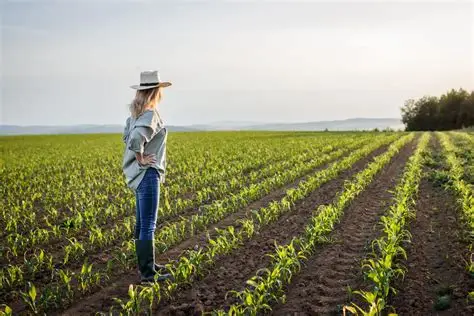
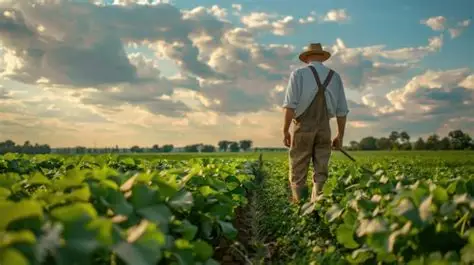
Morning is also an ideal time to inspect crops. Farmers walk through fields looking for signs of pests, disease, water stress, or damage caused by animals or severe weather.
Caring for Livestock
On farms that keep animals, morning chores can begin with feeding and watering livestock. Farmers also check animals for unusual behavior, injuries, or signs of illness.
Regular observation helps farmers notice small changes before they become serious problems. They may clean shelters, collect eggs, move animals between grazing areas, or maintain fences and gates.
These tasks can take considerable time, especially on larger farms. Nevertheless, consistent animal care remains essential for maintaining a healthy herd or flock.
Working in the Fields
Once morning animal duties are complete, many farmers turn their attention to the fields. The work changes throughout the year because farming follows seasonal cycles.
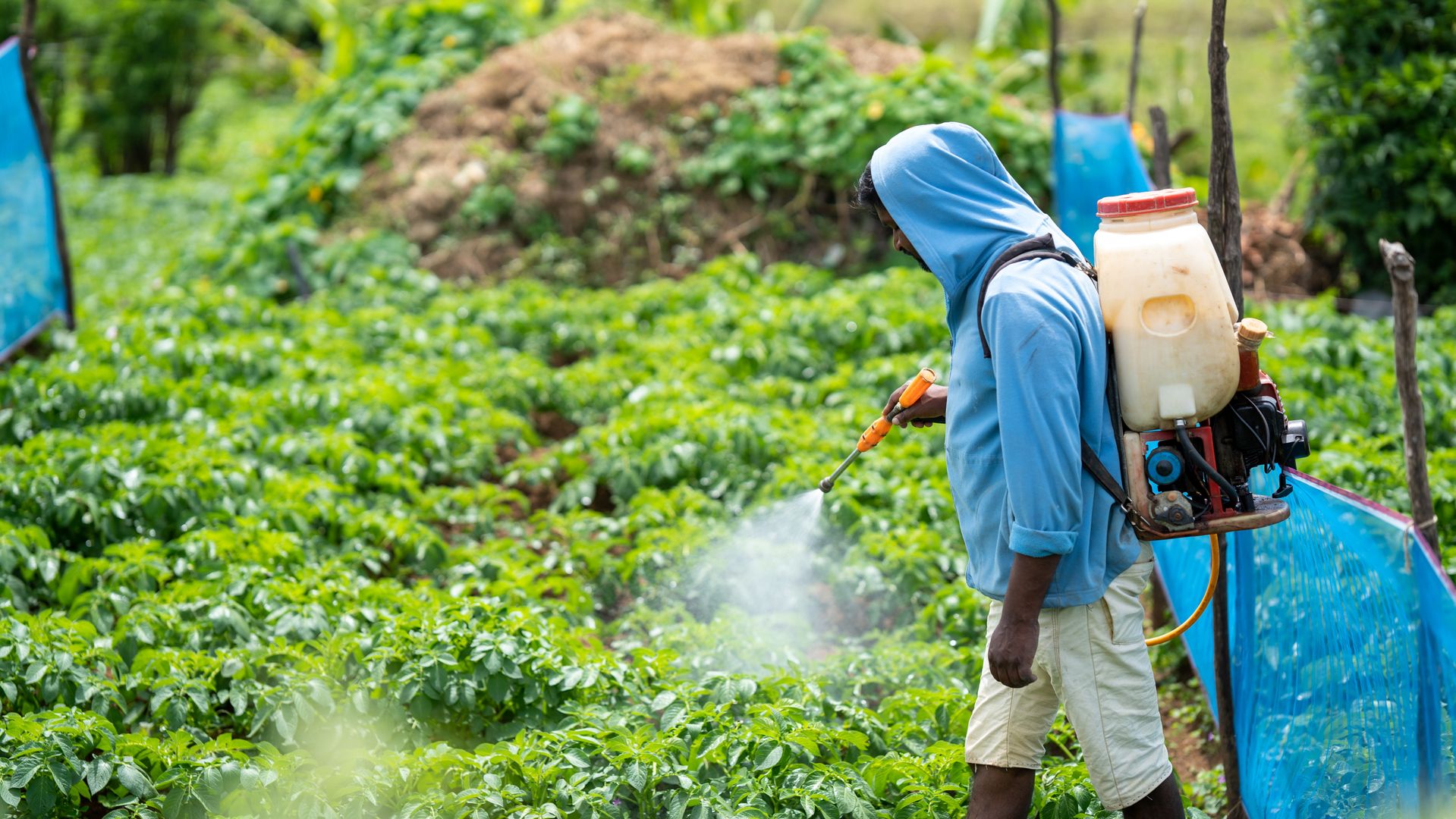
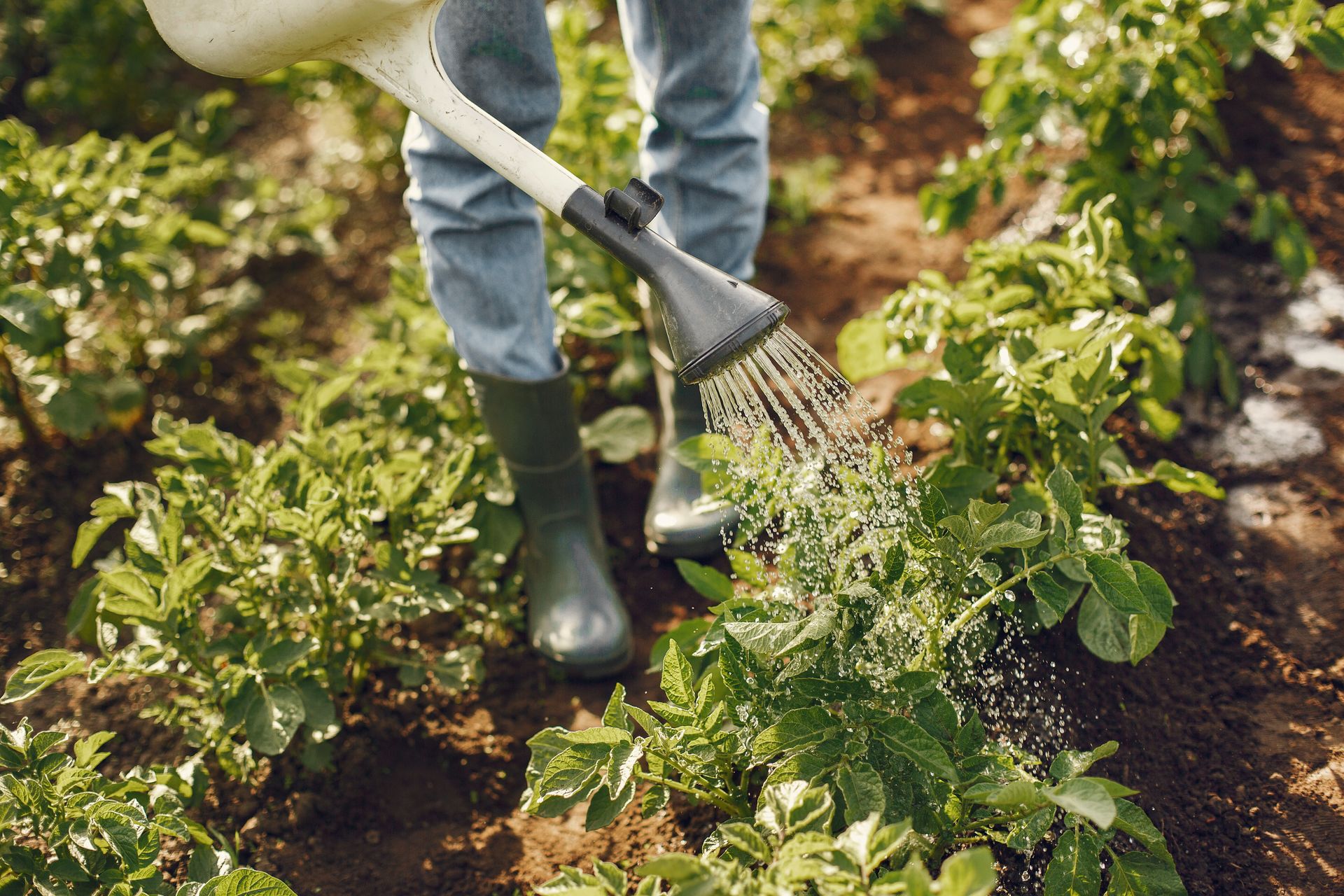
During planting periods, farmers prepare seedbeds, plant seeds, transplant seedlings, and establish irrigation systems. During the growing season, they may remove weeds, monitor pests, apply approved treatments, and maintain soil moisture.
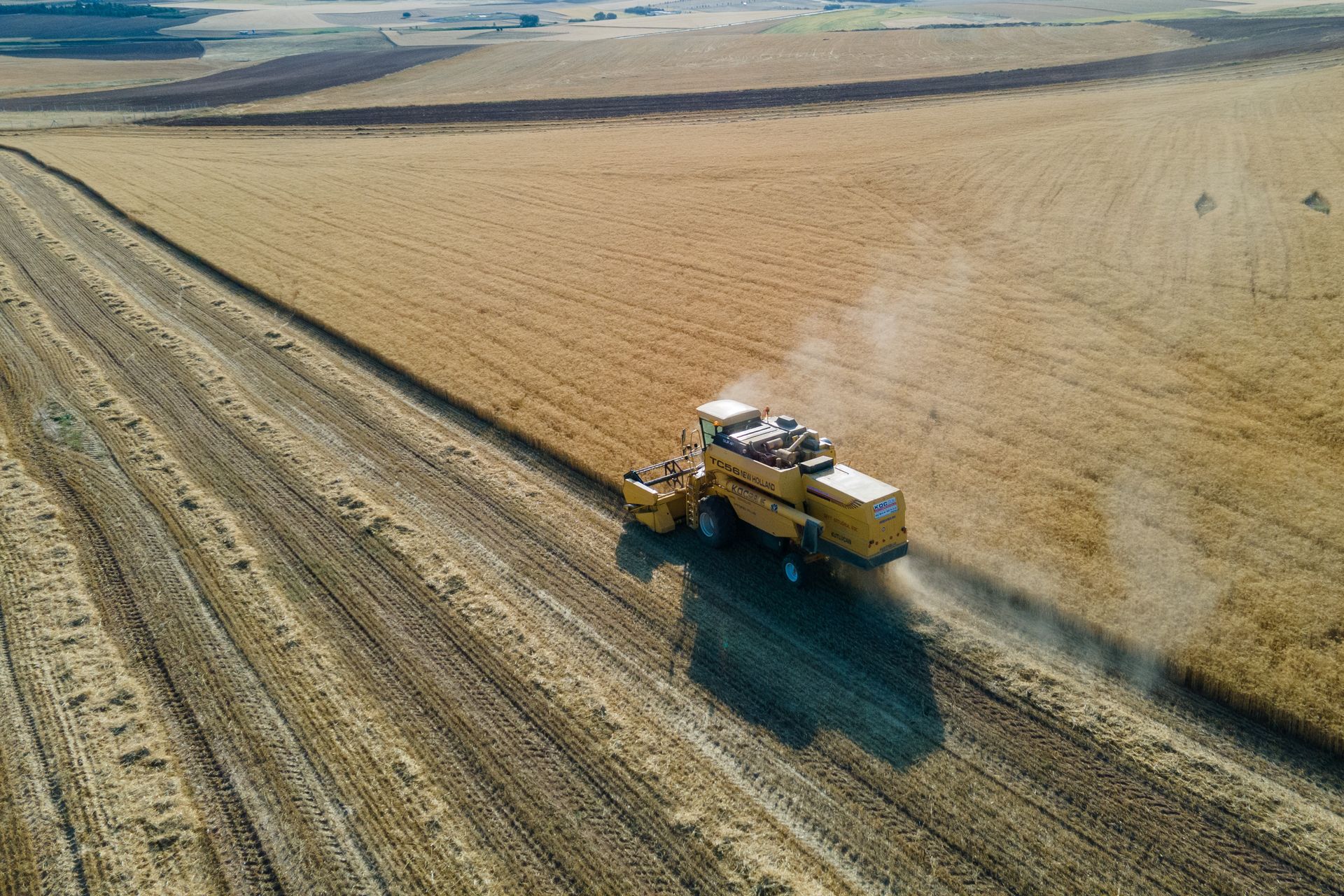
Harvest season can create especially demanding days. Farmers must often collect mature crops quickly and handle them carefully to preserve quality.
A typical list of field activities may include:
-
Checking crop growth
-
Removing weeds
-
Inspecting plants for disease
-
Maintaining irrigation systems
-
Repairing fences
-
Operating farm machinery
-
Harvesting mature crops
-
Sorting and storing produce
Although the work can become repetitive, farmers must remain attentive. A small problem in one section of a field can develop rapidly if nobody notices it.
Maintaining Equipment and Infrastructure
A successful farm routine involves more than working with crops and animals. Farmers also spend time maintaining the tools, machinery, buildings, storage areas, water systems, and fences that support daily operations.
Tractors and other equipment require regular inspection and maintenance. Farmers may clean machinery, check tires, inspect moving parts, or prepare equipment for upcoming jobs.
Infrastructure also needs attention. Broken fences can allow livestock to escape, while damaged irrigation pipes can waste water and threaten crops. Therefore, fixing small problems early can prevent expensive disruptions later.
Managing the Business
Modern farming involves substantial business responsibilities. After completing physical work, farmers may spend time recording expenses, tracking harvest quantities, ordering supplies, or communicating with buyers.
Market prices can influence production decisions, so farmers need to understand what customers want and when demand is strongest. They may also compare input costs with expected returns before deciding what to plant.
Planning Ahead
Farmers rarely think only about today. They also prepare for tomorrow, the next season, and sometimes the next year.
Planning may involve:
-
Ordering seeds and other supplies
-
Scheduling equipment maintenance
-
Preparing fields for future crops
-
Monitoring weather forecasts
-
Arranging transportation
-
Planning labor requirements
-
Reviewing production records
Good planning helps farmers use their time and resources more efficiently.
Afternoon Challenges
By afternoon, temperatures may rise, making outdoor work more demanding. Farmers may adjust their schedules according to weather conditions and the type of work required.
Unexpected challenges can also appear. A water pump might stop working, livestock might require urgent attention, or a sudden storm could threaten crops.
Consequently, flexibility remains an important part of farm life. Farmers must often change their plans quickly while still completing essential tasks.
Despite the physical demands, many farmers find satisfaction in seeing tangible results from their work. Watching crops develop, caring for healthy animals, and bringing a successful harvest to market can provide a strong sense of accomplishment.
Evening Tasks
As daylight fades, the working day may still continue. Farmers often return to livestock areas for another feeding and watering round. They may check fences, secure animals, inspect crops, and make sure equipment is safely stored.
Evening inspections can reveal problems that were not visible earlier. A damaged fence, wilted plant, or sick animal may require immediate attention.
After outdoor work ends, farmers can review what they accomplished and prepare for the following day. This final planning period helps them prioritize urgent tasks and organize their schedules.
The Rewards and Realities of Farming
A farmer’s day rarely follows a perfectly predictable schedule. Some days involve routine maintenance, while others bring demanding weather, equipment failures, animal emergencies, or unexpected crop problems.
Still, farm life offers rewards that extend beyond financial returns. Farmers work closely with nature and contribute to food production within their communities. Their work requires patience, resilience, practical knowledge, and a willingness to keep learning.
The next time you see fresh produce at a market or grocery store, remember that getting it there often requires months of preparation and countless hours of hands-on work.
Ultimately, a day on the farm is a combination of routine and unpredictability. From the first morning inspection to the final evening check, farmers continually balance immediate responsibilities with long-term goals. That dedication keeps farms productive and makes agriculture an essential part of everyday life.