

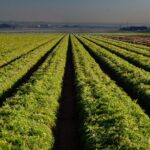


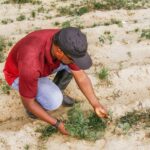
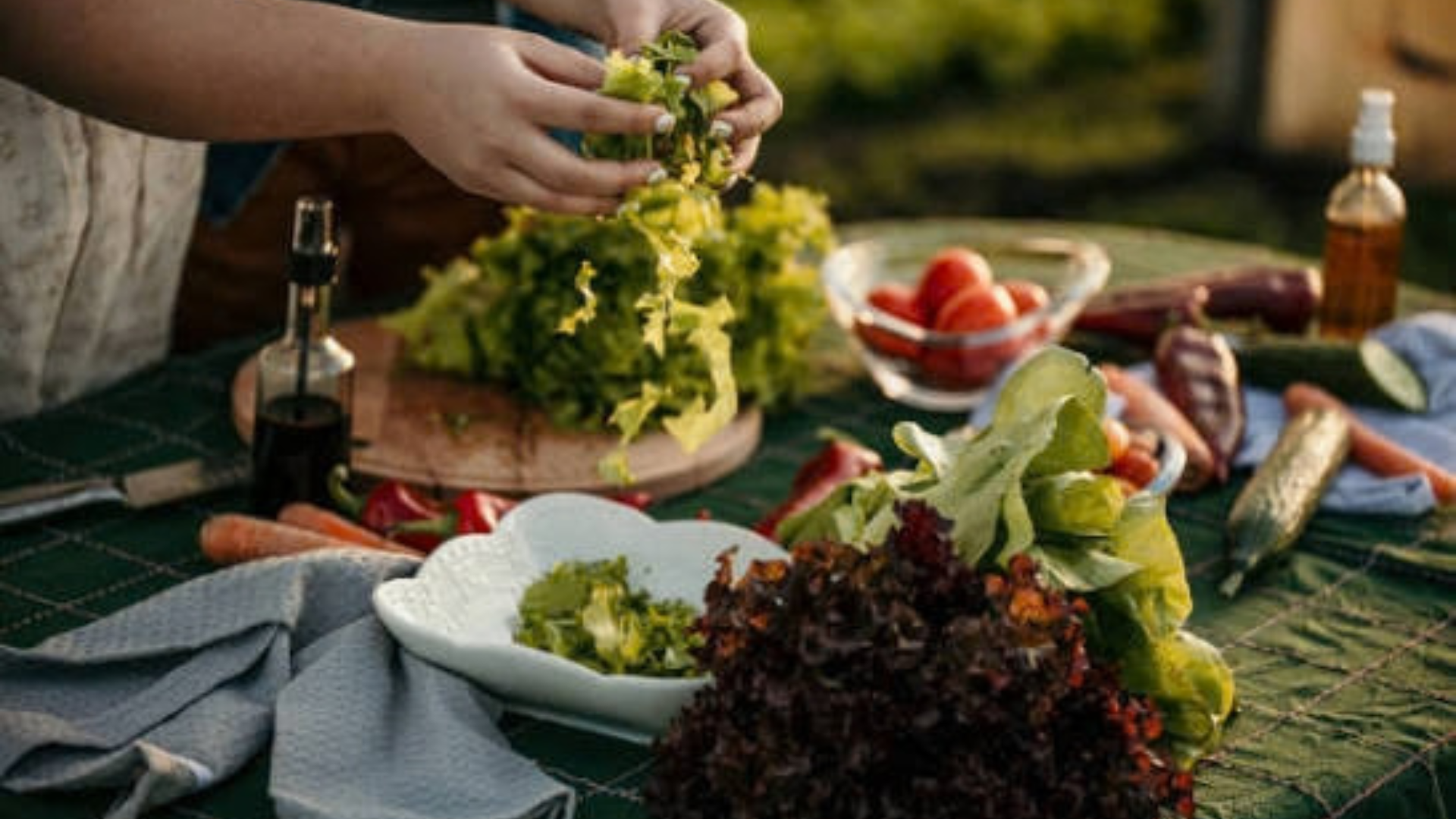
Food tells a story, and farm-to-table living helps people understand every chapter. At Stoney Creek Farm, the journey from growing fresh produce to preparing meals at home creates a closer connection between people, agriculture, and the land.
Modern food systems can sometimes make it easy to forget where ingredients come from. However, choosing locally grown products brings attention back to the people, practices, and processes behind every meal.
Farm-to-table living is about more than buying fresh ingredients. It represents a lifestyle built around understanding food sources, supporting local agriculture, and making thoughtful choices.
At Stoney Creek Farm, this approach highlights the value of fresh produce, responsible farming methods, and stronger relationships between farmers and the community.
Understanding Farm-to-Table Living at Stoney Creek Farm
Farm-to-table living begins with a simple idea: food should have a meaningful connection between where it is grown and where it is enjoyed.
Instead of focusing only on the final product, this approach considers the entire journey. It includes planting, growing, harvesting, preparing, and sharing food.
At Stoney Creek Farm, every stage plays an important role. Farmers carefully manage crops while considering quality, sustainability, and customer expectations.
The farm-to-table journey includes:
- Growing food with care
- Harvesting produce at the right time
- Maintaining freshness
- Supporting responsible farming
- Connecting with local customers
Moreover, this approach helps people appreciate the work behind their meals. A fresh ingredient represents planning, patience, and dedication.
Therefore, farm-to-table living creates a deeper understanding of food. It reminds people that agriculture is not separate from daily life.
Every meal has a story, and local farming helps bring that story closer.
The Benefits of Fresh Ingredients From Local Farms
Fresh ingredients can transform everyday meals. When produce is harvested at the right time, it often provides better flavor, texture, and overall quality.
At Stoney Creek Farm, freshness begins in the field. Farmers focus on careful growing practices and thoughtful harvesting methods to maintain product quality.
Fresh local ingredients offer several advantages:
- Strong seasonal flavors
- Better connection to food sources
- Support for local farmers
- Opportunities to try new produce
- More awareness of growing cycles
Furthermore, fresh ingredients encourage creativity in the kitchen. Seasonal produce can inspire different recipes and cooking styles throughout the year.
Farm-to-table living allows customers to work with ingredients that reflect natural growing patterns. Instead of relying only on products available year-round, people can enjoy variety based on each season.
Additionally, fresh food often encourages simpler cooking. High-quality ingredients may require less preparation because their natural characteristics already provide value.
This connection between the farm and the kitchen creates a more rewarding food experience.
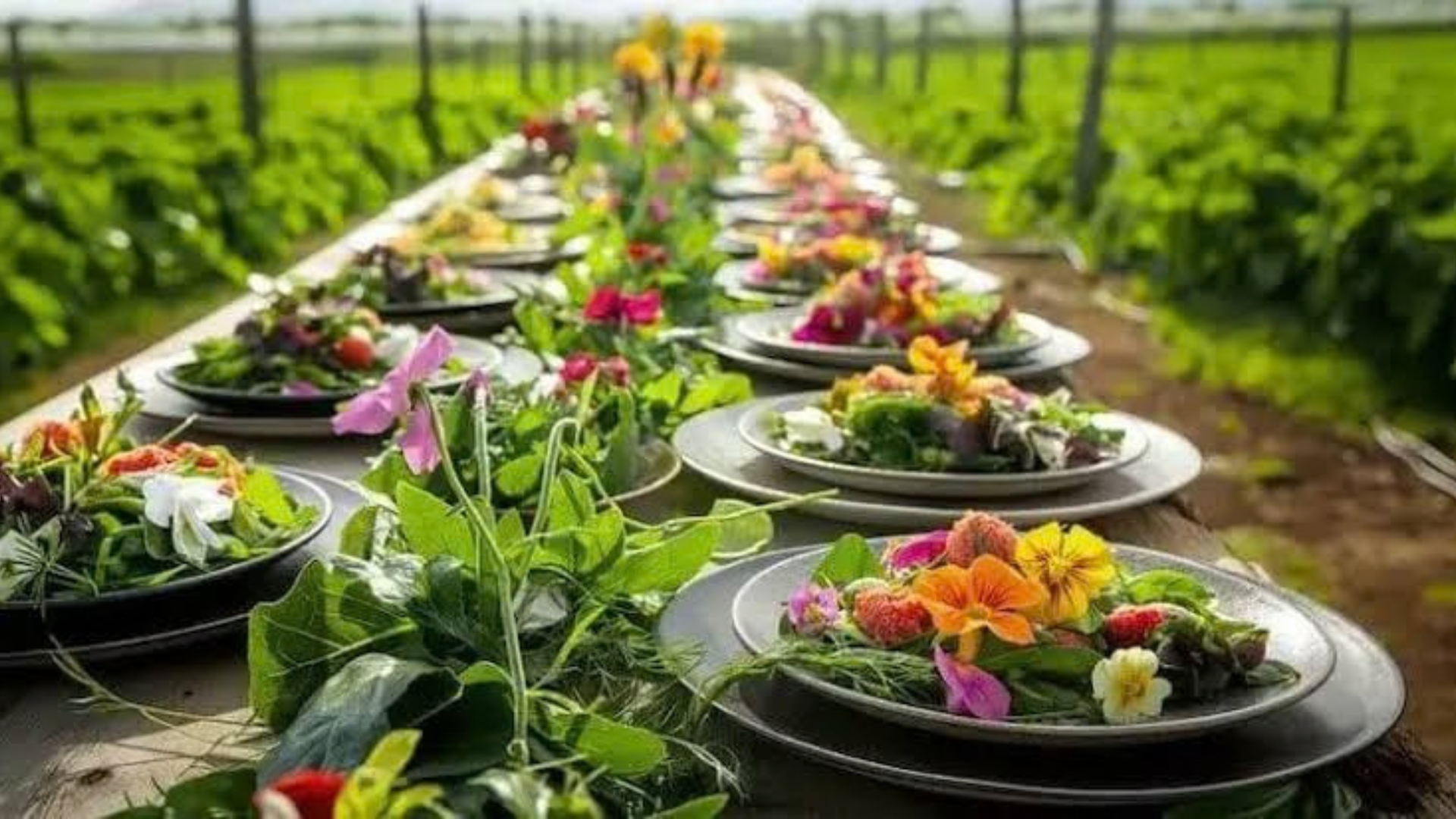
Farm-to-Table Living Supports Local Agriculture
Supporting local farms creates benefits that extend beyond individual meals. When customers choose locally grown products, they help strengthen agricultural communities.
At Stoney Creek Farm, relationships with customers are an important part of the farming experience.
Local agriculture depends on trust and connection. Farmers work hard to provide quality products, while customers support the continued growth of farming operations.
Choosing local food helps:
- Strengthen community relationships
- Support farming traditions
- Encourage responsible production
- Keep agricultural knowledge active
- Create stronger local food systems
Moreover, local farms provide opportunities for people to learn more about agriculture.
Customers can better understand seasonal cycles, farming challenges, and the effort required to produce fresh food.
Farm-to-table living creates a direct relationship between producers and consumers. This connection helps people make more informed decisions about what they eat.
Instead of food being an anonymous product, it becomes part of a shared community story.
Seasonal Eating Creates Better Food Experiences
Seasonal eating is one of the most important parts of farm-to-table living. It encourages people to enjoy produce when it naturally grows best.
At Stoney Creek Farm, seasonal cycles guide farming decisions throughout the year.
Each season brings different opportunities:
- Spring introduces new growth and fresh beginnings
- Summer provides abundant harvest periods
- Autumn offers a variety of mature crops
- Winter supports planning and preparation
Following seasonal patterns allows customers to experience different flavors throughout the year.
Furthermore, seasonal eating encourages variety. People can explore different ingredients instead of depending on the same choices every month.
This approach also helps create a stronger understanding of farming. Customers begin to recognize that food availability is connected to natural cycles.
Farm-to-table living encourages patience and appreciation. It celebrates food when it is ready rather than expecting every ingredient at any time.
Choosing Quality Produce With Confidence
Quality matters when selecting food. Customers want ingredients that are fresh, carefully handled, and produced with attention.
At Stoney Creek Farm, quality begins with responsible farming practices. Farmers consider soil health, growing conditions, and harvesting methods.
Choosing quality produce involves looking at:
- Fresh appearance
- Seasonal availability
- Proper handling
- Farming practices
- Product condition
However, quality is about more than appearance. It also reflects the care invested throughout the growing process.
A product from a local farm carries information about where it came from and how it was produced.
Moreover, farm-to-table living encourages customers to value quality over convenience alone.
Taking time to choose better ingredients can improve cooking experiences while supporting responsible agriculture.
When people understand the journey behind their food, they often develop greater appreciation for every ingredient.
Reducing Food Waste Through Smarter Choices
Food waste is a major concern, but farm-to-table habits can encourage more thoughtful consumption.
When people understand where food comes from, they may become more aware of its value.
At Stoney Creek Farm, responsible farming focuses on using resources carefully and reducing unnecessary waste.
Customers can reduce waste by:
- Planning meals around available produce
- Storing ingredients correctly
- Using seasonal products efficiently
- Preserving extra produce
- Cooking creatively with leftovers
Furthermore, seasonal food often encourages better planning. People learn to work with what is available instead of purchasing more than they need.
Farm-to-table living supports a more mindful relationship with food.
Every ingredient requires effort, from planting and growing to harvesting and preparation.
Recognizing this effort can inspire better choices at home.
Creating Stronger Connections With the Food We Eat
Many people want to know more about their food. They want to understand how it was grown and who helped produce it.
Farm-to-table living creates this connection by bringing people closer to agriculture.
At Stoney Creek Farm, the relationship between the farm and community is built through transparency and shared experiences.
Food connections become stronger when people understand:
- Where ingredients originate
- How farming decisions are made
- Why seasons matter
- What sustainable choices achieve
Moreover, this connection can create appreciation for farming traditions.
Agriculture requires skill, knowledge, and dedication. Understanding this process helps people value the work behind every meal.
The relationship between farms and communities becomes stronger when food is treated as something meaningful rather than simply something purchased.
Sustainable Practices Behind Farm-to-Table Living
Sustainability is a key part of responsible agriculture. Farms must protect the resources they depend on while continuing to produce quality food.
At Stoney Creek Farm, sustainable practices support long-term farming success.
These practices may include:
- Protecting soil health
- Managing water responsibly
- Supporting biodiversity
- Reducing waste
- Improving efficiency
Additionally, sustainable farming benefits future generations. Protecting the land today helps maintain opportunities for tomorrow.
Farm-to-table living connects consumers with these efforts. When people choose local food, they become part of a larger system that values responsibility.
This creates a partnership between farmers and customers.
Together, they can support healthier food systems and stronger communities.
Bringing the Farm Experience Into Home Cooking
The farm-to-table journey does not end when produce leaves the farm. It continues in kitchens and dining rooms.
Fresh ingredients provide opportunities for creativity and connection at home.
Simple ways to enjoy farm products include:
- Preparing seasonal recipes
- Trying unfamiliar vegetables
- Sharing meals with family
- Preserving seasonal flavors
- Learning new cooking techniques
Moreover, cooking with local produce can become an enjoyable experience.
People often develop stronger appreciation when they understand the journey behind their ingredients.
Farm-to-table living turns ordinary meals into opportunities to celebrate agriculture.
The Future of Farm-to-Table Living at Stoney Creek Farm
The future of food depends on stronger connections between farms, communities, and consumers.
Stoney Creek Farm continues to represent the values behind responsible food production.
Farm-to-table living is about creating a healthier relationship with food. It encourages people to support local agriculture, appreciate seasonal offerings, and understand the work behind every harvest.
As farming continues to evolve, these connections become even more important.
By choosing fresh ingredients and supporting local producers, communities can help create a more sustainable food future.
Celebrating the Journey From Farm to Home
Farm-to-table living is ultimately about connection. It connects the land with the kitchen, farmers with customers, and traditions with future possibilities.
At Stoney Creek Farm, every product represents a journey of care, patience, and responsibility.
From planting and harvesting to cooking and sharing meals, each step matters.
The result is more than fresh food. It is a stronger appreciation for agriculture and the people who make it possible.
By embracing local food and sustainable choices, communities can build a closer relationship with what they eat and where it comes from.