Farm to table living offers a practical way to build a closer connection with food, farmers, and local communities. Instead of relying entirely on products that travel long distances, beginners can choose locally grown ingredients, shop seasonally, grow simple foods at home, and learn where their meals come from. The approach does not require a large garden or major lifestyle changes. Small, consistent choices can make the transition easier and more enjoyable.
What Does Farm-to-Table Mean?
Farm-to-table living focuses on shortening the distance between food producers and consumers. Depending on where you live, that might mean purchasing vegetables from a nearby farmer, buying eggs from a local producer, visiting a farmers’ market, or growing herbs on a balcony.
The goal is not perfection. Rather, it encourages people to become more intentional about food choices and support producers when possible.
Start With Local Foods
Beginners can start by identifying foods that local farmers produce regularly. Seasonal vegetables, fruits, eggs, grains, and other products may be available through markets, farm shops, community groups, or direct sales.
Buying locally can also introduce you to foods you may not normally find in large supermarkets. As a result, shopping becomes an opportunity to explore new ingredients and cooking methods.
Learn What Is in Season
Seasonal eating forms an important part of farm to table living. Different crops become available at different times of the year, depending on the climate and farming conditions.
Start by learning which fruits and vegetables are commonly harvested during each season in your area. Then build meals around what is readily available.
Seasonal shopping can make meal planning simpler because you can choose ingredients based on current availability rather than planning every dish around products that may be difficult to find.
Visit Farmers’ Markets
Farmers’ markets provide an easy introduction to local food systems. They allow shoppers to meet producers, ask questions, and see what is currently available.
When visiting a market, take time to compare products and talk with sellers. Ask about growing methods, harvesting dates, storage recommendations, and preparation ideas.
You do not need to replace every supermarket trip. Instead, begin by purchasing a few items from local producers and gradually increase your participation if the experience works for your budget and routine.
Grow Something at Home
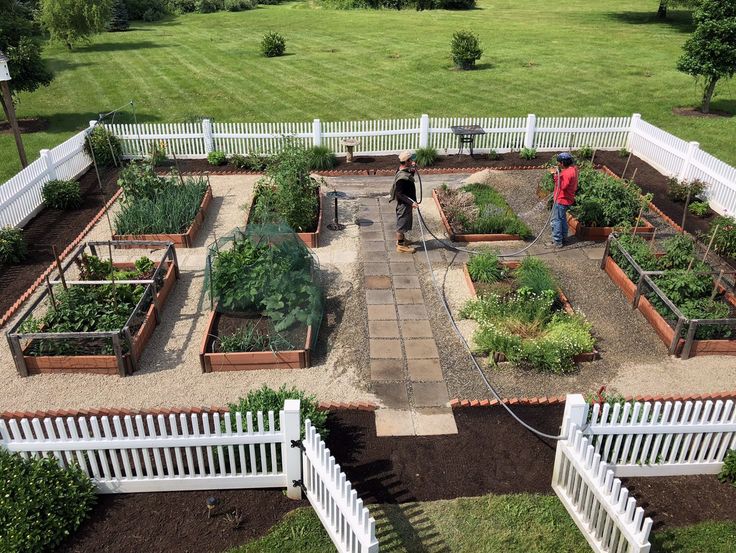
You do not need acres of farmland to participate in farm to table living. A few containers can provide enough space to grow herbs, leafy greens, tomatoes, peppers, or other suitable plants.
Choose crops that match your available sunlight, space, water, and climate. Beginners should start with plants that are relatively easy to manage.
Growing even a small amount of food can teach useful lessons about soil, weather, pests, watering, and harvest timing. It can also make meals feel more rewarding.
Start Small
Avoid planting too many crops at once. Instead, choose two or three plants and learn how they respond to your growing conditions.
Keep simple notes about planting dates, watering, growth, and harvests. These records can help you make better decisions during the next growing season.
Plan Meals Around Local Ingredients
Once you begin buying seasonal foods, adjust your meal planning accordingly. Rather than choosing recipes first and shopping for every ingredient afterward, start with the produce you already have.
For example, fresh vegetables can become soups, salads, stir-fries, stews, or side dishes. Extra fruit can become a breakfast topping, dessert, smoothie ingredient, or preserved product.
This flexible approach helps reduce food waste while allowing local ingredients to become a regular part of your diet.
Reduce Food Waste
Food waste undermines the effort involved in producing and transporting food. Fortunately, beginners can reduce waste through simple habits.
Try these approaches:
-
Plan meals before shopping.
-
Buy quantities you can realistically use.
-
Store foods according to their needs.
-
Freeze suitable foods before they spoil.
-
Use vegetable scraps in stocks where appropriate.
-
Turn leftovers into new meals.
-
Share excess produce with friends or neighbors.
These practices make farm to table living more practical while helping households get greater value from the food they purchase.
Build Relationships With Producers
Developing relationships with local farmers can make the experience more meaningful. Regular customers often learn more about seasonal availability, farming practices, and the challenges producers face.
Ask questions respectfully and show interest in the work behind the food. Farmers may also provide useful advice about storing or preparing unfamiliar products.
Over time, these relationships can create a stronger sense of community and trust.
Consider Your Budget
Local food does not always cost less than supermarket food. Production scale, season, transportation, labor, and market conditions can all affect prices.
Therefore, focus on value rather than assuming that every local product will be cheaper. Buy seasonal foods when they are abundant, compare prices, and prioritize products that fit your household’s needs.
You can also combine local purchases with ordinary grocery shopping. Farm to table living should complement your lifestyle rather than create unnecessary financial pressure.
Make It a Family Habit
Farm-to-table practices can become more enjoyable when everyone participates. Children can help plant herbs, wash vegetables, visit markets, or learn how different foods are produced.
Cooking together can also encourage greater appreciation for fresh ingredients. Instead of treating food as something that simply appears in a store, families can understand the journey from soil and farm to kitchen.
Conclusion
Farm-to-table living does not require a complete lifestyle transformation. Beginners can start by shopping locally, eating seasonal foods, growing a few plants, planning meals carefully, and reducing waste.
The most important part of farm to table living is building greater awareness of where food comes from and how it reaches the plate. Start with one manageable change, learn from the experience, and gradually develop habits that suit your household, budget, and community.