

Agriculture depends on timing, preparation, and careful decisions. Understanding farming seasons helps farmers know when to plant, maintain, and harvest crops for the best possible results.
Unlike many industries, farming follows natural cycles. Weather patterns, soil conditions, and seasonal changes all influence what happens in the field.
At Stoney Creek Farm, seasonal planning plays an important role in creating healthy crops and maintaining productive land. Farmers must work with nature while adapting to changing conditions.
The success of every harvest begins long before crops appear. Careful planning, field preparation, and knowledge of seasonal patterns allow farmers to make informed choices throughout the year.
Why Farming Seasons Matter for Agricultural Success
Every crop has specific requirements. Temperature, rainfall, sunlight, and soil conditions all affect how plants grow.
Farmers use their understanding of farming seasons to match crops with the conditions they need most.
For example, some plants thrive during warmer months, while others perform better in cooler conditions. Planting at the wrong time can reduce growth, increase challenges, and affect final yields.
Seasonal planning helps farmers:
- Choose the right planting periods
- Prepare fields efficiently
- Protect crops from weather risks
- Improve harvest quality
- Manage resources responsibly
Moreover, farming seasons help create predictable routines. Farmers can organize equipment, labor, seeds, and other resources before important stages begin.
However, seasons are not always predictable. Weather patterns can shift, and farmers must remain flexible.
Therefore, successful agriculture requires both planning and adaptability.
Preparing Fields Before the Growing Season
A successful growing season starts with preparation. Farmers spend significant time improving field conditions before planting begins.
At Stoney Creek Farm, preparation involves understanding the land and creating suitable conditions for healthy crops.
Important preparation steps include:
- Testing and improving soil quality
- Clearing planting areas
- Maintaining equipment
- Planning crop placement
- Organizing necessary supplies
Healthy soil provides the foundation for strong plant growth. Farmers often focus on maintaining soil structure, nutrients, and moisture levels.
Furthermore, preparation helps reduce problems later in the season. A well-prepared field gives crops a stronger beginning.
Farmers also consider previous growing cycles. Past experiences provide valuable information about what worked well and what needs improvement.
These decisions show why farming seasons are connected to long-term agricultural success.
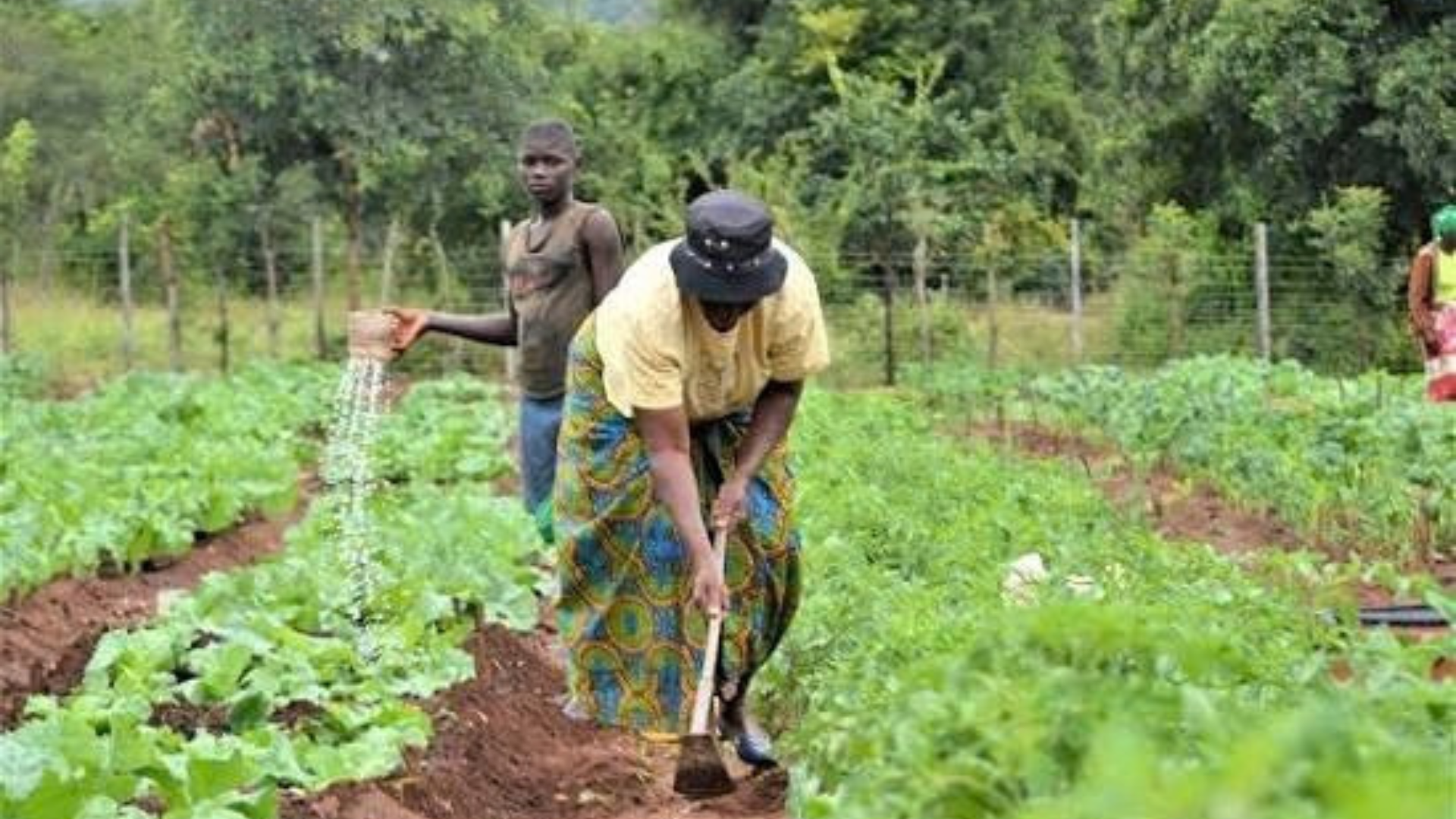
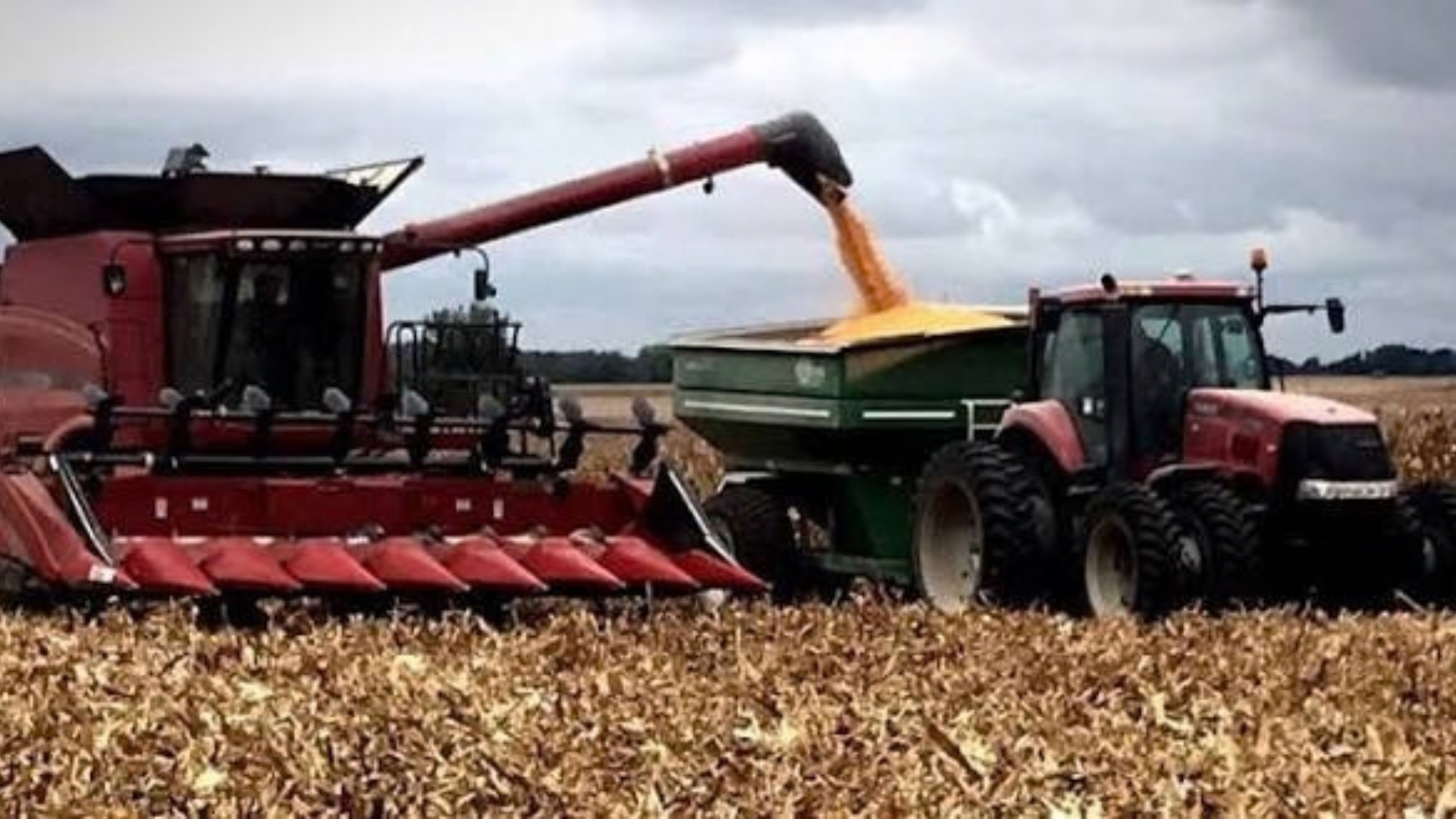
Understanding Planting and Harvesting Cycles
Planting and harvesting are two of the most important stages in agriculture. Both depend heavily on seasonal timing.
Farmers carefully monitor conditions before placing seeds in the ground. Soil temperature, moisture, and weather forecasts all influence planting decisions.
Once crops begin growing, farmers continue monitoring progress until harvest time.
The typical cycle includes:
- Planning and preparation
- Planting seeds or seedlings
- Managing crop growth
- Monitoring conditions
- Harvesting mature produce
Moreover, harvesting at the correct time affects quality. Crops harvested too early may not reach their full potential, while late harvesting can create other challenges.
Farming seasons provide a natural guide for these decisions. They help farmers understand when crops are most likely to succeed.
At Stoney Creek Farm, seasonal awareness supports better production decisions and helps maintain consistent quality.
Weather Considerations in Seasonal Farming
Weather is one of the biggest influences on agriculture. Farmers cannot control weather conditions, but they can prepare for different possibilities.
Temperature changes, rainfall patterns, and extreme conditions can all affect crop performance.
Farmers consider several weather factors:
- Expected rainfall
- Temperature trends
- Frost risks
- Heat conditions
- Wind exposure
Additionally, modern farmers often use planning tools and observations to make better decisions.
However, experience remains valuable. Farmers develop knowledge by watching their land and understanding local conditions.
For example, a farmer may recognize signs that soil needs additional moisture or that planting schedules need adjustment.
Therefore, successful farming requires both information and practical experience.
The changing nature of weather makes flexible seasonal planning essential.
Crop Rotation and Seasonal Planning
Crop rotation is an important agricultural practice that connects directly with seasonal planning.
Instead of planting the same crops in the same location every year, farmers rotate different crops to support healthier soil.
Crop rotation can help:
- Maintain soil nutrients
- Reduce certain pest problems
- Improve soil structure
- Support long-term productivity
Moreover, rotating crops requires careful seasonal planning. Farmers must consider which crops were previously grown and what should follow.
This approach reflects a long-term view of agriculture. Farmers are not only thinking about one harvest but also future growing opportunities.
At Stoney Creek Farm, responsible farming practices focus on protecting the land for continued use.
Understanding farming seasons allows farmers to create better rotation plans and make more sustainable decisions.
Adapting to Seasonal Changes
Agriculture is constantly changing. Farmers must adjust their methods based on current conditions.
A season that begins with ideal weather may later bring unexpected challenges.
Successful farmers stay prepared by:
- Monitoring crop development
- Adjusting watering plans
- Protecting plants from weather changes
- Changing schedules when necessary
- Learning from previous seasons
Furthermore, adaptation is part of traditional farming knowledge. Generations of farmers have learned how to respond to changing environments.
Modern farming combines these lessons with new technology and improved practices.
The ability to adapt makes agriculture more resilient.
Farming seasons provide a framework, but farmers must still make decisions based on real-time conditions.
Managing Resources Throughout the Year
Seasonal farming requires careful resource management. Farmers must plan how to use water, equipment, labor, and materials efficiently.
Different stages of the farming cycle require different resources.
For example:
- Planting requires preparation and equipment
- Growing requires monitoring and maintenance
- Harvesting requires organization and timing
- Post-harvest periods require storage and planning
Moreover, responsible resource use supports sustainability.
Farmers who plan ahead can reduce waste and improve efficiency.
At Stoney Creek Farm, thoughtful resource management helps balance productivity with care for the environment.
Understanding farming seasons allows farmers to anticipate needs instead of reacting at the last moment.
How Farmers Plan Ahead for Better Yields
Successful harvests are rarely accidental. They come from months of preparation and careful decision-making.
Farmers create plans based on previous results, current conditions, and future goals.
Planning may include:
- Selecting suitable crops
- Scheduling planting dates
- Preparing equipment
- Managing soil health
- Organizing harvest activities
Additionally, farmers review each season after completion. They analyze successes and challenges to improve future decisions.
This continuous learning process strengthens agricultural practices.
The knowledge gained from one year helps prepare for the next.
Therefore, farming seasons represent more than dates on a calendar. They represent a cycle of learning, preparation, and improvement.
The Role of Seasonal Knowledge at Stoney Creek Farm
Farming requires a close relationship with the land. Farmers must understand natural patterns and respond thoughtfully.
At Stoney Creek Farm, seasonal awareness helps guide daily decisions.
From preparing fields to harvesting crops, every step depends on understanding timing.
This connection between people and nature creates a more responsible approach to agriculture.
Furthermore, seasonal knowledge helps preserve farming traditions. Many agricultural lessons are passed from one generation to another.
These experiences provide valuable insight into sustainable food production.
Sustainable Farming Through Seasonal Awareness
Sustainable agriculture depends on making choices that protect resources while maintaining productivity.
Seasonal planning supports sustainability by helping farmers work with natural cycles.
Benefits include:
- Better soil protection
- More efficient resource use
- Reduced unnecessary inputs
- Improved crop management
- Stronger long-term results
Moreover, understanding seasonal patterns encourages responsible farming decisions.
Farmers can avoid unnecessary practices and focus on methods suited to their environment.
This approach benefits both current production and future generations.
Preparing for the Future of Agriculture
Agriculture continues to evolve. Climate changes, technology, and new farming techniques influence how farmers approach each season.
However, the importance of timing remains constant.
Farmers will continue relying on seasonal knowledge while adopting new tools and strategies.
The future of farming depends on combining experience with innovation.
At Stoney Creek Farm, understanding natural cycles remains an important part of maintaining productive and responsible farming practices.
Celebrating the Rhythm of Farming Seasons
The journey from planting to harvest follows a natural rhythm. Each season brings new responsibilities, challenges, and opportunities.
Understanding farming seasons helps explain why agriculture requires patience, knowledge, and dedication.
Every successful crop represents careful planning, hard work, and respect for the land.
From preparing fields to adapting to weather changes, farmers make countless decisions throughout the year.
At Stoney Creek Farm, seasonal planning reflects a commitment to quality, sustainability, and responsible farming.
By appreciating these cycles, we gain a better understanding of where our food comes from and the effort behind every harvest.