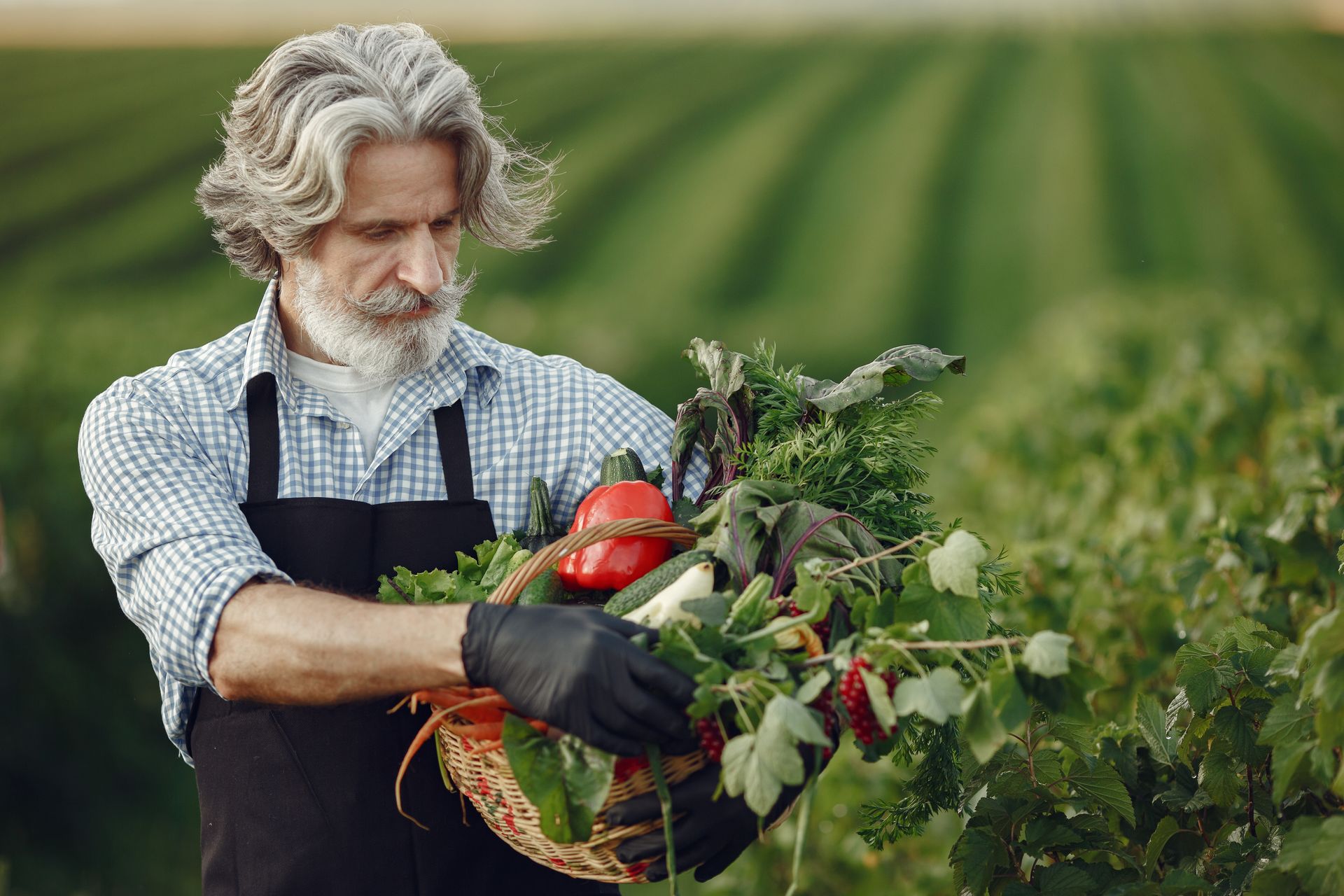
Fresh produce supply connects farmers, transporters, wholesalers, retailers, and consumers through a carefully coordinated journey. Once crops leave the field, they must move efficiently to preserve freshness and quality. From harvesting and sorting to packaging and transportation, every stage affects the final product. Although the journey may seem simple from a shopper’s perspective, it requires careful planning and teamwork behind the scenes.
The Journey Begins at the Farm
The journey starts when farmers determine that their crops have reached the right stage for harvesting. Timing matters because produce can lose quality if workers pick it too early or too late.
Farmers consider factors such as size, color, firmness, maturity, and market requirements. For some crops, harvesting early can help them withstand transportation. Others need to reach a particular maturity level before workers pick them.
Once harvested, workers handle the produce carefully to minimize bruising, cuts, and other damage.
Harvesting Methods Matter
Farmers use different harvesting methods depending on the crop. Some fruits and vegetables require careful hand-picking, while machinery can efficiently harvest grains and certain large-scale crops.
Regardless of the method, workers aim to reduce unnecessary handling. Damaged produce can deteriorate quickly and may affect other items during storage or transportation.
Sorting and Grading Produce
After harvesting, produce usually goes through sorting. Workers remove damaged, diseased, or unsuitable items and separate products according to size, quality, color, or maturity.
Grading creates consistency for buyers. A retailer ordering a particular grade expects products that meet specific quality standards.
This stage also supports fresh produce supply by helping farmers and distributors determine which products should go to supermarkets, processing facilities, restaurants, local markets, or other destinations.
Cleaning and Packing
Many fruits and vegetables require cleaning before reaching consumers. However, the appropriate process varies according to the crop and local handling standards.
After cleaning and inspection, workers pack produce into suitable containers. Packaging protects products from physical damage while also making transportation and handling easier.
Good packaging should provide enough protection without creating unnecessary waste. Ventilation can also matter because some produce continues to release heat and gases after harvest.
Why Packaging Matters
Effective packaging can:
-
Reduce bruising and physical damage.
-
Make products easier to stack and transport.
-
Protect produce from contamination.
-
Help maintain appropriate conditions.
-
Provide space for labels and handling information.
The right packaging depends on the type of produce, transportation distance, and storage requirements.
Keeping Produce Fresh During Transport
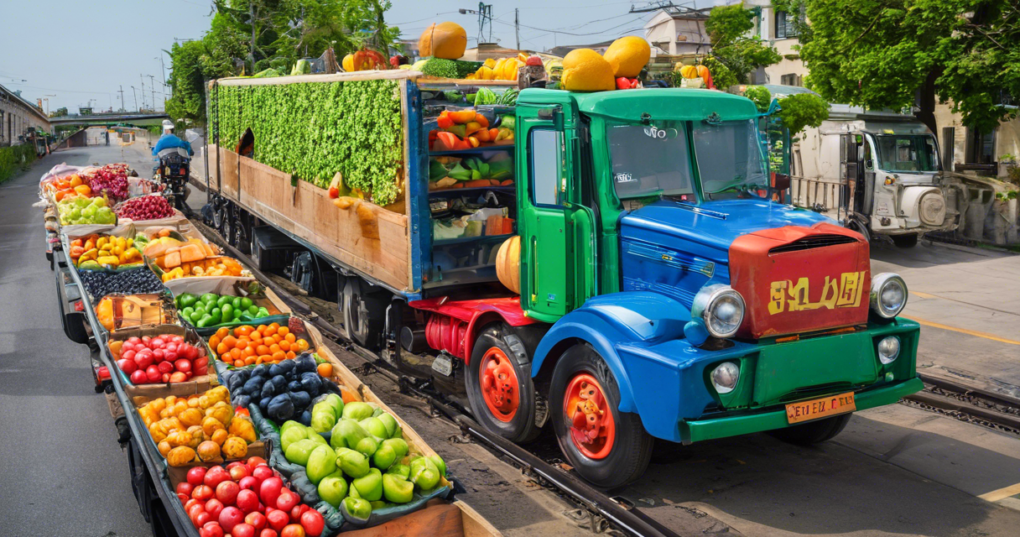
Transportation represents one of the most important stages in fresh produce supply. Fruits and vegetables can deteriorate quickly when exposed to unsuitable temperatures, excessive moisture, or rough handling.
Some products require refrigerated transportation, while others need dry, well-ventilated conditions. Transporters must understand these requirements before loading vehicles.
Drivers and logistics teams also need efficient routes. Longer journeys can increase fuel costs and expose produce to additional risks. Therefore, careful scheduling helps products reach their destinations while maintaining acceptable quality.
Moving Through Distribution Centers
Large quantities of produce may pass through warehouses, distribution centers, or wholesale markets before reaching individual retailers.
At these locations, workers receive shipments, inspect products, organize orders, and prepare loads for their next destination.
Speed matters because produce has a limited shelf life. Every additional delay can reduce quality and increase losses.
Modern distribution systems may use inventory software, temperature monitoring, barcode systems, and other technologies to track shipments and manage stock.
Reaching Local Markets and Stores
Eventually, produce reaches supermarkets, restaurants, open markets, food processors, and other buyers. Retailers then organize products for customers while continuing to monitor quality.
Local markets may involve fewer steps. A farmer might harvest vegetables in the morning and sell them directly to consumers later that day.
Longer supply chains involve more participants, but they can also allow farmers to reach distant customers and larger markets.
Reducing Food Loss
Food loss can occur at almost every stage. Crops may suffer damage during harvesting, spoilage during storage, or losses during transportation.
Farmers and distributors can reduce waste through better planning, appropriate packaging, careful handling, and improved storage.
Another important fresh produce supply strategy involves matching production with market demand. When farmers understand what buyers want and when they need it, they can make better production and harvesting decisions.
Turning Surplus Into Value
Not every product needs to reach consumers in its original form. Produce that does not meet fresh-market appearance standards may still work well for processing.
Fruits can become juices, sauces, or dried products, while vegetables can enter frozen, canned, or prepared-food markets. This approach can reduce waste and create additional sources of income.
The Role of Technology
Technology continues to improve the way produce moves from farms to consumers. Farmers can use digital tools to monitor crops, predict harvest dates, and communicate with buyers.
Meanwhile, logistics companies can track vehicles, monitor storage conditions, and improve delivery routes.
These technologies strengthen fresh produce supply by giving businesses better information about where products are, how long they have been in transit, and when they need to reach their destination.
Consumers Complete the Journey
The final stage occurs when consumers purchase and use the produce. Proper handling at home also matters because freshness can decline after purchase.
Consumers can extend quality by storing products according to their requirements, avoiding unnecessary handling, and using highly perishable items promptly.
Understanding the journey from farm to table can also encourage shoppers to appreciate the work involved in producing and delivering everyday foods.
Conclusion
The journey from harvest to market involves much more than moving food from one location to another. Farmers, workers, packers, drivers, wholesalers, retailers, and consumers all play important roles.
A reliable fresh produce supply depends on careful harvesting, appropriate packaging, efficient transportation, suitable storage, and good communication. When each stage works effectively, farmers can reduce losses, businesses can serve customers efficiently, and consumers can enjoy better-quality produce.
Ultimately, understanding this journey highlights how much coordination goes into the food found on market shelves every day. From the first harvest to the final purchase, every step contributes to getting fresh food where it needs to go.