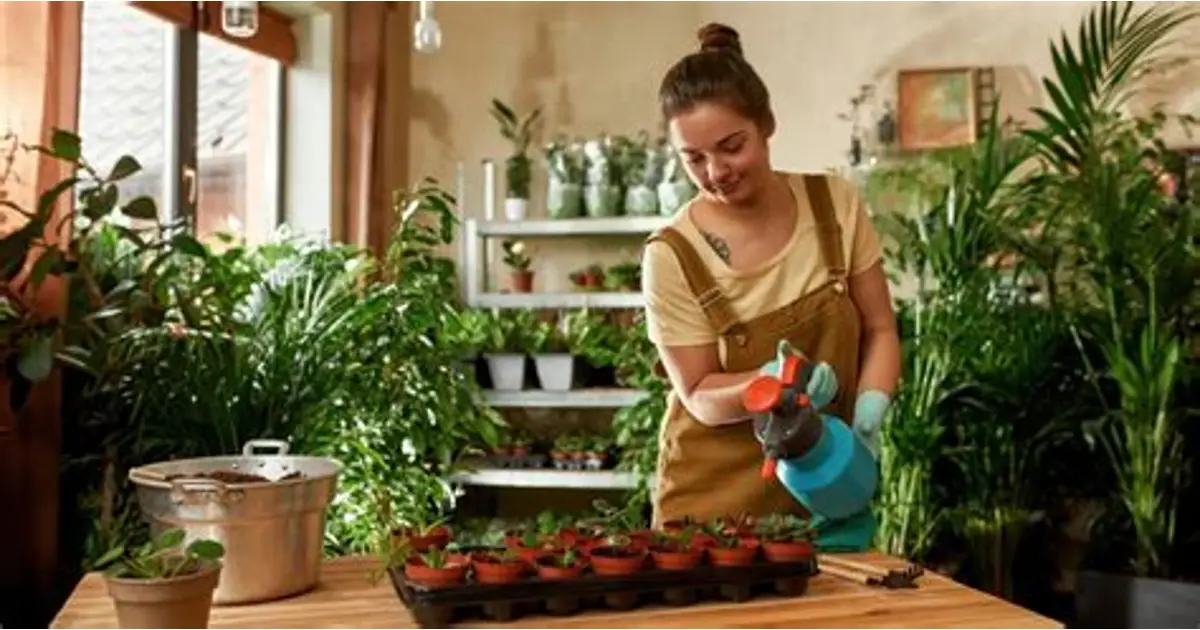
Home food gardening offers a practical way to produce fresh ingredients while making better use of available outdoor or indoor space. Whether you have a large backyard, a small garden, or a few containers, you can grow useful crops with the right planning. Furthermore, growing food at home can encourage healthier eating, reduce dependence on store-bought produce, and provide a rewarding activity for the entire household. You do not need extensive farming experience to get started.
Start With the Right Location
Before planting anything, examine the space available at your home. Most edible crops need sufficient sunlight, reliable water, and suitable soil or growing containers.
Choose an area that receives several hours of sunlight each day. Also, make sure you can reach the plants easily for watering, weeding, harvesting, and pest inspection.
If your yard has limited space, consider:
-
Pots and containers
-
Raised garden beds
-
Vertical planters
-
Hanging baskets
-
Window boxes
-
Small areas beside walls or fences
Using these options allows you to make productive use of limited space.
Choose Crops That Suit Your Conditions
Successful home food gardening starts with selecting crops that match your climate, available space, and experience level. Beginners should avoid planting too many demanding crops at once.
Start with vegetables and herbs that suit your local growing conditions and that your household regularly eats. Leafy greens, herbs, tomatoes, peppers, beans, and other suitable vegetables can provide useful harvests when conditions are favorable.
Think About Your Household’s Needs
There is little value in dedicating most of your garden to food your family rarely consumes. Instead, make a list of ingredients you use regularly.
Prioritize crops that:
-
You enjoy eating
-
Cost more to purchase regularly
-
Grow well in your climate
-
Fit your available space
-
Can be harvested over an extended period
This approach makes the garden more practical and reduces unnecessary waste.
Prepare Healthy Soil
Healthy soil provides plants with nutrients, air, water, and physical support. Before planting, remove weeds and examine the condition of your soil.
Adding mature compost or suitable organic matter can improve soil structure and help support plant growth. However, avoid adding materials that have not decomposed properly because they may introduce pests or create other problems.
If possible, test your soil to understand its pH and nutrient levels. The results can guide you toward appropriate amendments instead of relying on guesswork.
Water Plants Consistently
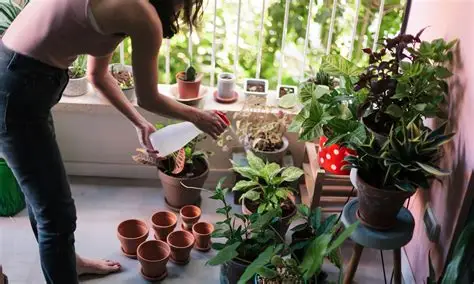
Water management can determine whether a garden succeeds or struggles. Young plants usually require consistent moisture while their roots develop.
Water according to the needs of each crop and local weather conditions. Avoid creating constantly waterlogged soil because excessive moisture can damage roots and encourage disease.
Reduce Water Waste
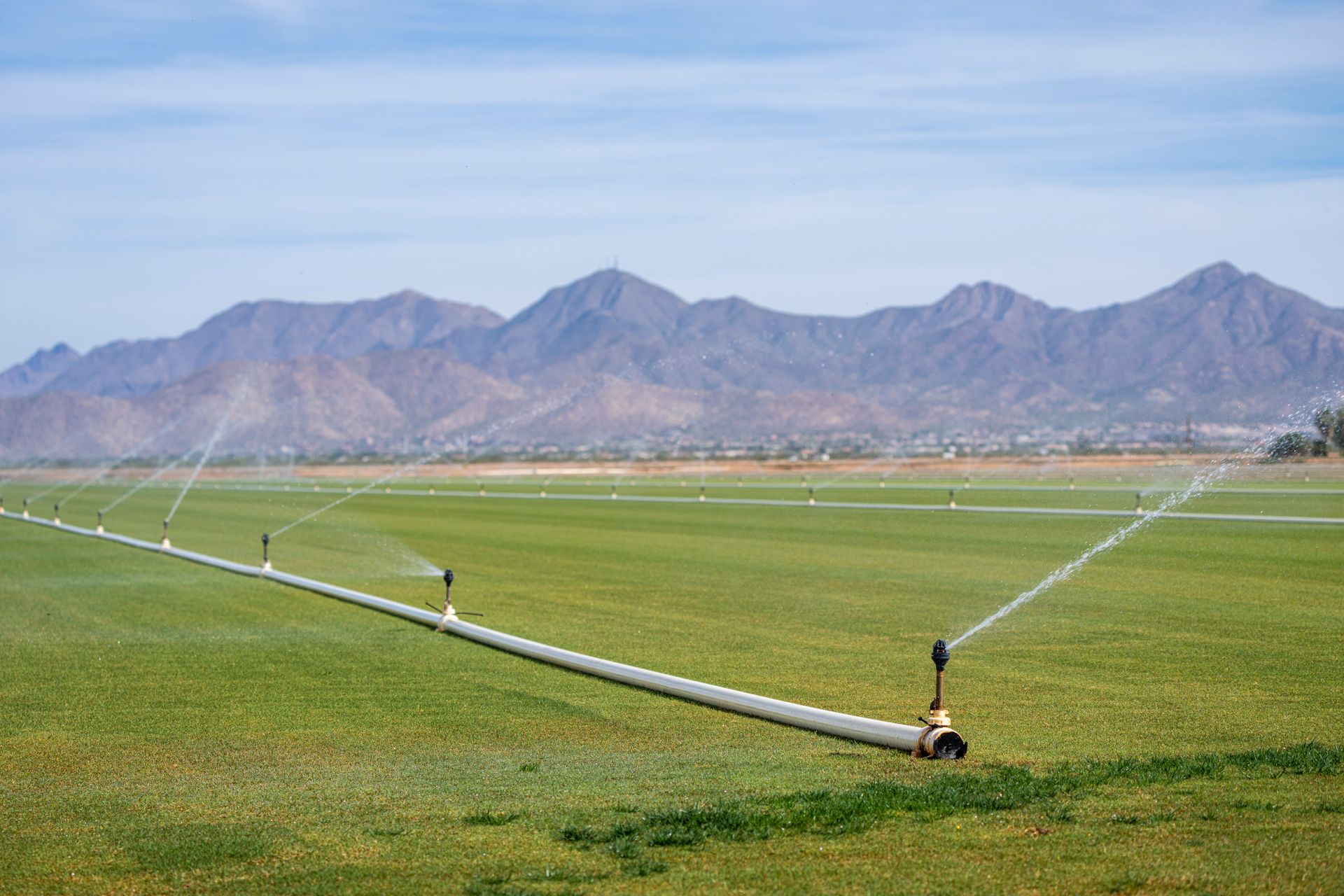
Mulching around plants can help conserve soil moisture and suppress weeds. Watering near the base of plants can also reduce unnecessary evaporation and keep foliage drier.
If your area receives seasonal rainfall, plan planting schedules around expected conditions where practical. This can reduce pressure on household water supplies.
Protect Your Plants From Pests
Pests can quickly damage a small garden. Regular inspection allows you to spot problems before they spread.
Check leaves, stems, flowers, and fruit for insects, holes, discoloration, or other signs of damage. Remove heavily affected plant material when appropriate and use physical barriers where suitable.
Encouraging beneficial insects can also help. Flowering plants can attract organisms that prey on certain harmful pests, creating a more balanced garden environment.
Make the Garden a Learning Experience
One major advantage of home food gardening is the opportunity to learn through direct experience. You can observe how plants respond to different amounts of water, sunlight, nutrients, and care.
Keep a simple gardening journal. Record planting dates, weather conditions, pest problems, harvest quantities, and varieties that perform well.
Over time, these records can help you identify patterns and improve your results.
Harvest at the Right Time
Harvesting correctly can improve both quality and productivity. Different crops reach their best eating stage at different times.
Check plants regularly and harvest produce when it reaches the appropriate maturity. Picking certain vegetables regularly can also encourage plants to continue producing.
Handle harvested food gently to avoid bruising. Once picked, store each crop according to its specific needs.
Save Money and Reduce Waste
Growing food at home can reduce the amount of certain produce you need to purchase. However, gardening also involves costs such as seeds, containers, tools, water, soil amendments, and other supplies.
Therefore, focus on crops that provide good value for your household. Avoid purchasing unnecessary equipment at the beginning.
You can also reduce waste by composting suitable kitchen and garden materials. The resulting compost can return organic matter to the garden and reduce the amount of household waste sent elsewhere.
Get the Whole Family Involved
A home garden can become a shared family project. Children can participate in age-appropriate activities such as planting seeds, watering plants, observing insects, or harvesting vegetables.
These activities can teach responsibility and help children understand where food comes from. Meanwhile, adults can handle tasks requiring tools, heavier equipment, or more specialized knowledge.
Shared gardening can also turn routine household activities into opportunities for learning and cooperation.
Enjoy the Benefits of Home Growing
Ultimately, home food gardening is about more than producing vegetables. It can encourage healthier eating, provide practical skills, make productive use of available space, and create a stronger connection with nature.
You do not need a perfect garden or a large property to begin. Start with a few suitable crops, learn from each growing season, and gradually expand as your confidence increases.
With consistent care, thoughtful planning, and patience, home food gardening can become a rewarding part of everyday life. The first harvest may be modest, but the knowledge and experience gained can help you create a more productive garden year after year.