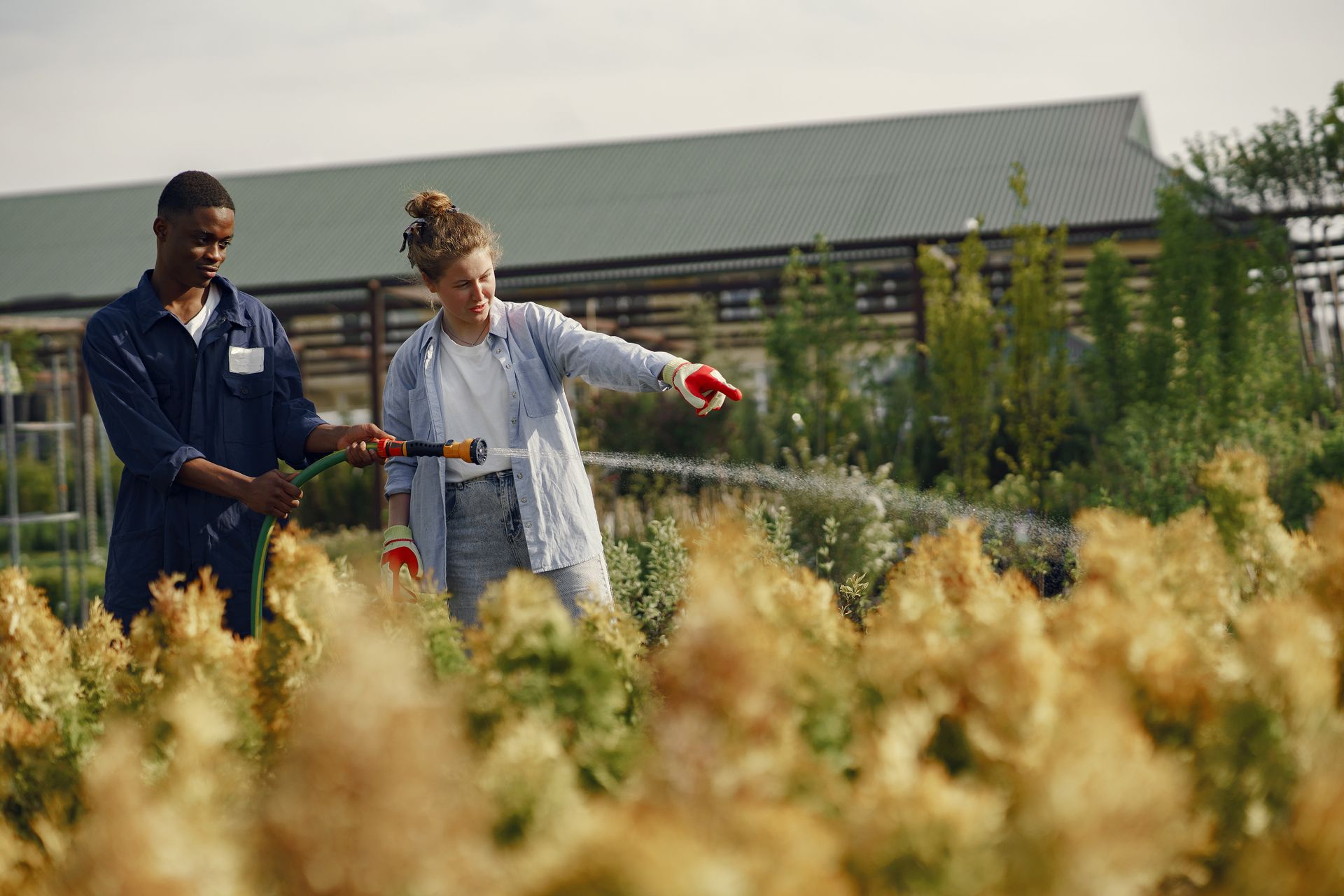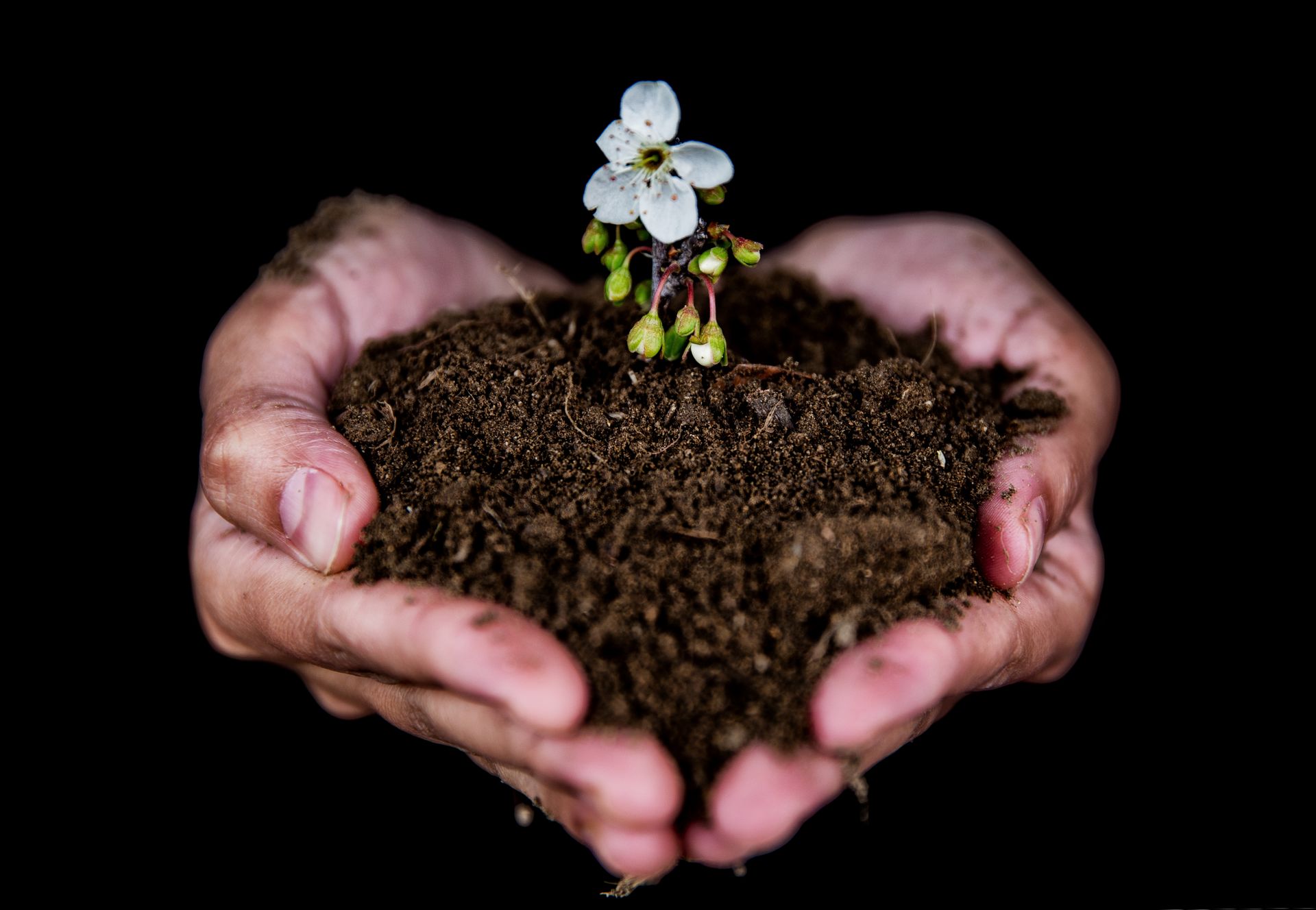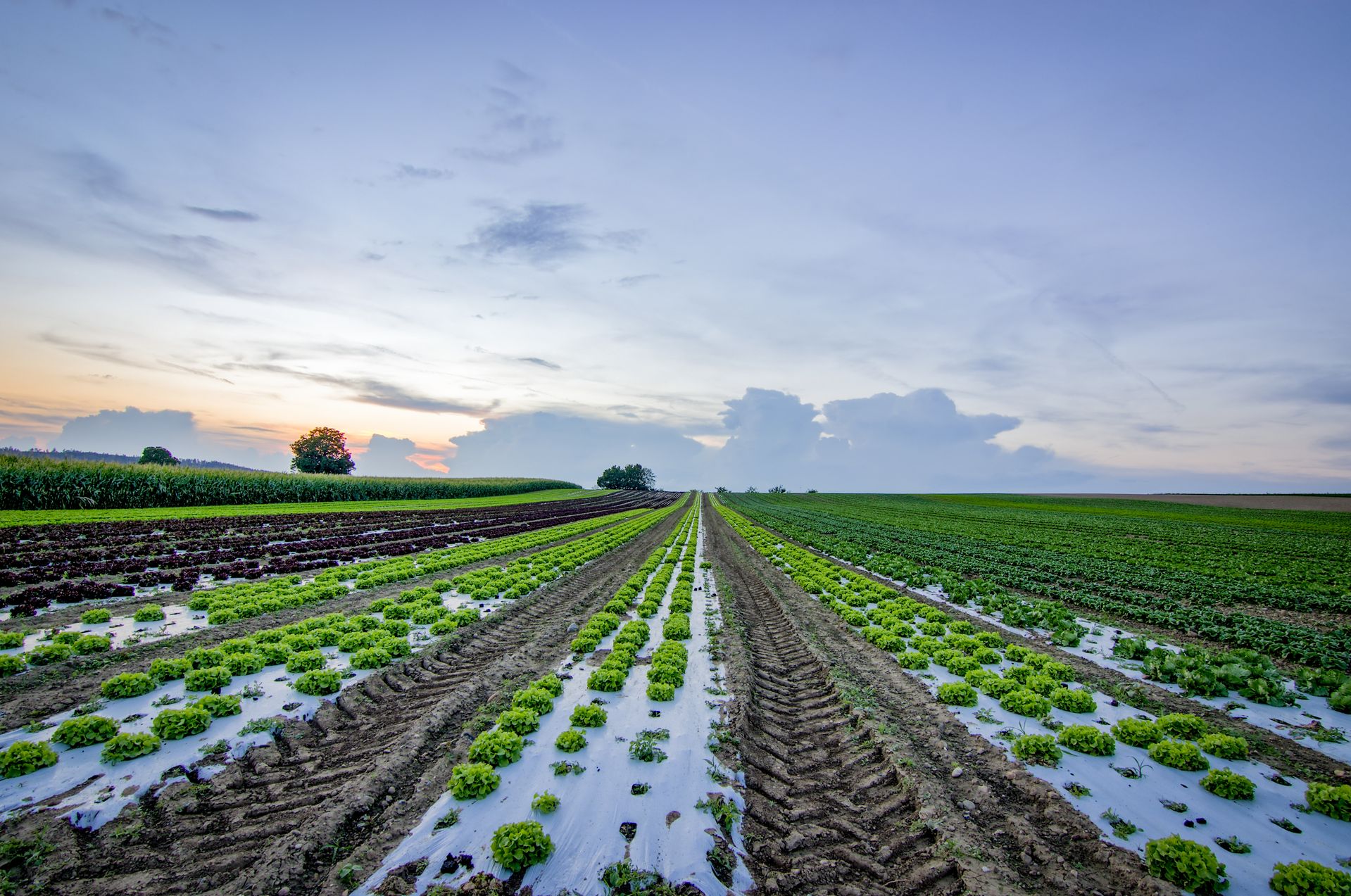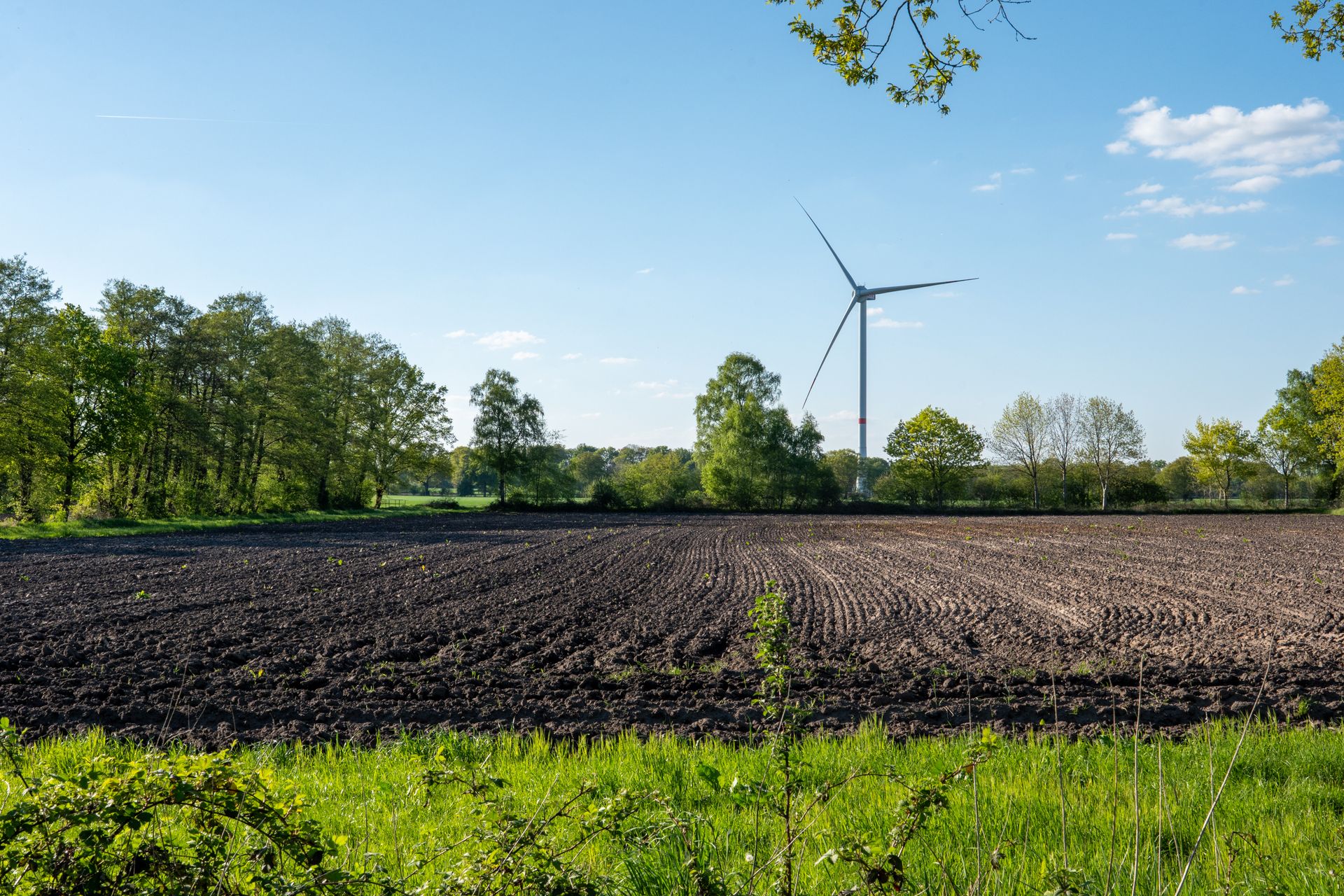



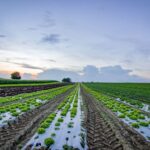

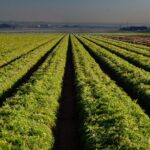


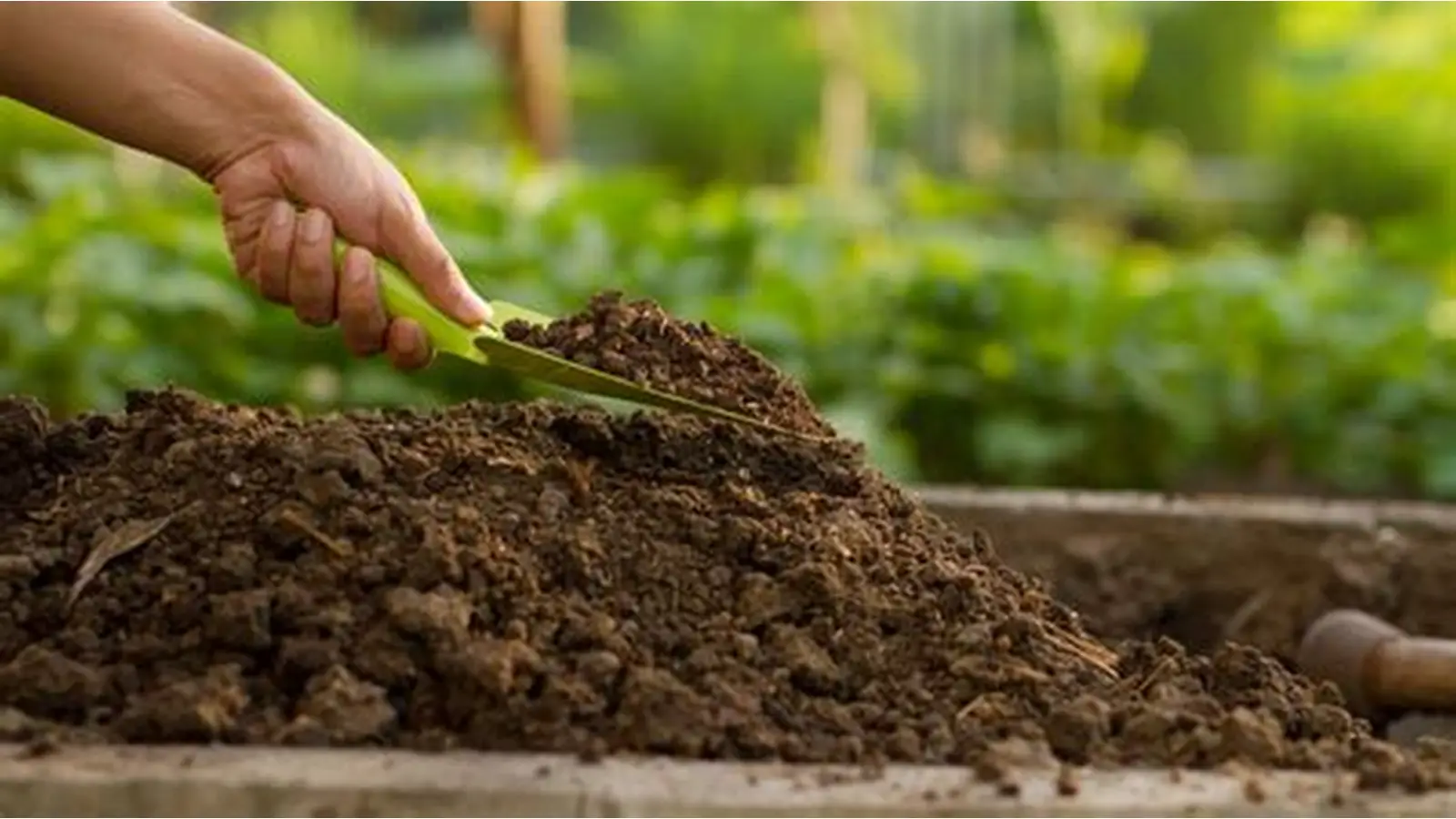
Sustainable composting gives farmers a practical way to turn organic waste into a valuable soil amendment. Instead of allowing crop residues, leaves, animal manure, and suitable food scraps to go to waste, farmers can manage these materials and allow them to decompose. The finished compost can then return nutrients and organic matter to the soil. As a result, composting can support healthier fields while reducing waste and dependence on some external inputs.
Improve Soil Structure
Healthy soil provides the foundation for productive agriculture. Compost adds organic matter that can improve soil structure and create better conditions for plant roots.
In sandy soils, organic matter can help improve moisture retention. In heavier soils, it can contribute to better structure and drainage when managed appropriately.
Farmers should apply mature compost according to soil and crop needs rather than assuming that more compost always produces better results.
Support Beneficial Soil Life
Compost contains organic material that can support diverse soil organisms. Bacteria, fungi, earthworms, and other organisms help break down organic matter and contribute to nutrient cycling.
A biologically active soil can support processes that make nutrients more available to plants. Therefore, regular additions of suitable organic matter can contribute to long-term soil management.
Recycle Farm Waste
Farms generate many organic materials that can become useful compost ingredients. Crop residues, leaves, grass clippings, and properly managed animal manure can all contribute to a composting system.
Instead of burning or discarding these materials, farmers can recycle them into a productive resource.
Common compost ingredients include:
-
Crop residues
-
Dry leaves
-
Grass and plant material
-
Animal manure
-
Vegetable scraps
-
Suitable garden waste
-
Straw and other carbon-rich materials
However, farmers should avoid adding contaminated materials, diseased plant material, or substances that could introduce harmful chemicals into the compost.
Reduce Dependence on External Inputs
Sustainable composting can reduce the amount of certain soil amendments a farm needs to purchase. Farmers can produce compost from materials already available on the property, lowering waste-disposal needs and potentially reducing some input costs.
Compost does not replace every fertilizer requirement. Instead, it works as part of a broader nutrient-management strategy.
Farmers should consider soil tests, crop requirements, and nutrient levels when deciding how much compost to apply.
Improve Water Management
Soil containing adequate organic matter can hold moisture more effectively than severely depleted soil. This characteristic can become especially valuable during periods of limited rainfall.
When compost improves soil structure and water retention, crops may make better use of available moisture. Consequently, farmers may be able to reduce some unnecessary irrigation or improve the effectiveness of rainfall.
Nevertheless, compost cannot compensate for extremely poor irrigation systems or prolonged drought. Farmers should combine soil improvement with other water-conservation practices.
Support Long-Term Soil Fertility
Agriculture removes nutrients from fields whenever farmers harvest crops. If farmers continually remove organic material without returning anything to the soil, soil quality can gradually decline.
Compost provides one way to return organic matter and some nutrients to agricultural land. Over time, this practice can contribute to a more balanced soil-management system.
Use Compost With Crop Rotation
Crop rotation can complement compost application. Different crops have different nutrient demands and root structures, so rotating them can help farmers manage soil fertility more effectively.
Combining rotation, cover crops, compost, and appropriate fertilization creates a more comprehensive approach to soil stewardship.
Reduce Organic Waste
Poorly managed organic waste can create unpleasant odors, attract pests, and contribute to environmental problems. Composting provides a controlled alternative for suitable materials.
A well-managed compost pile needs an appropriate balance of carbon-rich and nitrogen-rich materials, adequate moisture, oxygen, and sufficient time to decompose.
Turn or aerate the pile when necessary to encourage decomposition. Also, protect it from excessive rainfall that could wash nutrients away.
Produce Better Compost
Good compost requires patience. A pile should reach suitable conditions for decomposition before farmers use the finished material around crops.
Mature compost generally has a dark appearance and an earthy smell rather than a strong odor of fresh waste. Large pieces of undecomposed material should have broken down substantially.
Do not rush the process by applying unfinished compost directly where it could interfere with plant growth. Proper decomposition improves its usefulness and reduces potential problems.
Lower the Environmental Footprint
Sustainable composting supports resource efficiency by keeping organic materials within the agricultural cycle. Farmers transform waste into a resource rather than constantly removing materials from the farm and purchasing replacements.
This circular approach can reduce waste while supporting soil management. Furthermore, healthier soils can contribute to better nutrient and water management over time.
The overall environmental benefit depends on how farmers collect, transport, manage, and apply compost. Good management therefore remains essential.
Make Composting Part of Farm Planning
Farmers can integrate composting into regular operations instead of treating it as an occasional activity. Set aside an appropriate area for composting and establish a routine for collecting suitable organic materials.
Keep records of compost production and application where practical. This information can help farmers understand how much material the farm generates and how much finished compost it can produce.
Start with manageable quantities and expand as experience grows.
Build a More Sustainable Farming System
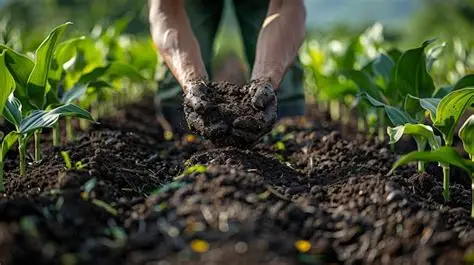
Ultimately, sustainable composting supports agriculture by connecting waste management with soil improvement. It can help recycle organic materials, improve soil structure, support biological activity, conserve moisture, and reduce the need for some purchased inputs.
However, compost works best as part of a broader sustainable farming strategy. Farmers should combine it with responsible water management, crop rotation, erosion control, appropriate fertilization, and careful crop planning.
When managed properly, sustainable composting turns materials that might otherwise become waste into a useful resource for the farm. Over time, this simple practice can contribute to healthier soils, more efficient resource use, and a more resilient agricultural system.