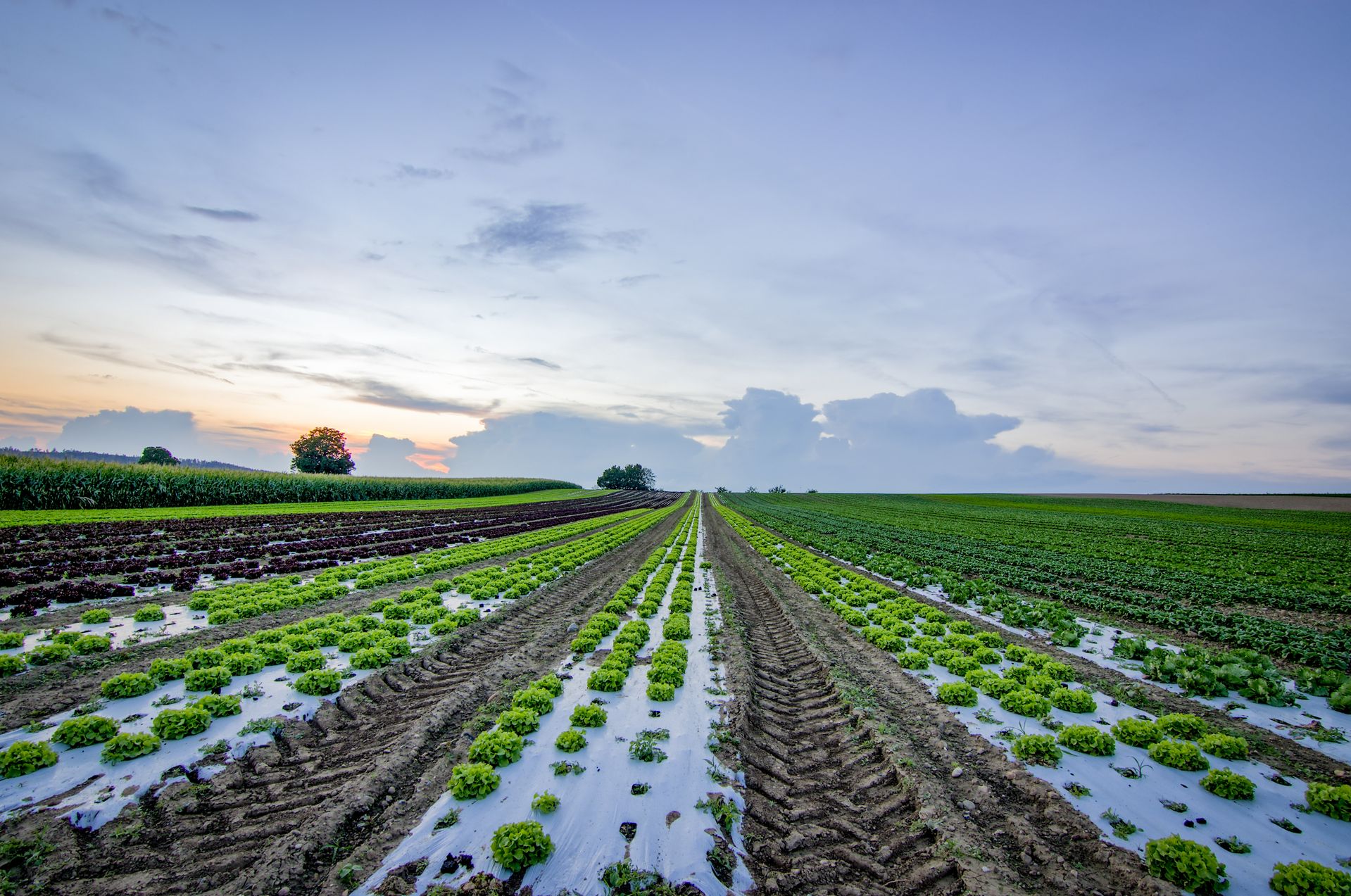
Healthy soil provides the foundation for productive and resilient farming. However, leaving fields bare between main crops can expose soil to erosion, nutrient loss, weeds, and moisture loss. Cover crops offer a practical way to protect the soil during periods when fields would otherwise remain uncovered.
Cover crops are plants grown primarily to benefit the soil rather than for direct harvest. Depending on the species and farming system, they can improve soil structure, reduce erosion, support beneficial organisms, and contribute organic matter.
Understanding how cover crops improve soil health can help farmers choose better strategies for protecting their land over the long term.
What Are Cover Crops?
Cover crops are plants grown between or alongside periods of main crop production.
Unlike cash crops, farmers usually grow cover crops for purposes such as protecting soil, suppressing weeds, improving soil structure, or supporting nutrient cycling.
Common cover crops include grasses, legumes, and mixtures of different plant species.
The best choice depends on the farm’s climate, soil, water availability, crop rotation, and management goals.
Reduce Soil Erosion
One of the most important benefits of cover crops is soil protection.
Bare soil can be vulnerable to wind and water erosion. Heavy rainfall can wash away valuable topsoil, while strong winds can carry exposed soil particles away.
Cover crops provide living vegetation that protects the soil surface.
Their roots also help hold soil particles together.
As a result, farmers can reduce the risk of losing valuable topsoil during periods when their main crops are not growing.
Add Organic Matter
Cover crops can contribute organic matter to the soil.
When roots, leaves, and other plant material decompose, they become part of the soil’s organic material.
Organic matter can improve soil structure and support nutrient cycling.
Over time, regular use of cover crops may help build a more productive soil environment, although the results depend on climate, soil type, crop choice, and management practices.
Improve Soil Structure
Good soil structure allows roots, air, and water to move through the soil.
Cover crop roots can create channels as they grow through the soil.
When those roots die and decompose, they leave behind organic material and pathways that can contribute to improved soil structure.
Different cover crops have different root systems, so farmers can choose species according to their specific soil-management goals.
Support Water Infiltration
Healthy soil needs to absorb and store water effectively.
Cover crop roots and organic matter can improve soil structure and create pathways for water movement.
This can help rainfall enter the soil instead of immediately running across the surface.
Better infiltration can also reduce runoff and erosion.
However, cover crops can use water themselves, so farmers should choose species and planting dates carefully in areas where moisture is limited.
Improve Water Retention
Organic matter can help soil retain moisture.
As cover crops contribute plant material to the soil, they may support improvements in soil structure and water-holding capacity over time.
This can be particularly useful in farming systems that experience irregular rainfall.
Nevertheless, cover crops should not be treated as a guaranteed solution to drought. Their water use must be considered alongside their benefits.
Suppress Weeds
Cover crops can compete with weeds for sunlight, water, nutrients, and growing space.
A dense cover crop can make it more difficult for certain weeds to establish.
Some species may also provide additional weed-suppression effects through shading or other biological interactions.
However, cover crops themselves can become difficult to manage if farmers allow them to produce unwanted seed or fail to terminate them at the appropriate time.
Choose species and termination methods carefully.
Support Soil Microorganisms
Healthy soil contains a diverse community of microorganisms.
Bacteria, fungi, and other organisms help decompose organic material and contribute to nutrient cycling.
Living cover crop roots provide organic compounds and habitat that can support soil biological activity.
Different cover crop species interact with soil organisms in different ways.
Using diverse cover crop mixtures can potentially support a wider range of biological processes, provided the mixture suits the farming system.

Legumes Can Add Nitrogen
Legume cover crops can provide an important nutrient-management benefit.
Plants such as suitable clovers, peas, beans, or other legumes can form relationships with nitrogen-fixing bacteria.
These bacteria convert atmospheric nitrogen into forms that plants can use.
The amount of nitrogen contributed depends on the species, biomass, growing conditions, and management.
Farmers should not assume that every legume cover crop will provide the same amount of usable nitrogen.
Reduce Nutrient Loss
Cover crops can capture nutrients that might otherwise move out of the root zone during periods of rainfall.
Their roots take up available nutrients and temporarily store them in plant tissue.
When the cover crop is appropriately terminated and decomposes, some of those nutrients can become available to subsequent crops.
This process can help improve nutrient cycling and reduce certain forms of nutrient loss.
Protect Soil During the Off-Season
Farm fields can remain vulnerable after a main crop is harvested.
Cover crops provide living vegetation during periods when the soil would otherwise remain exposed.
This protection can be particularly valuable during seasons with heavy rainfall or strong winds.
Planting dates should match local conditions so the cover crop has enough time to establish before adverse weather arrives.
Choose the Right Cover Crop
Not every cover crop works well on every farm.
Consider your climate, soil type, rainfall, available growing period, crop rotation, and equipment.
Farmers should also consider how the cover crop will be terminated and whether it could create pest, disease, or water-management challenges.
For example, a cover crop that grows aggressively may provide excellent ground cover but require more effort to manage before planting the next crop.
Consider Cover Crop Mixtures
Using multiple species can provide several benefits within one planting.
A mixture might combine a grass with a legume or another suitable species.
Different plants have different root structures, nutrient needs, growth patterns, and environmental tolerances.
However, mixtures also require careful planning.
Choose species that can grow successfully together and that fit the timing and management requirements of the following crop.
Manage Cover Crops Properly
Cover crops require management just like other plants.
Monitor their growth and consider how they affect soil moisture, pests, and the next crop.
Terminate them at an appropriate stage using a method suited to your farming system.
Allowing a cover crop to grow too long can create problems with water use, seed production, or planting schedules.
Good management ensures that the cover crop provides benefits without creating unnecessary challenges.
Combine Cover Crops With Other Soil Practices
Cover crops work best as part of a broader soil-health strategy.
Combine them with suitable crop rotation, compost or organic matter management, erosion control, reduced soil disturbance, and responsible nutrient management.
No single practice can solve every soil problem.
Instead, farmers can build a system in which several practices support one another.
Monitor Results Over Time
Soil health changes gradually.
Track crop performance, erosion, soil structure, moisture conditions, weed pressure, and nutrient levels.
Soil testing can provide additional information about pH and nutrient status.
Keep records of cover crop species, planting dates, biomass, termination methods, and results.
After several seasons, these records can help identify which cover crops perform best on your farm.
Final Thoughts
Understanding how cover crops improve soil health starts with recognizing the importance of keeping agricultural soil protected and biologically active.
Cover crops can reduce erosion, contribute organic matter, support soil organisms, improve soil structure, suppress weeds, and help with nutrient and water management.
However, successful cover cropping requires careful species selection and timing. Farmers should consider local climate, soil conditions, water availability, crop rotations, and termination methods.
When managed properly and combined with other soil-health practices, cover crops can become a valuable part of a sustainable farming system and help protect productive farmland for years to come.