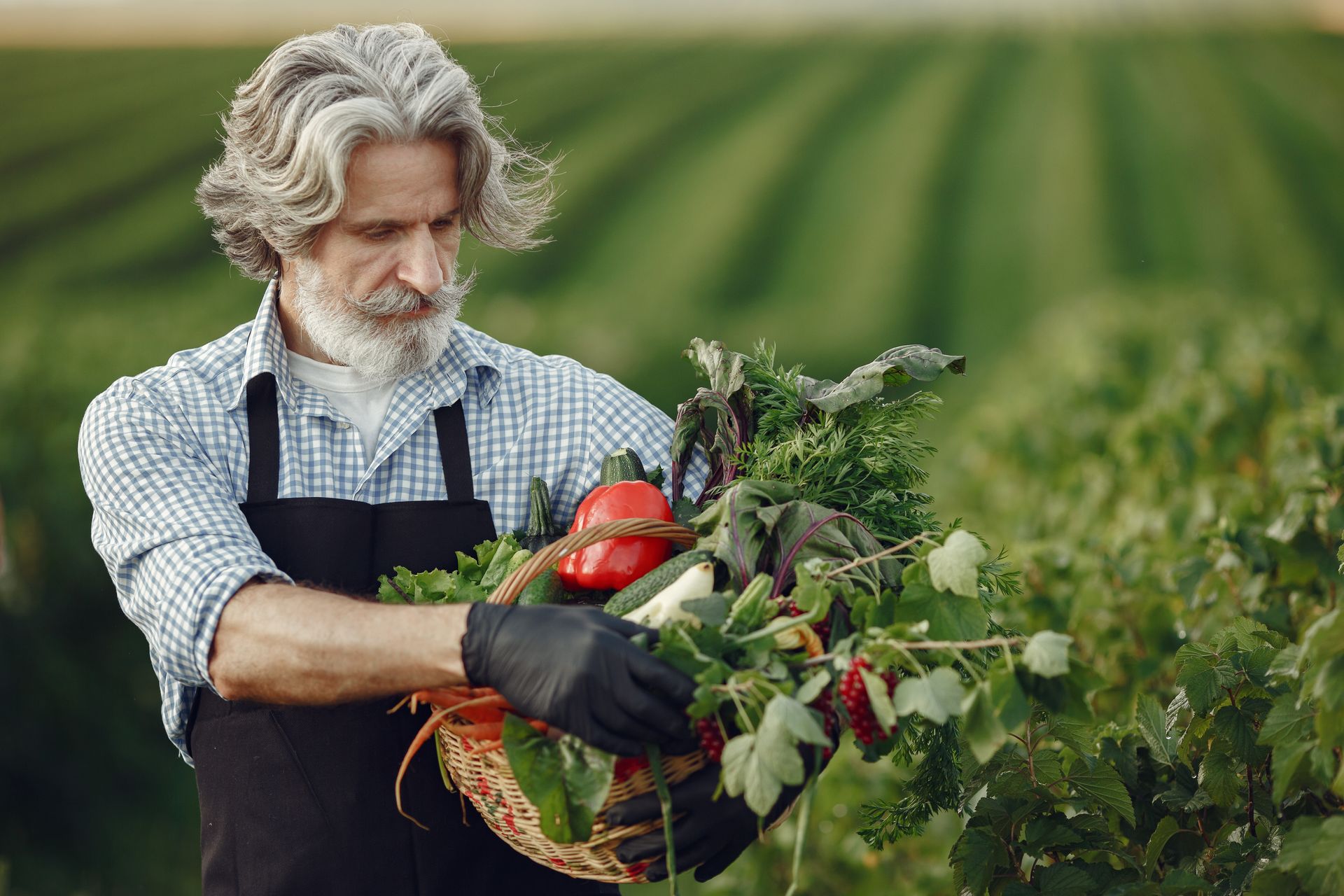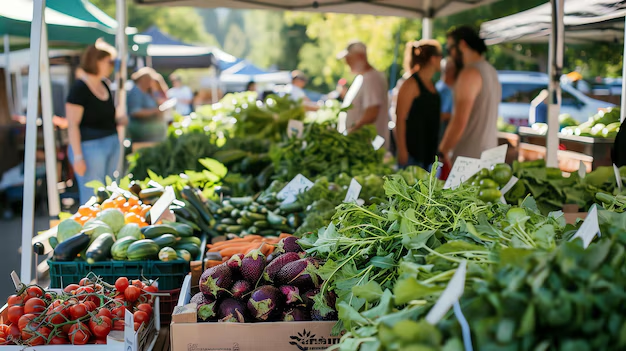
Fresh produce marketing connects farmers with customers who want nutritious fruits, vegetables, herbs, and other farm products. However, bringing produce to market involves much more than harvesting crops and placing them on a stall. Farmers must protect quality, organize transportation, understand customer demand, set appropriate prices, and choose suitable sales channels. Careful planning helps reduce losses and allows growers to earn better returns from their work.
Harvest at the Right Time
The journey to market begins in the field. Farmers need to harvest produce when it reaches the appropriate stage of maturity for its intended market. Some vegetables sell best when they remain tender, while certain fruits need additional time to develop their desired flavor and appearance.
Harvesting during cooler parts of the day can help protect delicate produce from excessive heat. Farmers should also handle crops gently because bruises, cuts, and crushed areas can reduce shelf life and market value.
Protect Produce After Harvest
Once crops leave the field, farmers should move them into suitable conditions as quickly as possible. Heat can accelerate deterioration, while rough handling can damage delicate products.
Farmers can improve quality by:
-
Removing damaged or diseased produce
-
Keeping harvested crops clean
-
Using suitable containers
-
Protecting produce from direct sunlight
-
Separating products according to quality and size
-
Maintaining appropriate storage conditions
These simple steps can make a significant difference, particularly when produce must travel a long distance before reaching customers.
Sort and Grade the Harvest
Sorting allows farmers to separate produce according to size, appearance, maturity, and quality. This process helps customers understand what they are buying and allows farmers to target different markets.
Premium produce may appeal to supermarkets, restaurants, or customers seeking high visual quality. Meanwhile, smaller or imperfect items may work well in local markets, processing businesses, or direct-to-consumer sales.
Consistent grading can also strengthen a farmer’s reputation. Buyers know what to expect when each batch follows a clear quality standard.
Choose the Right Market
Not every market suits every farm. Farmers should consider where customers live, what products they prefer, how much they are willing to pay, and how frequently they purchase.
Common sales channels include:
-
Local open markets
-
Roadside stalls
-
Farm shops
-
Supermarkets and grocery stores
-
Restaurants and hotels
-
Wholesalers
-
Community-supported agriculture programs
-
Direct sales through online platforms
Before committing to a buyer, farmers should compare prices, payment terms, volume requirements, transportation needs, and quality expectations.
Plan Transportation Carefully
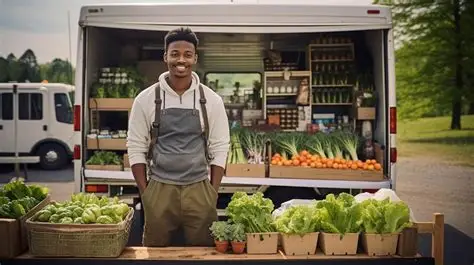
Transportation represents an important part of fresh produce marketing because poor handling during delivery can undo careful work in the field.
Farmers should select vehicles that can carry produce securely without excessive crushing or exposure to heat. Stack containers carefully and avoid placing heavy items on delicate crops.
For highly perishable products, shorter transport times can help maintain quality. Farmers should also plan routes in advance and coordinate delivery times with buyers.
Set Prices Strategically
Pricing requires a balance between production costs, market conditions, customer demand, and competition. Farmers should calculate the cost of producing and delivering each crop before deciding on a selling price.
Keep track of expenses such as:
-
Seeds and planting materials
-
Fertilizer and crop protection
-
Irrigation
-
Labor
-
Packaging
-
Storage
-
Transportation
-
Market fees
Farmers should then compare these costs with expected revenue. A high selling price does not necessarily produce a strong profit if production and distribution costs remain excessive.
Build Relationships With Buyers
Reliable buyers can become valuable long-term partners. Farmers should communicate clearly about quantities, delivery schedules, product quality, and prices.
Consistency matters. Delivering clean, well-sorted produce on time can encourage buyers to place repeat orders. At the same time, farmers should maintain realistic commitments and communicate quickly when weather or production problems affect supply.
Strong relationships can also provide useful market information. Buyers may reveal which products customers prefer, which sizes sell fastest, or when demand typically increases.
Reduce Post-Harvest Losses
A significant portion of agricultural income can disappear when produce spoils before reaching customers. Therefore, reducing post-harvest losses should remain a priority.
Farmers can improve results by matching harvest volumes to expected demand. Better packaging, careful handling, appropriate storage, and faster transportation can further protect quality.
Planning production around reliable market information can also prevent farmers from growing large quantities of crops that have limited demand.
Use Marketing to Tell the Farm’s Story
Customers increasingly want to know where their food comes from. Farmers can use simple signs, labels, social media, or direct conversations to explain how and where they grow their products.
Information about harvest dates, growing practices, farm location, or product varieties can make direct sales more engaging. Attractive but honest presentation can also help fresh products stand out among competing options.
Turn Harvests Into Sustainable Sales
Successful fresh produce marketing depends on coordination from the field to the final customer. Farmers must protect quality, understand their markets, control costs, and deliver products efficiently.
The process becomes easier when farmers keep accurate records. Track harvest quantities, selling prices, rejected produce, transportation expenses, and customer preferences. These records can reveal which products and markets generate the strongest returns.
Ultimately, fresh produce marketing is about creating value at every stage. A farmer who harvests carefully, handles produce properly, chooses buyers wisely, and responds to customer demand can reduce waste and improve profitability. With consistent planning and strong market relationships, fresh produce can move from farm to customer efficiently while preserving the quality that makes it valuable.