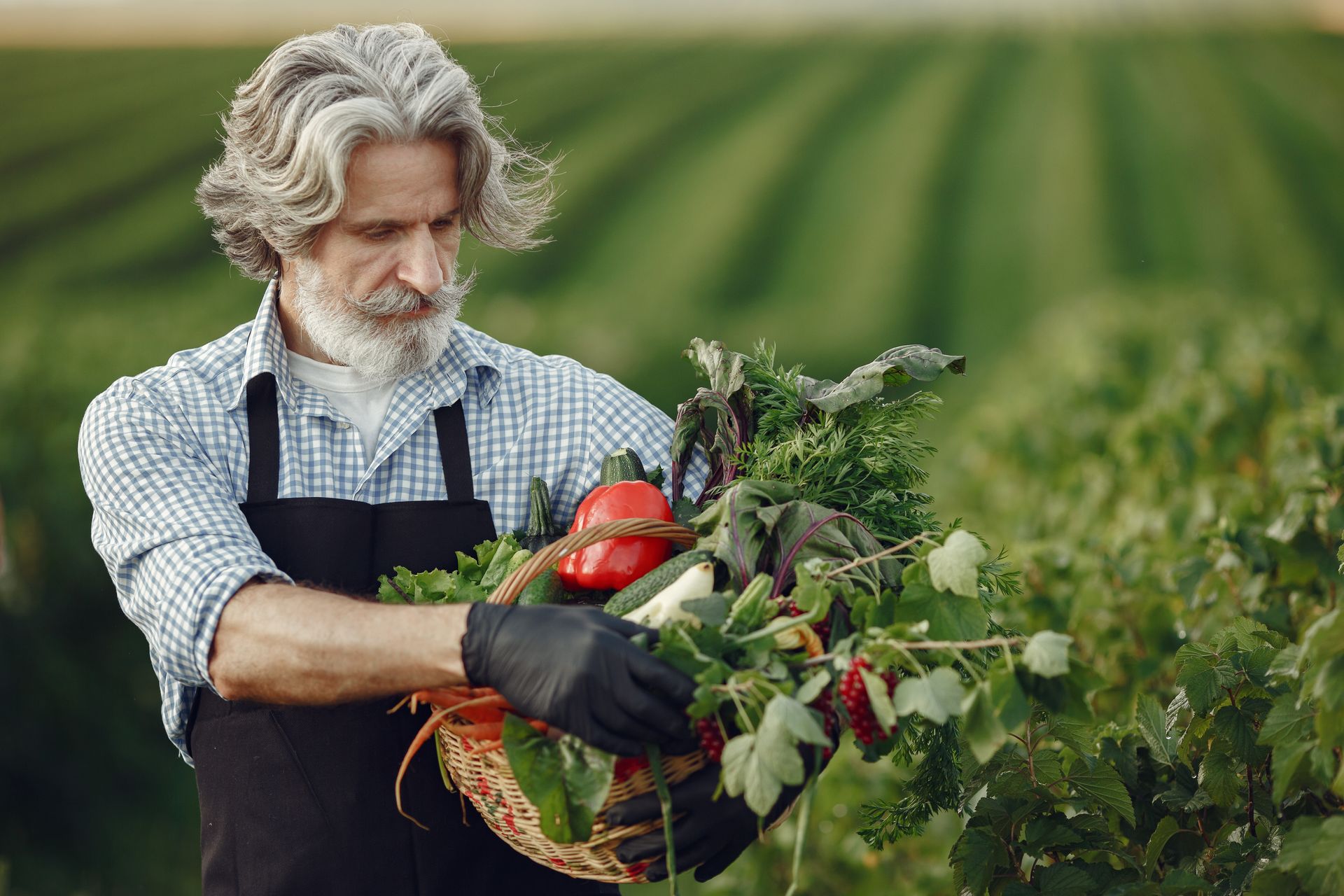
Producing high-quality fruits and vegetables requires more than planting seeds and waiting for harvest. Farmers carefully manage soil, water, nutrients, pests, weather, and harvesting practices to help crops reach their full potential.
Quality can influence everything from flavor and appearance to shelf life and market value. Therefore, farmers need a complete approach that supports crops from planting through harvest.
Understanding how farmers grow better quality produce can help consumers appreciate the work behind fresh food and help new growers improve their own farming practices.
Start With Healthy Soil
Healthy soil provides the foundation for strong crop growth. It supplies plants with nutrients, supports roots, stores water, and provides an environment for beneficial organisms.
Farmers can improve soil health by adding suitable organic matter, using compost, planting cover crops, rotating crops, and reducing unnecessary soil disturbance.
Before adding fertilizers or amendments, farmers should understand their soil conditions. Soil testing can provide useful information about nutrient levels and pH.
Consequently, farmers can make more informed decisions about what their crops actually need.
Choose Quality Seeds
Good production starts with appropriate planting material.
Farmers should choose seeds or planting materials that are suitable for the local climate, soil, growing season, and intended market.
Some varieties may offer better disease resistance, while others may provide desirable flavor, texture, size, or storage characteristics.
Furthermore, farmers should obtain seeds from reputable sources and store them under suitable conditions.
High-quality seeds can improve germination and help establish a more uniform crop.
Plant at the Right Time
Timing can have a major effect on crop quality.
Farmers consider temperature, rainfall, soil conditions, day length, and expected growing-season conditions when deciding when to plant.
Planting too early can expose young crops to unfavorable temperatures, while planting too late may cause crops to mature during difficult weather.
Therefore, farmers should combine local growing knowledge with reliable seasonal information when developing planting schedules.

Provide the Right Nutrients
Plants need a balanced supply of nutrients to grow properly. However, more fertilizer does not automatically mean better crops.
Excessive nutrients can create environmental problems and may negatively affect plant growth or crop quality.
Farmers can use soil tests, crop requirements, and professional recommendations to develop appropriate nutrient-management plans.
Organic materials such as compost and properly managed manure can also contribute nutrients and improve soil properties.
The goal is to provide plants with what they need without creating unnecessary waste.
Manage Water Carefully
Water is essential for crop growth, but both drought and excessive moisture can reduce quality.
Farmers monitor soil moisture and crop conditions to determine when irrigation is needed.
Efficient irrigation systems can deliver water where plants need it while reducing unnecessary runoff and evaporation.
At the same time, farmers need adequate drainage to prevent prolonged waterlogging.
Good water management helps plants maintain steady growth and can reduce stress during critical development stages.
Control Weeds Early
Weeds compete with crops for sunlight, water, nutrients, and space.
If farmers allow weeds to become established, they can become difficult and expensive to control.
Therefore, farmers monitor fields regularly and manage weeds while they are still small.
Depending on the farming system, growers may use mulches, cultivation, hand weeding, cover crops, crop rotation, or other appropriate approaches.
Early control can reduce competition and help crops develop more uniformly.
Monitor and Manage Pests
Insects and other pests can damage leaves, stems, roots, flowers, and fruit. However, farmers do not always need to treat crops at the first sign of an insect.
Instead, regular monitoring helps farmers identify problems early and determine whether pest populations require action.
Integrated pest management can combine crop rotation, resistant varieties, biological controls, physical barriers, sanitation, and appropriate treatments.
This approach can help protect crops while reducing unnecessary intervention.
Protect Crops From Disease
Plant diseases can reduce both yield and quality. Farmers can lower disease risks by choosing suitable varieties, maintaining good field hygiene, managing irrigation, and providing adequate plant spacing.
Good airflow around plants can reduce prolonged leaf wetness in some production systems.
Crop rotation can also help reduce the buildup of certain crop-specific diseases.
When disease symptoms appear, farmers should identify the problem accurately before choosing a management strategy.
Give Plants Enough Space
Proper spacing allows plants to access sunlight, water, nutrients, and air.
Overcrowded crops may compete with each other and can create humid conditions that encourage certain diseases.
However, excessive spacing can also reduce efficient use of land.
Farmers therefore follow spacing recommendations based on crop variety, growing conditions, and production goals.
Harvest at the Right Time
Even a well-grown crop can lose quality if harvested at the wrong stage.
Farmers consider maturity, size, color, firmness, moisture, and intended market when determining harvest timing.
Some crops should be harvested when fully mature, while others need to be picked earlier so they can finish ripening during transportation or storage.
Harvesting at the appropriate stage can improve flavor, appearance, shelf life, and marketability.
Handle Produce Carefully
Post-harvest handling can make a significant difference.
Bruising, cuts, excessive heat, and poor storage conditions can cause produce to deteriorate quickly.
Farmers should handle harvested crops gently and use suitable containers. Where necessary, they should cool, clean, sort, grade, package, or store produce according to the crop’s requirements.
Quick and careful handling helps maintain quality from the field to the customer.
Keep Farm Records
Successful farmers learn from each growing season.
Record planting dates, varieties, fertilizer applications, irrigation schedules, pest problems, weather conditions, harvest dates, yields, and crop quality.
These records can reveal which practices produce the best results.
For example, a farmer may discover that one variety consistently performs better under local conditions or that changing the planting date improves crop quality.
Listen to Customers and Markets
Quality depends partly on what customers value.
Some buyers may prioritize flavor, while others may focus on size, appearance, shelf life, or specific varieties.
Farmers who sell directly to consumers can ask customers for feedback and adjust production accordingly.
Understanding market preferences can help farmers grow products that meet demand instead of producing crops without a clear market.
Final Thoughts
Learning how farmers grow better quality produce involves careful management at every stage of production. Healthy soil, quality seeds, appropriate planting times, balanced nutrition, efficient irrigation, pest management, and proper harvesting all contribute to better results.
However, producing high-quality food does not depend on one technique. Farmers achieve better results by combining good agricultural practices and monitoring their crops throughout the growing season.
By paying attention to soil health, plant needs, weather conditions, harvest timing, and customer preferences, farmers can produce healthier, more appealing crops while improving the efficiency and profitability of their farms.