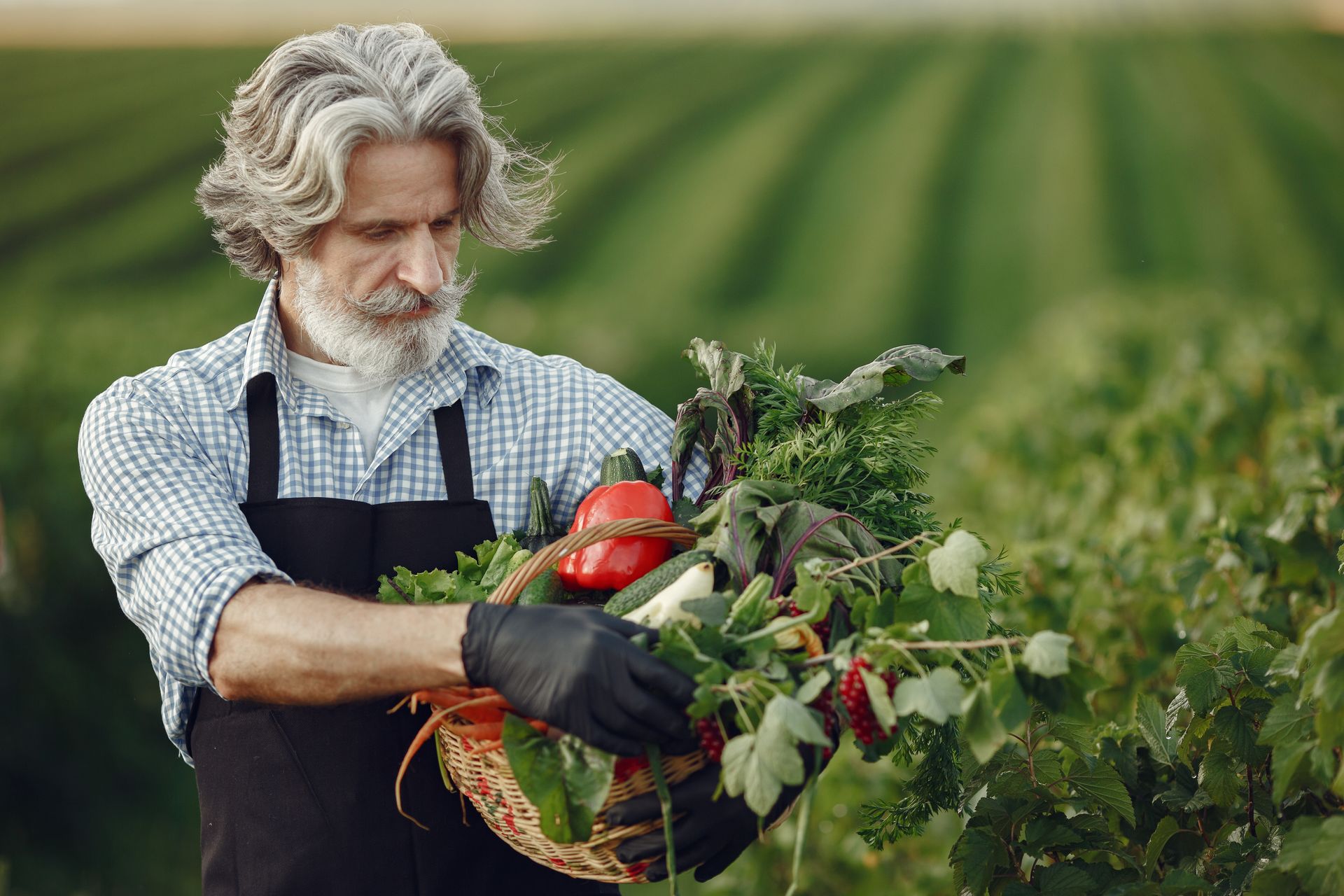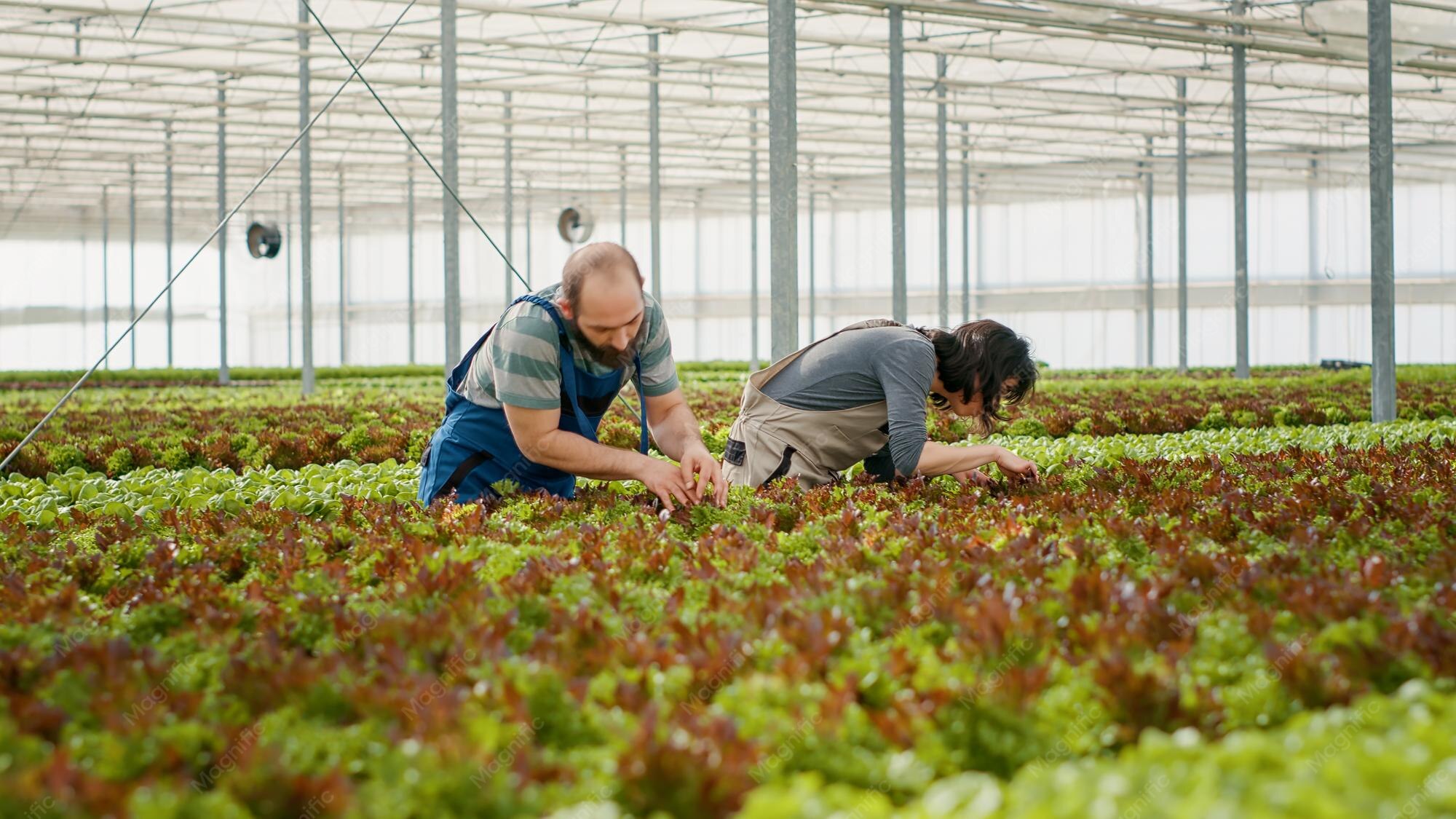
Produce quality management begins long before fruits and vegetables reach a market or kitchen. Farmers must protect crops from damage, contamination, moisture loss, and temperature changes throughout the production process. Even high-quality crops can deteriorate quickly when farmers harvest them at the wrong time or handle them carelessly. Therefore, maintaining quality requires attention at every stage, from the field to storage and transportation.
Start With Healthy Crops
Farmers cannot maintain excellent quality if crops begin with poor growing conditions. Healthy plants are more likely to produce attractive, nutritious, and durable harvests.
Farmers monitor soil fertility, water availability, pests, diseases, and weather conditions throughout the growing season. They also select suitable crop varieties based on local conditions and market requirements.
Proper irrigation plays an important role as well. Too little water can cause crops to become small or stressed, while excessive moisture can encourage disease and reduce quality. By maintaining balanced growing conditions, farmers create a stronger foundation for the final harvest.
Harvest at the Right Time
Timing can make a major difference in produce quality management. Farmers need to understand the maturity characteristics of each crop before harvesting it.
Some fruits should reach a particular stage of maturity before picking, while certain vegetables are best harvested while they remain young and tender. Harvesting too early can affect flavor, size, and texture. On the other hand, harvesting too late can result in overripe or damaged produce.
Farmers often consider several factors before harvesting, including:
-
Color and appearance
-
Size and firmness
-
Flavor and maturity
-
Weather conditions
-
Expected storage period
-
Customer or market requirements
Harvesting during cooler parts of the day can also help reduce heat buildup in certain crops.
Handle Crops With Care
Fresh produce can suffer damage from rough handling. Bruises, cuts, punctures, and crushed areas may reduce appearance and create opportunities for microorganisms to cause decay.
For this reason, workers should handle harvested crops carefully. Containers should be suitable for the type of produce being collected, and farmers should avoid overfilling them.
Harvest tools also need regular cleaning and maintenance. Sharp, appropriate tools can help farmers make clean cuts without causing unnecessary damage.
Keep Harvest Containers Clean
Clean containers help reduce contamination. Farmers should inspect crates, baskets, bins, and other harvesting equipment regularly.
Reusable containers should be cleaned according to appropriate food-safety practices before they are used again. Keeping dirty equipment away from harvested crops is a simple but important step toward protecting quality.
Control Temperature and Moisture
Temperature strongly influences how quickly many fruits and vegetables deteriorate. Heat can accelerate respiration and moisture loss, reducing freshness over time.
Consequently, farmers may use shade, cooling systems, ventilation, or refrigerated storage depending on the crop and available resources.
Moisture also requires careful management. Excess moisture can encourage mold and decay, while excessive dryness can cause produce to lose water and become limp or shriveled.
Farmers therefore need to understand the storage requirements of individual crops rather than applying one method to everything.
Sort and Grade Produce
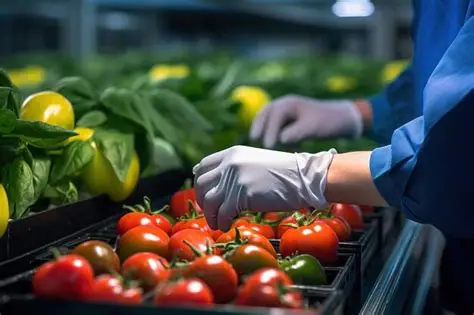
After harvesting, farmers often inspect crops for damage and separate them according to quality, size, maturity, or intended market.
Sorting removes produce that is severely damaged or spoiled before it affects healthy items. Grading also helps farmers meet specific buyer requirements.
For example, premium produce may go to fresh markets, while items with minor cosmetic imperfections may be suitable for processing or other uses.
This approach can reduce waste while ensuring that customers receive products that match their expectations.
Protect Produce During Storage
Proper storage extends the useful life of harvested crops. Farmers need to consider temperature, humidity, ventilation, cleanliness, and storage duration.
Storage areas should remain clean and organized. Farmers should inspect stored produce regularly and remove damaged items when necessary.
Furthermore, different crops may require different storage conditions. Some products need cool environments, while others can suffer damage when exposed to excessively low temperatures.
Understanding these differences helps farmers make better storage decisions.
Maintain Quality During Transportation
Transportation presents another challenge. Produce may travel long distances before reaching consumers, so farmers must protect it from heat, vibration, compression, and contamination.
Appropriate packaging can prevent products from shifting excessively during transport. Vehicles should also be clean and suitable for carrying agricultural products.
Whenever possible, farmers should minimize unnecessary delays between harvesting, packing, and delivery. Faster movement can help preserve freshness and reduce losses.
Follow Good Hygiene Practices
Clean working conditions are essential for produce quality management. Farmers and workers should maintain appropriate personal hygiene and keep harvesting, packing, and storage areas clean.
Water used during post-harvest handling should also meet appropriate safety requirements. Equipment and surfaces that come into contact with produce should receive proper attention.
Additionally, workers should avoid handling fresh produce when they are not fit to work safely around food. Simple hygiene practices can reduce contamination risks throughout the supply chain.
Monitor Quality From Field to Market
Maintaining quality is not a single task completed after harvesting. Farmers should monitor produce throughout its journey.
Regular inspections can identify bruising, decay, dehydration, temperature problems, or packaging damage before losses become extensive. Farmers can then adjust storage or transportation practices when necessary.
Keeping accurate records can also help. Farmers can document harvest dates, storage conditions, transportation times, and quality issues. Over several seasons, these records can reveal patterns and help improve future practices.
Reduce Waste Through Better Planning
Farmers can improve produce quality management while also reducing waste by planning production around market demand. Growing more than buyers can absorb may result in significant losses, especially for highly perishable crops.
Farmers can explore several markets, stagger planting dates, improve storage capacity, or work with processors when appropriate. These strategies provide more options when harvest volumes are high.
Ultimately, maintaining quality requires consistency. Farmers must protect crops from the moment they begin growing until they reach their destination. Careful harvesting, gentle handling, proper storage, clean equipment, suitable transportation, and regular inspections all contribute to better results.
When farmers combine these practices, they can preserve freshness, reduce unnecessary losses, satisfy buyers, and deliver better products to consumers. Produce quality management is therefore not simply about appearance; it is a continuous process that protects the value of every harvest.