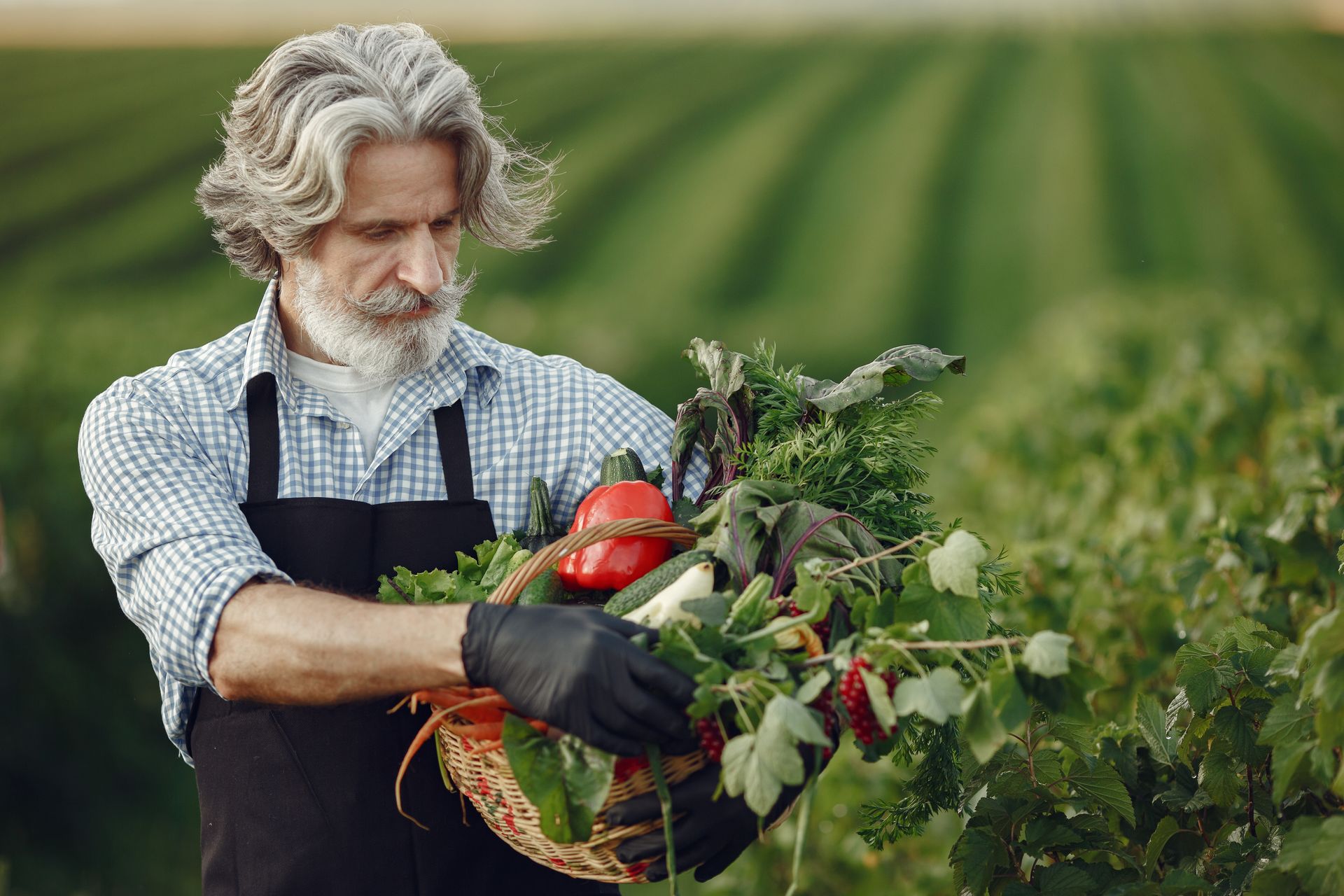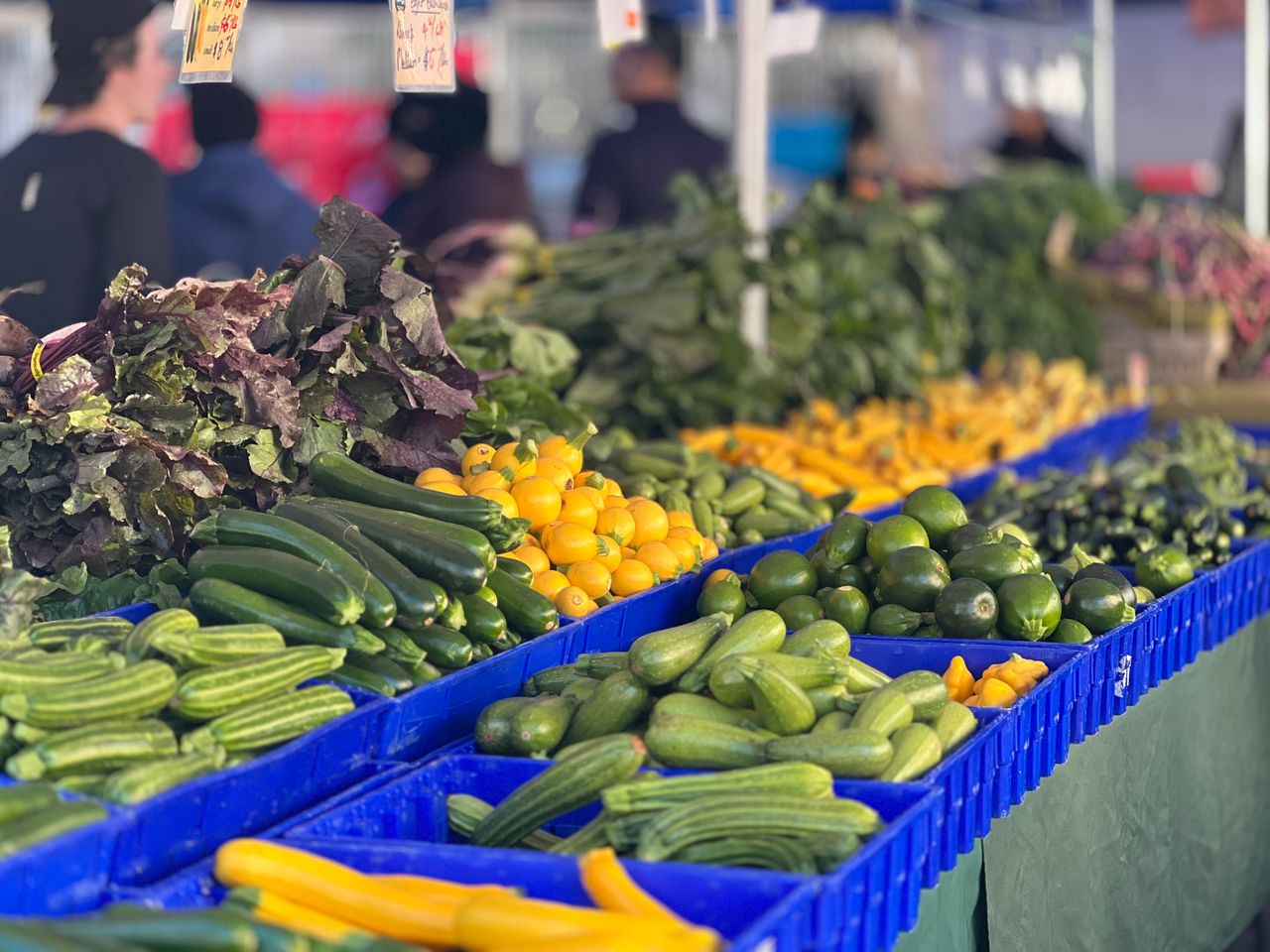
Fresh fruits and vegetables often travel through several stages before they reach a kitchen. Farmers grow and harvest crops, while workers, transporters, distributors, retailers, and consumers all play important roles in moving food from fields to tables.
The journey can be short when consumers buy directly from local farms, or it can involve multiple steps when produce travels long distances.
Understanding how fresh produce gets from farm to table provides a better appreciation of agriculture and the work required to keep food fresh throughout the supply chain.
Planting and Growing the Crop
The journey begins long before produce reaches a market.
Farmers select suitable crops and varieties based on soil conditions, climate, available water, expected harvest periods, and customer demand.
After preparing the soil, farmers plant seeds or seedlings and manage the crop throughout the growing season.
They monitor plants for weeds, pests, diseases, water stress, and nutrient requirements.
Good crop management helps plants develop healthy roots, leaves, flowers, and fruit.
Caring for Crops
Once crops begin growing, farmers provide ongoing care.
Irrigation may supply water when rainfall is insufficient. Farmers may also use appropriate nutrient-management practices to support healthy plant development.
At the same time, farmers monitor pests and diseases. Depending on the farming system, they may use crop rotation, biological controls, physical barriers, cultivation, or other suitable management methods.
Weather also plays an important role. Farmers must adapt to changes in temperature, rainfall, wind, and other conditions throughout the growing season.
Determining Harvest Time
Farmers must decide when crops are ready for harvest.
Harvest timing depends on the crop, variety, intended market, and expected transportation or storage period.
Some fruits should reach a particular stage of maturity before harvesting, while others can continue ripening after they leave the farm.
Vegetables also have specific harvest indicators. Farmers may consider size, color, firmness, moisture, or other characteristics.
Harvesting at the right time can help preserve quality and reduce losses.
Harvesting the Produce
Once a crop reaches the appropriate stage, workers harvest it by hand or with machinery.
The method depends on the crop and scale of the farm.
Delicate fruits and vegetables may require careful hand harvesting to prevent bruising. Larger field crops may be harvested mechanically.
During harvesting, workers often remove damaged or unsuitable products.
Careful handling at this stage helps protect produce during the rest of its journey.
Sorting and Grading
After harvest, farmers or workers may sort and grade the produce.
Sorting removes damaged, spoiled, or unsuitable items. Grading separates products according to factors such as size, appearance, maturity, or quality.
Not every crop follows the same grading system.
Produce that does not meet certain appearance standards may still be suitable for processing or direct sale.
Consequently, grading does not necessarily determine whether food is edible. It often reflects the requirements of a particular market.
Cleaning and Packing
Depending on the crop and market, produce may be cleaned, washed, cooled, or otherwise prepared before packaging.
Packaging protects food from physical damage and helps make transportation more efficient.
Different crops require different packaging methods. Some need ventilated containers, while others require protection from moisture loss or excessive humidity.
Proper packaging can help maintain quality during transportation.
Cooling and Storage
Temperature management can be critical for many fresh fruits and vegetables.
Some crops benefit from rapid cooling after harvest because lower temperatures can slow deterioration.
However, not every crop should be stored at the same temperature. Certain tropical and subtropical products can experience quality problems when exposed to excessively cold conditions.
Farmers, distributors, and retailers therefore need to understand the storage requirements of each crop.
Transportation
After packing and storage, produce moves toward its destination.
Local farmers may transport products directly to nearby markets, restaurants, shops, or consumers.
Larger supply chains may involve trucks, warehouses, distribution centers, and other facilities.
Transportation should protect produce from excessive heat, physical damage, and unsuitable environmental conditions.
Shorter transportation routes can reduce travel time, but handling practices remain important regardless of distance.
Distribution and Retail
Produce may pass through wholesalers, distributors, supermarkets, grocery stores, restaurants, or other businesses before reaching consumers.
Distribution centers can organize large quantities of food and send them to different locations.
Retailers then display products for customers.
During this stage, stores need to maintain suitable storage conditions and remove damaged or spoiled produce.
Good inventory management can help ensure that older products are sold or used before newer shipments.
Farmers Markets and Direct Sales
Not all produce follows a long supply chain.
Farmers markets, farm stands, community-supported agriculture programs, and direct farm deliveries can connect consumers more closely with producers.
In these systems, farmers may harvest produce shortly before selling it.
This shorter route can reduce the time between harvest and consumption.
Consumers can also speak directly with farmers and learn about harvest dates, varieties, and growing practices.
The Final Journey Home
Once consumers purchase fresh produce, they become responsible for the final stage of the journey.
Transport produce home carefully and avoid exposing delicate foods to excessive heat.
Once home, store each product according to its specific requirements.
Some fruits and vegetables benefit from refrigeration, while others maintain better quality at room temperature.
Proper home storage can significantly extend the useful life of fresh produce.
Reducing Food Waste Along the Way
Food can be lost at almost every stage of the supply chain.
Weather, pests, disease, harvesting damage, transportation problems, poor storage, and consumer behavior can all contribute to waste.
Farmers and food businesses can reduce losses through careful planning, suitable storage, efficient transportation, and better use of products that do not meet cosmetic standards.
Consumers can help by buying realistic quantities and using produce before it deteriorates.
Technology and Modern Farming
Technology increasingly supports the journey from farm to table.
Farmers can use weather information, irrigation systems, crop-monitoring tools, storage technology, and other methods to improve production and quality.
Transportation and distribution businesses can also use tracking and temperature-monitoring systems to manage perishable products.
These technologies can help reduce losses and improve efficiency when used appropriately.
Why the Farm-to-Table Journey Matters
Understanding the journey of produce helps consumers appreciate how much work goes into everyday food.
A single tomato, carrot, apple, or bunch of leafy greens may involve farmers, harvest workers, packers, drivers, distributors, retailers, and many others before reaching a kitchen.
Each stage can influence freshness, quality, price, and food safety.
Therefore, responsible handling throughout the supply chain benefits everyone.
Final Thoughts
Learning how fresh produce gets from farm to table reveals a complex journey that begins with planting and continues through crop care, harvesting, sorting, packing, storage, transportation, retail, and finally home preparation.
Local farm sales can shorten this journey, while larger supply chains may involve several additional stages.
No matter how far produce travels, careful handling and proper storage remain essential. By understanding the farm-to-table process, consumers can make more informed choices, reduce food waste, and appreciate the farmers and workers who help bring fresh food to their tables.