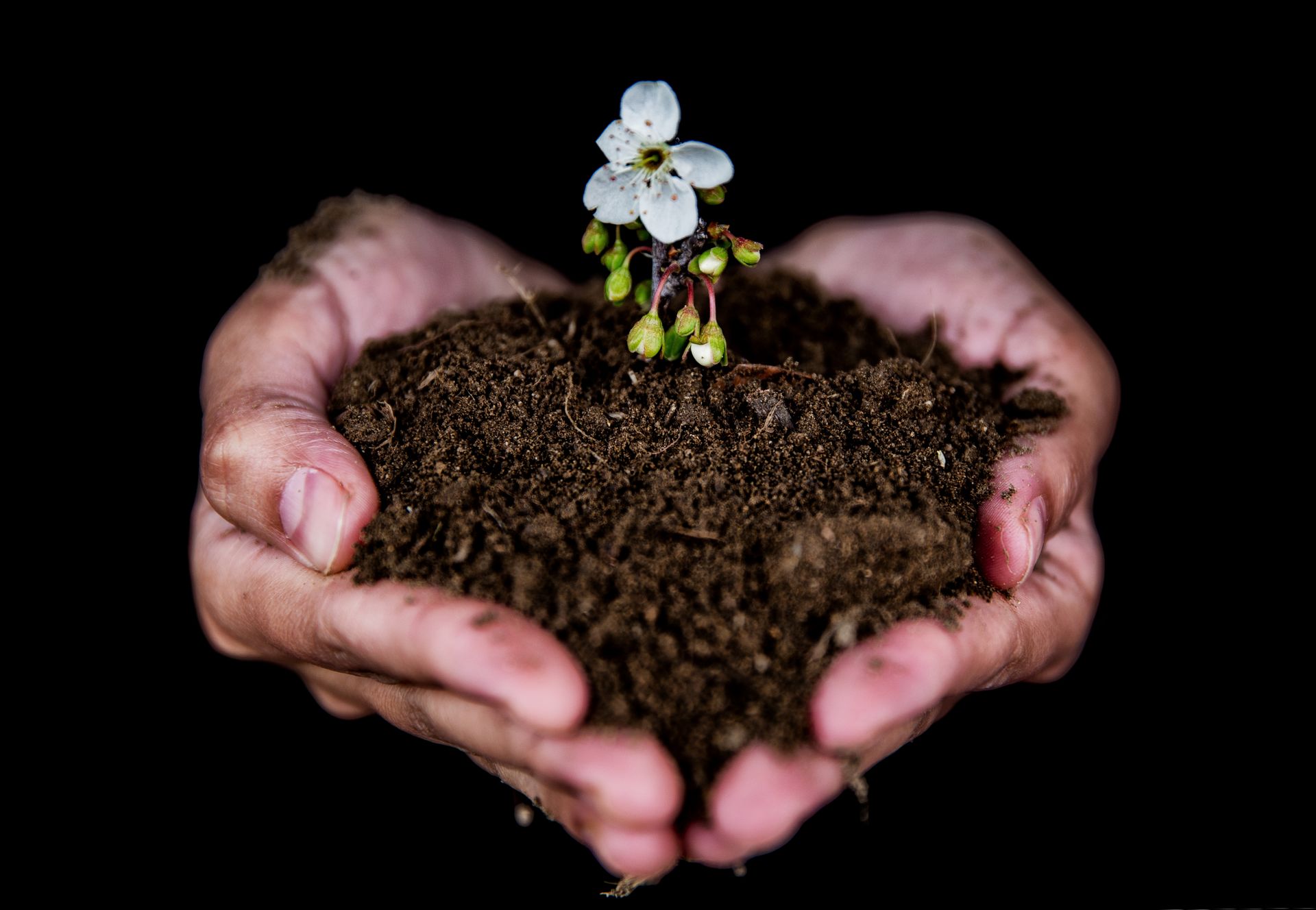





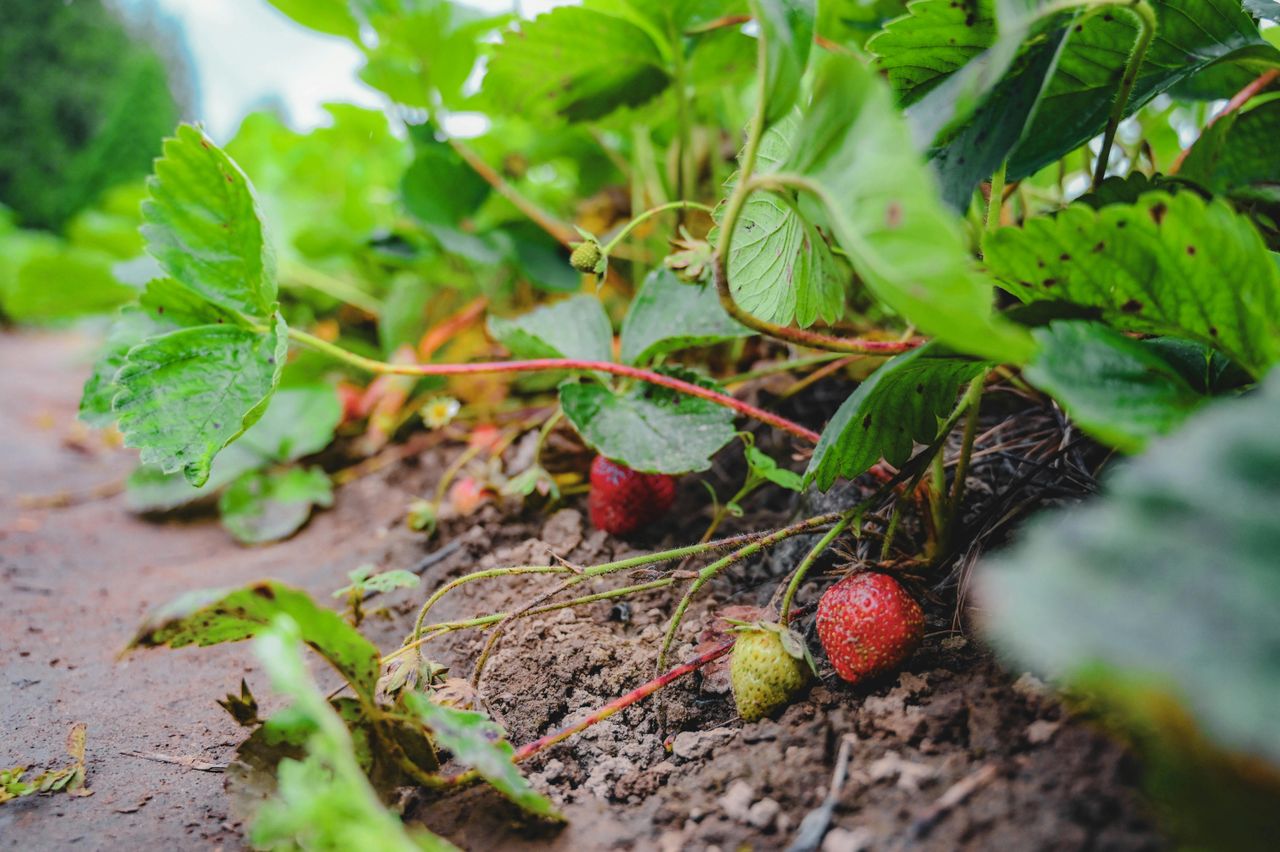
Healthy soil is one of the most important resources on any farm. It provides plants with physical support, water, air, and nutrients while supporting a diverse community of microorganisms and other organisms.
Organic farming places strong emphasis on maintaining and improving soil health through practices such as composting, crop rotation, cover cropping, mulching, and careful nutrient management.
Understanding how organic farming supports healthy soil can help farmers and gardeners make better decisions about long-term soil fertility and productivity.
What Makes Soil Healthy?
Healthy soil contains a balanced combination of minerals, organic matter, air, water, and living organisms.
Good soil structure allows plant roots to grow while providing pathways for water and air.
Organic matter helps improve soil structure and can support moisture retention and nutrient cycling.
Soil organisms also play important roles in decomposing organic materials and making nutrients available to plants.
Because these components work together, protecting soil requires more than simply adding fertilizer.
Add Organic Matter
Organic matter is central to many organic farming systems.
Farmers can add suitable materials such as mature compost, plant residues, manure that has been appropriately managed, and other organic amendments.
As these materials break down, they contribute organic matter to the soil and support biological activity.
Over time, organic matter can improve soil structure, water-holding capacity, and nutrient cycling.
However, farmers should use only properly managed materials and consider the nutrient content before applying them.
Use Compost
Compost provides a practical way to recycle suitable organic materials.
Plant residues, leaves, and certain farm and household organic materials can be composted under appropriate conditions.
During decomposition, microorganisms transform the materials into a more stable product.
Finished compost can then be incorporated into suitable soils or applied according to crop needs.
Use mature compost rather than incompletely decomposed material, particularly around food crops.
Practice Crop Rotation
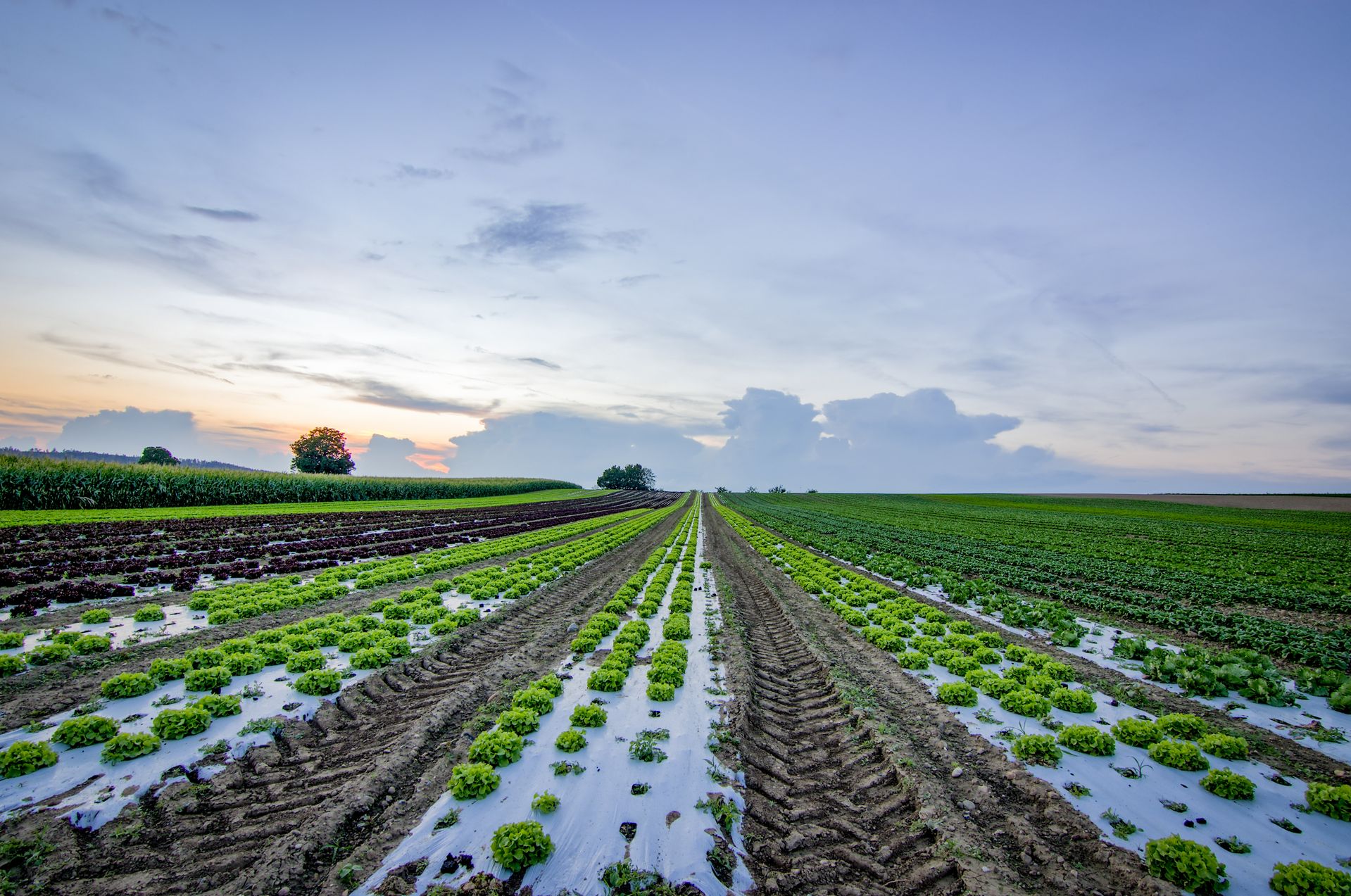
Crop rotation helps farmers avoid repeatedly growing the same crop in the same location.
Different crops interact with soil in different ways and have different nutrient requirements.
Rotating crops can diversify root systems and help interrupt certain pest and disease cycles.
Including suitable legumes can also contribute nitrogen through biological nitrogen fixation.
A well-planned rotation can therefore support soil fertility while improving the overall diversity of the farming system.
Grow Cover Crops
Cover crops protect soil between main crop production periods.
Farmers can select grasses, legumes, or other suitable plants depending on climate, soil, and rotation requirements.
Cover crops can help reduce erosion, suppress certain weeds, add organic material, and support soil structure.
Their roots also interact with soil organisms and create channels that can improve soil physical conditions.
However, farmers should select species carefully and manage them at the appropriate time to avoid competition with the following crop.
Reduce Unnecessary Soil Disturbance
Excessive soil disturbance can affect soil structure and disrupt soil organisms.
Organic farming systems may use reduced tillage or other conservation practices where practical.
Reducing unnecessary disturbance can help preserve soil structure and protect organisms living within the soil.
However, the best approach depends on local conditions, weed pressure, crop requirements, and available equipment.
Farmers should select tillage practices based on their specific farming system rather than assuming that one method works everywhere.

Use Mulch
Mulching protects the soil surface from direct exposure.
Organic materials such as suitable straw, leaves, crop residues, or other plant materials can provide ground cover.
Mulch can help reduce evaporation, suppress weeds, moderate soil temperatures, and reduce erosion.
As organic mulch breaks down, it can also contribute organic matter to the soil.
Apply mulch appropriately and avoid creating conditions that encourage excessive moisture or plant disease.
Encourage Soil Biodiversity
Healthy soil contains a wide range of living organisms.
Bacteria, fungi, earthworms, insects, and other organisms contribute to decomposition, nutrient cycling, and soil structure.
Organic farming practices that provide organic matter and reduce unnecessary disturbance can support soil biological activity.
Avoid practices that unnecessarily damage beneficial soil organisms.
A diverse soil community can contribute to a more functional and resilient soil ecosystem.
Manage Nutrients Carefully
Organic farming does not mean ignoring plant nutrient requirements.
Crops still need adequate nitrogen, phosphorus, potassium, and other nutrients.
Farmers should monitor soil fertility and use suitable sources of nutrients.
Compost, manure, crop residues, legumes, and approved organic fertilizers can contribute nutrients depending on their composition.
Soil testing can help farmers identify nutrient deficiencies or excesses and avoid applying unnecessary amendments.
Prevent Soil Erosion
Erosion can remove fertile topsoil and organic matter.
Organic farming systems can reduce erosion by keeping soil covered and maintaining good soil structure.
Cover crops, mulching, contour planting, windbreaks, terraces, and suitable vegetation buffers can help protect vulnerable areas.
The most appropriate erosion-control method depends on the landscape, rainfall, soil type, and farming system.
Support Water Management
Healthy soil can improve the way water moves through and remains in the root zone.
Soils with good structure and sufficient organic matter can often hold and infiltrate water more effectively than severely degraded soils.
This can help crops access moisture between rainfall or irrigation events.
Nevertheless, healthy soil does not eliminate the need for appropriate irrigation and drainage.
Farmers should combine soil management with efficient water practices.
Avoid Soil Compaction
Heavy machinery, livestock traffic, and repeated movement across wet soil can cause compaction.
Compacted soil can restrict root growth and reduce the movement of air and water.
Farmers can reduce unnecessary traffic and avoid working wet soils when conditions make compaction more likely.
Where appropriate, controlled traffic and careful field planning can help protect soil structure.
Monitor Soil Health
Improving soil takes time, so farmers should monitor changes regularly.
Observe soil structure, drainage, crop performance, organic matter, erosion, and other indicators.
Soil testing can provide additional information about pH and nutrient levels.
Keep records from year to year so you can identify trends and evaluate whether management changes are producing useful results.
Build Soil Health Gradually
Soil improvement rarely happens overnight.
A field with depleted organic matter or significant erosion may require several seasons of careful management.
Start with practical changes such as adding suitable organic matter, planting cover crops, rotating crops, and reducing unnecessary disturbance.
Then monitor results and adjust your practices.
Consistency is more important than attempting to make dramatic changes all at once.
Final Thoughts
Understanding how organic farming supports healthy soil starts with recognizing soil as a living and valuable agricultural resource.
Compost, crop rotation, cover crops, mulch, organic matter, careful nutrient management, and erosion control can all contribute to healthier soil when used appropriately.
Organic farming does not rely on one technique. Instead, it combines multiple practices that work together to support soil structure, biological activity, nutrient cycling, and water management.
By protecting soil today, farmers can create a stronger foundation for productive crops and resilient farming systems in the future.